Plant Profile: Drosera

Taxonomy: Drosera

Names

Sundew

  • Photo of Drosera (Droseras)

Phonetic Spelling:DROSS-er-uh

Genus:Drosera

Species:

Family:Droseraceae

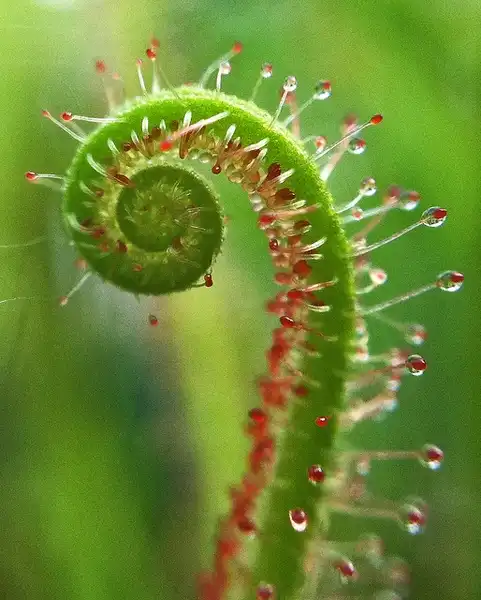
Sundews represent one of the most extensive families of carnivorous plants, boasting at least 194 distinct species. These plants are easily recognized by their tentacle-like stems that emerge from a central rosette of leaves. Their coloration can range from green and yellow-green to red. Each leaf is adorned with hair-like structures that culminate in glands secreting a sticky, dew-like fluid that remains throughout the day, luring insects that are subsequently digested by enzymes. The flowers, which bloom in various colors, typically open in the morning on sunny summer days. Sundews thrive in diverse wetland habitats, including bogs, fens, and marshes, and can be found globally, from tropical regions to areas in Canada. Unfortunately, several species are classified as endangered or threatened in their native habitats.

Cultivating sundews is relatively straightforward for most species. They thrive in a mixture of peat and sand, requiring consistent moisture and full sunlight, whether planted in the ground or in containers. It’s important to research which species will thrive best in your specific location.

Drosera Feature Summary

Drosera Image Gallery

Tags

#red
#full sun tolerant
#lavender
#perennial
#carnivorous
#pink flowers
#showy leaves
#pond margins
#endangered
#NC native
#summer flowers
#native garden
#wildflower garden
#bog gardens
#container plants

Similar Plants

Drosera Feature Summary

Attributes
Sundews were used as medicinal herbs as early as the 12th century for coughs, bronchitis, whooping cough and asthma.
Perennial
Flowers
Small, various colored flowers on a 3-15 in. smooth, slender stalk; flowers have five sepals, five stamens, five petals and a pistil with three styles
Pink
Purple/Lavender
White
4-5 petals/rays
Leaves
Basal rosette of leaves which unfurl to long leaves that are gland-tipped with hairs which exude little droplets of a sticky fluid to trap insects.
Green
Gold/Yellow
Red/Burgundy
Whole Plant Traits
Perennial
Native Plant
Wildflower
Cultural Conditions
Full sun (6 or more hours of direct sunlight a day)
Occasionally Wet
Coastal
Mountains
Piedmont
Landscape
Rain Garden
Water Garden
Container
Pond

Drosera Attributes

Drosera: Uses (Ethnobotany)

Sundews were used as medicinal herbs as early as the 12th century for coughs, bronchitis, whooping cough and asthma.

Drosera: Country Or Region Of Origin

Cosmopolitan

Drosera: Life Cycle

Annual
Biennial
Bulb
Perennial
Woody

Drosera Flowers

Drosera: Flower Description

Small, various colored flowers on a 3-15 in. smooth, slender stalk; flowers have five sepals, five stamens, five petals and a pistil with three styles

Drosera: Flower Color

filter_vintage
Pink
filter_vintage
Purple/Lavender
filter_vintage
White

Drosera: Flower Inflorescence

Catkin
Corymb
Cyme
Head
Insignificant
Panicle
Raceme
Solitary
Spadix
Spike
Umbel

Drosera: Flower Bloom Time

Winter
Spring
Summer
Fall

Drosera: Flower Petals

2-3 rays/petals
4-5 petals/rays
6 petals/rays
7 - 20 petals/rays
asymmetrical petals
Bracts
Colored Sepals
fused petals
more than 20 petals/rays
Tepals

Drosera: Flower Shape

Bell
Cross
Crown
Cup
Dome
Funnel
Irregular
Lipped
Radial
Saucer
Star
Trumpet
Tubular
Urn
Wheel

Drosera Leaves

Drosera: Leaf Description

Basal rosette of leaves which unfurl to long leaves that are gland-tipped with hairs which exude little droplets of a sticky fluid to trap insects.

Drosera: Woody Plant Leaf Characteristics

Broadleaf Evergreen
Deciduous
Needled Evergreen
Semi-evergreen

Drosera: Leaf Color

spa
Gold/Yellow
spa
Green
spa
Red/Burgundy

Drosera: Leaf Shape

Acicular
Auriculate
Cordate
Cuneate
Deltoid
Elliptical
Filiform
Lanceolate
Linear
Oblanceolate
Oblong
Obovate
Obtuse
Orbicular
Ovate
Palmasect
Palmatifid
Peltate
Pinnatifid
Pinnatisect
Reniform
Rhomboidal
Spatulate
Subcordate
Subulate

Drosera: Hairs Present

No
Yes

Drosera: Leaf Value To Gardener

Edible
Fragrant
Good Cut
Good Dried
Long-lasting
Showy

Drosera Whole Plant Traits

Drosera: Plant Type

Annual
Bulb
Carnivorous
Edible
Epiphyte
Fern
Ground Cover
Herb
Herbaceous Perennial
Houseplant
Mushroom
Native Plant
Ornamental Grasses and Sedges
Perennial
Poisonous
Rose
Shrub
Succulent
Tree
Turfgrass
Vegetable
Vine
Water Plant
Weed
Wildflower

Drosera: Woody Plant Leaf Characteristics

Broadleaf Evergreen
Deciduous
Needled Evergreen
Semi-evergreen

Drosera: Habit/Form

Arching
Ascending
Broad
Cascading
Climbing
Clumping
Columnar
Conical
Creeping
Dense
Erect
Horizontal
Irregular
Mounding
Multi-stemmed
Multi-trunked
Open
Oval
Prostrate
Pyramidal
Rounded
Spreading
Vase
Weeping

Drosera: Maintenance

Low
Medium
High

Drosera Cultural Conditions

Drosera: Light

Dappled Sunlight (Shade through upper canopy all day)
Deep shade (Less than 2 hours to no direct sunlight)
Full sun (6 or more hours of direct sunlight a day)
Partial Shade (Direct sunlight only part of the day, 2-6 hours)

Drosera: Soil Drainage

Frequent Standing Water
Good Drainage
Moist
Occasional Flooding
Occasionally Dry
Occasionally Wet
Very Dry

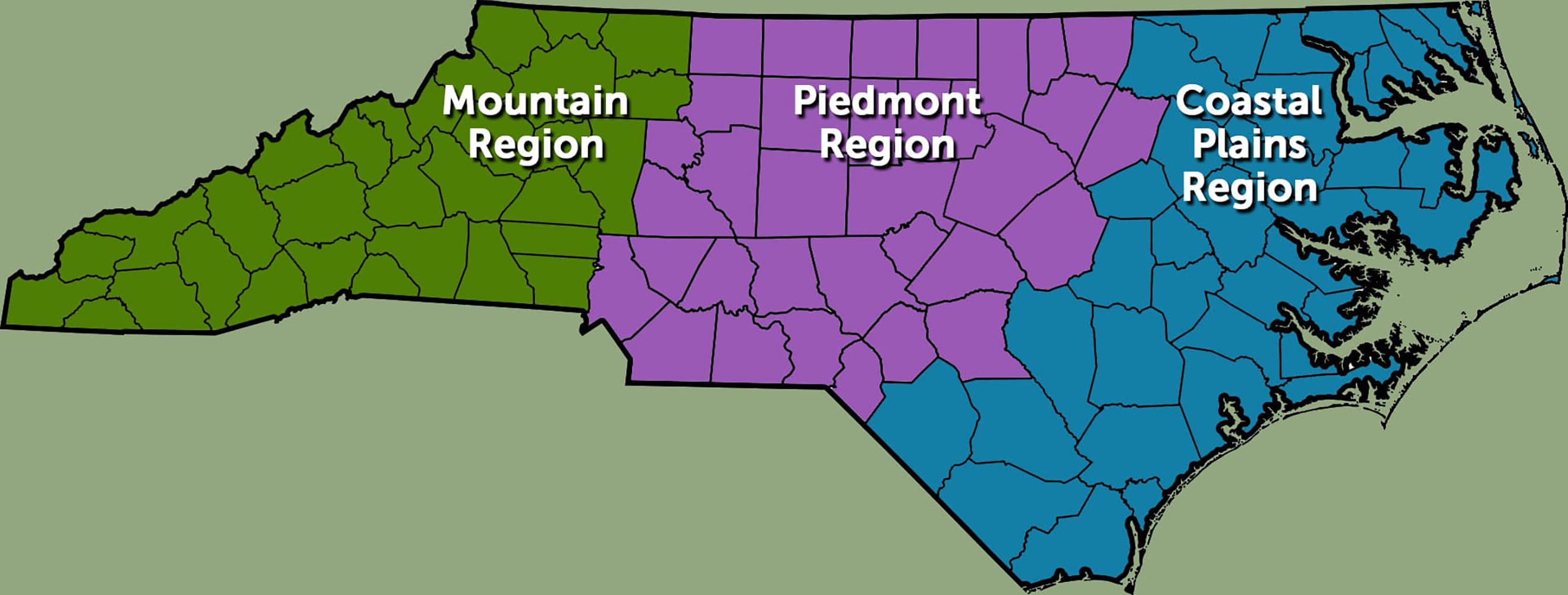
Drosera: NC Region

Coastal
Mountains
Piedmont

Drosera Stem

Drosera: Stem Is Aromatic

No
Yes

Drosera Landscape

Drosera: Landscape Theme

Asian Garden
Butterfly Garden
Children's Garden
Cottage Garden
Cutting Garden
Drought Tolerant Garden
Edible Garden
English Garden
Fairy Garden
Garden for the Blind
Native Garden
Nighttime Garden
Pollinator Garden
Rain Garden
Rock Garden
Shade Garden
Water Garden
Winter Garden

Drosera: Landscape Location

Coastal
Container
Hanging Baskets
Houseplants
Lawn
Meadow
Naturalized Area
Near Septic
Patio
Pond
Pool/Hardscape
Recreational Play Area
Riparian
Rock Wall
Slope/Bank
Small Space
Vertical Spaces
Walkways
Woodland