Plant Profile: Sarracenia rubra ssp. rubra

Names

Redflower Pitcherplant, Sweet Pitcherplant

  • Photo of Sarracenia rubra ssp. rubra (Sarracenia rubra ssp. rubras)

Phonetic Spelling:sar-uh-SEN-ee-uh ROO-bruh ROO-bruh

Genus:Sarracenia

Species:rubra

Family:Sarraceniaceae

The Sweet Pitcherplant is a perennial carnivorous species indigenous to bogs, pocosins, and moist savannas stretching from North Carolina to Georgia. This plant tends to grow in clusters and is resilient to heat, although it is sensitive to drought conditions. It produces aromatic flowers and, while numerous hybrids exist, commercially available plants are typically categorized as the standard species.

Sarracenia rubra ssp. rubra Feature Summary

Sarracenia rubra ssp. rubra Image Gallery

Tags

#heat tolerant
#moths
#wet sites
#NC native
#Coastal OBL
#food source herbage
#food source pollen
#Piedmont Mountains OBL
#food source soft mast fruit
#native carnivorus plant
#moth larvae
#pollinators
#bog gardens
#audubon

Similar Plants

Sarracenia rubra ssp. rubra Feature Summary

Attributes
Fruit
Fruits are available June-July
Flowers
Flowers are reddish-purple and bloom April-May.
Red/Burgundy
Whole Plant Traits
Native Plant
Carnivorous
Cultural Conditions
Full sun (6 or more hours of direct sunlight a day)
Acid (<6.0)
Coastal

Sarracenia rubra ssp. rubra Attributes

Sarracenia rubra ssp. rubra: Country Or Region Of Origin

NC to GA

Sarracenia rubra ssp. rubra: Life Cycle

Annual
Biennial
Bulb
Perennial
Woody

Sarracenia rubra ssp. rubra Fruit

Sarracenia rubra ssp. rubra: Fruit Description

Fruits are available June-July

Sarracenia rubra ssp. rubra: Display/Harvest Time

Fall
Spring
Summer
Winter

Sarracenia rubra ssp. rubra Flowers

Sarracenia rubra ssp. rubra: Flower Description

Flowers are reddish-purple and bloom April-May.

Sarracenia rubra ssp. rubra: Flower Color

filter_vintage
Red/Burgundy

Sarracenia rubra ssp. rubra: Flower Bloom Time

Winter
Spring
Summer
Fall

Sarracenia rubra ssp. rubra Whole Plant Traits

Sarracenia rubra ssp. rubra: Plant Type

Annual
Bulb
Carnivorous
Edible
Epiphyte
Fern
Ground Cover
Herb
Herbaceous Perennial
Houseplant
Mushroom
Native Plant
Ornamental Grasses and Sedges
Perennial
Poisonous
Rose
Shrub
Succulent
Tree
Turfgrass
Vegetable
Vine
Water Plant
Weed
Wildflower

Sarracenia rubra ssp. rubra Cultural Conditions

Sarracenia rubra ssp. rubra: Light

Dappled Sunlight (Shade through upper canopy all day)
Deep shade (Less than 2 hours to no direct sunlight)
Full sun (6 or more hours of direct sunlight a day)
Partial Shade (Direct sunlight only part of the day, 2-6 hours)

Sarracenia rubra ssp. rubra: Soil pH

Acid (<6.0)
Alkaline (>8.0)
Neutral (6.0-8.0)

Sarracenia rubra ssp. rubra: Soil Drainage

Frequent Standing Water
Good Drainage
Moist
Occasional Flooding
Occasionally Dry
Occasionally Wet
Very Dry

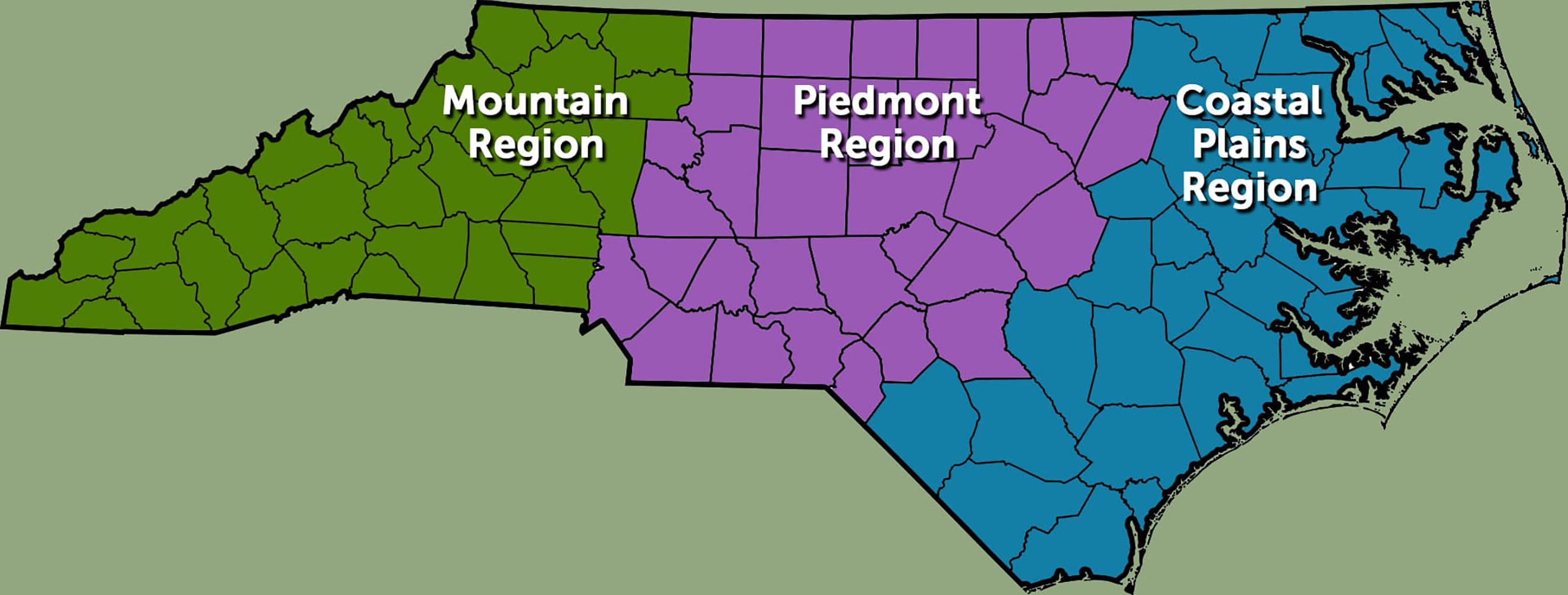
Sarracenia rubra ssp. rubra: NC Region

Coastal
Mountains
Piedmont

Sarracenia rubra ssp. rubra: Soil Texture

Clay
High Organic Matter
Loam (Silt)
Sand
Shallow Rocky

Sarracenia rubra ssp. rubra Leaves

Sarracenia rubra ssp. rubra: Hairs Present

No
Yes

Sarracenia rubra ssp. rubra Stem

Sarracenia rubra ssp. rubra: Stem Is Aromatic

No
Yes

Sarracenia rubra ssp. rubra Landscape

Sarracenia rubra ssp. rubra: Landscape Theme

Asian Garden
Butterfly Garden
Children's Garden
Cottage Garden
Cutting Garden
Drought Tolerant Garden
Edible Garden
English Garden
Fairy Garden
Garden for the Blind
Native Garden
Nighttime Garden
Pollinator Garden
Rain Garden
Rock Garden
Shade Garden
Water Garden
Winter Garden

Sarracenia rubra ssp. rubra: Resistance To Challenges

Black Walnut
Compaction
Deer
Diseases
Drought
Dry Soil
Erosion
Fire
Foot Traffic
Heat
Heavy Shade
Humidity
Insect Pests
Pollution
Poor Soil
Rabbits
Salt
Slugs
Squirrels
Storm damage
Urban Conditions
Voles
Wet Soil
Wind