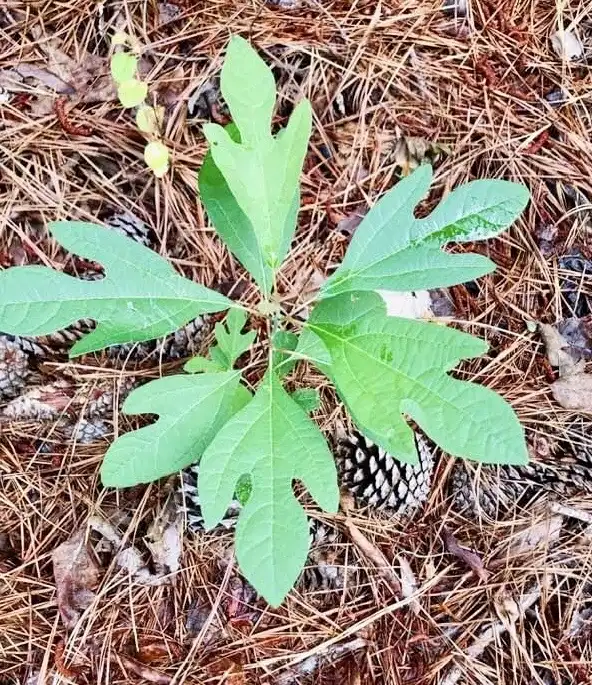
Sassafras albidum: Uses (Ethnobotany)
Native Americans used the oils in tonics for medical purposes. Leaves and oils have been used in food products. The wood used to make furniture and boats. Oils have been used in soaps and fragrances.
Phonetic Spelling:SAS-ah-fras AL-bih-dum
Genus:Sassafras
Species:albidum
Family:Lauraceae
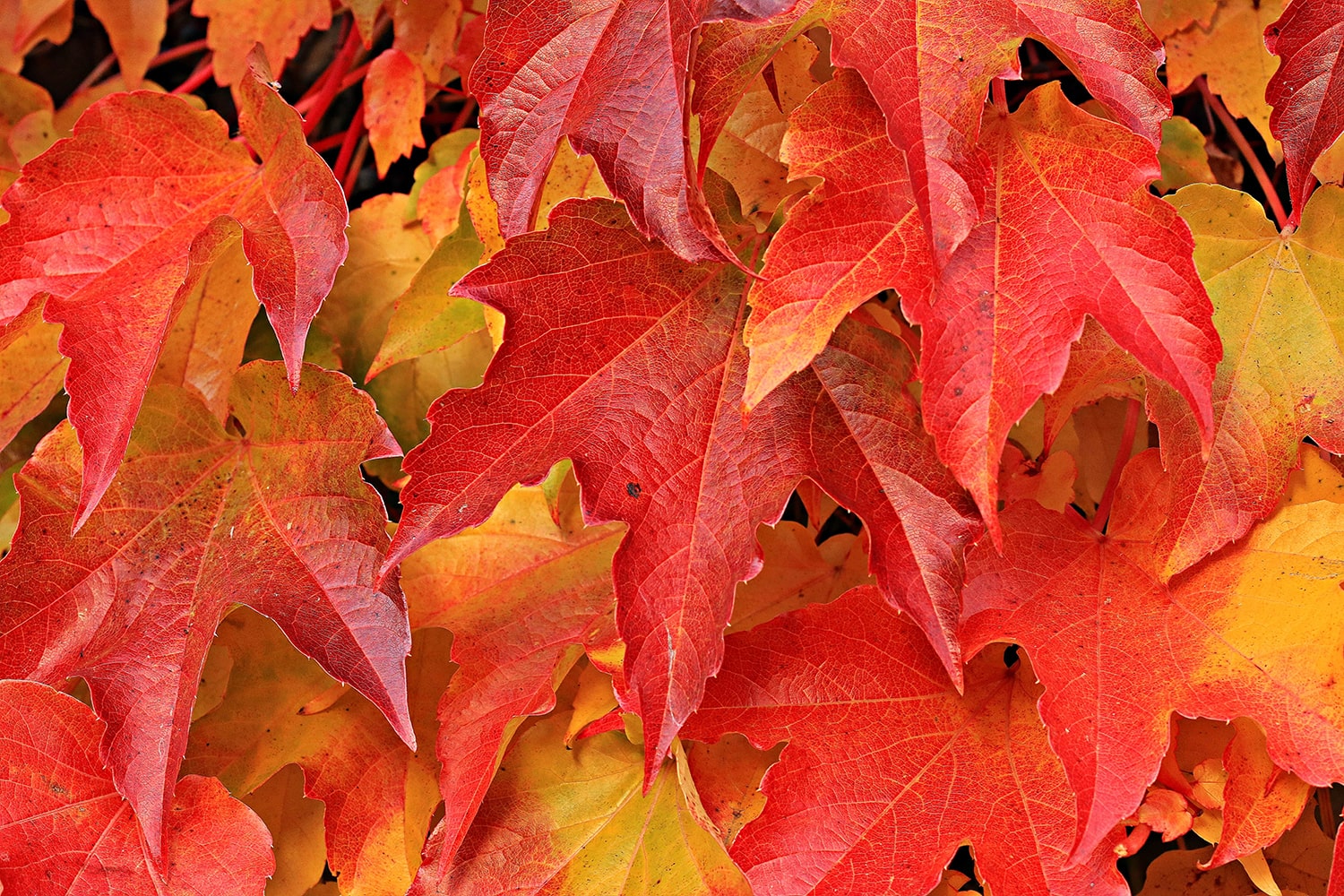
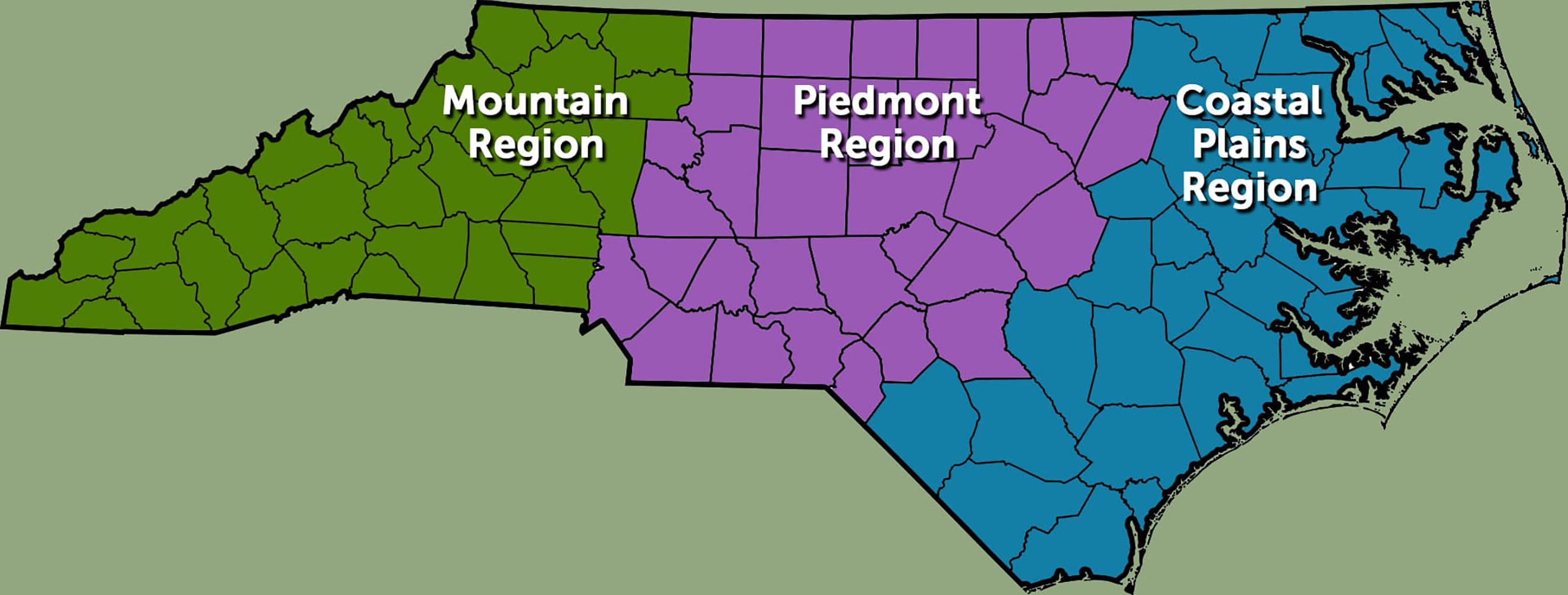
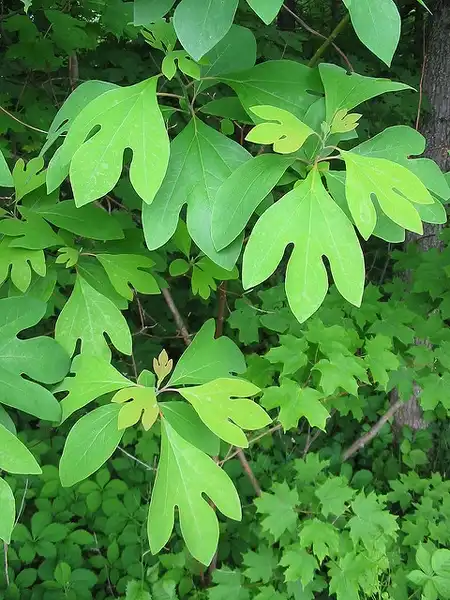
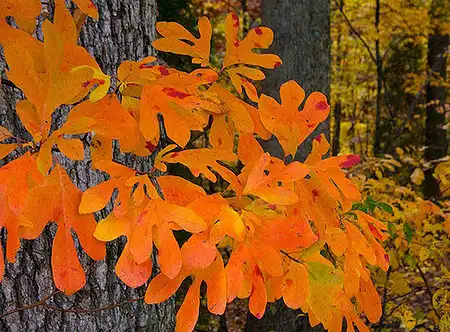
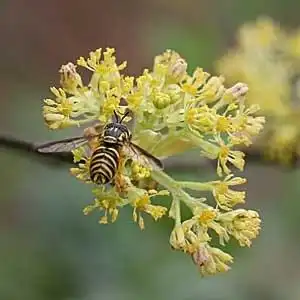
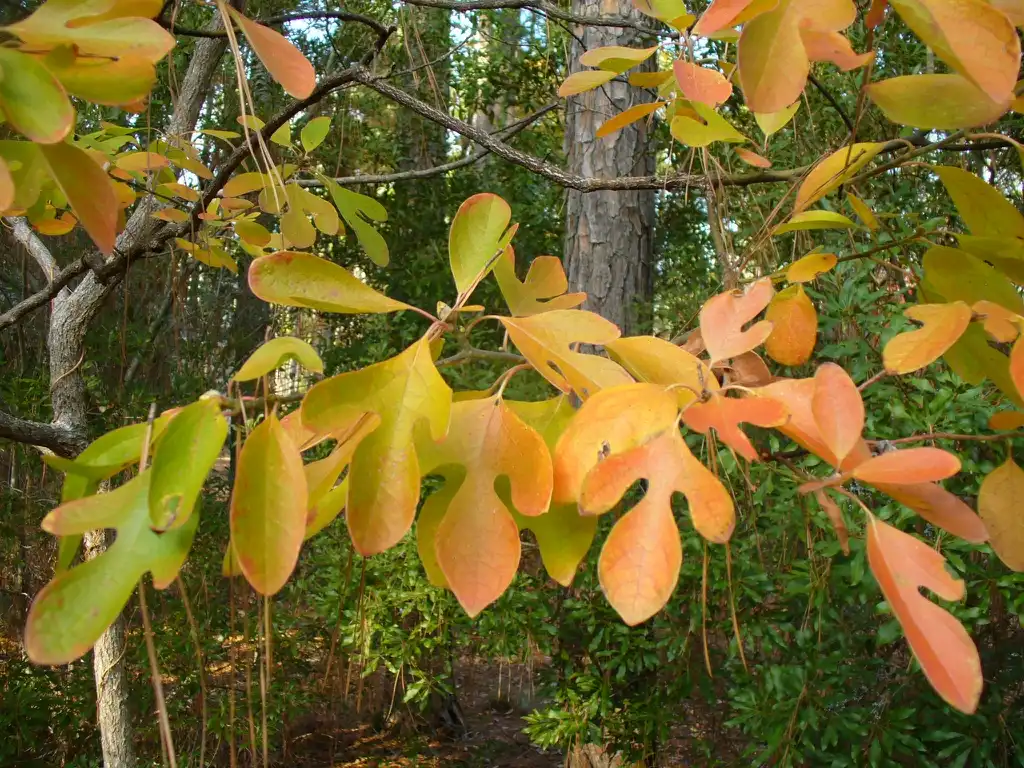
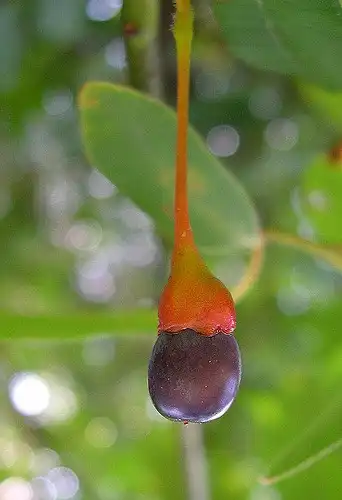
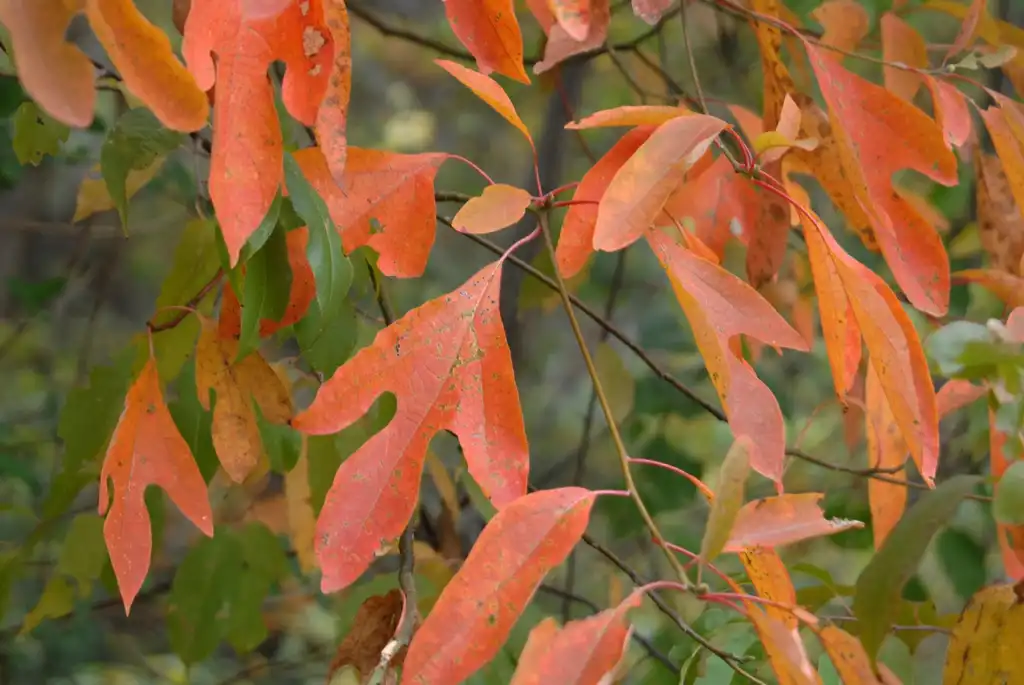
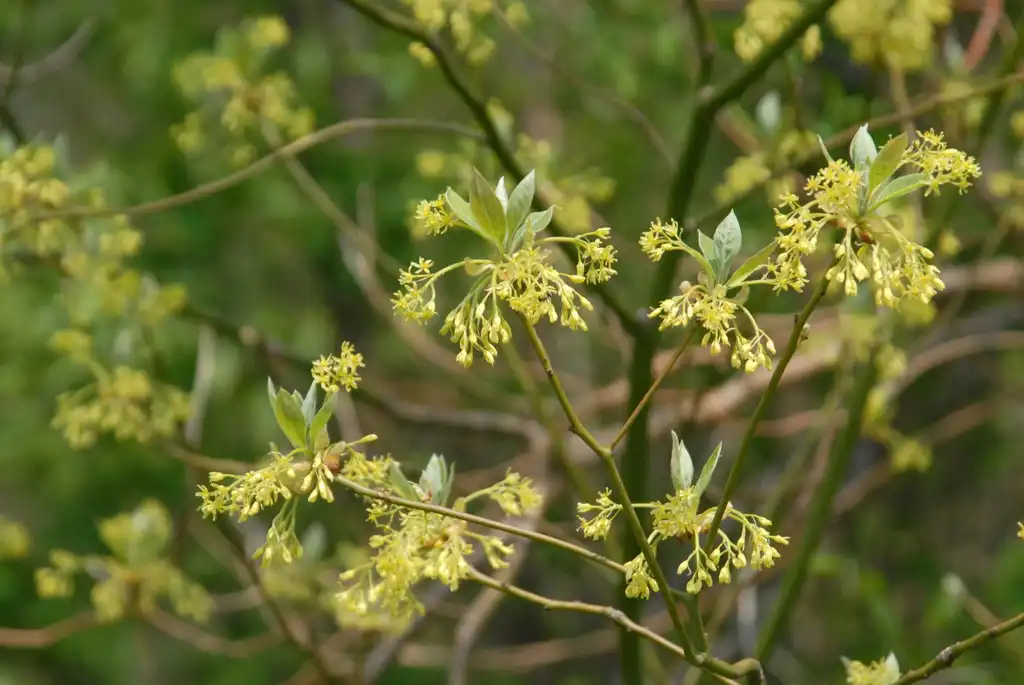
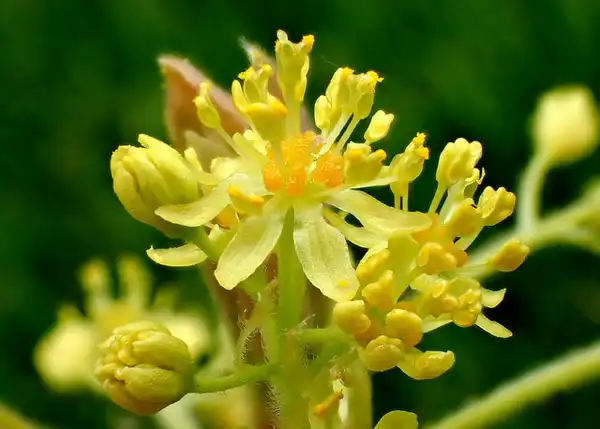
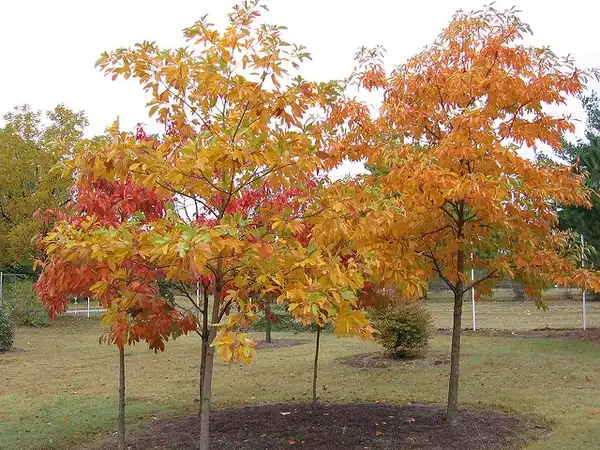
Sassafras is a deciduous tree indigenous to the eastern and central regions of the United States, thriving in all parts of North Carolina except for the higher elevations. It typically grows in woodlands, fields, and along roadways, demonstrating adaptability to various acidic soil types. The entire tree emits a pleasant aroma. In early to mid-spring, clusters of small, vibrant yellow-green flowers emerge on 2-inch stalks from separate male and female trees. The female trees yield a blue, fleshy drupe nestled in a red cup attached to a red stalk. During the fall, the foliage transforms into stunning shades of yellow, orange, and red.
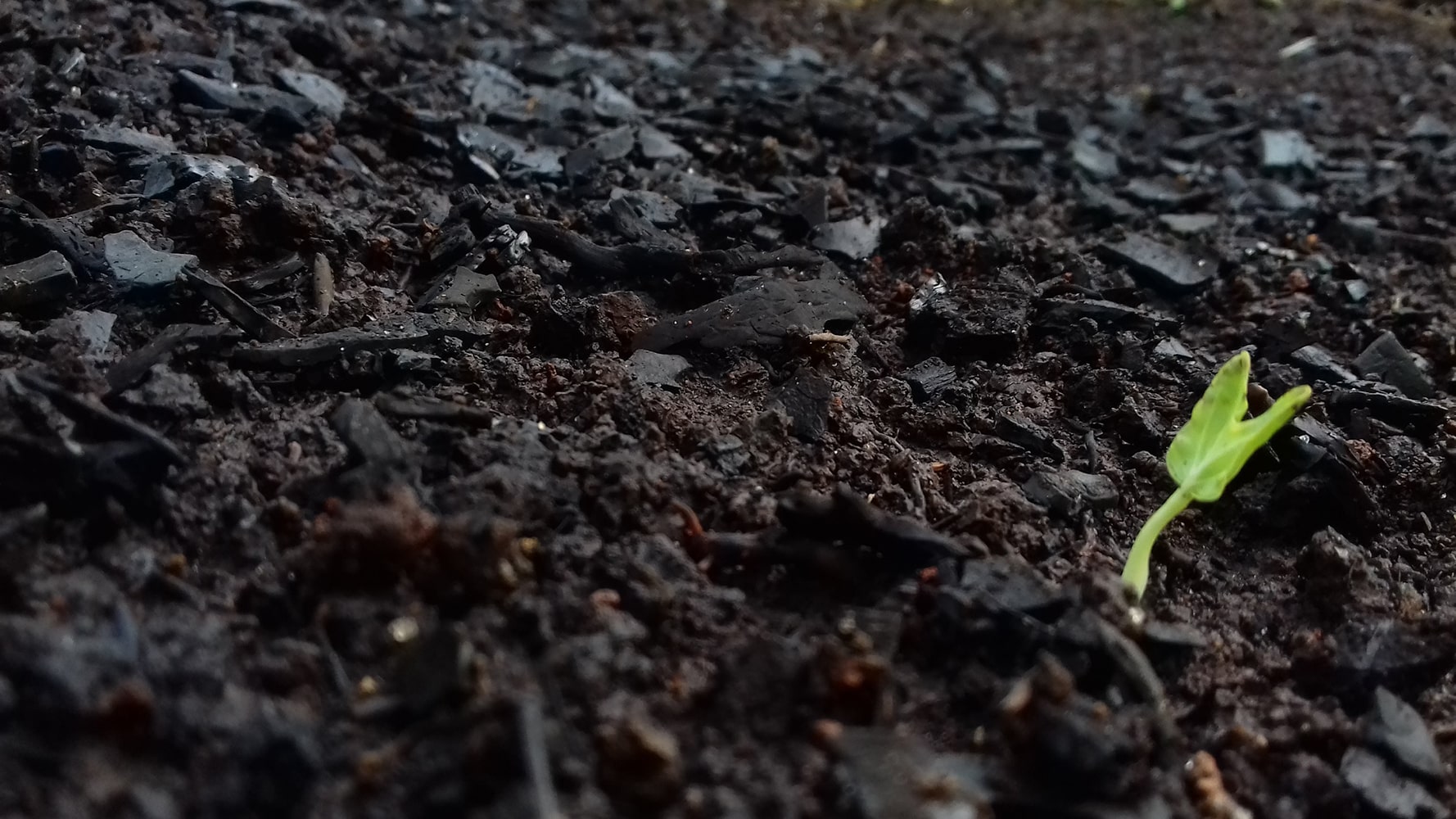
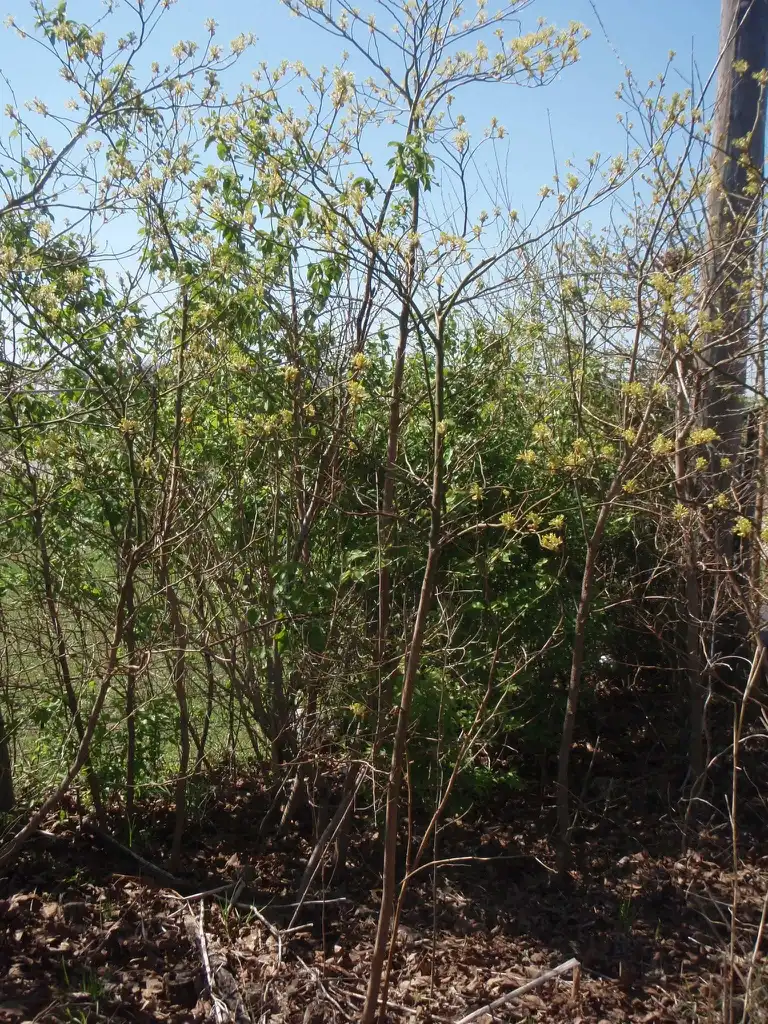
Transplanting established sassafras trees can be challenging due to their large taproot. The tree has a tendency to produce suckers, which can lead to the formation of thickets; if a single-trunk specimen is preferred, these suckers must be removed. While it thrives in well-drained, sandy acidic soils, it can adapt to other well-drained soil types. Sassafras grows well in full sun to partial shade and exhibits drought tolerance once it is established.
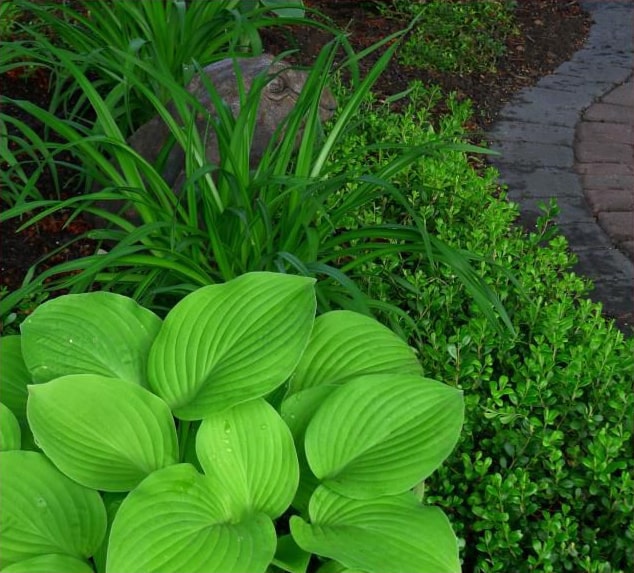
This tree can serve multiple purposes, such as a shade tree, street tree, or ornamental specimen. Allowing it to spread through suckers can create effective screening.
Sassafras albidum can be maintained at a shrub size by cutting it back to the ground every two to three years.
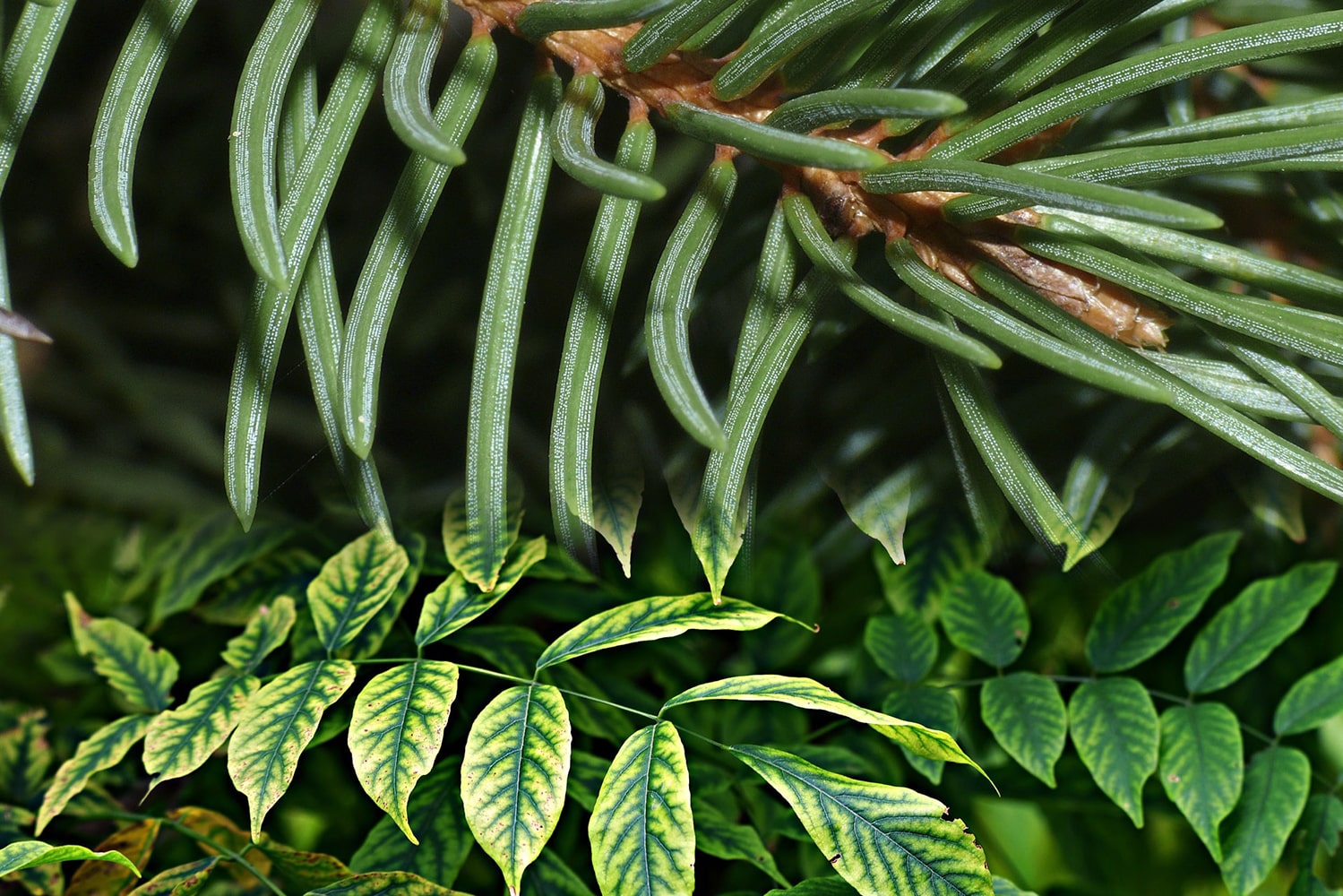
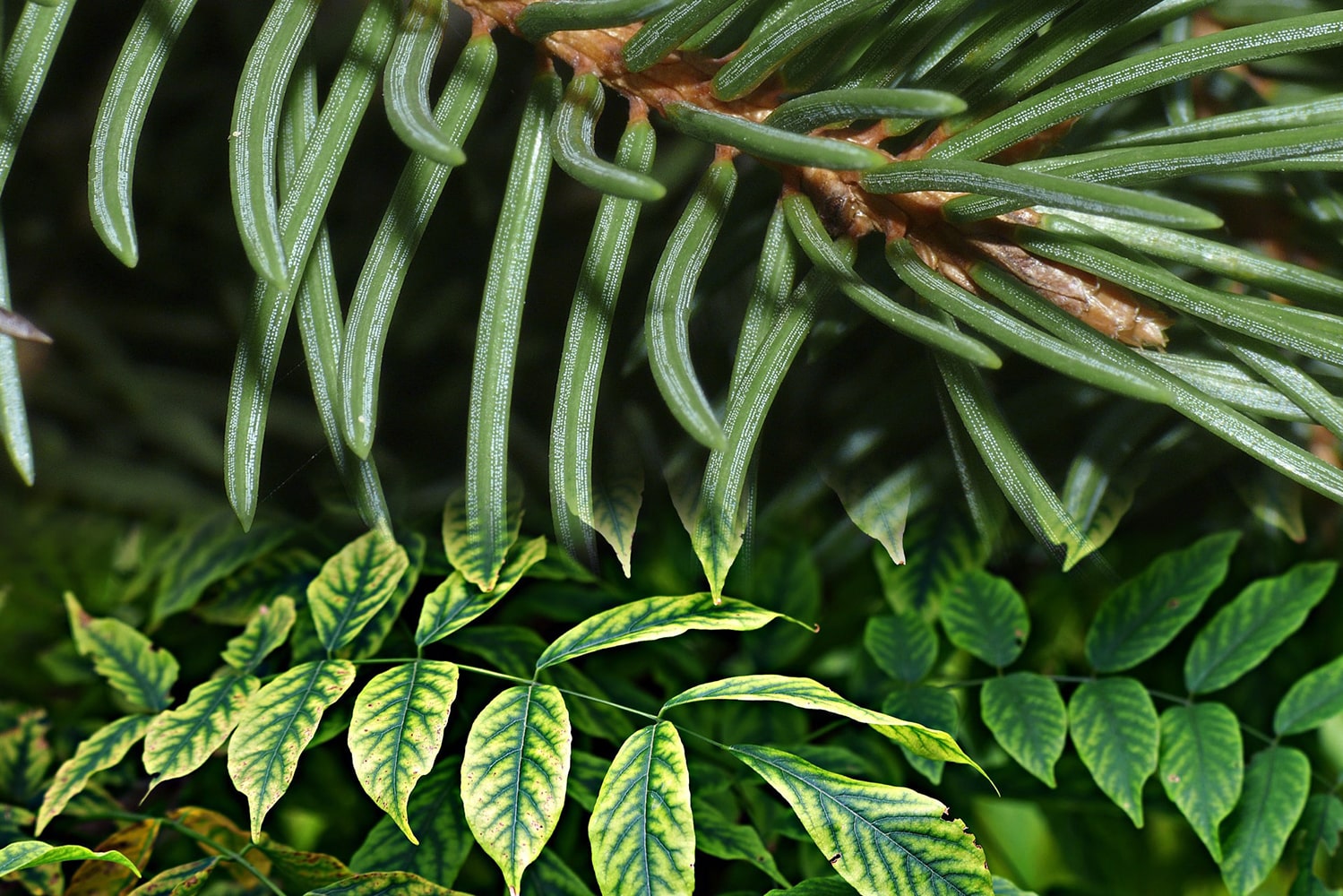
In terms of pests and diseases, the leaves may exhibit chlorosis, turning yellow while the veins remain green, particularly in alkaline soils. Although the tree can face various insect and disease issues, these are generally not severe. It is particularly vulnerable to laurel wilt and may suffer from root rot if planted in wet, clayey soils.
Sassafras albidum Feature Summary
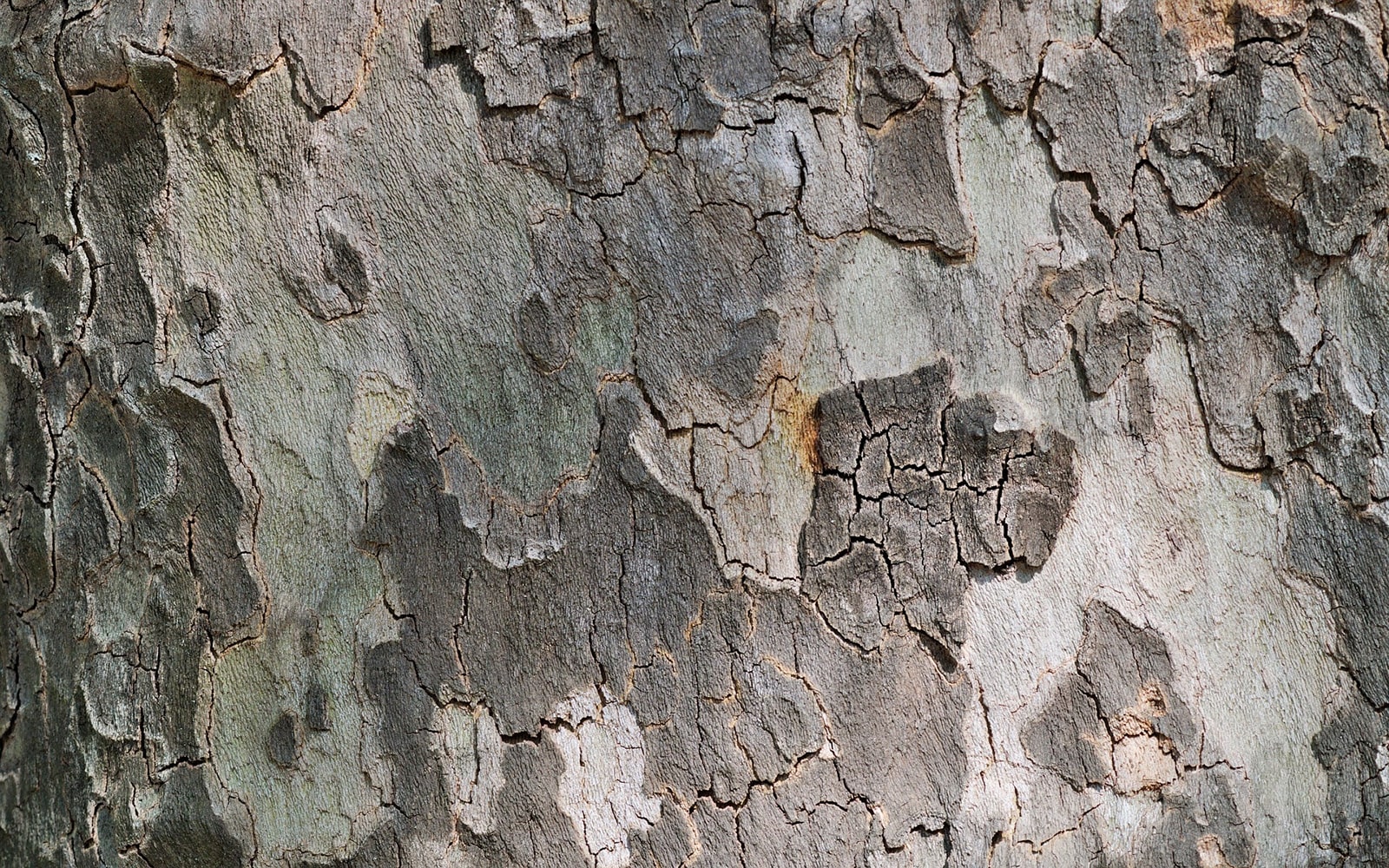
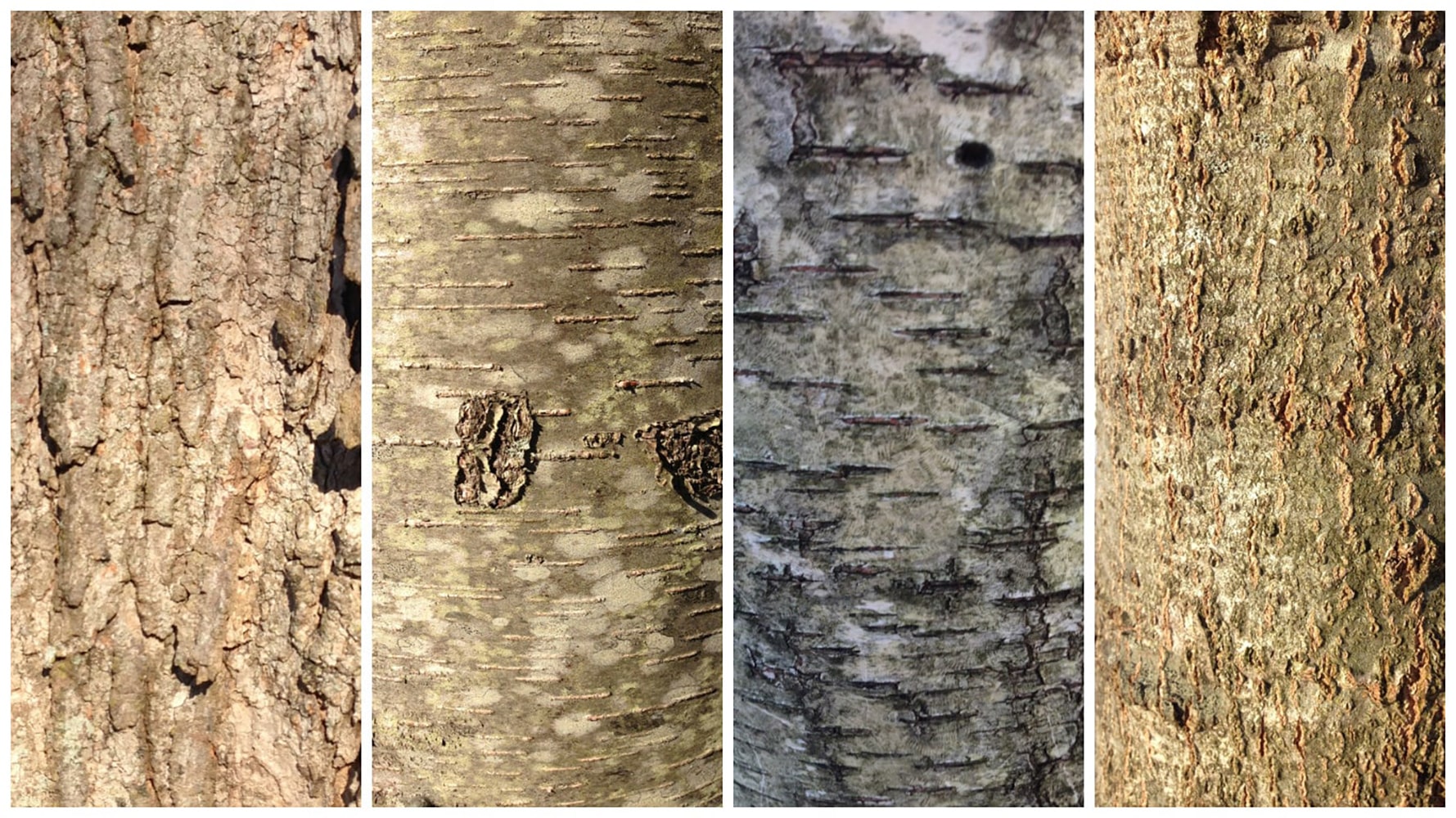
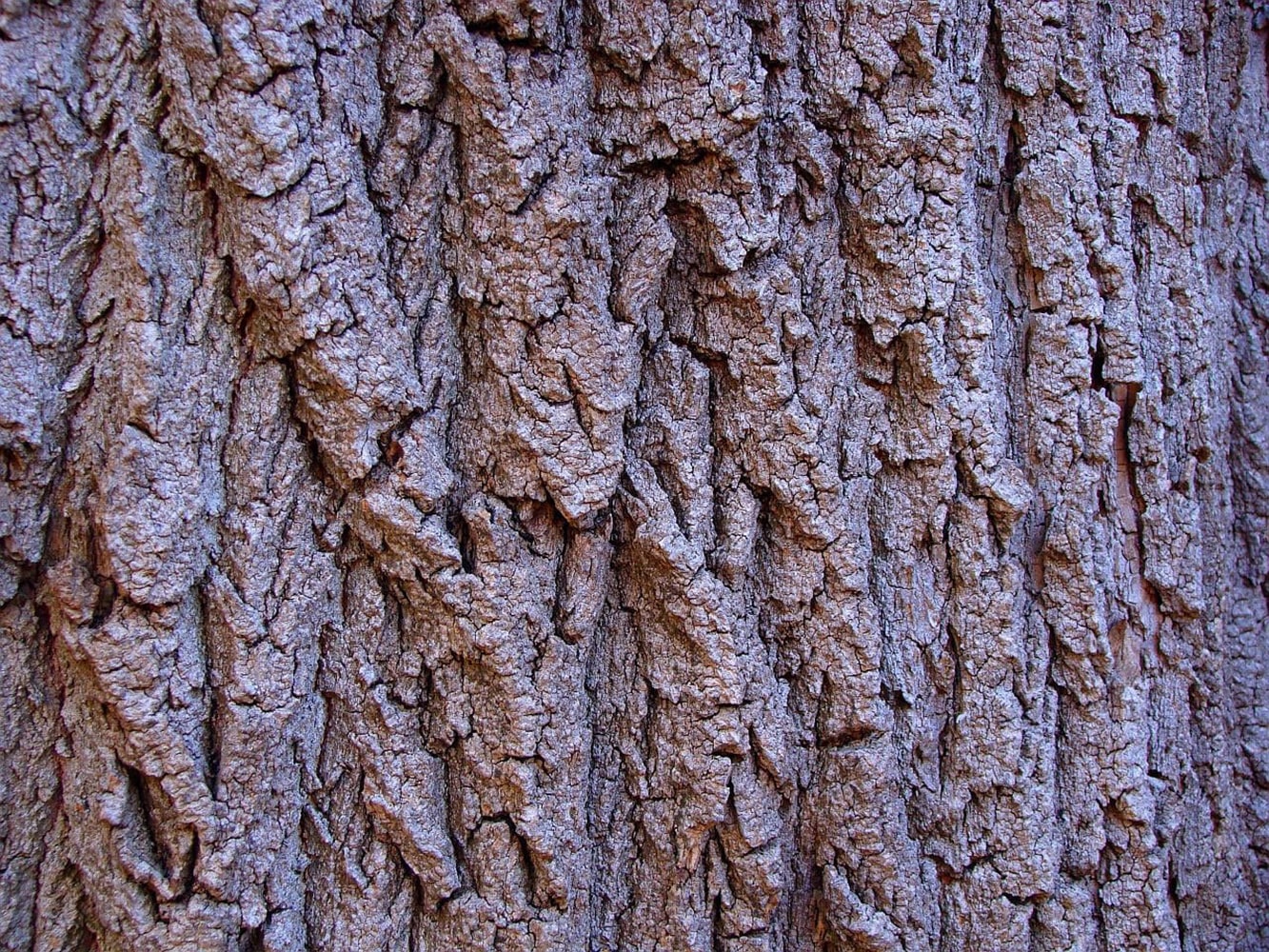
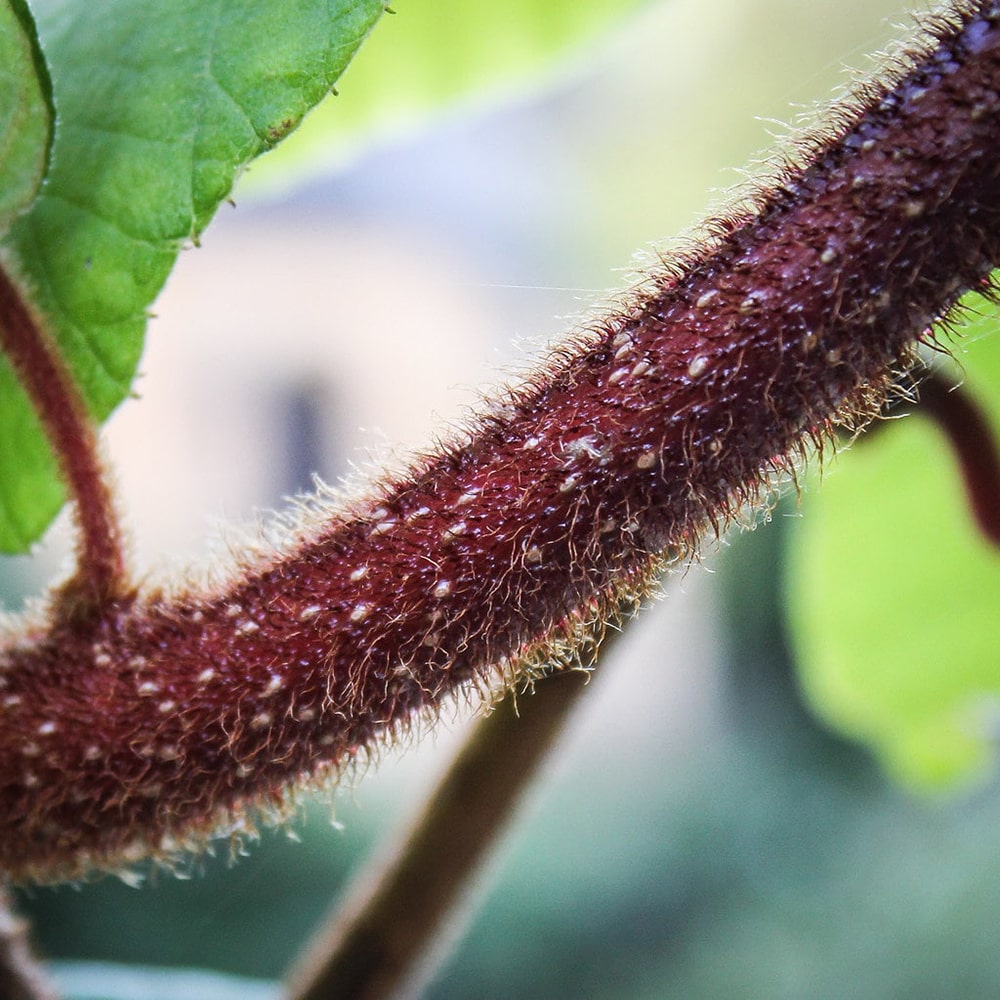
Sassafras albidum Image Gallery