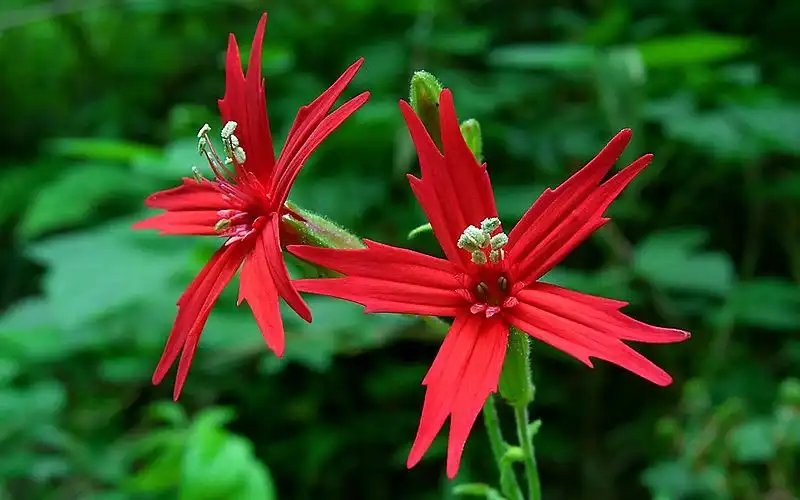
• Photo of Silene virginica var. virginica (Silene virginica var. virginicas)

Plant Profile: Silene virginica var. virginica

Names

Fire-pink

  • Photo of Silene virginica var. virginica (Silene virginica var. virginicas)

Phonetic Spelling:sy-LEE-nee vir-JIN-ih-kuh vir-JIN-ih-kuh

Genus:Silene

Species:virginica

Family:Caryophyllaceae

Fire-pink is a perennial flower native to woodlands, often found nestled in cliff crevices and along roadsides. Its vibrant blooms are easily noticeable from passing vehicles. This plant thrives in sandy or gravelly soil and prefers full sunlight, although it benefits from some afternoon shade in warmer regions. While it is classified as a short-lived perennial, it has the ability to self-seed. Its deep taproot makes it challenging to relocate, and attempting to do so may harm the plant.

In terms of pests and diseases, Fire-pink faces no significant challenges.

For further details on Silene virginica, additional information is available.

Silene virginica var. virginica Feature Summary

Silene virginica var. virginica Image Gallery

Tags

#drought tolerant
#native perennial
#NC native
#wildflower garden
#food source summer
#food source nectar
#food source pollen
#rocky soils tolerant
#clay soils tolerant
#dry soils tolerant
#food source hard mast fruit
#audubon
#shallow soil tolerant

Similar Plants

Silene virginica var. virginica Feature Summary

Attributes
Fruit
Displays from May to August
Flowers
Blooms from April to July with brilliant red 2" blooms.
Red/Burgundy
Spring
Summer
4-5 petals/rays
1-3 inches
Leaves
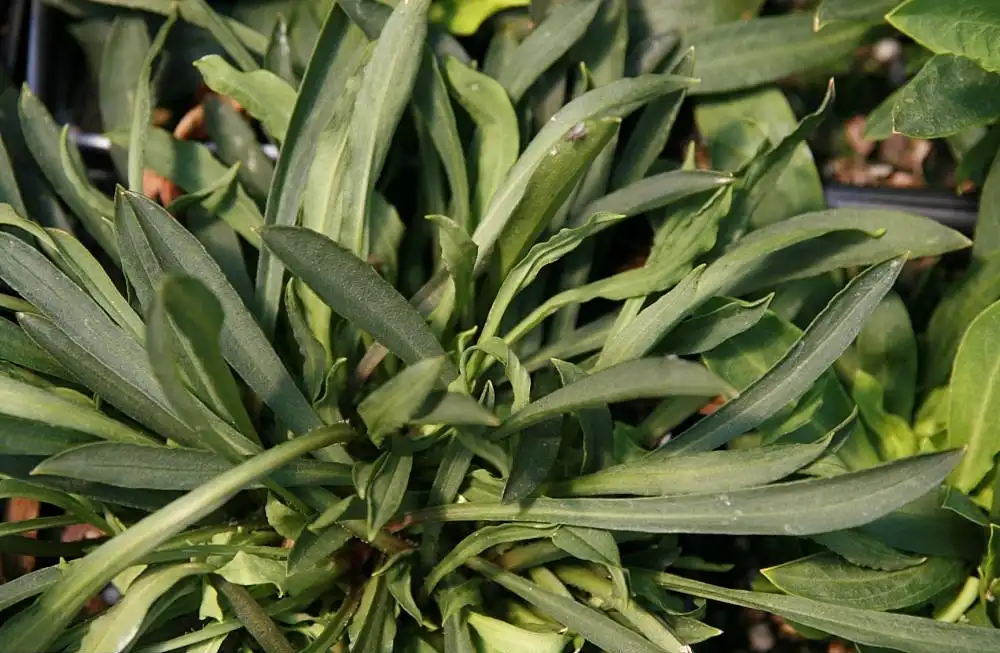
Basal leaves are spatula shaped. The stem leaves can reach lengths of 12"
Lanceolate
Whole Plant Traits
Perennial
Native Plant
Herb
Clumping
Cultural Conditions
Full sun (6 or more hours of direct sunlight a day)
Partial Shade (Direct sunlight only part of the day, 2-6 hours)
Good Drainage
Moist
Occasionally Dry
Coastal
Mountains
Piedmont
4a
4b
5b
5a
6a
6b
7a
7b
8b
8a
Loam (Silt)
Sand
Landscape
Butterfly Garden
Pollinator Garden
Native Garden
Butterflies
Pollinators
Songbirds
Small Mammals
Hummingbirds

Silene virginica var. virginica Attributes

Silene virginica var. virginica: Country Or Region Of Origin

Eastern North America
Silene virginica var. virginica: Wildlife Value

Attracts hummingbirds.

Silene virginica var. virginica: Life Cycle

Annual
Biennial
Bulb
Perennial
Woody

Silene virginica var. virginica: Recommended Propagation Strategy

Division
Grafting
Layering
Leaf Cutting
Root Cutting
Seed
Stem Cutting

Silene virginica var. virginica Fruit

Silene virginica var. virginica: Fruit Description

Displays from May to August

Silene virginica var. virginica: Display/Harvest Time

Fall
Spring
Summer
Winter

Silene virginica var. virginica Flowers

Silene virginica var. virginica: Flower Description

Blooms from April to July with brilliant red 2" blooms.

Silene virginica var. virginica: Flower Color

filter_vintage
Red/Burgundy

Silene virginica var. virginica: Flower Value To Gardener

Edible
Fragrant
Good Cut
Good Dried
Long Bloom Season
Long-lasting
Showy

Silene virginica var. virginica: Flower Bloom Time

Winter
Spring
Summer
Fall

Silene virginica var. virginica: Flower Petals

2-3 rays/petals
4-5 petals/rays
6 petals/rays
7 - 20 petals/rays
asymmetrical petals
Bracts
Colored Sepals
fused petals
more than 20 petals/rays
Tepals

Silene virginica var. virginica: Flower Size

1-3 inches
3-6 inches
< 1 inch
> 6 inches

Silene virginica var. virginica Leaves

Silene virginica var. virginica: Leaf Description

Basal leaves are spatula shaped. The stem leaves can reach lengths of 12"

Silene virginica var. virginica: Leaf Color

spa
Green

Silene virginica var. virginica: Leaf Shape

Acicular
Auriculate
Cordate
Cuneate
Deltoid
Elliptical
Filiform
Lanceolate
Linear
Oblanceolate
Oblong
Obovate
Obtuse
Orbicular
Ovate
Palmasect
Palmatifid
Peltate
Pinnatifid
Pinnatisect
Reniform
Rhomboidal
Spatulate
Subcordate
Subulate

Silene virginica var. virginica: Hairs Present

No
Yes

Silene virginica var. virginica Whole Plant Traits

Silene virginica var. virginica: Plant Type

Annual
Bulb
Carnivorous
Edible
Epiphyte
Fern
Ground Cover
Herb
Herbaceous Perennial
Houseplant
Mushroom
Native Plant
Ornamental Grasses and Sedges
Perennial
Poisonous
Rose
Shrub
Succulent
Tree
Turfgrass
Vegetable
Vine
Water Plant
Weed
Wildflower

Silene virginica var. virginica: Habit/Form

Arching
Ascending
Broad
Cascading
Climbing
Clumping
Columnar
Conical
Creeping
Dense
Erect
Horizontal
Irregular
Mounding
Multi-stemmed
Multi-trunked
Open
Oval
Prostrate
Pyramidal
Rounded
Spreading
Vase
Weeping

Silene virginica var. virginica: Maintenance

Low
Medium
High

Silene virginica var. virginica Cultural Conditions

Silene virginica var. virginica: Light

Dappled Sunlight (Shade through upper canopy all day)
Deep shade (Less than 2 hours to no direct sunlight)
Full sun (6 or more hours of direct sunlight a day)
Partial Shade (Direct sunlight only part of the day, 2-6 hours)

Silene virginica var. virginica: Soil Drainage

Frequent Standing Water
Good Drainage
Moist
Occasional Flooding
Occasionally Dry
Occasionally Wet
Very Dry

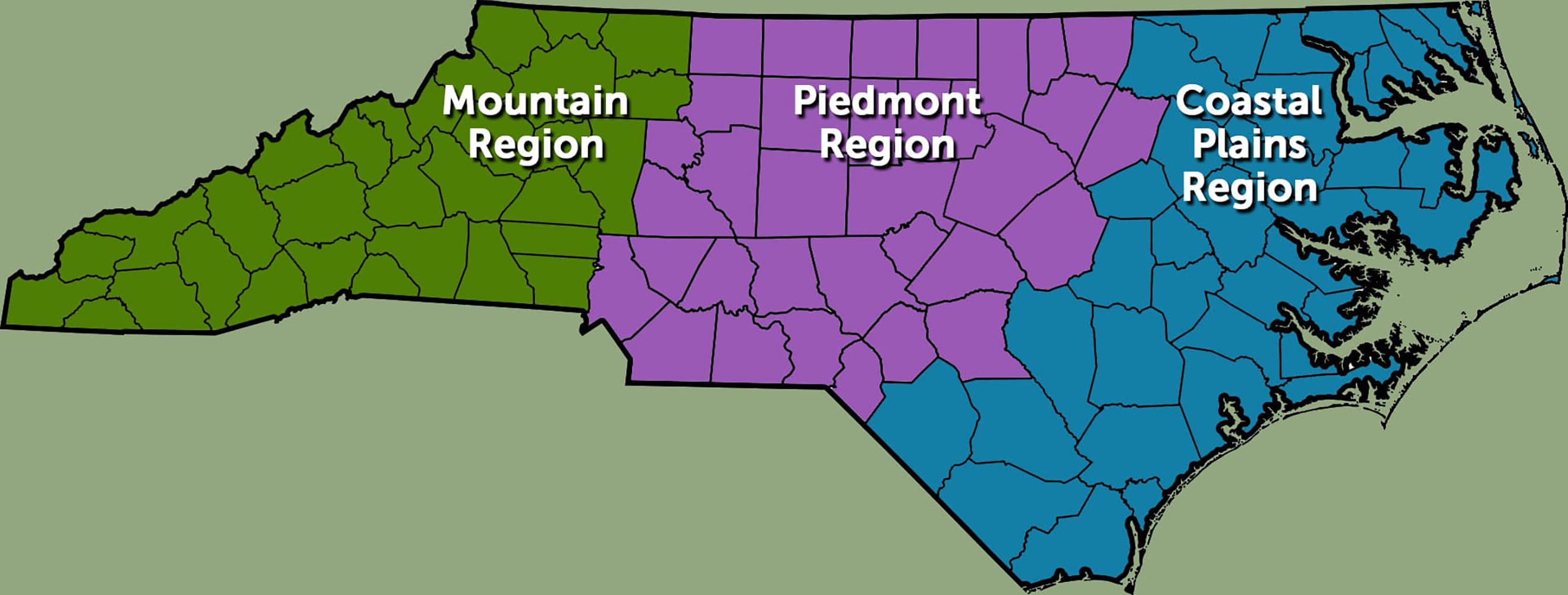
Silene virginica var. virginica: NC Region

Coastal
Mountains
Piedmont

Silene virginica var. virginica: USDA Plant Hardiness Zone

thermostat
4a
thermostat
4b
thermostat
5a
thermostat
5b
thermostat
6a
thermostat
6b
thermostat
7a
thermostat
7b
thermostat
8a
thermostat
8b

Silene virginica var. virginica: Soil Texture

Clay
High Organic Matter
Loam (Silt)
Sand
Shallow Rocky

Silene virginica var. virginica Stem

Silene virginica var. virginica: Stem Is Aromatic

No
Yes

Silene virginica var. virginica Landscape

Silene virginica var. virginica: Landscape Theme

Asian Garden
Butterfly Garden
Children's Garden
Cottage Garden
Cutting Garden
Drought Tolerant Garden
Edible Garden
English Garden
Fairy Garden
Garden for the Blind
Native Garden
Nighttime Garden
Pollinator Garden
Rain Garden
Rock Garden
Shade Garden
Water Garden
Winter Garden

Silene virginica var. virginica: Attracts

Bats
Bees
Butterflies
Frogs
Hummingbirds
Moths
Pollinators
Predatory Insects
Reptiles
Small Mammals
Songbirds
Specialized Bees