Sonchus: Country Or Region Of Origin
Eurasia and North Africa
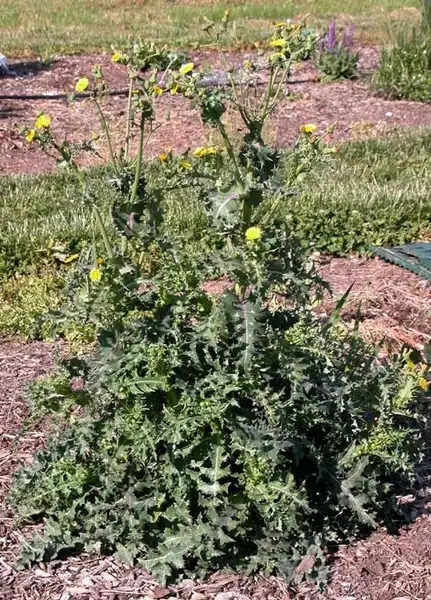
Phonetic Spelling:SON-chus
Genus:Sonchus
Species:oleraceus
Family:Asteraceae
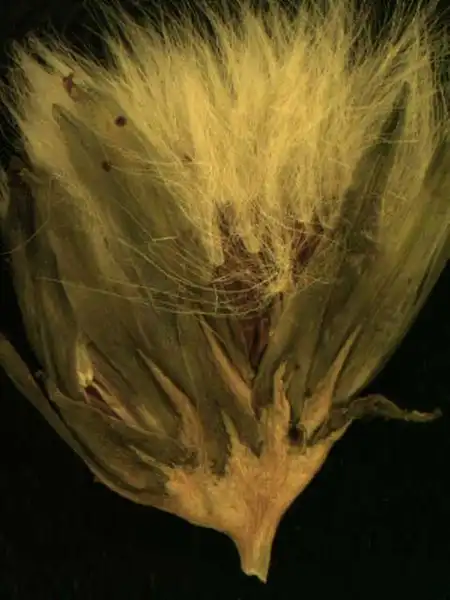
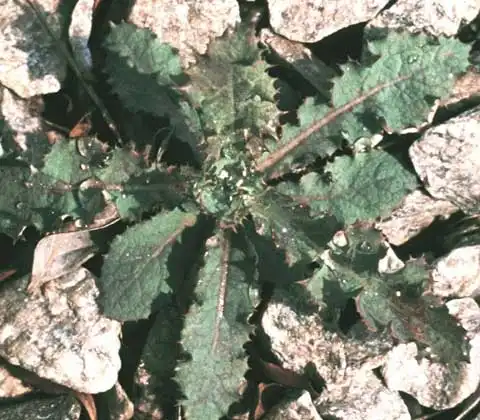
Sonchus oleraceus, commonly known as Sowthistle, is a type of annual herb that is recognized as both a winter and summer weed. This genus encompasses several species frequently found in nurseries and landscaped areas. While most species are annuals, there are a few that are perennial or even woody. The classification of these species can sometimes blur the lines between winter and summer annuals. Seeds typically germinate in either fall or spring, with their dispersal facilitated by wind or water. The resulting seedlings develop a rosette of glossy leaves that exhibit varying margins. One prevalent species, spiny sowthistle, features leaves with prickly edges. Unlike wild lettuce (Lactuca spp.), sowthistle does not have prickles along the mid-vein of its leaves. In warmer conditions, these plants can grow to heights of 3 to 4 feet, although they may also be shorter. Their flowers are a vibrant yellow, and their seedheads resemble those of dandelions, albeit on a smaller scale.
This plant reproduces by self-seeding, with seeds equipped with a pappus that enhances their dispersal by wind and water, allowing for aggressive spread. To prevent sowthistles from seeding in nurseries, it is crucial to manage their growth. The application of preemergence broadleaf herbicides that are approved for use can help control their spread. Additionally, mowing can effectively manage this plant, as it does not regenerate from root fragments.
**Insects, Diseases, and Other Plant Issues**
Sowthistles are often hosts for aphids, which can be both beneficial and detrimental. While aphids may transfer to other plants from sowthistle, the presence of sowthistle can also promote the proliferation of helpful predators like hoverflies. Thus, sowthistles serve as excellent sacrificial plants in the ecosystem.