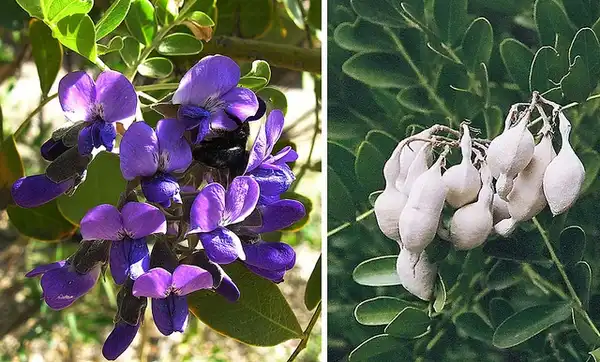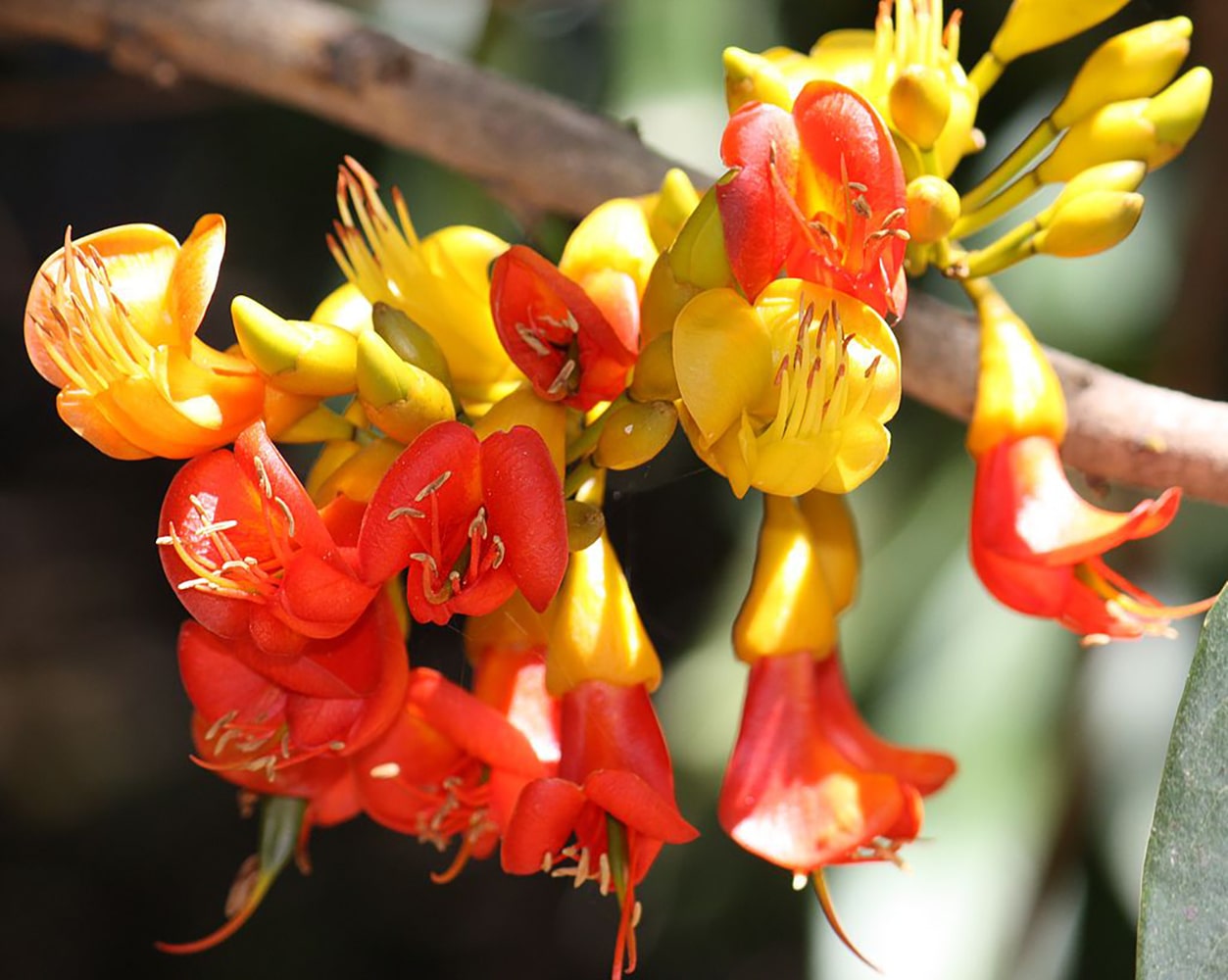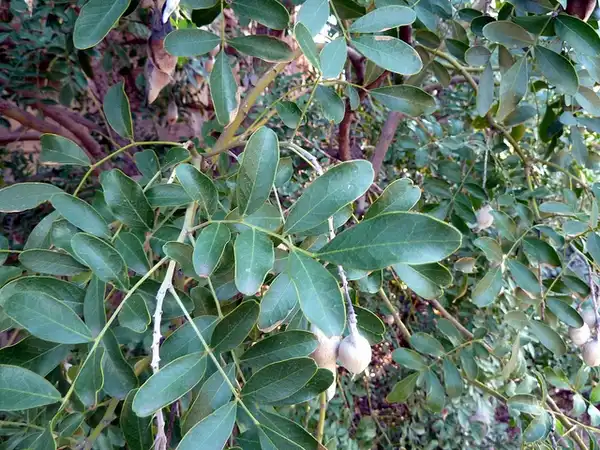
• Photo of Sophora secundiflora (Sophora secundifloras)

Plant Profile: Sophora secundiflora

Taxonomy: Sophora secundiflora

Names

Frijolillo, Mescal Bean, Mountain Laurel, Texas Mountain Laurel

  • Photo of Sophora secundiflora (Sophora secundifloras)

Phonetic Spelling:sah-FOR-uh seck-un-dih-FLOR-uh

Genus:Sophora

Species:secundiflora

Family:Fabaceae

Sophora secundiflora, commonly known as Mescal Bean, is an evergreen tree or shrub characterized by multiple trunks, capable of growing up to 32 feet tall, though it typically reaches a height of 10 to 15 feet at maturity. This plant is often found along stream banks, where it forms thickets or small groves in low, moist limestone soils. It thrives in well-drained, moist, or occasionally dry conditions and prefers full or partial sunlight, as it does not tolerate shade. While it is not cultivated in North Carolina, its seeds are imported for use in making necklaces.

This species is drought-resistant and favors rocky limestone environments. Like many plants that grow in such conditions, it has a slow growth rate. The flowers emit a fragrance similar to artificial grape flavoring. The striking, lacquer-red seeds contain the highly toxic alkaloid cytisine (also known as sophorine), which is related to nicotine and is often referenced as a narcotic and hallucinogen. Despite its common name, Mescal Bean is not related to the Agave plants used in the production of mezcal.

In terms of pests and diseases, there are no known issues affecting this plant.

Sophora secundiflora Feature Summary

Sophora secundiflora Image Gallery

Tags

#poisonous
#fragrant flowers
#drought tolerant
#ornamentals
#evergreen shrub
#evergreen tree

Similar Plants

Sophora secundiflora Feature Summary

Fruit
Woody pod with bright red, poisonous seeds.
Red/Burgundy
Flowers
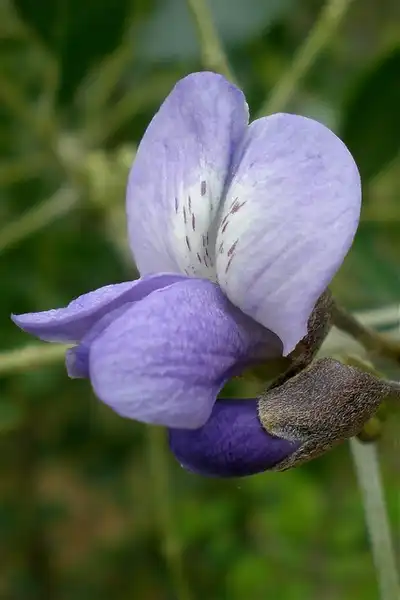
Pea-like violet-blue flowers. The flowers, in 3 to 7 inch drooping clusters, are very showy and fragrant.
Purple/Lavender
Blue
3-6 inches
Leaves
Pinnately divided with 7-9 leaflets, notched, silky below. The dense and glossy compound leaves are composed of 7 to 9 shiny, leathery leaflets that are rounded on the ends. The leaflets are up to 2 inches or more long, tapering more gradually to the base than to the tip, and arranged along an axis terminated by a single leaflet .
Compound (Pinnately , Bipinnately, Palmately)
1-3 inches
Glossy
Leathery
Poisonous to Humans
The seeds of this plant, which are often used in making necklaces, are mildly poisonous if eaten. The poisonous elements of this plant resemble nicotine in its actions and toxicity. If seeds are ingested, it can lead to vomiting, diarrhea, excitement, delirium, and coma.
Whole Plant Traits
Cultural Conditions
Full sun (6 or more hours of direct sunlight a day)
Partial Shade (Direct sunlight only part of the day, 2-6 hours)
Good Drainage
Moist
Occasionally Dry
7a
7b
8b
8a
9a
9b
10a
10b
Clay
Loam (Silt)
Sand
Shallow Rocky

Sophora secundiflora Attributes

Sophora secundiflora: Country Or Region Of Origin

Mexico and Southwestern USA
Sophora secundiflora: Particularly Resistant To (Insects/Diseases/Other Problems)

drought

Sophora secundiflora: Life Cycle

Annual
Biennial
Bulb
Perennial
Woody

Sophora secundiflora: Recommended Propagation Strategy

Division
Grafting
Layering
Leaf Cutting
Root Cutting
Seed
Stem Cutting

Sophora secundiflora Fruit

Sophora secundiflora: Fruit Description

Woody pod with bright red, poisonous seeds.

Sophora secundiflora: Fruit Type

Achene
Aggregate
Berry
Capsule
Caryopsis
Drupe
Follicle
Legume
Nut
Pome
Samara
Schizocarp
Siliqua

Sophora secundiflora: Fruit Color

grass
Red/Burgundy

Sophora secundiflora Flowers

Sophora secundiflora: Flower Description

Pea-like violet-blue flowers. The flowers, in 3 to 7 inch drooping clusters, are very showy and fragrant.

Sophora secundiflora: Flower Color

filter_vintage
Blue
filter_vintage
Purple/Lavender

Sophora secundiflora: Flower Inflorescence

Catkin
Corymb
Cyme
Head
Insignificant
Panicle
Raceme
Solitary
Spadix
Spike
Umbel

Sophora secundiflora: Flower Value To Gardener

Edible
Fragrant
Good Cut
Good Dried
Long Bloom Season
Long-lasting
Showy

Sophora secundiflora: Flower Bloom Time

Winter
Spring
Summer
Fall

Sophora secundiflora: Flower Size

1-3 inches
3-6 inches
< 1 inch
> 6 inches

Sophora secundiflora Leaves

Sophora secundiflora: Leaf Description

Pinnately divided with 7-9 leaflets, notched, silky below. The dense and glossy compound leaves are composed of 7 to 9 shiny, leathery leaflets that are rounded on the ends. The leaflets are up to 2 inches or more long, tapering more gradually to the base than to the tip, and arranged along an axis terminated by a single leaflet .

Sophora secundiflora: Woody Plant Leaf Characteristics

Broadleaf Evergreen
Deciduous
Needled Evergreen
Semi-evergreen

Sophora secundiflora: Leaf Color

spa
Green

Sophora secundiflora: Leaf Type

Compound (Pinnately , Bipinnately, Palmately)
Fronds
Needles
Sheath
Simple

Sophora secundiflora: Leaf Arrangement

Alternate
Opposite
Other/more complex
Rosulate
Whorled

Sophora secundiflora: Leaf Margin

Crenate
Crenulate
Dentate
Denticulate
Doubly Crenate
Doubly Dentate
Doubly Serrate
Entire
Lobed
Serrate
Sinuate
Undulate

Sophora secundiflora: Hairs Present

No
Yes

Sophora secundiflora: Leaf Length

< 1 inch
1-3 inches
3-6 inches
> 6 inches

Sophora secundiflora: Leaf Feel

Fleshy
Glossy
Leathery
Papery
Prickly
Rough
Rubbery
Slippery
Smooth
Soft
Velvety
Waxy

Sophora secundiflora Poisonous to Humans

Sophora secundiflora: Poison Symptoms

The seeds of this plant, which are often used in making necklaces, are mildly poisonous if eaten. The poisonous elements of this plant resemble nicotine in its actions and toxicity. If seeds are ingested, it can lead to vomiting, diarrhea, excitement, delirium, and coma.

Sophora secundiflora: Poison Toxic Principle

Alkaloids

Sophora secundiflora: Poison Severity

High
Low
Medium

Sophora secundiflora: Causes Contact Dermatitis

No
Yes

Sophora secundiflora: Poison Part

Bark
Flowers
Fruits
Leaves
Roots
Sap/Juice
Seeds
Stems

Sophora secundiflora Whole Plant Traits

Sophora secundiflora: Plant Type

Annual
Bulb
Carnivorous
Edible
Epiphyte
Fern
Ground Cover
Herb
Herbaceous Perennial
Houseplant
Mushroom
Native Plant
Ornamental Grasses and Sedges
Perennial
Poisonous
Rose
Shrub
Succulent
Tree
Turfgrass
Vegetable
Vine
Water Plant
Weed
Wildflower

Sophora secundiflora: Woody Plant Leaf Characteristics

Broadleaf Evergreen
Deciduous
Needled Evergreen
Semi-evergreen

Sophora secundiflora: Habit/Form

Arching
Ascending
Broad
Cascading
Climbing
Clumping
Columnar
Conical
Creeping
Dense
Erect
Horizontal
Irregular
Mounding
Multi-stemmed
Multi-trunked
Open
Oval
Prostrate
Pyramidal
Rounded
Spreading
Vase
Weeping

Sophora secundiflora: Growth Rate

Slow
Medium
Rapid

Sophora secundiflora Cultural Conditions

Sophora secundiflora: Light

Dappled Sunlight (Shade through upper canopy all day)
Deep shade (Less than 2 hours to no direct sunlight)
Full sun (6 or more hours of direct sunlight a day)
Partial Shade (Direct sunlight only part of the day, 2-6 hours)

Sophora secundiflora: Soil Drainage

Frequent Standing Water
Good Drainage
Moist
Occasional Flooding
Occasionally Dry
Occasionally Wet
Very Dry

Sophora secundiflora: USDA Plant Hardiness Zone

thermostat
10a
thermostat
10b
thermostat
7a
thermostat
7b
thermostat
8a
thermostat
8b
thermostat
9a
thermostat
9b

Sophora secundiflora: Soil Texture

Clay
High Organic Matter
Loam (Silt)
Sand
Shallow Rocky

Sophora secundiflora Stem

Sophora secundiflora: Stem Is Aromatic

No
Yes

Sophora secundiflora Landscape

Sophora secundiflora: Resistance To Challenges

Black Walnut
Compaction
Deer
Diseases
Drought
Dry Soil
Erosion
Fire
Foot Traffic
Heat
Heavy Shade
Humidity
Insect Pests
Pollution
Poor Soil
Rabbits
Salt
Slugs
Squirrels
Storm damage
Urban Conditions
Voles
Wet Soil
Wind