Sorbus alnifolia: Country Or Region Of Origin
Temperate Asia
Phonetic Spelling:SOR-bus al-nih-FOH-lee-ah
Genus:Sorbus
Species:alnifolia
Family:Rosaceae
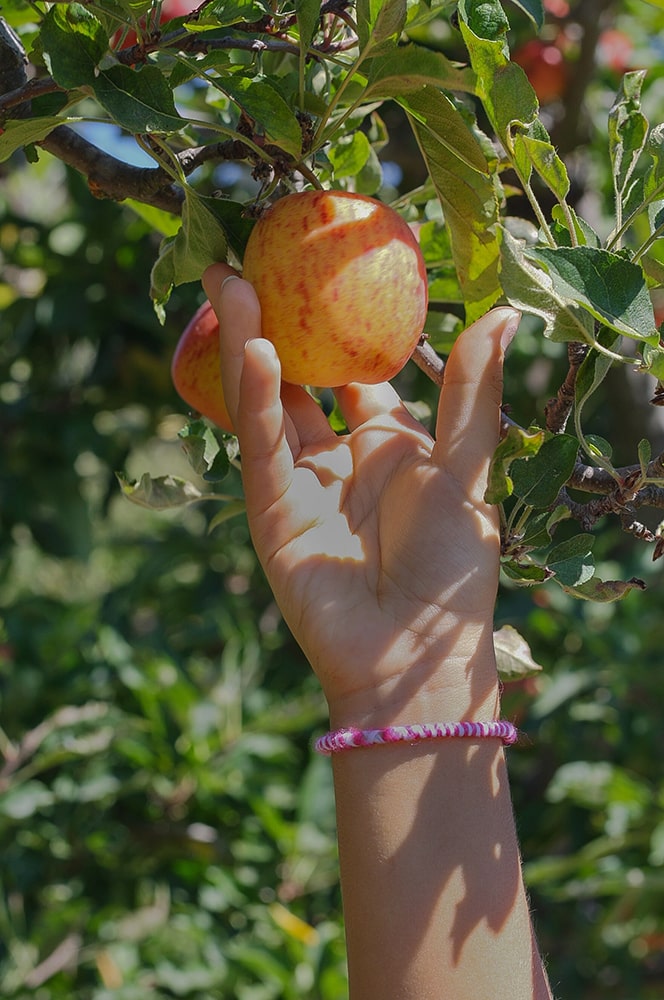
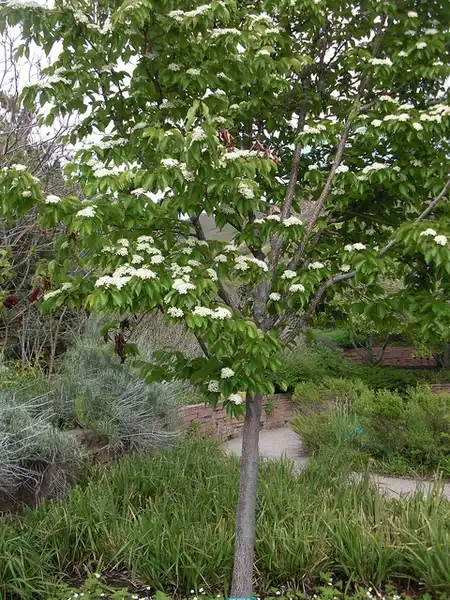
Sorbus alnifolia, commonly known as Mountain Ash, is a flowering tree that exhibits moderate to rapid growth. Initially, it has a pyramid shape, but as it matures, it develops a more rounded form. This tree thrives in moist, acidic, and well-drained soils, preferring full sunlight. Native to Asia, it flourishes in cooler climates and struggles in the hot, humid summers found south of USDA Zone 7. While it typically requires minimal pruning, if you choose to prune, it's best to do so between late fall and early spring. Compared to other species in the Sorbus genus, it shows greater resistance to pests and diseases, although it is not suitable for urban environments due to its sensitivity to air pollution. While it can withstand strong winds, it does not fare well in maritime conditions. On a positive note, it is relatively easy to transplant.
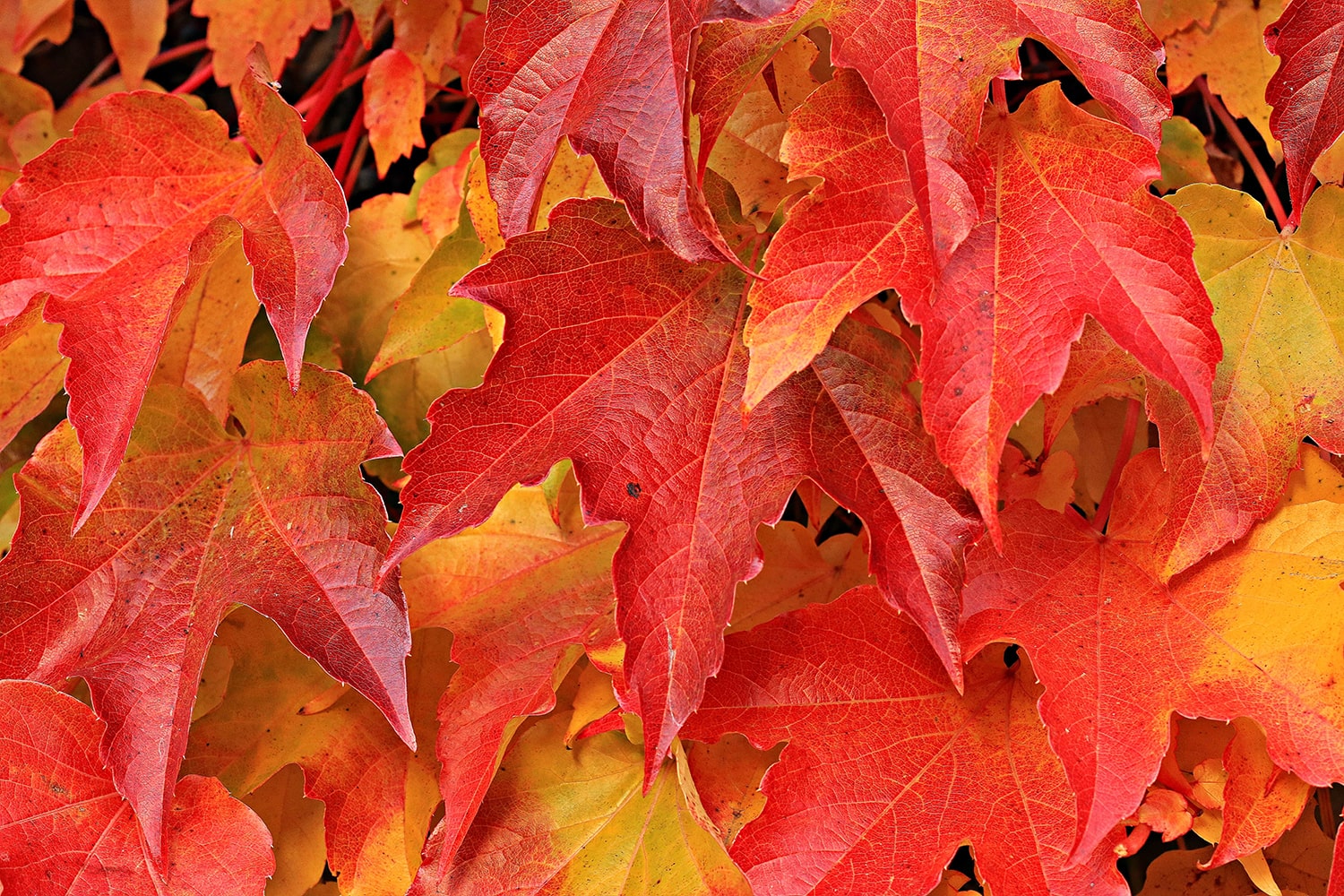
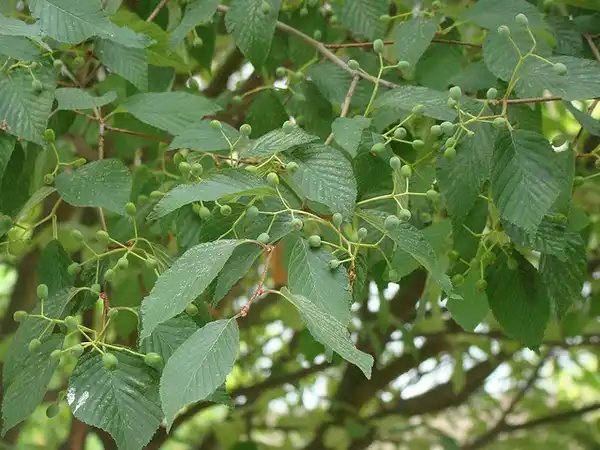
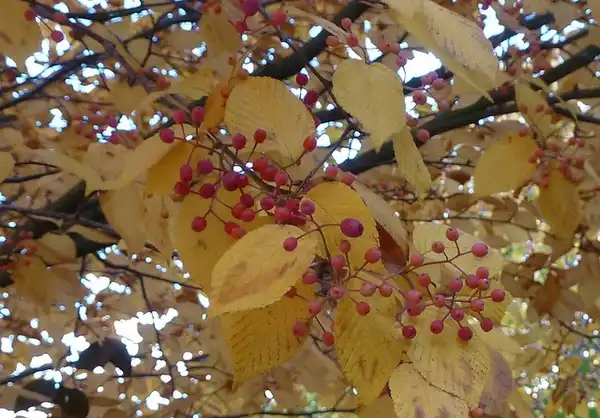
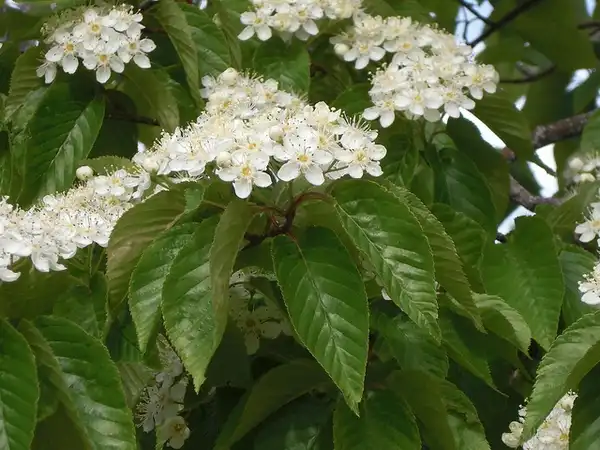
Mountain Ash is celebrated for its appealing shape, clusters of creamy white flowers, simple, beach-like foliage, vibrant red berries in the fall, and striking autumn colors, which can include brilliant golden-orange hues.
In terms of pests and diseases, Mountain Ash is recognized for its resistance to borers that typically affect other mountain ash species, making it one of the most desirable varieties due to its resilience and aesthetic appeal. However, it can be vulnerable to bacterial fireblight, which leads to scorched leaves at the tips of branches. Scab can also result in considerable leaf loss. Other potential issues include cankers, crown gall, powdery mildew, and rust. Insects such as aphids, sawflies, and scale may visit the tree, and trees under stress are generally more prone to attacks from cankers and borers.
Sorbus alnifolia Feature Summary
Sorbus alnifolia Image Gallery