Sparaxis: Country Or Region Of Origin
South Africa
Phonetic Spelling:spa-RAKS-iss
Genus:Sparaxis
Species:
Family:Iridaceae
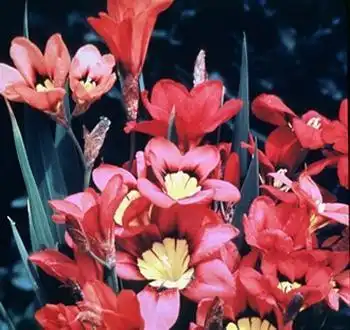
Sparaxis, commonly referred to as the Harlequin Flower, is a genus of perennial bulbs that bloom in the summer and comprises 15 distinct species. These plants are typically found in their natural habitat on sandy or rocky slopes at lower elevations, as well as in moist sandy or limestone flats. Sparaxis is characterized as a corm-forming plant, generally reaching heights of up to 2 feet and widths of about 8 inches. All species within this genus are sensitive to frost (classified as Tender III) and may suffer damage if temperatures fall below 25 degrees Fahrenheit. They thrive during the wet winter months, produce flowers in the spring, and remain dormant underground as corms throughout the summer. For optimal growth, it is advisable to plant them against a south-facing wall and apply mulch during colder periods. Sparaxis typically blooms from April to May and relies on insects for pollination.
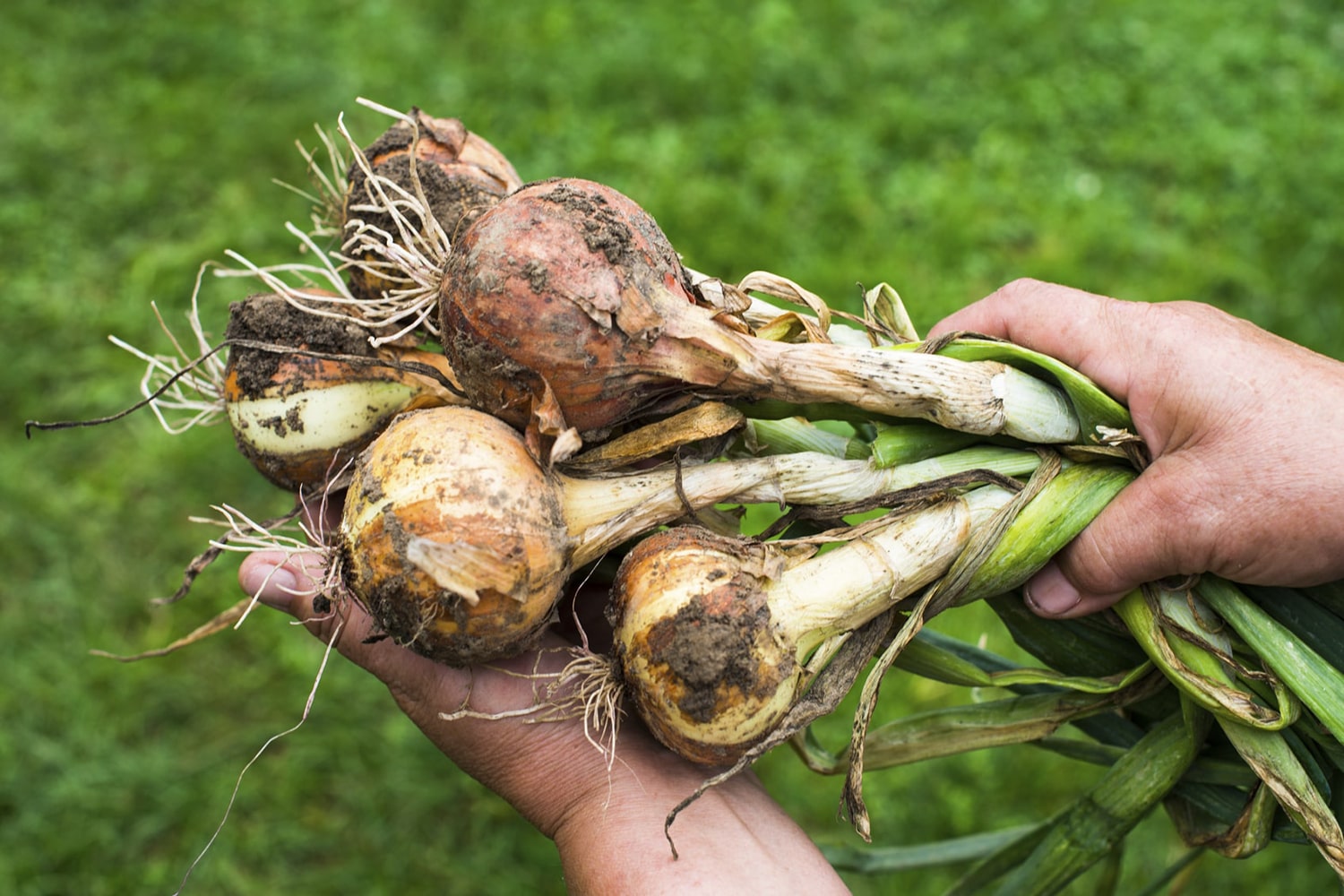
While these plants can adapt to sandy soils, they thrive best in nutrient-rich environments and can tolerate well-drained, moist, or even dry conditions. They require full afternoon sun and flourish in hot, sunny locations, but they do not perform well in shaded areas. When planting, bulbs should be placed at a depth of 5 inches, spaced 2 to 3 inches apart. To propagate from bulbs, it is essential to keep the corms dry after flowering. Once the foliage has died back, the corms should be lifted, stored in a dry environment at temperatures between 68 and 77 degrees Fahrenheit, and replanted in the fall. If starting from seeds, they should be sown thinly indoors in early spring using a light potting mix. Germination typically occurs within six weeks, but seedlings are prone to damping off, so adequate ventilation is crucial. Small bulbs can be divided once the plants enter dormancy at the end of their first growing season, and they should be nurtured indoors for at least another year before being moved outside. Sparaxis often blooms in the second year when grown from seed.
In terms of pests and diseases, there are currently no known issues affecting these plants.