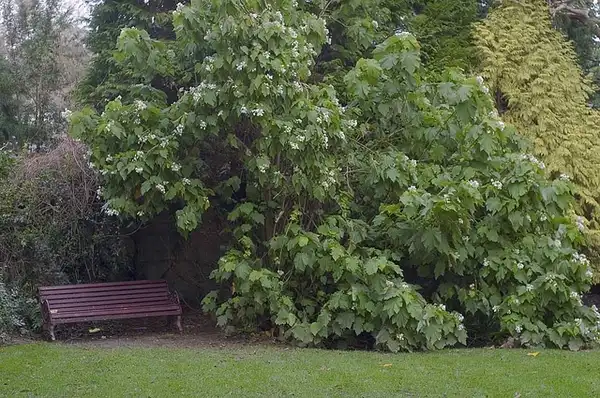
Sparmannia africana: Country Or Region Of Origin
South Africa
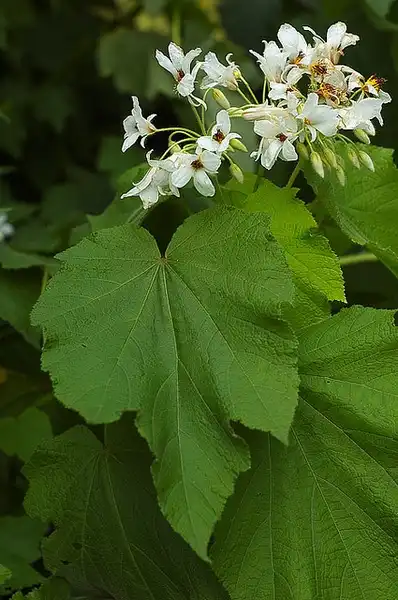
Phonetic Spelling:spar-MAHN-nee-uh af-ri-KAHN-uh
Genus:Sparmannia
Species:africana
Family:Malvaceae
Sparmannia africana, commonly referred to as African Hemp, is a flowering evergreen shrub or small tree indigenous to Africa's open woodlands, often cultivated as a houseplant. This species exhibits a bushy form with soft wood and a rounded growth habit. Its branches are pliable, and the younger shoots are adorned with stiff, bristly hairs. While it can be used as a cultivated ornamental in gardens, it is important to note that it does not thrive in temperatures below 45 degrees Fahrenheit. It can reach heights of up to 20 feet and is not related to true hemp.
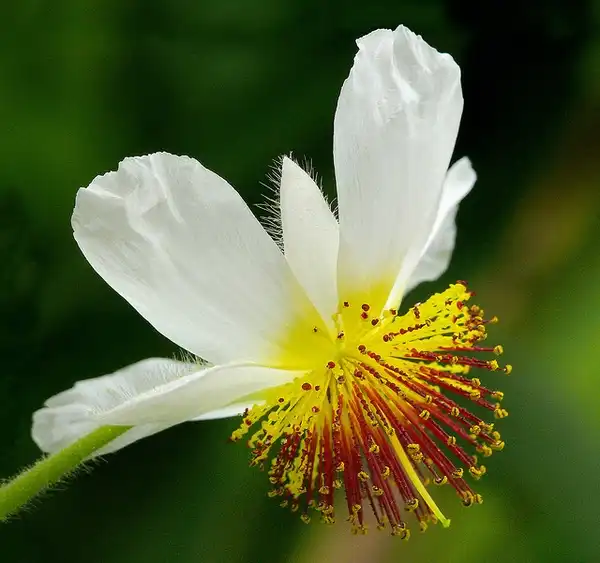
One of the key features of this flowering shrub is its striking bicolored stamens. Sparmannia species are particularly noted for the quick movements of their stamens when disturbed. When an insect or a finger brushes against the flower, the cluster of stamens expands dramatically, resembling a hairy caterpillar inflating itself in defense. This unique adaptation enhances pollination efficiency.
To cultivate Sparmannia africana, choose a location with partial shade. Although it can tolerate full sun, it thrives better with some shade. The plant prefers well-drained, nutrient-rich, and compost-enriched soil. When planting, incorporate compost and apply a generous layer of mulch at least once a year. It benefits from good air circulation and should be protected from strong winds and frost. Regular watering is essential, and pruning is necessary to maintain its shape; without pruning, the plant may become leggy. It is advisable to prune it back significantly each spring to promote a dense, bushy appearance. Sparmannia africana can also thrive in pots and can be grown indoors, where it requires bright light but should be shielded from direct sunlight. During the summer, ensure it is well-watered and consider feeding or repotting annually with fresh compost.
In terms of pests, diseases, and other issues, yellowing leaves may indicate drought stress, while excessive moisture can lead to rapid leaf rot. Ensuring good air circulation can help minimize fungal attacks on the foliage.
Sparmannia species are recognized for their haptonasty, which refers to the rapid movement of stamens upon contact, further aiding in pollination. Additionally, the hairs on the leaves can be mildly toxic, posing a low risk of skin irritation upon contact. Although the specific toxin remains unidentified, any resulting irritation typically subsides within a few minutes.
Sparmannia africana Feature Summary
Sparmannia africana Image Gallery