Plant Profile: Stachys tenuifolia

Taxonomy: Stachys tenuifolia

Names

Slender Betony, Smooth Hedge-nettle

  • Photo of Stachys tenuifolia (Stachys tenuifolias)

Phonetic Spelling:STAH-kees ten-yoo-ih-FOH-lee-uh

Genus:Stachys

Species:tenuifolia

Family:Lamiaceae

Stachys tenuifolia, commonly known as Smooth Hedge-nettle, is a perennial herbaceous plant belonging to the mint family. Its root system comprises a taproot along with rhizomes, allowing it to form vegetative colonies similar to other mint family members.

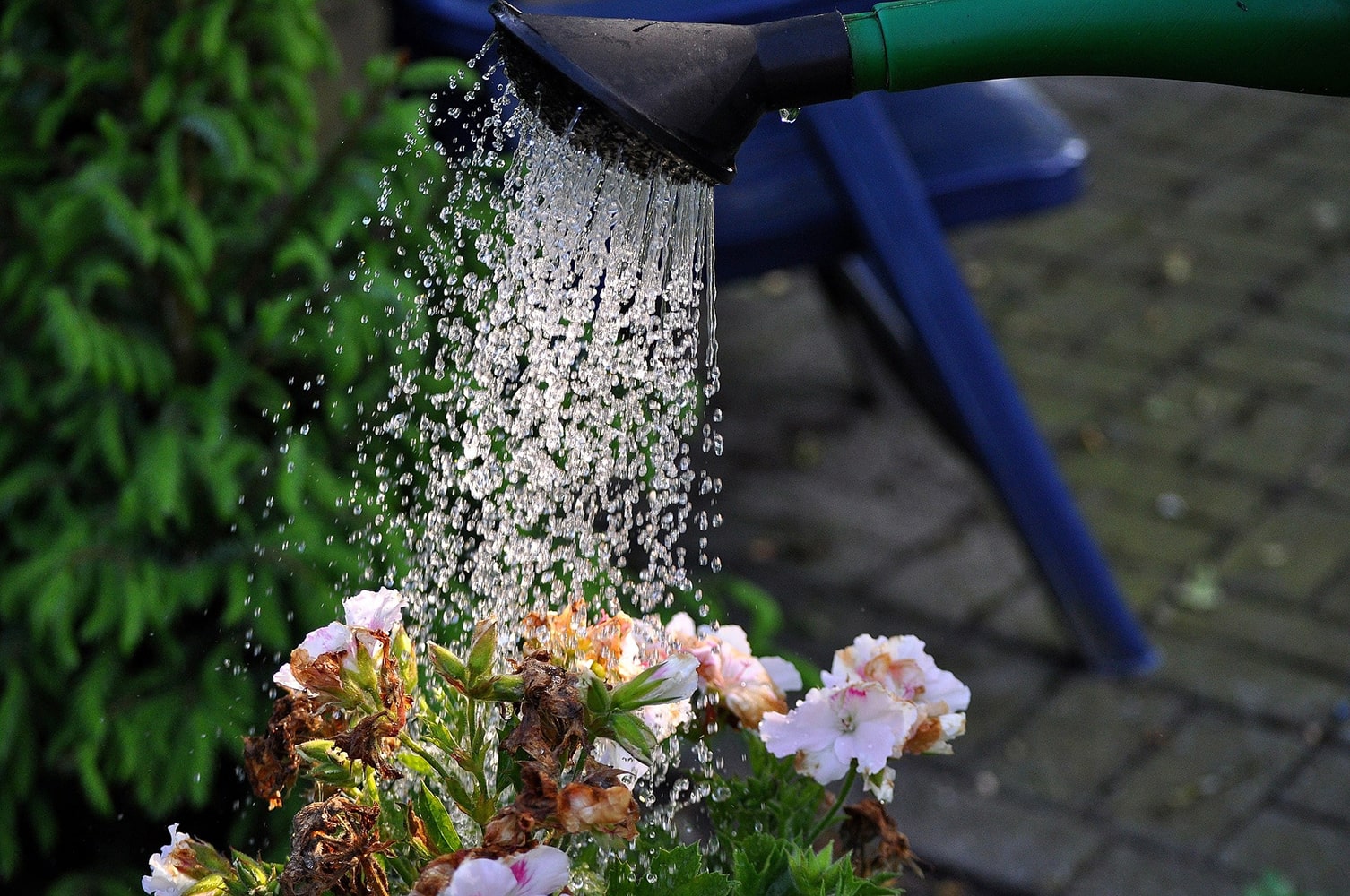
This plant thrives in partial sunlight and moist environments, but it can also adapt to light shade and full sun exposure. The soil should be rich in organic matter to help retain moisture. If the plant experiences drought, its leaves may begin to yellow or brown, potentially leading to the plant's demise. It is typically found in low-lying woodlands and along shorelines.

While Smooth Hedge-nettle does produce seeds, it primarily propagates through its rhizomes and tubers. Small pieces of rhizome can develop into new plants, or tubers can be relocated to different areas.

In terms of pests and diseases, this plant is notably resilient, with no significant issues reported.

Stachys tenuifolia Feature Summary

Stachys tenuifolia Image Gallery

Tags

#showy flowers
#perennial
#tuberous
#NC native
#rhizomes
#wildflower garden

Similar Plants

Stachys tenuifolia Feature Summary

Attributes
Eastern Canada, Central & Eastern U.S.A
long-tongued bees pollinate the flowers
Perennial
Fruit
Each flower is replaced by 4 black nutlets that are oblong in shape.
Flowers
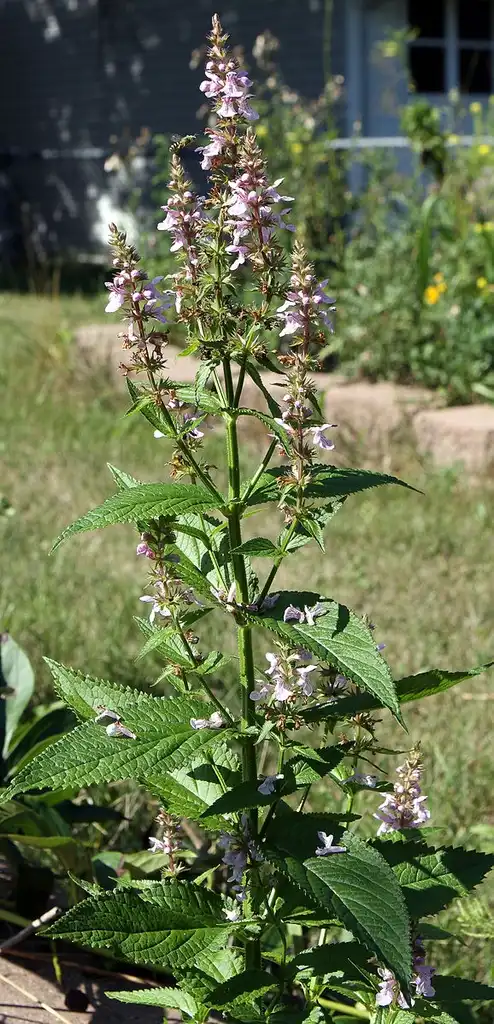
The central stem terminates in a inflorescence that has whorls of flowers at intervals along its length. This inflorescence can vary from 2 to 8 inches in length. The tubular corolla of each flower is about 1/3 inch long and divided into 2 lips. The hairy upper lip functions as a protective hood, while the lower lip is divided into 3 lobes (a central lobe and two smaller side lobes), which functions as a landing pad for visiting insects. The flowers are light pink or white, often with rosy pink splotches within the throat. The green calyx is hairless and at least half as long as the tube of the corolla (not including the lips). It is divided into 5 triangular segments that curl outward as the ovaries mature. The blooming period occurs during the summer and lasts about 1-2 months.
Pink
White
Tubular
Lipped
> 6 inches
Leaves
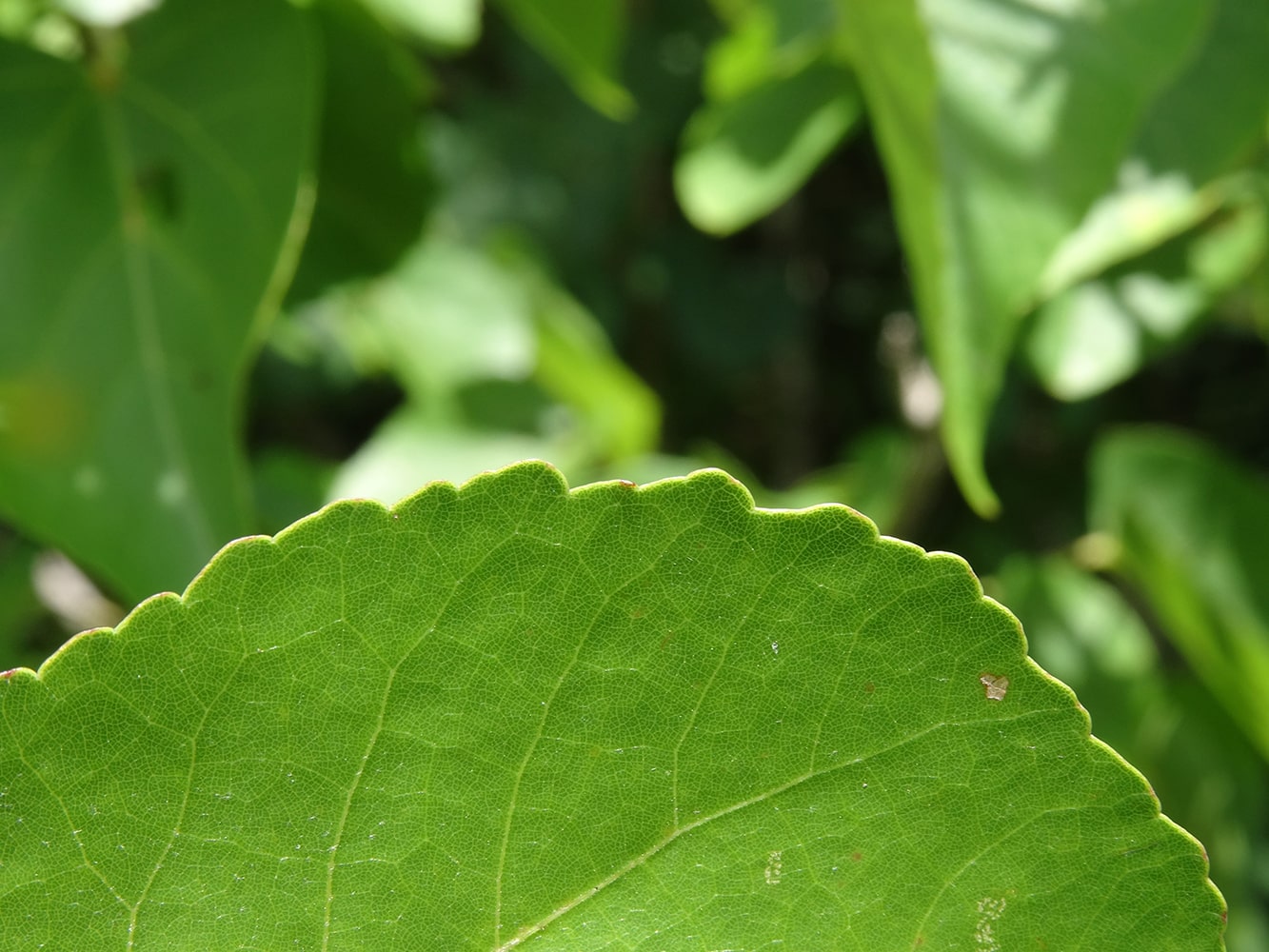
The leaves are up to 3½ inches long and 1 inch across. The petioles of the lower leaves are about ¼ inch or slightly longer, while the upper leaves have shorter petioles or are sessile. Both the upper and lower surfaces of the leaves are hairless or nearly so – if hairs are present, they are most likely to occur along the lower mid-vein of the leaves.
Ovate
Lanceolate
Serrate
Crenate
3-6 inches
< 1 inch
Stem
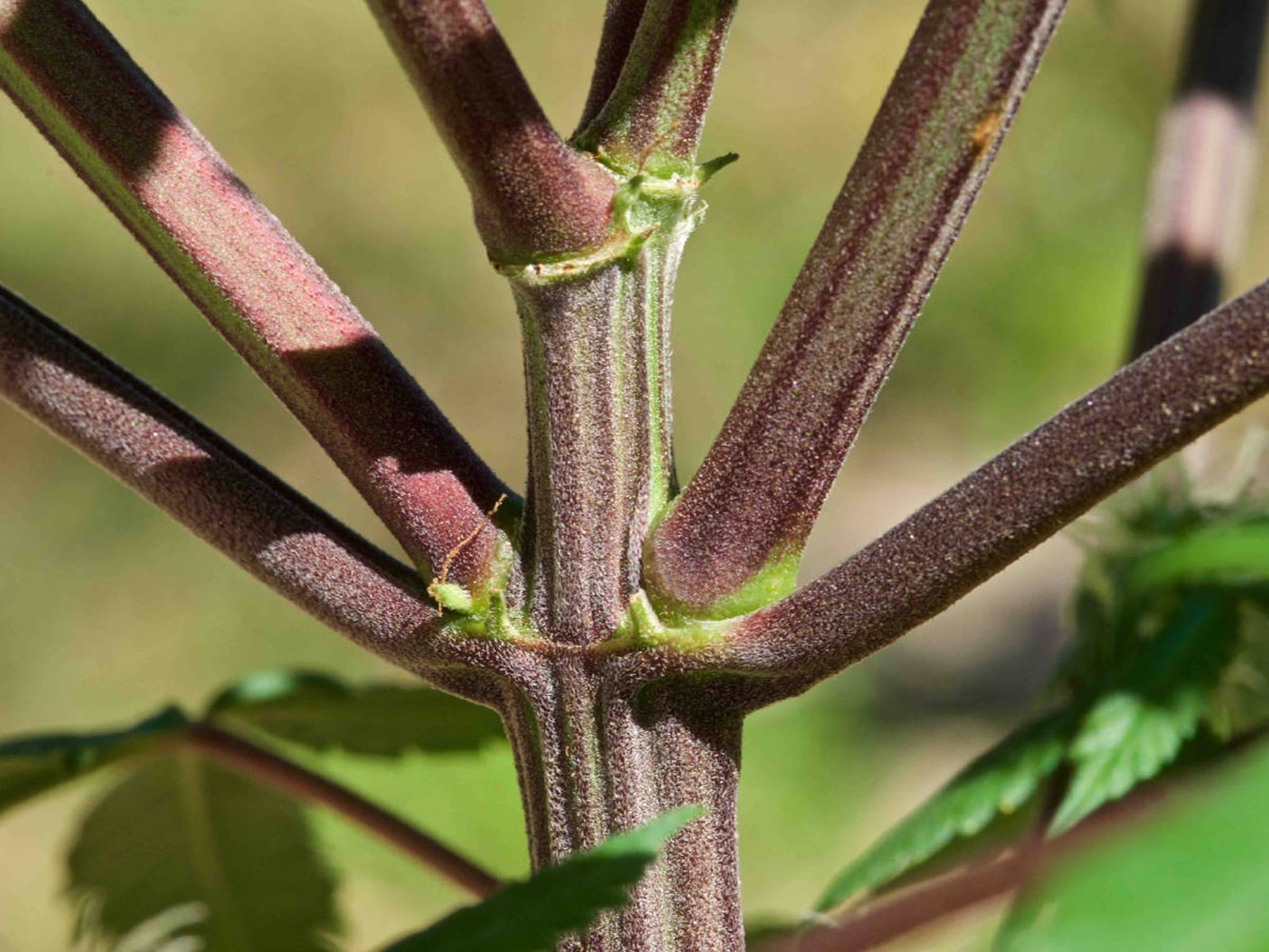
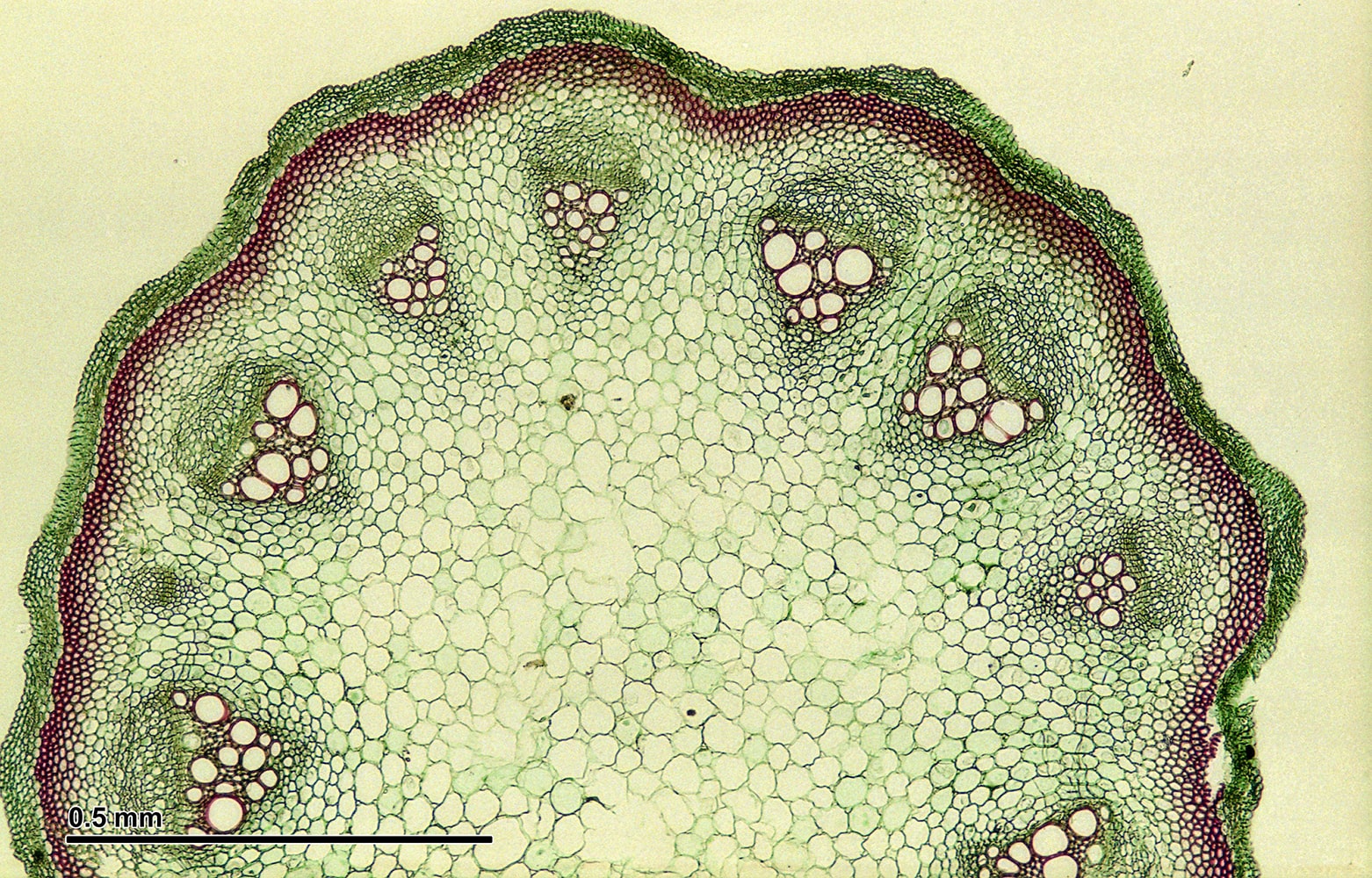
The central stem is square, usually with scattered hairs along the ridges, but not the sides.
Hairy (pubescent)
Whole Plant Traits
Native Plant
Wildflower
Cultural Conditions
Full sun (6 or more hours of direct sunlight a day)
Deep shade (Less than 2 hours to no direct sunlight)
Moist
Occasionally Wet
Coastal
Mountains
Piedmont
Clay
High Organic Matter
Loam (Silt)
Sand
Landscape
Mass Planting

Stachys tenuifolia Attributes

Stachys tenuifolia: Country Or Region Of Origin

Eastern Canada, Central & Eastern U.S.A
Stachys tenuifolia: Wildlife Value

long-tongued bees pollinate the flowers

Stachys tenuifolia: Life Cycle

Annual
Biennial
Bulb
Perennial
Woody

Stachys tenuifolia: Recommended Propagation Strategy

Division
Grafting
Layering
Leaf Cutting
Root Cutting
Seed
Stem Cutting

Stachys tenuifolia Fruit

Stachys tenuifolia: Fruit Description

Each flower is replaced by 4 black nutlets that are oblong in shape.

Stachys tenuifolia: Fruit Type

Achene
Aggregate
Berry
Capsule
Caryopsis
Drupe
Follicle
Legume
Nut
Pome
Samara
Schizocarp
Siliqua

Stachys tenuifolia: Fruit Color

grass
Black

Stachys tenuifolia: Display/Harvest Time

Fall
Spring
Summer
Winter

Stachys tenuifolia Flowers

Stachys tenuifolia: Flower Description

The central stem terminates in a inflorescence that has whorls of flowers at intervals along its length. This inflorescence can vary from 2 to 8 inches in length. The tubular corolla of each flower is about 1/3 inch long and divided into 2 lips. The hairy upper lip functions as a protective hood, while the lower lip is divided into 3 lobes (a central lobe and two smaller side lobes), which functions as a landing pad for visiting insects. The flowers are light pink or white, often with rosy pink splotches within the throat. The green calyx is hairless and at least half as long as the tube of the corolla (not including the lips). It is divided into 5 triangular segments that curl outward as the ovaries mature. The blooming period occurs during the summer and lasts about 1-2 months.

Stachys tenuifolia: Flower Color

filter_vintage
Pink
filter_vintage
White

Stachys tenuifolia: Flower Inflorescence

Catkin
Corymb
Cyme
Head
Insignificant
Panicle
Raceme
Solitary
Spadix
Spike
Umbel

Stachys tenuifolia: Flower Bloom Time

Winter
Spring
Summer
Fall

Stachys tenuifolia: Flower Shape

Bell
Cross
Crown
Cup
Dome
Funnel
Irregular
Lipped
Radial
Saucer
Star
Trumpet
Tubular
Urn
Wheel

Stachys tenuifolia: Flower Size

1-3 inches
3-6 inches
< 1 inch
> 6 inches

Stachys tenuifolia Leaves

Stachys tenuifolia: Leaf Description

The leaves are up to 3½ inches long and 1 inch across. The petioles of the lower leaves are about ¼ inch or slightly longer, while the upper leaves have shorter petioles or are sessile. Both the upper and lower surfaces of the leaves are hairless or nearly so – if hairs are present, they are most likely to occur along the lower mid-vein of the leaves.

Stachys tenuifolia: Leaf Color

spa
Green

Stachys tenuifolia: Leaf Arrangement

Alternate
Opposite
Other/more complex
Rosulate
Whorled

Stachys tenuifolia: Leaf Shape

Acicular
Auriculate
Cordate
Cuneate
Deltoid
Elliptical
Filiform
Lanceolate
Linear
Oblanceolate
Oblong
Obovate
Obtuse
Orbicular
Ovate
Palmasect
Palmatifid
Peltate
Pinnatifid
Pinnatisect
Reniform
Rhomboidal
Spatulate
Subcordate
Subulate

Stachys tenuifolia: Leaf Margin

Crenate
Crenulate
Dentate
Denticulate
Doubly Crenate
Doubly Dentate
Doubly Serrate
Entire
Lobed
Serrate
Sinuate
Undulate

Stachys tenuifolia: Hairs Present

No
Yes

Stachys tenuifolia: Leaf Length

< 1 inch
1-3 inches
3-6 inches
> 6 inches

Stachys tenuifolia: Leaf Feel

Fleshy
Glossy
Leathery
Papery
Prickly
Rough
Rubbery
Slippery
Smooth
Soft
Velvety
Waxy

Stachys tenuifolia: Leaf Width

< 1 inch
1-3 inches
3-6 inches
> 6 inches

Stachys tenuifolia Stem

Stachys tenuifolia: Stem Description

The central stem is square, usually with scattered hairs along the ridges, but not the sides.

Stachys tenuifolia: Stem Is Aromatic

No
Yes

Stachys tenuifolia: Stem Cross Section

Angular
Oval
Round
Square

Stachys tenuifolia: Stem Surface

Corky Ridges
Covered with a powdery bloom (glaucous)
Dull
Hairy (pubescent)
Polished
Smooth (glabrous)

Stachys tenuifolia Whole Plant Traits

Stachys tenuifolia: Plant Type

Annual
Bulb
Carnivorous
Edible
Epiphyte
Fern
Ground Cover
Herb
Herbaceous Perennial
Houseplant
Mushroom
Native Plant
Ornamental Grasses and Sedges
Perennial
Poisonous
Rose
Shrub
Succulent
Tree
Turfgrass
Vegetable
Vine
Water Plant
Weed
Wildflower

Stachys tenuifolia: Habit/Form

Arching
Ascending
Broad
Cascading
Climbing
Clumping
Columnar
Conical
Creeping
Dense
Erect
Horizontal
Irregular
Mounding
Multi-stemmed
Multi-trunked
Open
Oval
Prostrate
Pyramidal
Rounded
Spreading
Vase
Weeping

Stachys tenuifolia: Growth Rate

Slow
Medium
Rapid

Stachys tenuifolia: Maintenance

Low
Medium
High

Stachys tenuifolia Cultural Conditions

Stachys tenuifolia: Light

Dappled Sunlight (Shade through upper canopy all day)
Deep shade (Less than 2 hours to no direct sunlight)
Full sun (6 or more hours of direct sunlight a day)
Partial Shade (Direct sunlight only part of the day, 2-6 hours)

Stachys tenuifolia: Soil Drainage

Frequent Standing Water
Good Drainage
Moist
Occasional Flooding
Occasionally Dry
Occasionally Wet
Very Dry

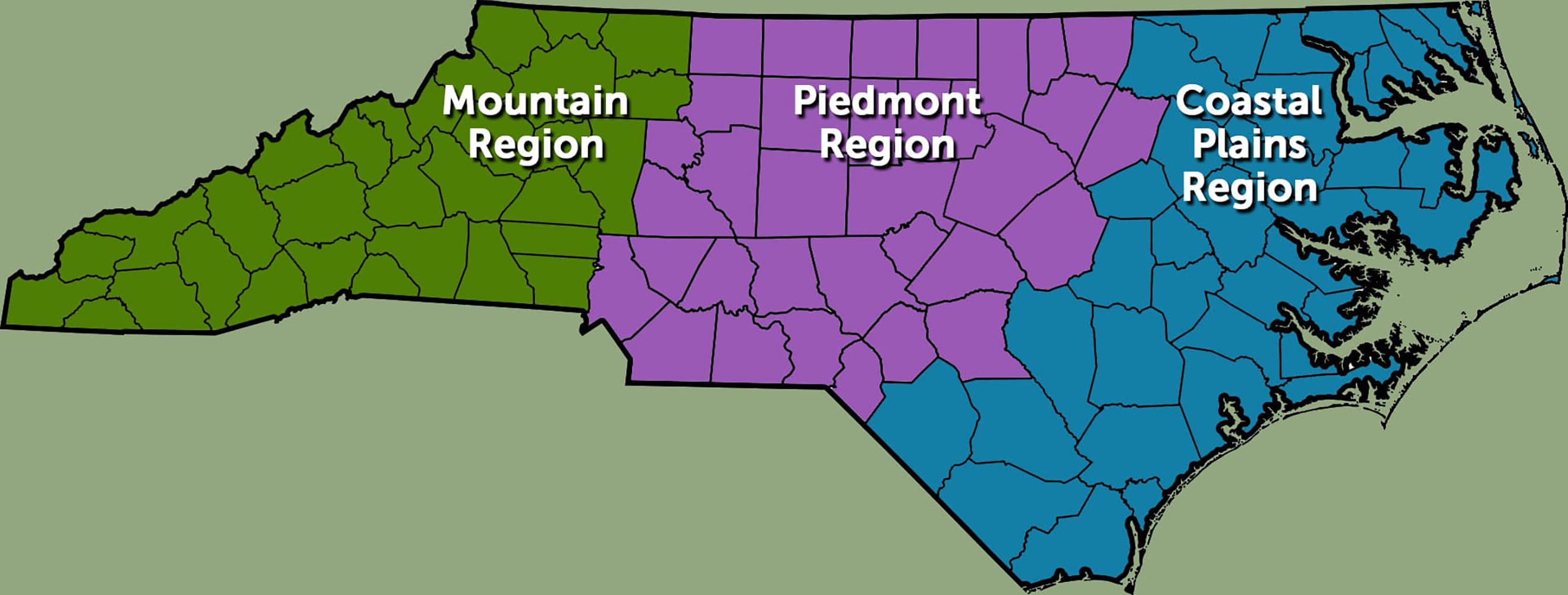
Stachys tenuifolia: NC Region

Coastal
Mountains
Piedmont

Stachys tenuifolia: Soil Texture

Clay
High Organic Matter
Loam (Silt)
Sand
Shallow Rocky

Stachys tenuifolia Landscape

Stachys tenuifolia: Design Feature

Accent
Barrier
Border
Flowering Tree
Foundation Planting
Hedge
Mass Planting
Screen/Privacy
Security
Shade Tree
Small groups
Small Tree
Specimen
Street Tree
Understory Tree

Stachys tenuifolia: Attracts

Bats
Bees
Butterflies
Frogs
Hummingbirds
Moths
Pollinators
Predatory Insects
Reptiles
Small Mammals
Songbirds
Specialized Bees