Staphylea trifolia: Uses (Ethnobotany)
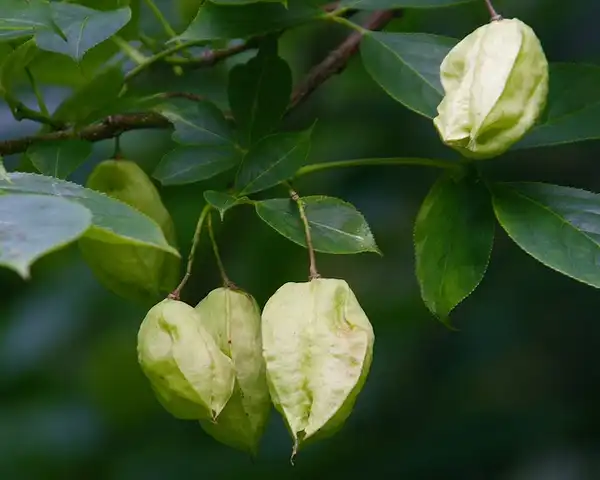
Seed capsules used in dried flower arrangements. Attractive native flowering shrub.
Phonetic Spelling:staf-FY-lee-a try-FOH-lee-a
Genus:Staphylea
Species:trifolia
Family:Staphyleaceae
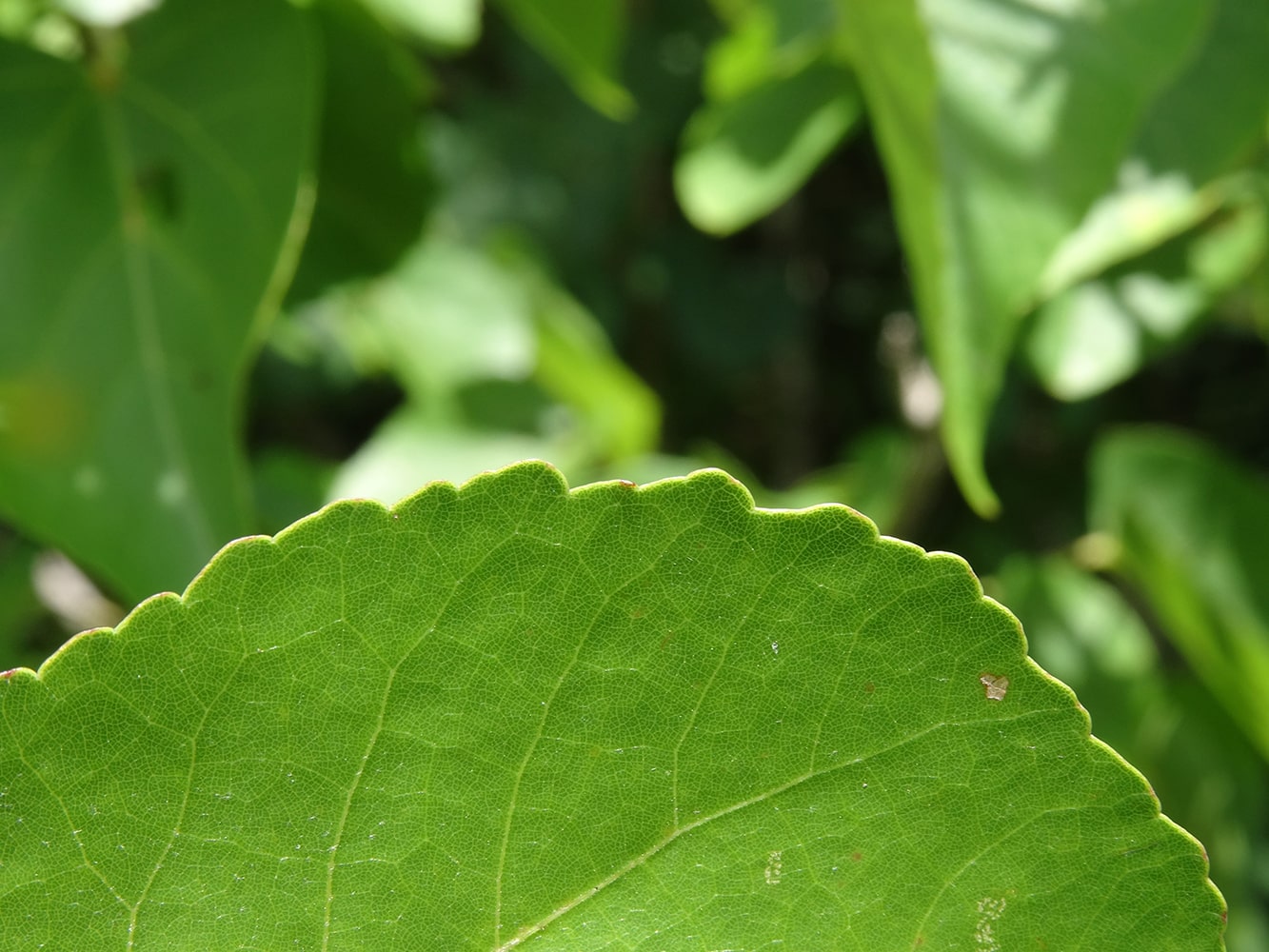
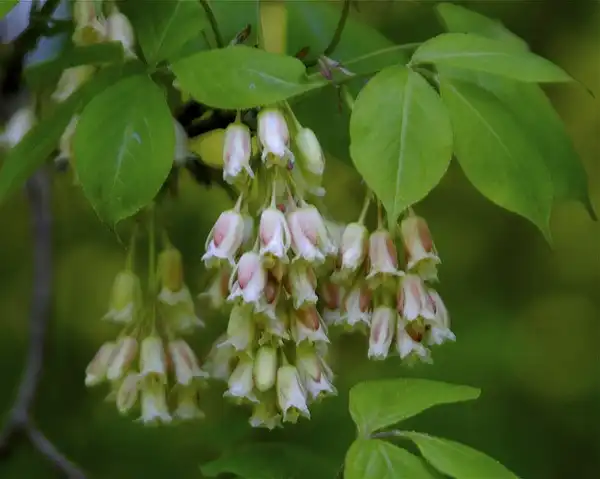
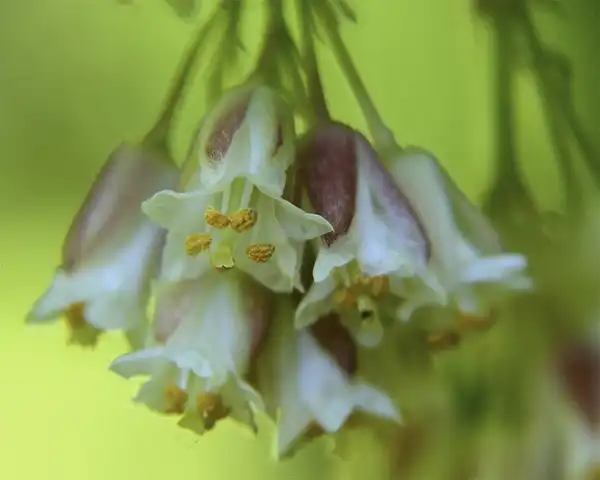
Staphylea trifolia, commonly known as American Bladdernut, is a rapidly growing, upright, deciduous shrub or small tree that can reach heights and widths of up to 15 feet. This species thrives in nutrient-rich bottomland forests and can also be found on slopes with calcareous or mafic rock formations. Mature plants are characterized by their extensive branching and ability to produce suckers for reproduction. In its natural habitat, it often forms dense colonies in bottomlands, woodland thickets, and moist areas along streams. Its root system can generate clonal offsets through underground runners.
American Bladdernut is adaptable and grows well in average, well-drained soils that range from dry to medium moisture levels, thriving in conditions from partial to full shade. While it can tolerate various soil types, including clay, it prefers moist, rich loamy soil in full sun or partial shade. In its natural environment, this species is known for its rapid growth but relatively short lifespan, with optimal flowering occurring in years following hot summers.
Regarding pests and diseases, American Bladdernut faces no significant threats from insects or diseases. Plants in this genus show notable resistance to honey fungus but are sensitive to heat, drought, and soil compaction.
Staphylea trifolia Feature Summary
Staphylea trifolia Image Gallery