Plant Profile: Stellaria corei

Taxonomy: Stellaria corei

Names

Tennessee Starwort

  • Photo of Stellaria corei (Stellaria coreis)

Phonetic Spelling:stell-AR-ee-uh ko-RAY

Genus:Stellaria

Species:corei

Family:Caryophyllaceae

Tennessee Starwort is a native perennial species that thrives in forests located at moderate to high elevations. This plant exhibits a spreading growth pattern.

Stellaria corei Feature Summary

Stellaria corei Image Gallery

Tags

#native perennial
#NC native
#food source summer
#food source herbage
#food source nectar
#food source pollen
#audubon
#woodlands

Similar Plants

Stellaria corei Feature Summary

Fruit
Displays from May to July. It will split open when ripe.
Flowers
Symmetrical, white flowers bloom from April to June.
Spring
Summer
4-5 petals/rays
< 1 inch
Attributes
Perennial
Whole Plant Traits
Perennial
Native Plant
Cultural Conditions
Partial Shade (Direct sunlight only part of the day, 2-6 hours)
Deep shade (Less than 2 hours to no direct sunlight)
Alkaline (>8.0)
Good Drainage
Moist
Mountains
Landscape
Native Garden
Pollinators
Songbirds
Bees
Small Mammals

Stellaria corei Fruit

Stellaria corei: Fruit Description

Displays from May to July. It will split open when ripe.

Stellaria corei: Display/Harvest Time

Fall
Spring
Summer
Winter

Stellaria corei Flowers

Stellaria corei: Flower Description

Symmetrical, white flowers bloom from April to June.

Stellaria corei: Flower Color

filter_vintage
White

Stellaria corei: Flower Bloom Time

Winter
Spring
Summer
Fall

Stellaria corei: Flower Petals

2-3 rays/petals
4-5 petals/rays
6 petals/rays
7 - 20 petals/rays
asymmetrical petals
Bracts
Colored Sepals
fused petals
more than 20 petals/rays
Tepals

Stellaria corei: Flower Size

1-3 inches
3-6 inches
< 1 inch
> 6 inches

Stellaria corei Attributes

Stellaria corei: Life Cycle

Annual
Biennial
Bulb
Perennial
Woody

Stellaria corei Whole Plant Traits

Stellaria corei: Plant Type

Annual
Bulb
Carnivorous
Edible
Epiphyte
Fern
Ground Cover
Herb
Herbaceous Perennial
Houseplant
Mushroom
Native Plant
Ornamental Grasses and Sedges
Perennial
Poisonous
Rose
Shrub
Succulent
Tree
Turfgrass
Vegetable
Vine
Water Plant
Weed
Wildflower

Stellaria corei Cultural Conditions

Stellaria corei: Light

Dappled Sunlight (Shade through upper canopy all day)
Deep shade (Less than 2 hours to no direct sunlight)
Full sun (6 or more hours of direct sunlight a day)
Partial Shade (Direct sunlight only part of the day, 2-6 hours)

Stellaria corei: Soil pH

Acid (<6.0)
Alkaline (>8.0)
Neutral (6.0-8.0)

Stellaria corei: Soil Drainage

Frequent Standing Water
Good Drainage
Moist
Occasional Flooding
Occasionally Dry
Occasionally Wet
Very Dry

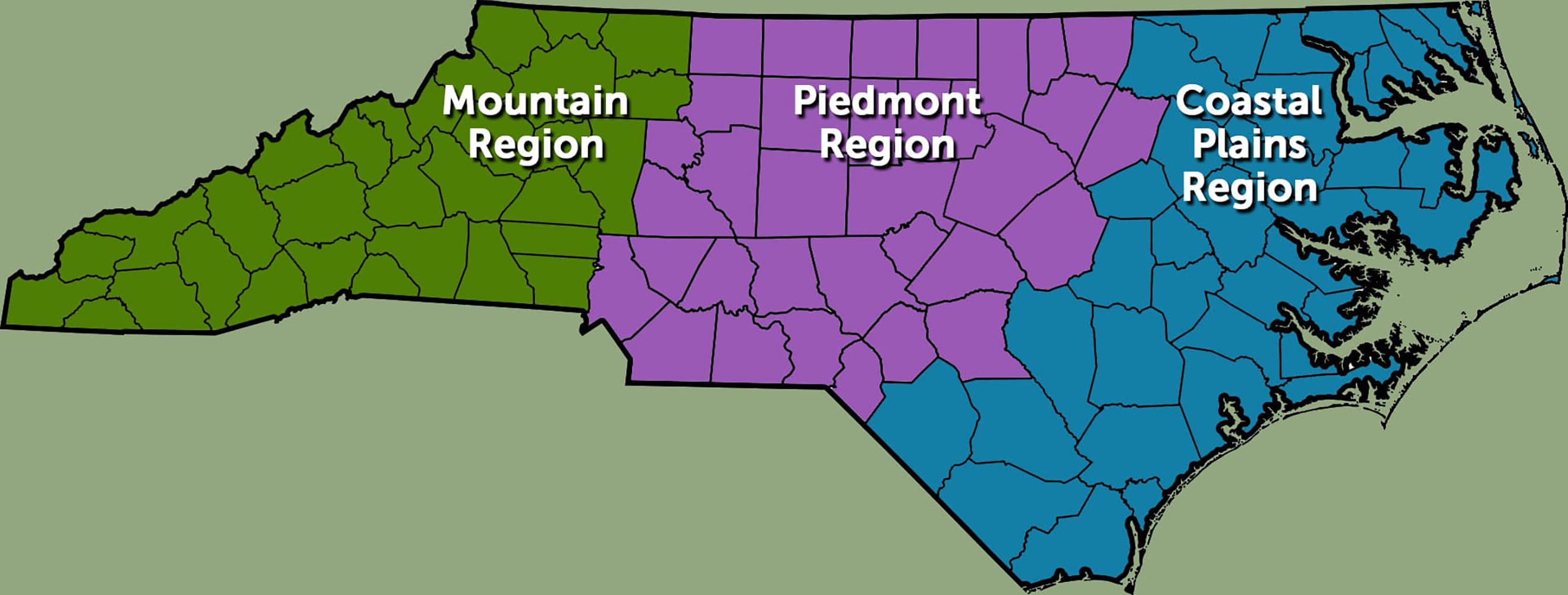
Stellaria corei: NC Region

Coastal
Mountains
Piedmont

Stellaria corei Leaves

Stellaria corei: Leaf Color

spa
Green

Stellaria corei: Leaf Type

Compound (Pinnately , Bipinnately, Palmately)
Fronds
Needles
Sheath
Simple

Stellaria corei: Leaf Arrangement

Alternate
Opposite
Other/more complex
Rosulate
Whorled

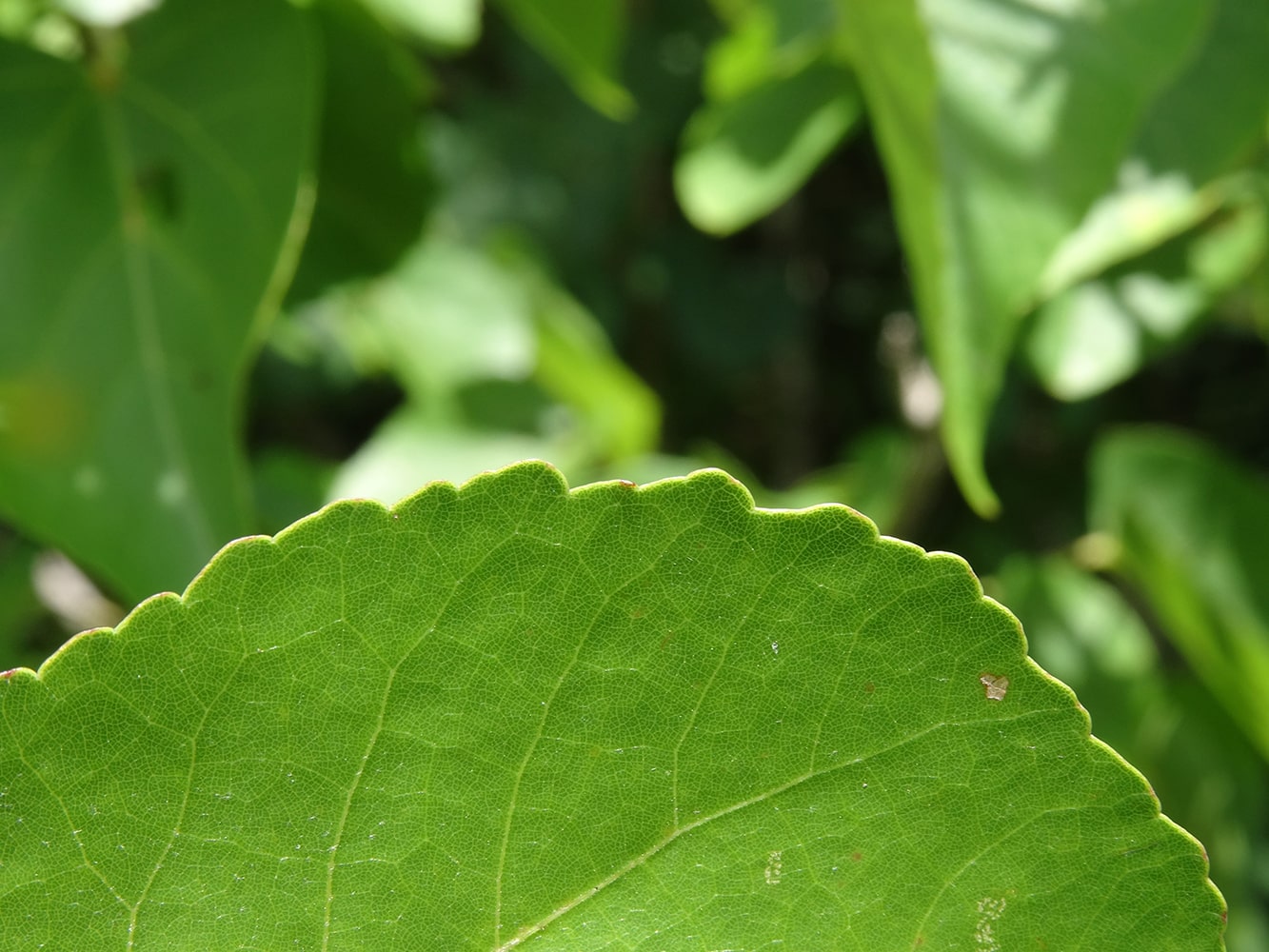
Stellaria corei: Leaf Margin

Crenate
Crenulate
Dentate
Denticulate
Doubly Crenate
Doubly Dentate
Doubly Serrate
Entire
Lobed
Serrate
Sinuate
Undulate

Stellaria corei: Hairs Present

No
Yes

Stellaria corei Stem

Stellaria corei: Stem Is Aromatic

No
Yes

Stellaria corei Landscape

Stellaria corei: Landscape Theme

Asian Garden
Butterfly Garden
Children's Garden
Cottage Garden
Cutting Garden
Drought Tolerant Garden
Edible Garden
English Garden
Fairy Garden
Garden for the Blind
Native Garden
Nighttime Garden
Pollinator Garden
Rain Garden
Rock Garden
Shade Garden
Water Garden
Winter Garden

Stellaria corei: Landscape Location

Coastal
Container
Hanging Baskets
Houseplants
Lawn
Meadow
Naturalized Area
Near Septic
Patio
Pond
Pool/Hardscape
Recreational Play Area
Riparian
Rock Wall
Slope/Bank
Small Space
Vertical Spaces
Walkways
Woodland

Stellaria corei: Attracts

Bats
Bees
Butterflies
Frogs
Hummingbirds
Moths
Pollinators
Predatory Insects
Reptiles
Small Mammals
Songbirds
Specialized Bees