Stokesia laevis 'Blue Danube': Wildlife Value
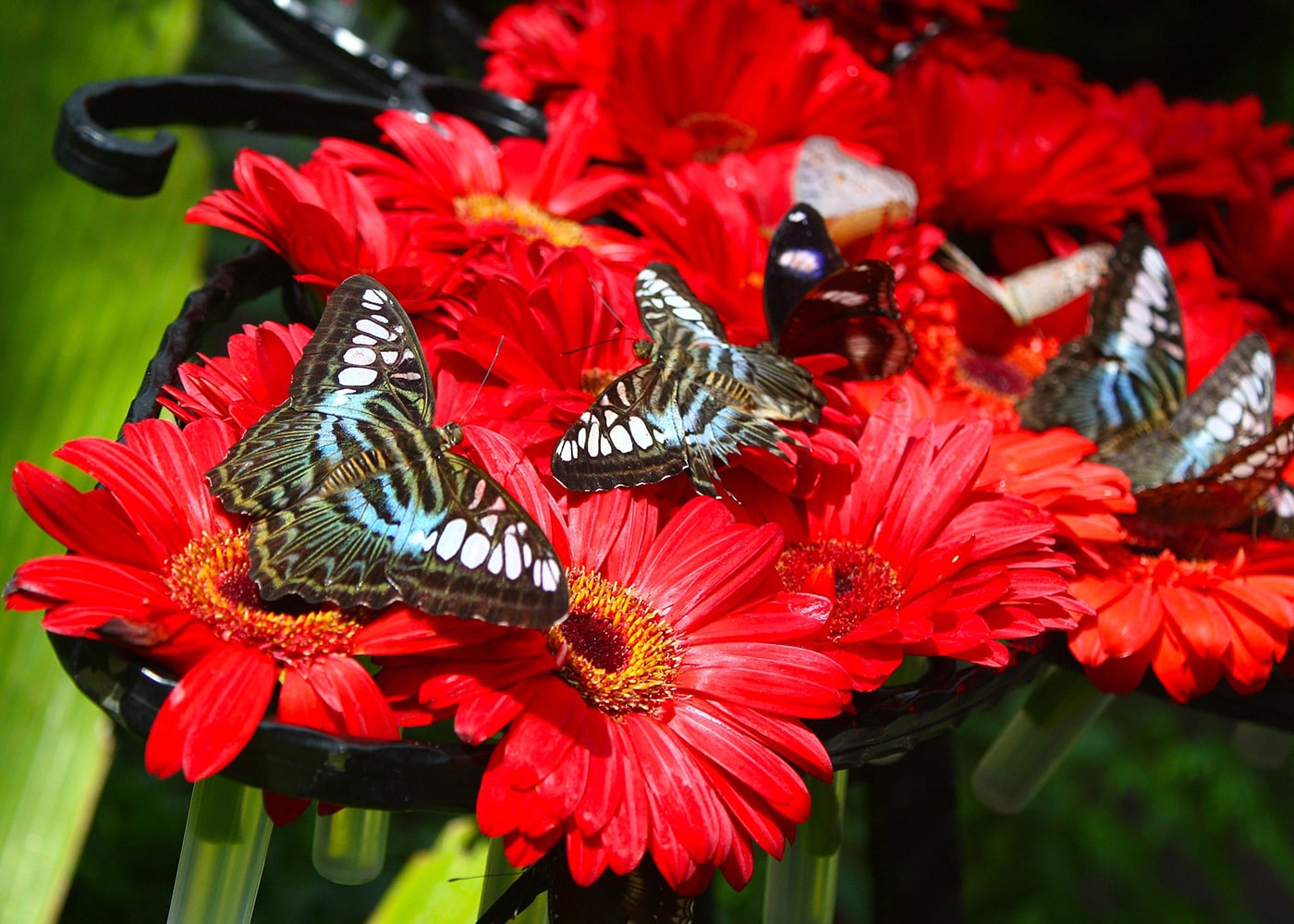
Pollinator and nectar plant for bees, butterflies, and hummingbirds
Phonetic Spelling:
Genus:Stokesia
Species:laevis
Family:Asteraceae
The Blue Danube is a variety of the native Stokes' Aster, also known as Cornflower Aster. This striking herbaceous perennial derives its name from the Danube River, thanks to its beautiful lavender-blue flowers. It is a low-maintenance plant that attracts bees, butterflies, and hummingbirds, and once established, it is drought-resistant, heat-tolerant, and repels deer and rabbits.
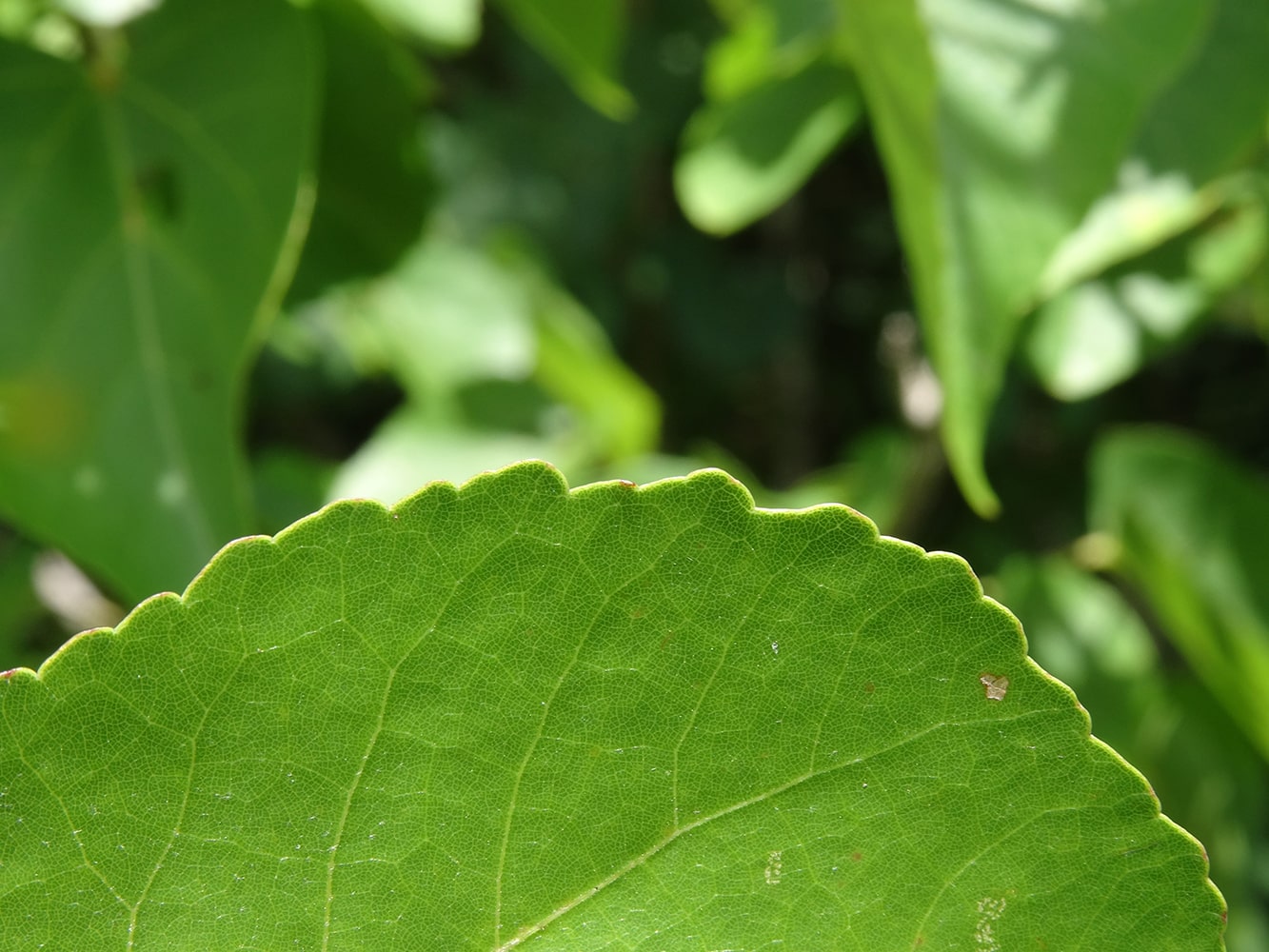
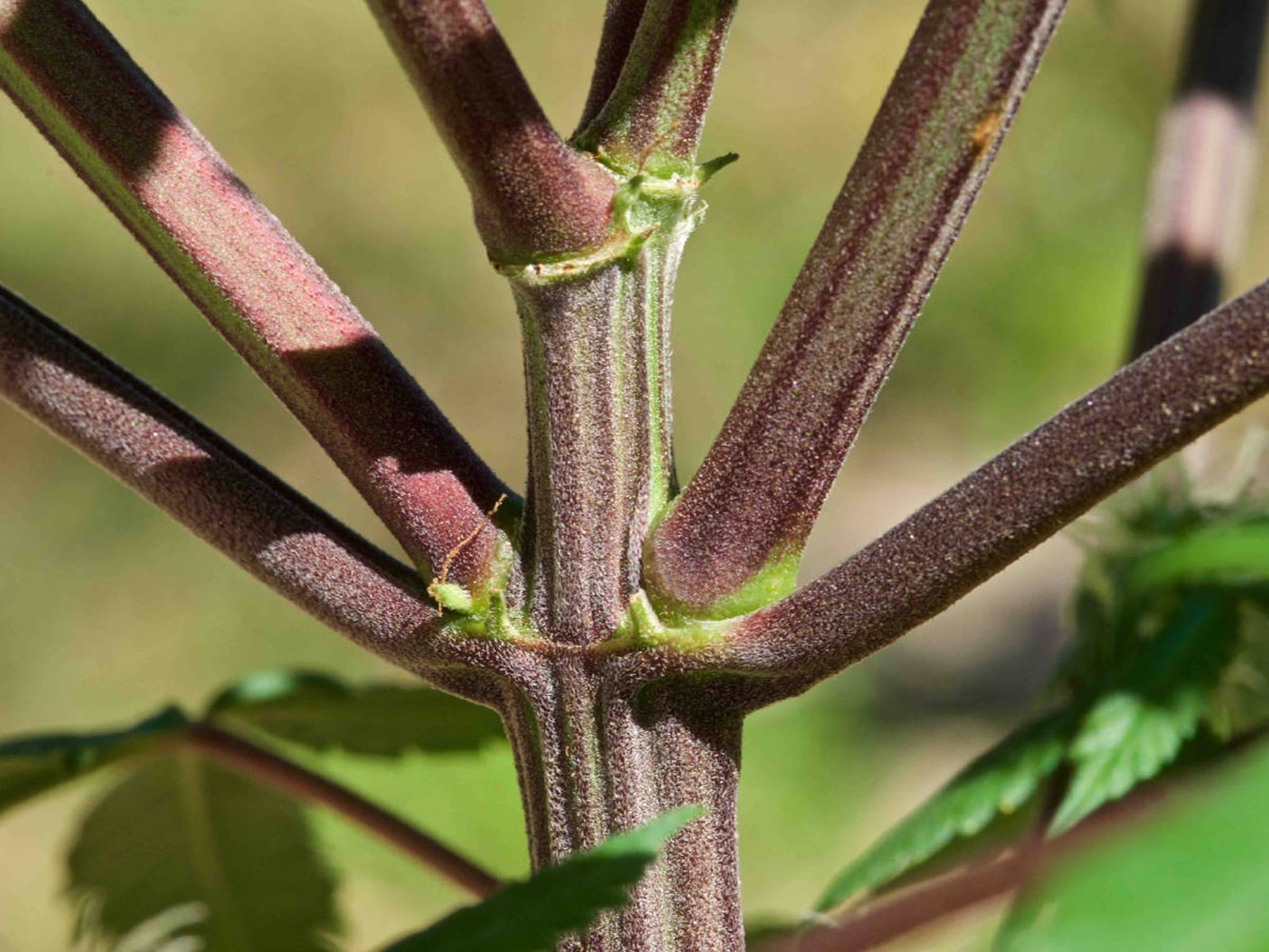
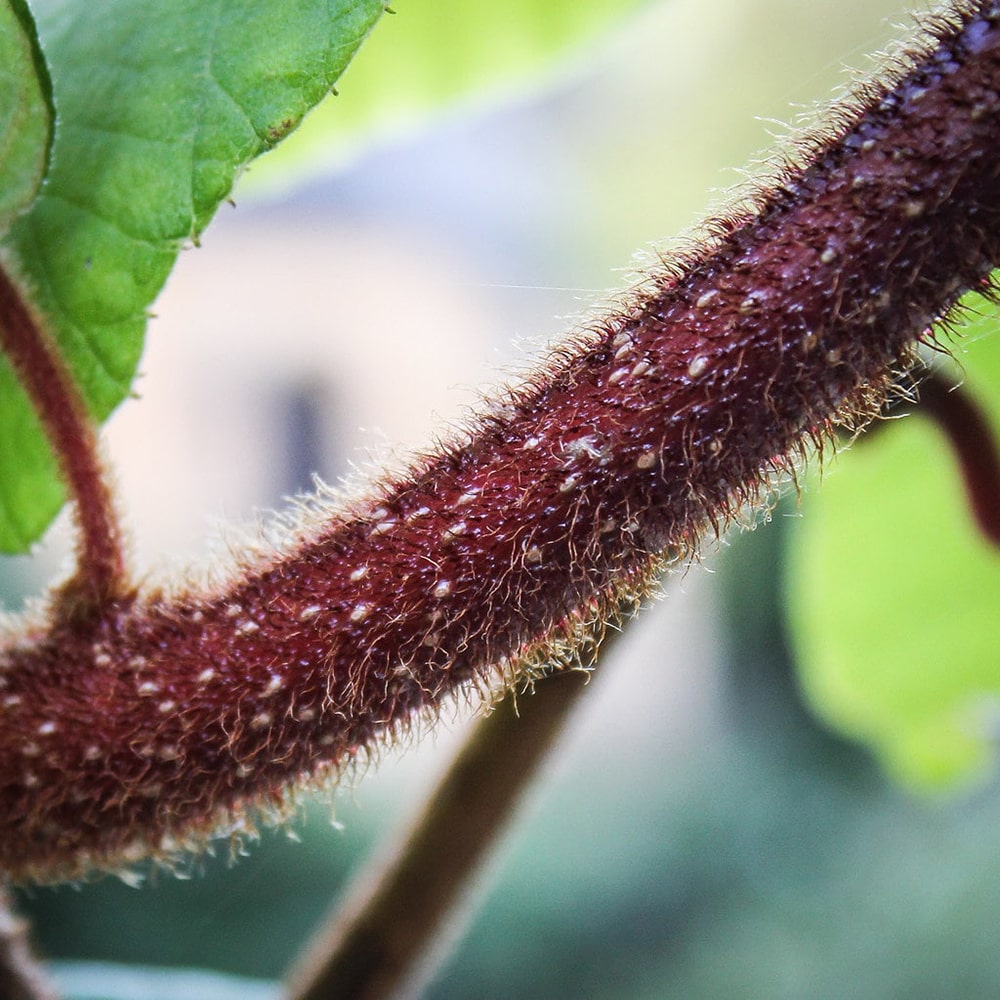
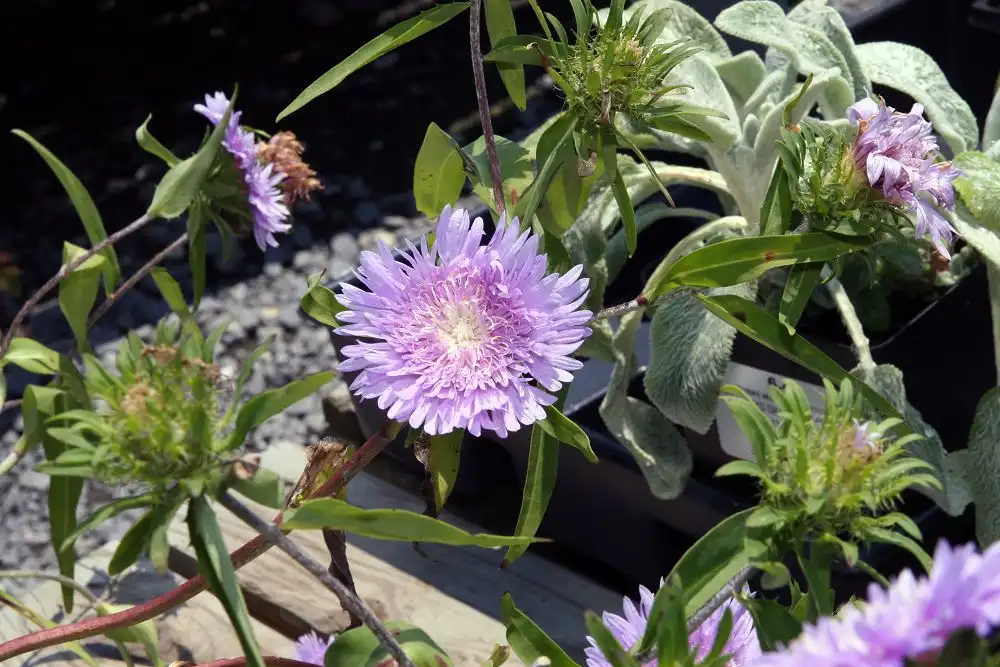
The leaves of the Blue Danube are medium to dark green, hairy, and leathery, reaching lengths of about 6 inches. The hairy stems emerge from a basal rosette and can grow between 12 to 18 inches tall. In warmer regions, the foliage may persist through the winter. The plant produces solitary flowers that are pale lavender to blue with a white center, measuring approximately 2 to 4 inches in diameter. Each flower features a white center encircled by lavender to blue florets, which are further surrounded by deeply divided lavender to blue petals. To promote the growth of new buds, it is advisable to remove faded flowers.
After blooming, the plant can be pruned back to its basal leaves. It is recommended to divide the plants every 3 to 4 years, with divisions ideally taking place in spring or fall. The soil should remain moist yet well-drained.
The Blue Danube, with its fluffy, cornflower-like blooms in pale lavender to blue, is a delightful addition to various settings, including borders, cottage gardens, small clusters, mass plantings, or woodland areas. It thrives in full sun to partial shade and prefers moist, well-drained soil.
For further details on Stokesia laevis, please refer to additional resources.
Stokesia laevis 'Blue Danube' Feature Summary
Stokesia laevis 'Blue Danube' Image Gallery