Thalictrum dasycarpum: Country Or Region Of Origin
Alberta, Ontario south to Arizona and Ohio

Phonetic Spelling:tha-LIK-trum day-see-KAR-pum
Genus:Thalictrum
Species:dasycarpum
Family:Ranunculaceae
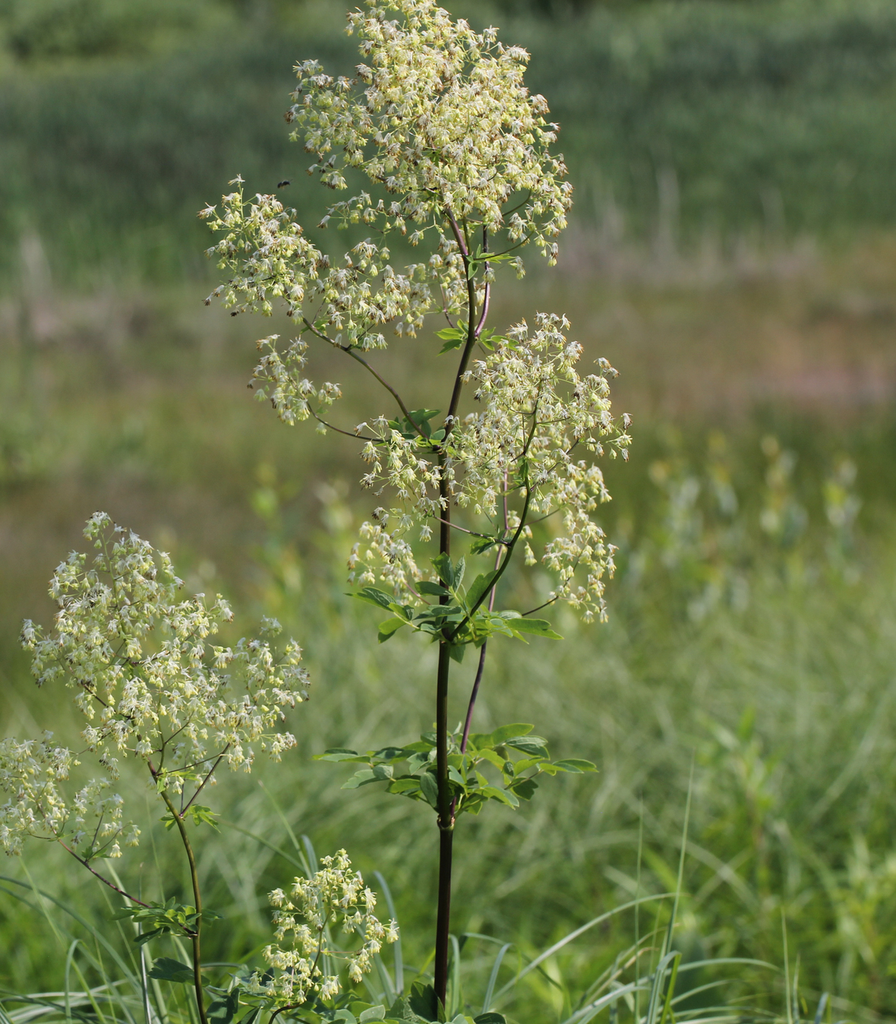
Purple Meadow-rue is a tall, herbaceous perennial that typically reaches heights of 2 to 6 feet. Belonging to the Ranunculaceae family, this plant is native to regions ranging from Alberta and Ontario in Canada down to Arizona and Ohio. It thrives in average to moderately moist, well-drained soils and prefers full sun to partial shade, although it flourishes best in rich, organic soil with some afternoon dappled sunlight. You can often find it in wetland areas such as swamps, thickets, stream banks, ditches, meadows, and prairies. The size of the plant can vary based on environmental conditions; those in full sun will need more moisture compared to those in partial shade. It does not tolerate hot, humid weather well and benefits from afternoon shade during the peak of summer heat. Propagation from seed is straightforward.
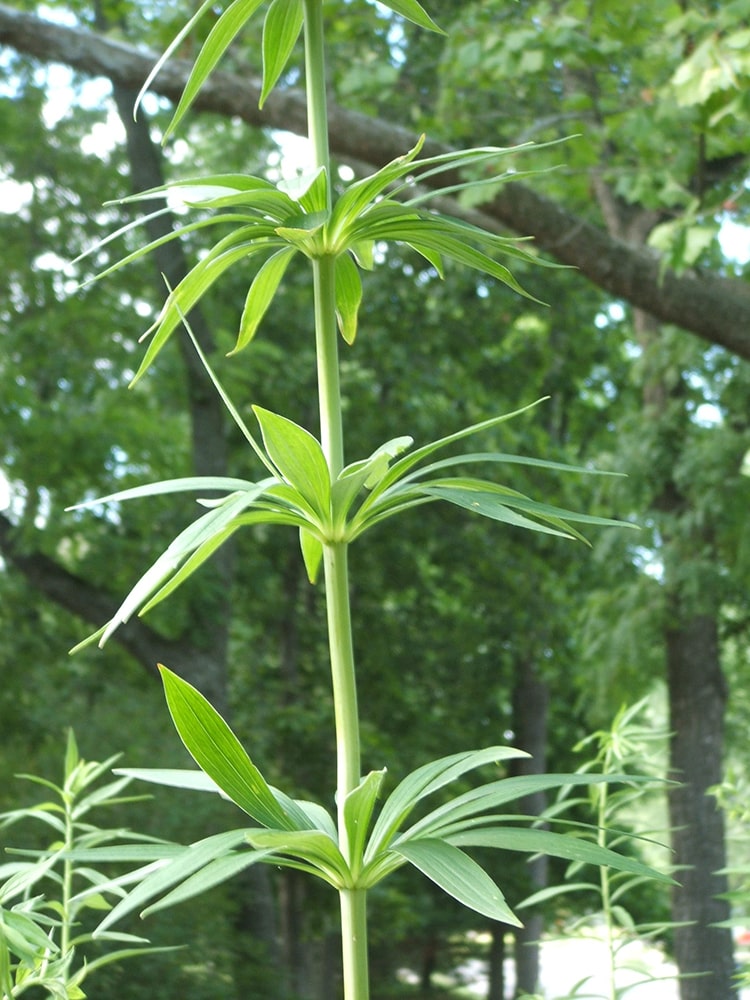
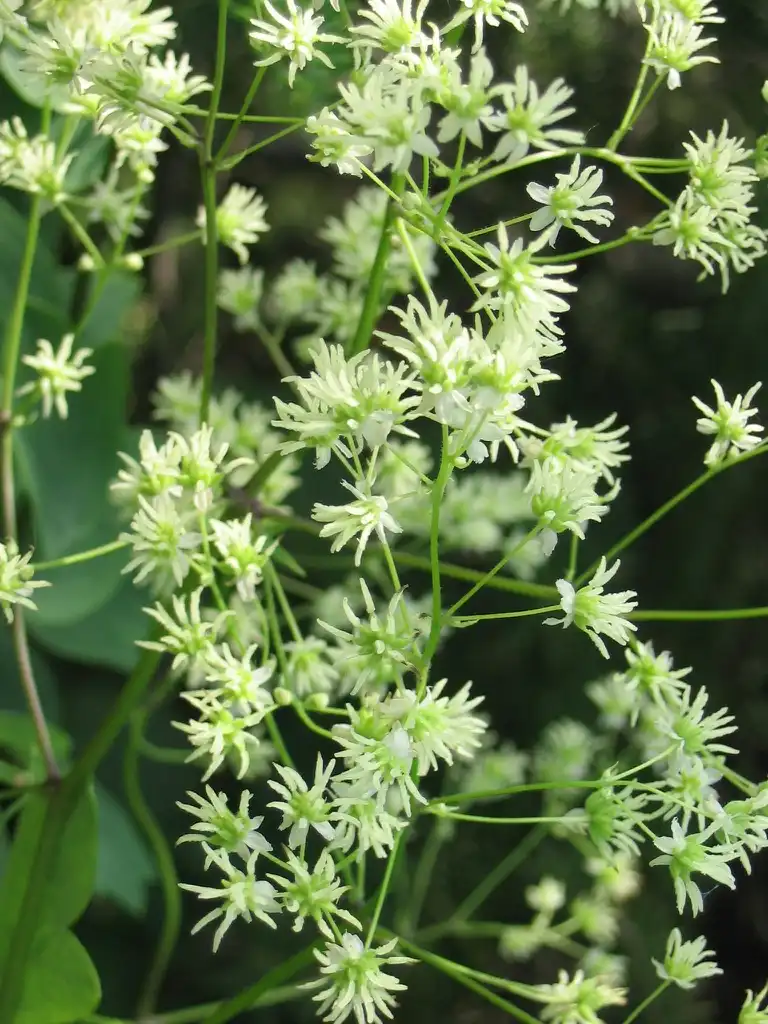
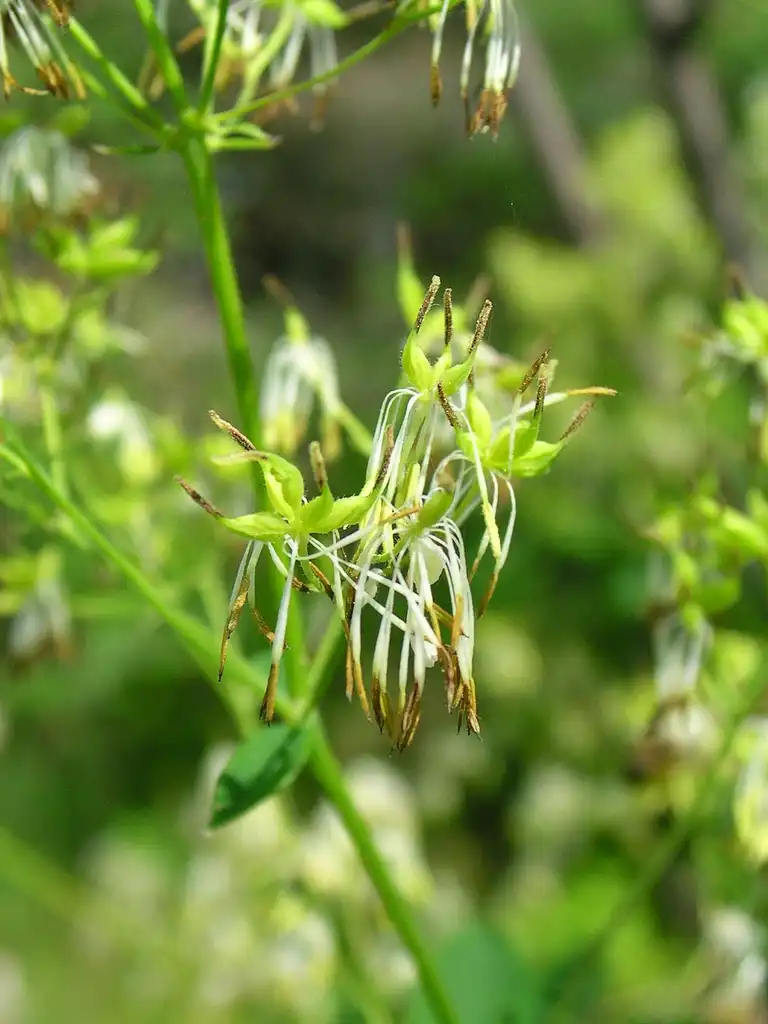
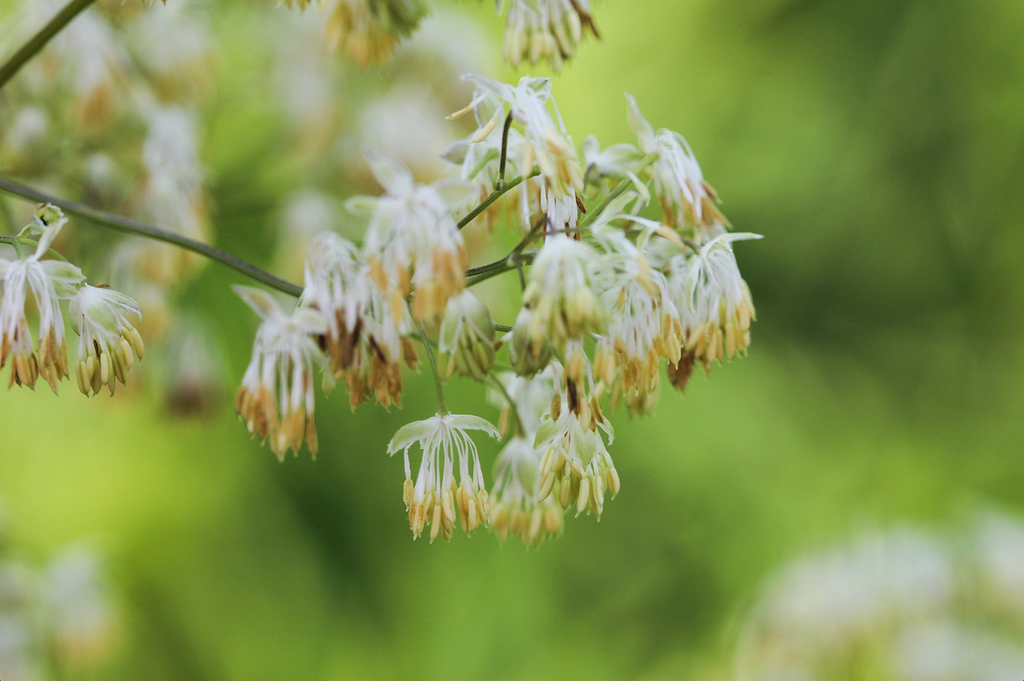
The foliage of Purple Meadow-rue consists of a basal cluster of delicate, finely textured, bluish-green compound leaves, which are arranged oppositely and divided into multiple three-lobed leaflets. Typically, male and female flowers grow on separate plants. Both types of flowers appear in large, open to densely branched clusters known as panicles, with the branches often exhibiting a purple hue and a smooth texture. The flowers themselves lack petals and measure about 1/3 inch across, featuring 4 to 6 greenish-white sepals that may fall off prematurely. The female flowers possess around 10 slender white pistils that mimic petals, while the male flowers have approximately 12 dangling stamens that are white to greenish in color, with pale yellow tips that darken and become tangled as they age. When planted en masse, the male blooms create a striking visual display.
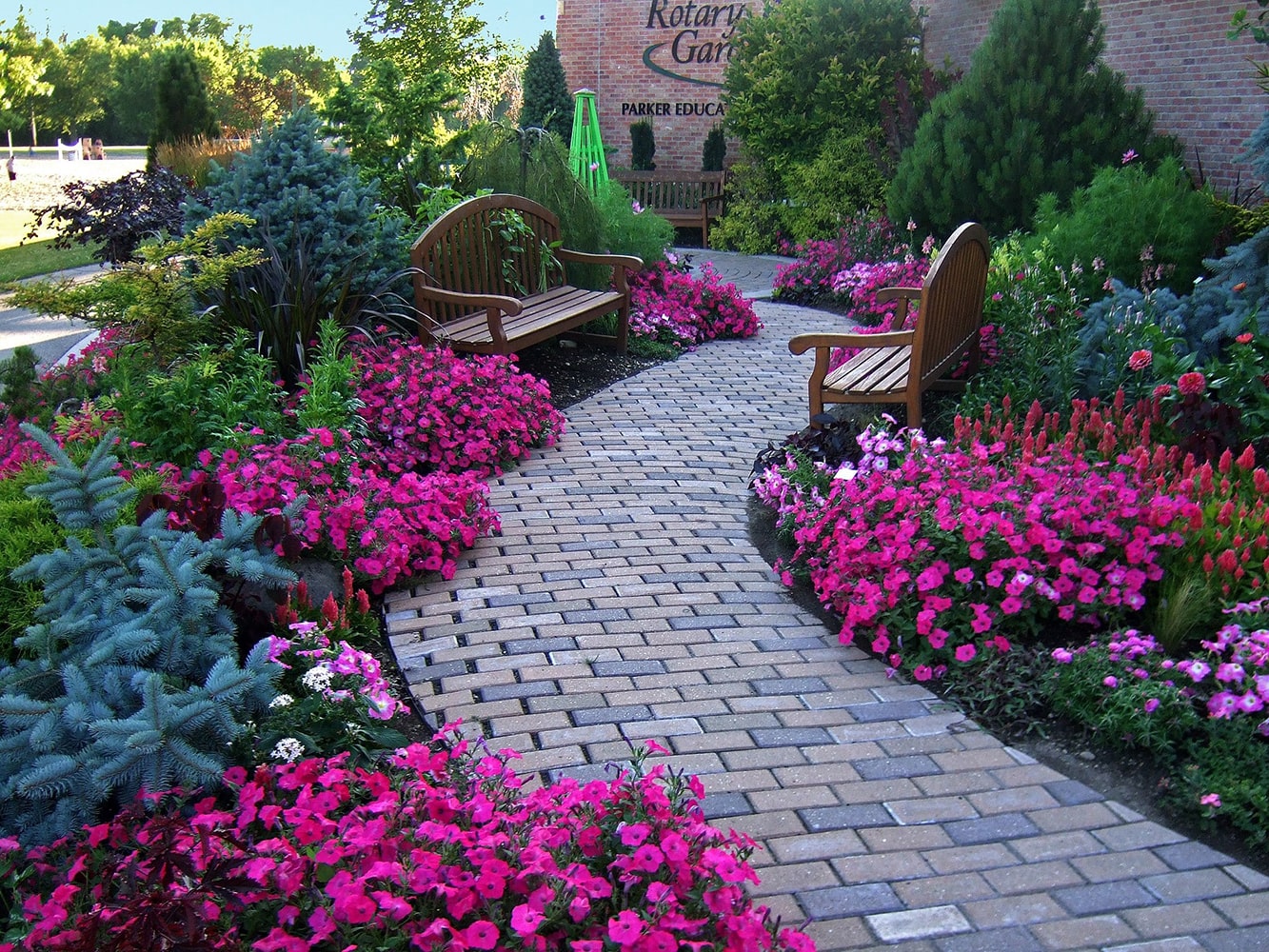
This plant serves as an excellent backdrop in garden beds.
In terms of pests and diseases, Purple Meadow-rue is generally resilient, facing few serious threats. However, it may occasionally be affected by powdery mildew or rust. Taller specimens might require some support to maintain their structure.
Thalictrum dasycarpum Feature Summary
Thalictrum dasycarpum Image Gallery