• Photo of Thuja (Thujas)

Plant Profile: Thuja

Taxonomy: Thuja

Names

Arborvitae

  • Photo of Thuja (Thujas)

Phonetic Spelling:THOO-yuh

Genus:Thuja

Species:

Family:Cupressaceae

This genus originates from North America and certain regions of East Asia. Its evergreen foliage and conical form make it a popular choice for ornamental landscaping.

Thuja Feature Summary

Thuja Image Gallery

Tags

#evergreen
#conifer
#tree
#tsc
#evergreen tree
#tsc-cg

Similar Plants

Thuja is often confused with:

Thuja Feature Summary

Attributes
North America, parts of East Asia
Introduced to Europe
Fruit
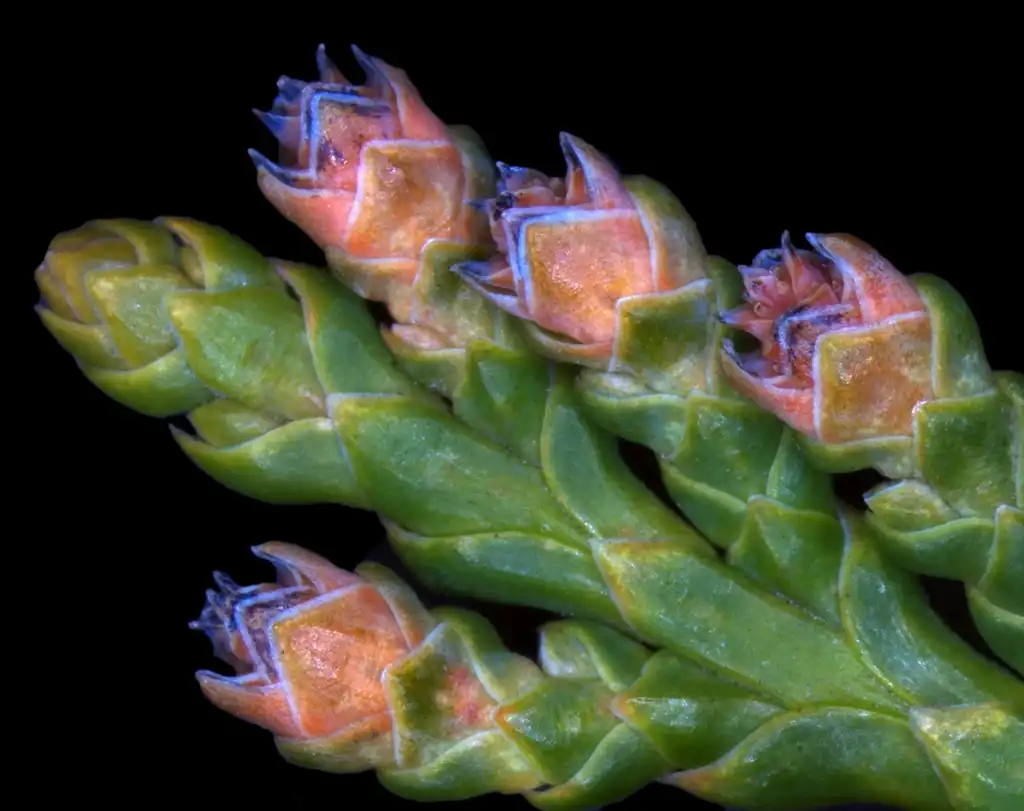
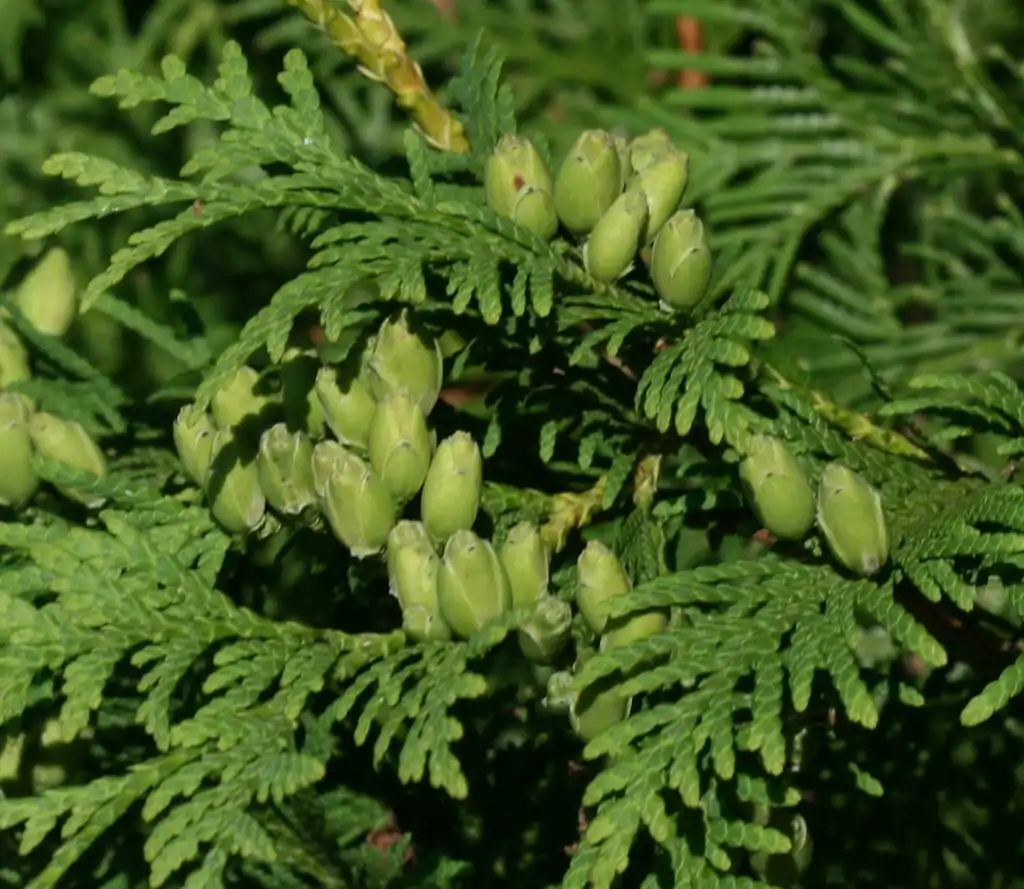
No true fruit– female cones are oval-shaped, brown, and take a long time to develop. They open up to a flared shape.
Green
Brown/Copper
< 1 inch
Flowers
No true flowers– pollen cones are small and grow from the tips of the branches.
Brown/Copper
< 1 inch
Leaves
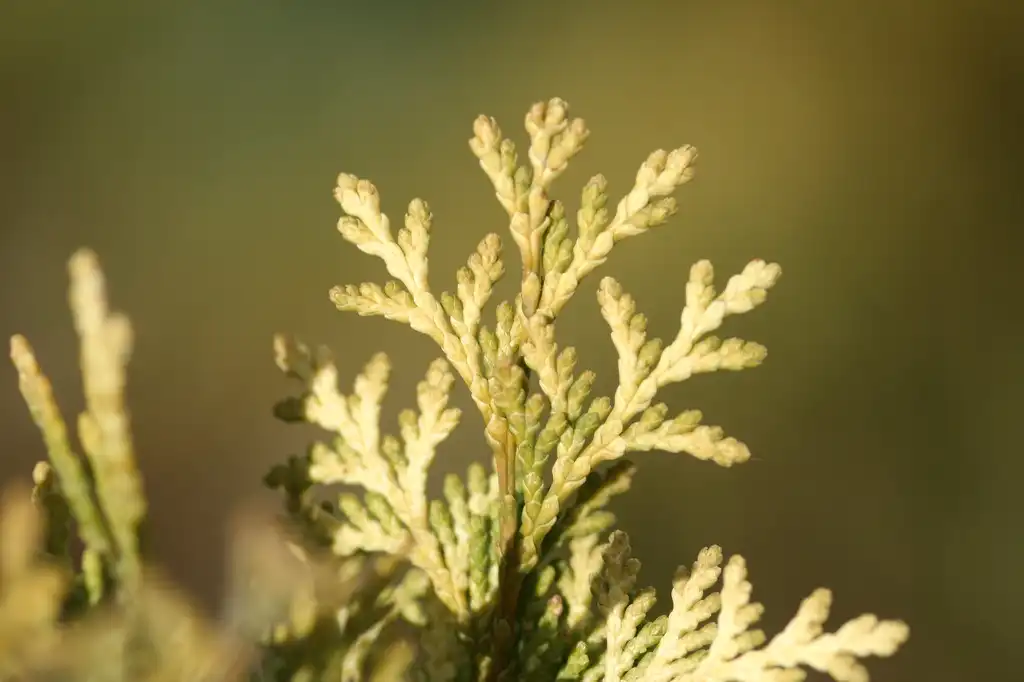
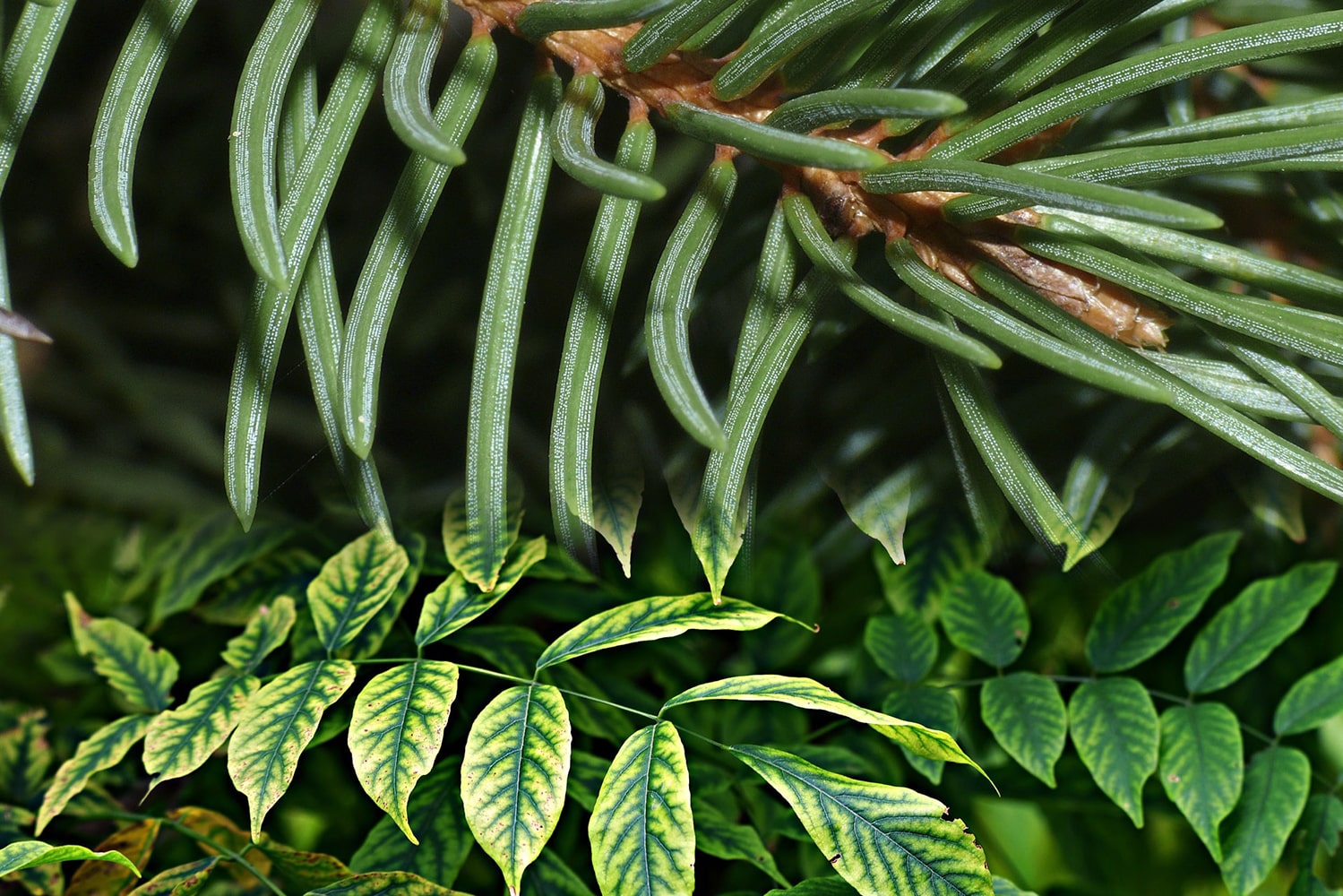
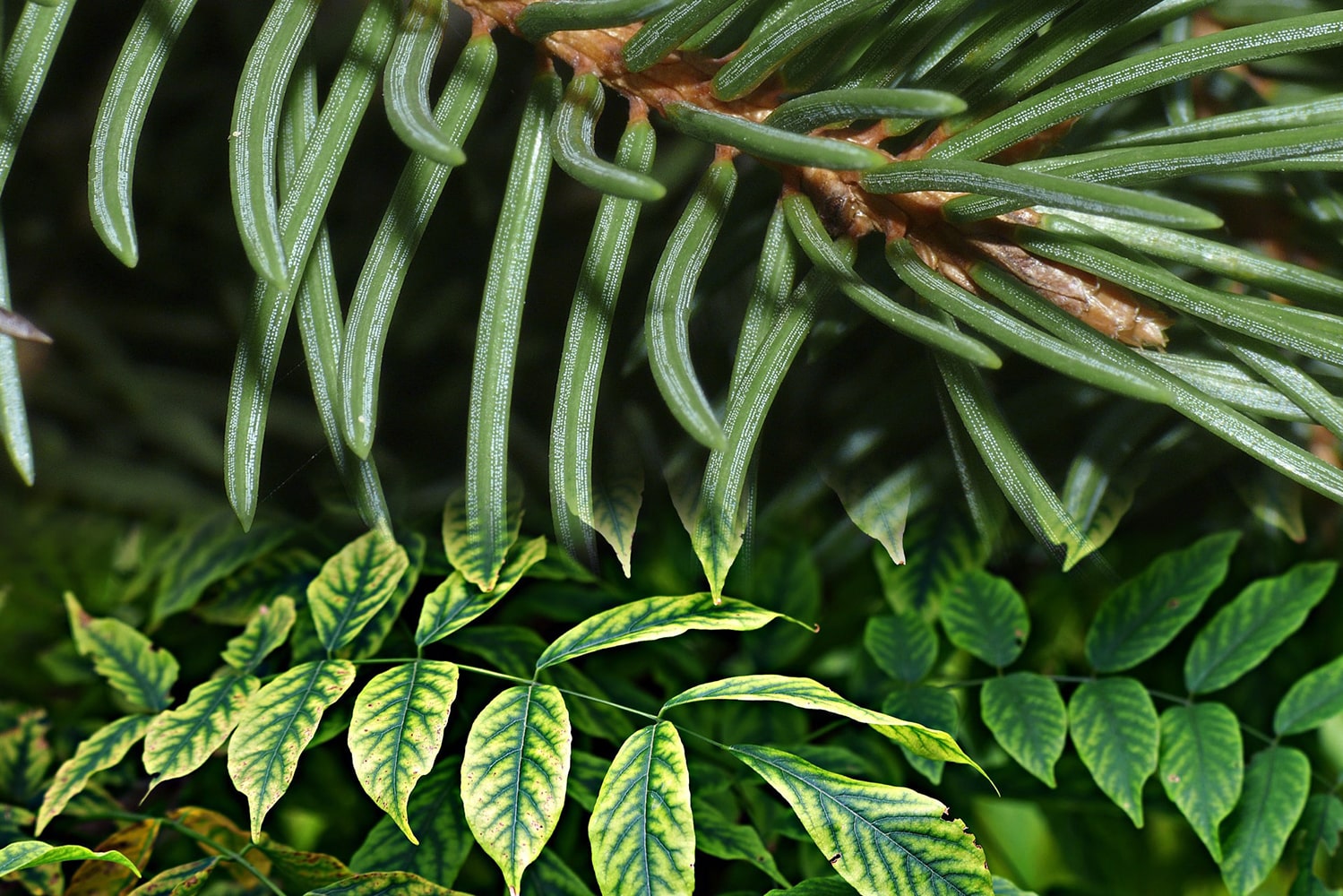
Small, scale-like leaves. Can be distinguished from Chamaecyparis by the lack of white markings underneath the leaves. Older leaves also have raised glands near the tip.
Needles
Other/more complex
< 1 inch
Fragrant
Long-lasting
< 1 inch
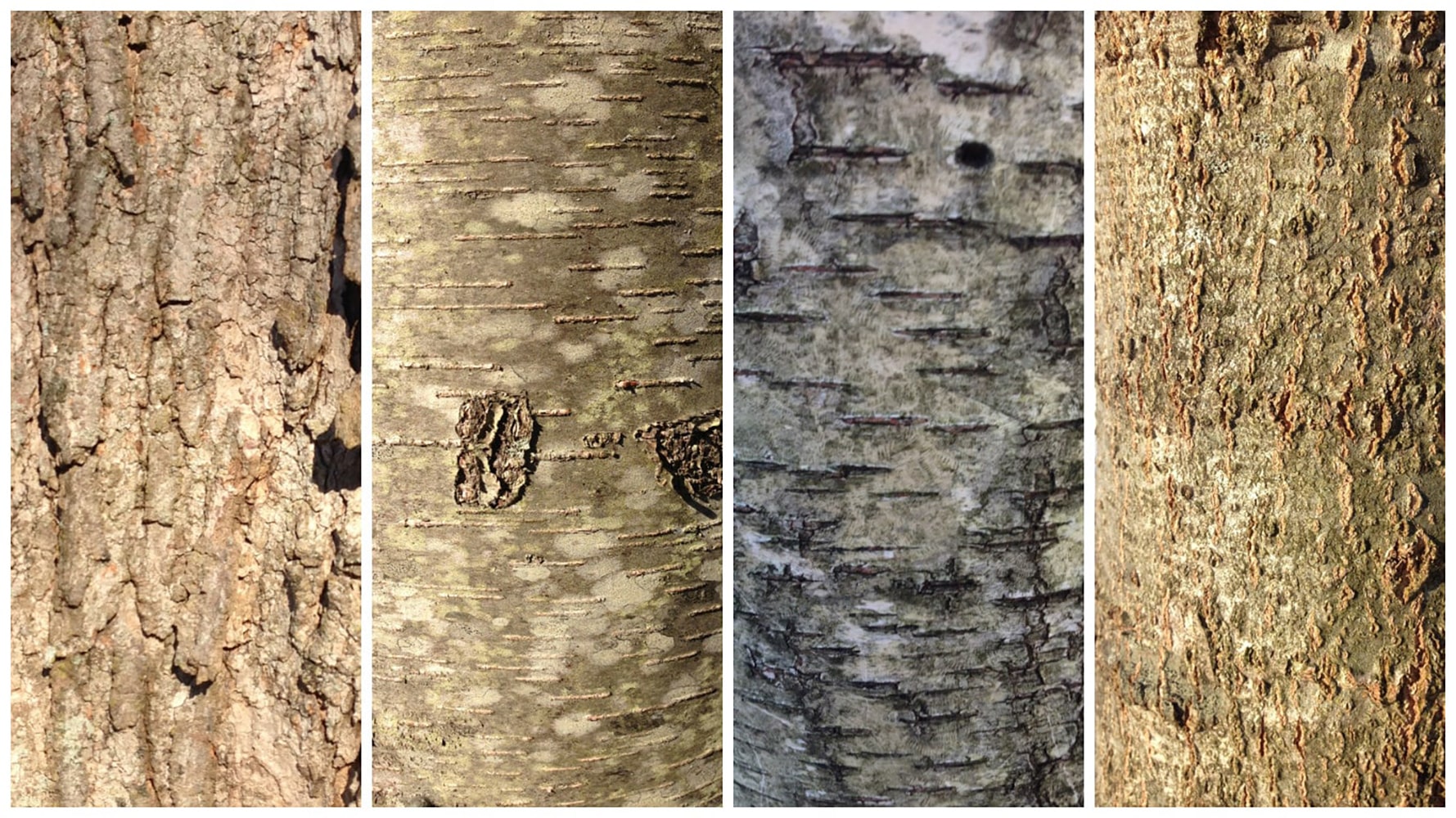
Bark
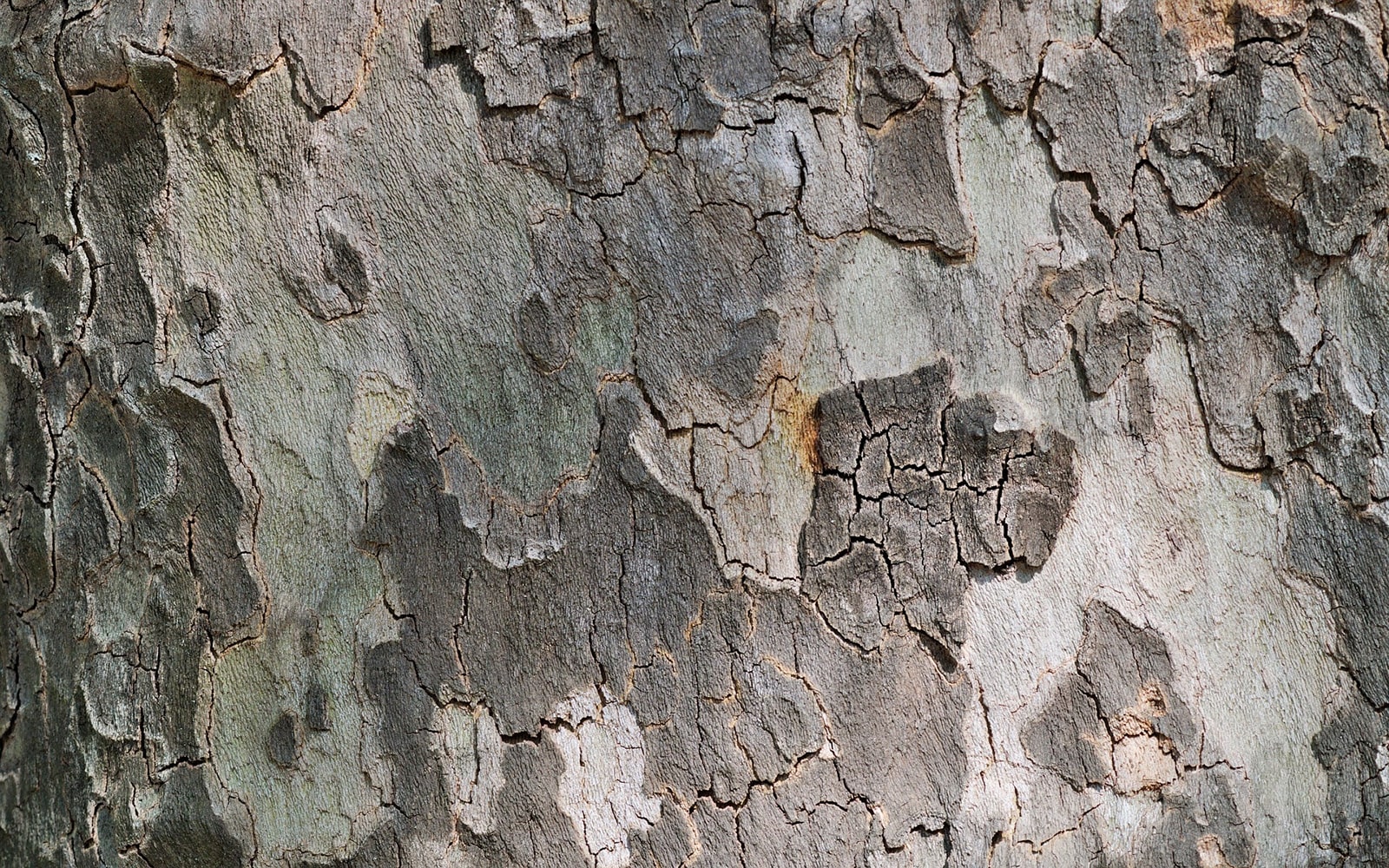
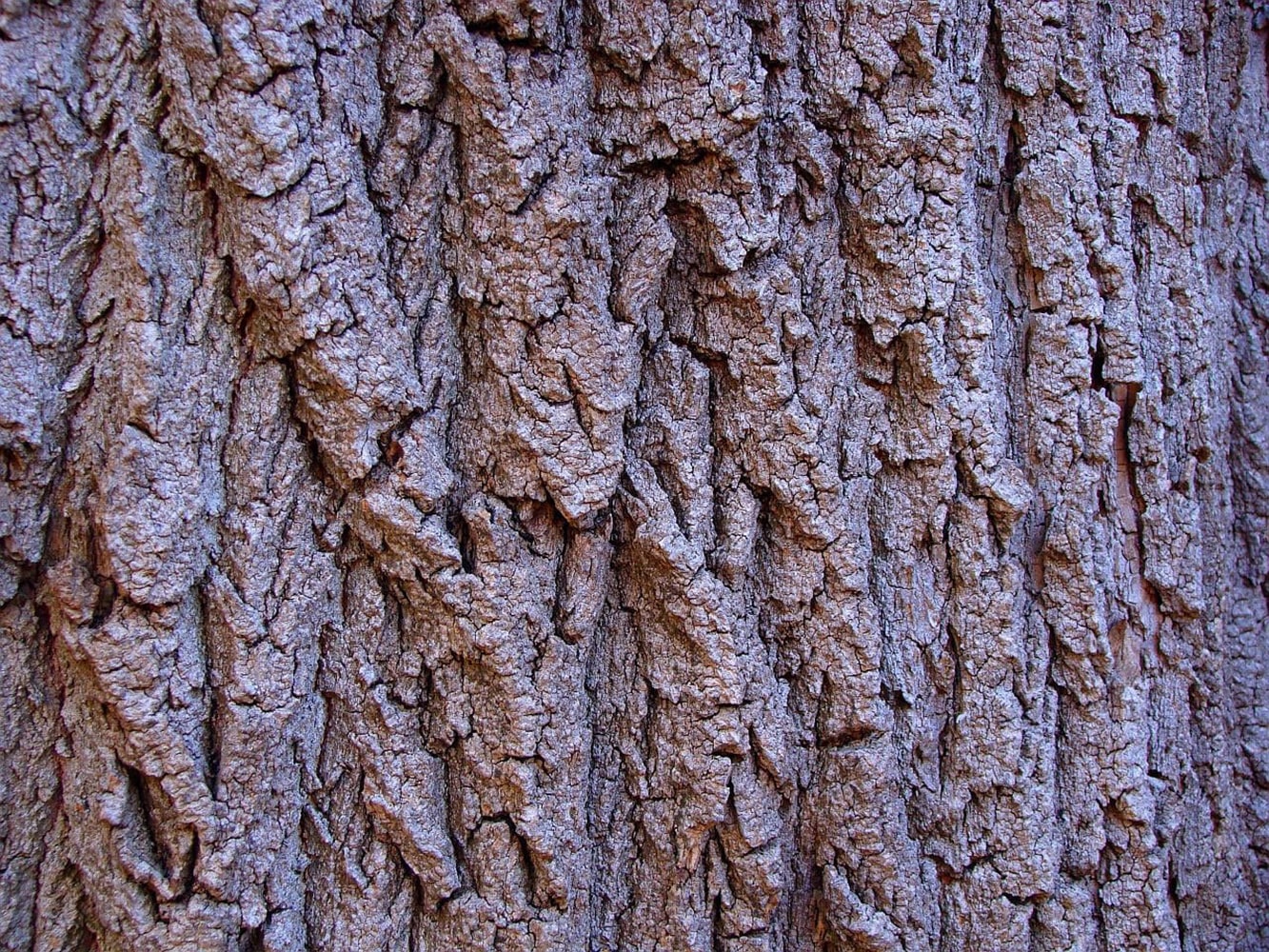
Brown to red-brown, fibrous bark.
Dark Brown
Scaly
Furrowed
Whole Plant Traits
Pyramidal
Dense
Broad

Thuja Attributes

Thuja: Country Or Region Of Origin

North America, parts of East Asia
Thuja: Distribution

Introduced to Europe

Thuja: Life Cycle

Annual
Biennial
Bulb
Perennial
Woody

Thuja Fruit

Thuja: Fruit Description

No true fruit– female cones are oval-shaped, brown, and take a long time to develop. They open up to a flared shape.

Thuja: Fruit Color

grass
Brown/Copper
grass
Green

Thuja: Fruit Length

< 1 inch
1-3 inches
> 3 inches

Thuja: Fruit Width

< 1 inch
1-3 inches
> 3 inches

Thuja Flowers

Thuja: Flower Description

No true flowers– pollen cones are small and grow from the tips of the branches.

Thuja: Flower Color

filter_vintage
Brown/Copper

Thuja: Flower Size

1-3 inches
3-6 inches
< 1 inch
> 6 inches

Thuja Leaves

Thuja: Leaf Description

Small, scale-like leaves. Can be distinguished from Chamaecyparis by the lack of white markings underneath the leaves. Older leaves also have raised glands near the tip.

Thuja: Woody Plant Leaf Characteristics

Broadleaf Evergreen
Deciduous
Needled Evergreen
Semi-evergreen

Thuja: Leaf Color

spa
Green

Thuja: Leaf Type

Compound (Pinnately , Bipinnately, Palmately)
Fronds
Needles
Sheath
Simple

Thuja: Leaf Arrangement

Alternate
Opposite
Other/more complex
Rosulate
Whorled

Thuja: Leaf Margin

Crenate
Crenulate
Dentate
Denticulate
Doubly Crenate
Doubly Dentate
Doubly Serrate
Entire
Lobed
Serrate
Sinuate
Undulate

Thuja: Hairs Present

No
Yes

Thuja: Leaf Length

< 1 inch
1-3 inches
3-6 inches
> 6 inches

Thuja: Leaf Value To Gardener

Edible
Fragrant
Good Cut
Good Dried
Long-lasting
Showy

Thuja: Leaf Width

< 1 inch
1-3 inches
3-6 inches
> 6 inches

Thuja Bark

Thuja: Bark Description

Brown to red-brown, fibrous bark.

Thuja: Bark Color

grass
Dark Brown

Thuja: Surface/Attachment

Bumpy
Exfoliating
Fissured
Furrowed
Lenticels
Papery
Patchy
Peeling
Ridges
Scaly
Shaggy
Shiny
Shredding
Smooth
Spongy

Thuja Whole Plant Traits

Thuja: Plant Type

Annual
Bulb
Carnivorous
Edible
Epiphyte
Fern
Ground Cover
Herb
Herbaceous Perennial
Houseplant
Mushroom
Native Plant
Ornamental Grasses and Sedges
Perennial
Poisonous
Rose
Shrub
Succulent
Tree
Turfgrass
Vegetable
Vine
Water Plant
Weed
Wildflower

Thuja: Woody Plant Leaf Characteristics

Broadleaf Evergreen
Deciduous
Needled Evergreen
Semi-evergreen

Thuja: Habit/Form

Arching
Ascending
Broad
Cascading
Climbing
Clumping
Columnar
Conical
Creeping
Dense
Erect
Horizontal
Irregular
Mounding
Multi-stemmed
Multi-trunked
Open
Oval
Prostrate
Pyramidal
Rounded
Spreading
Vase
Weeping

Thuja Stem

Thuja: Stem Is Aromatic

No
Yes