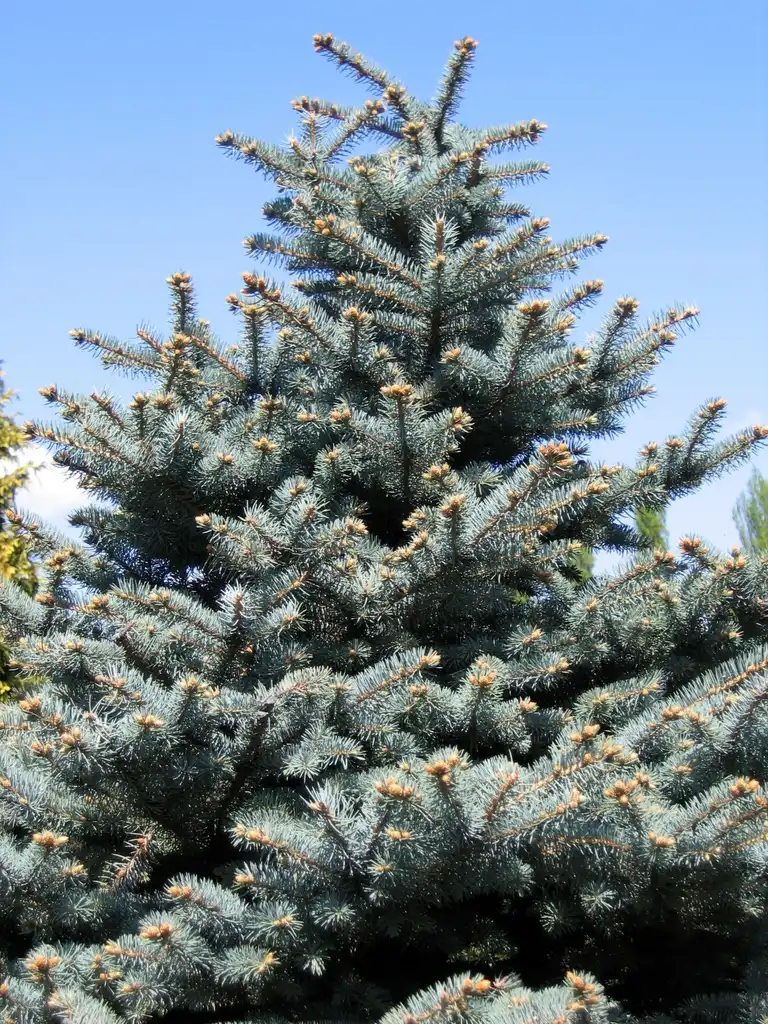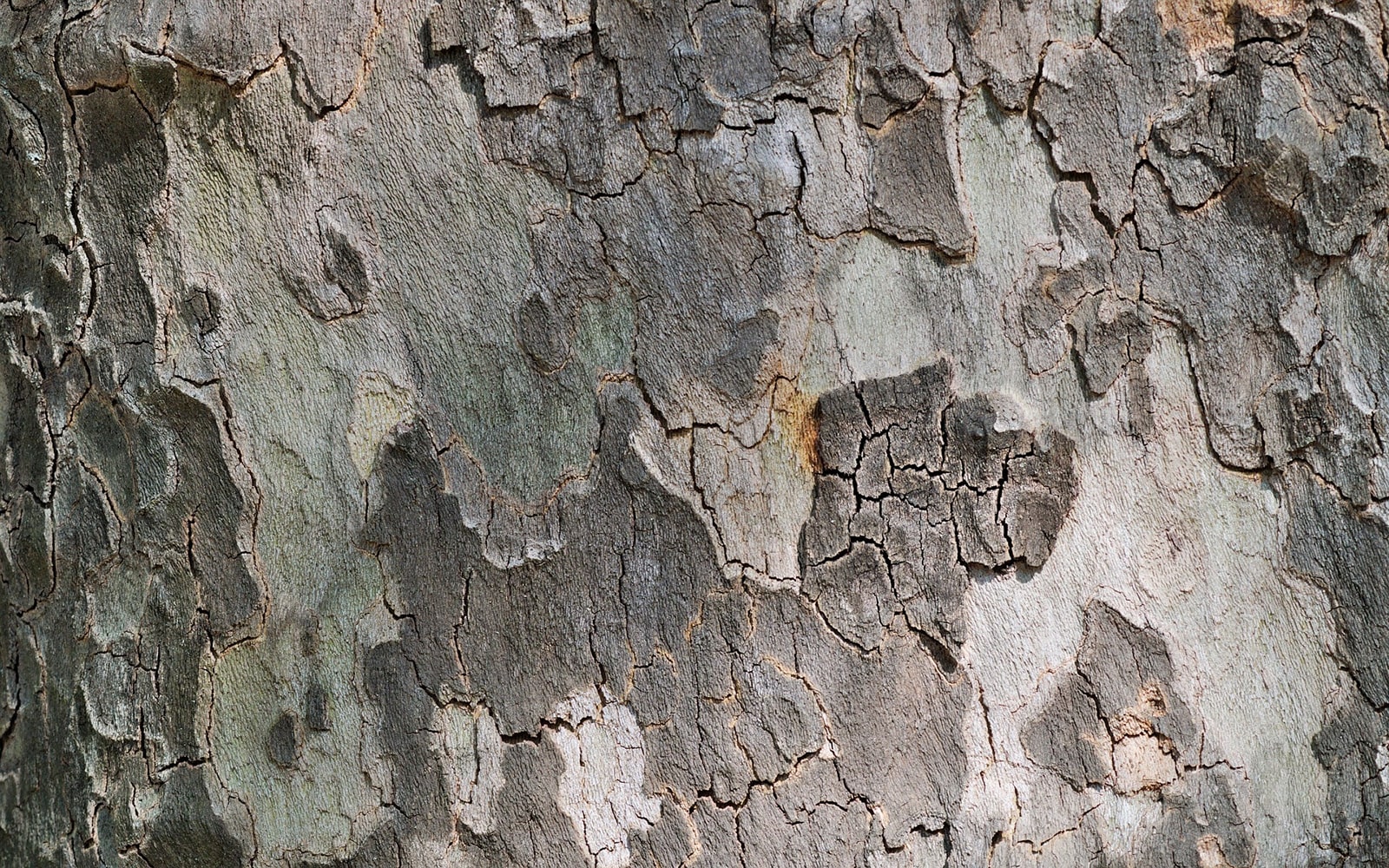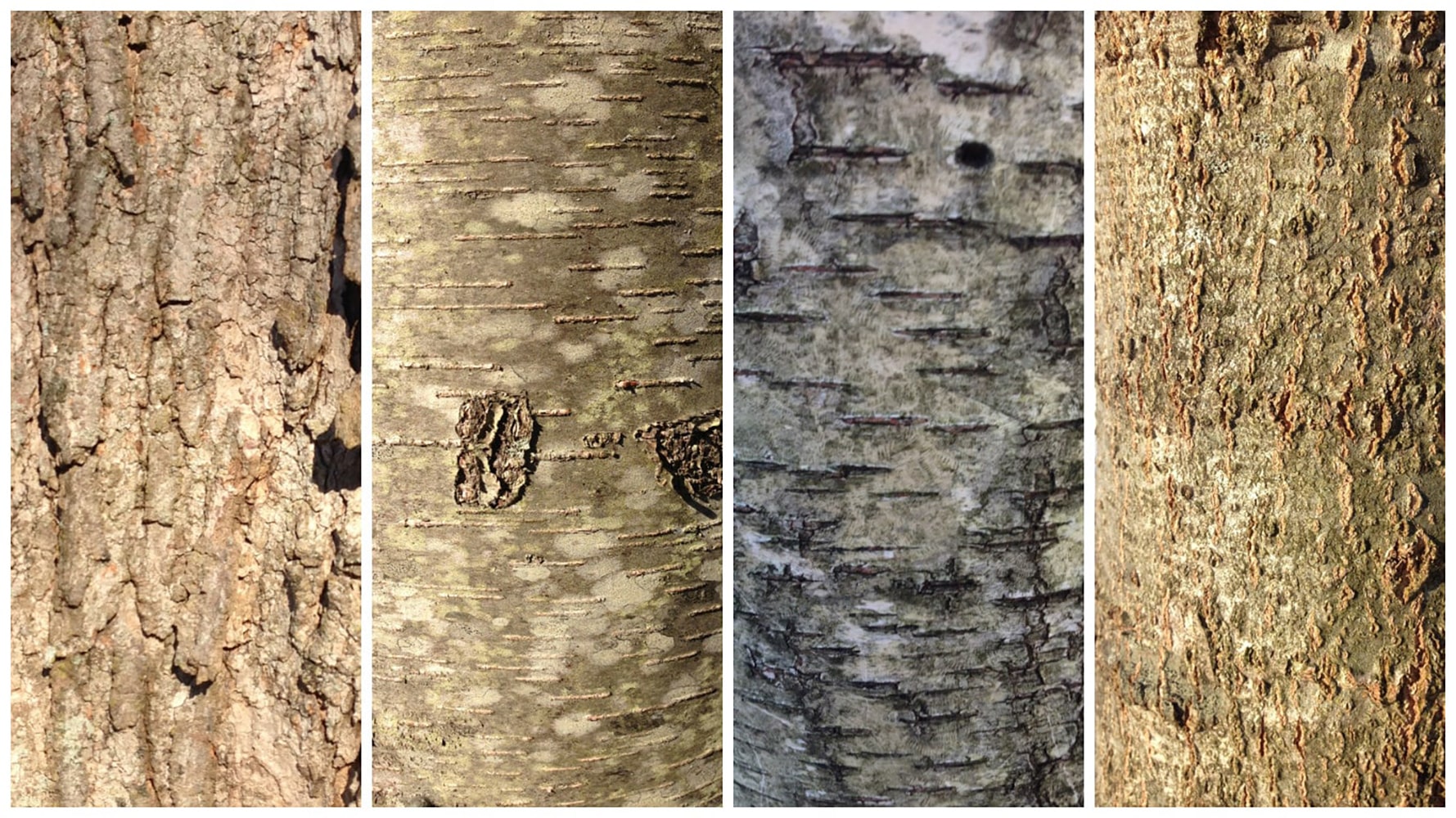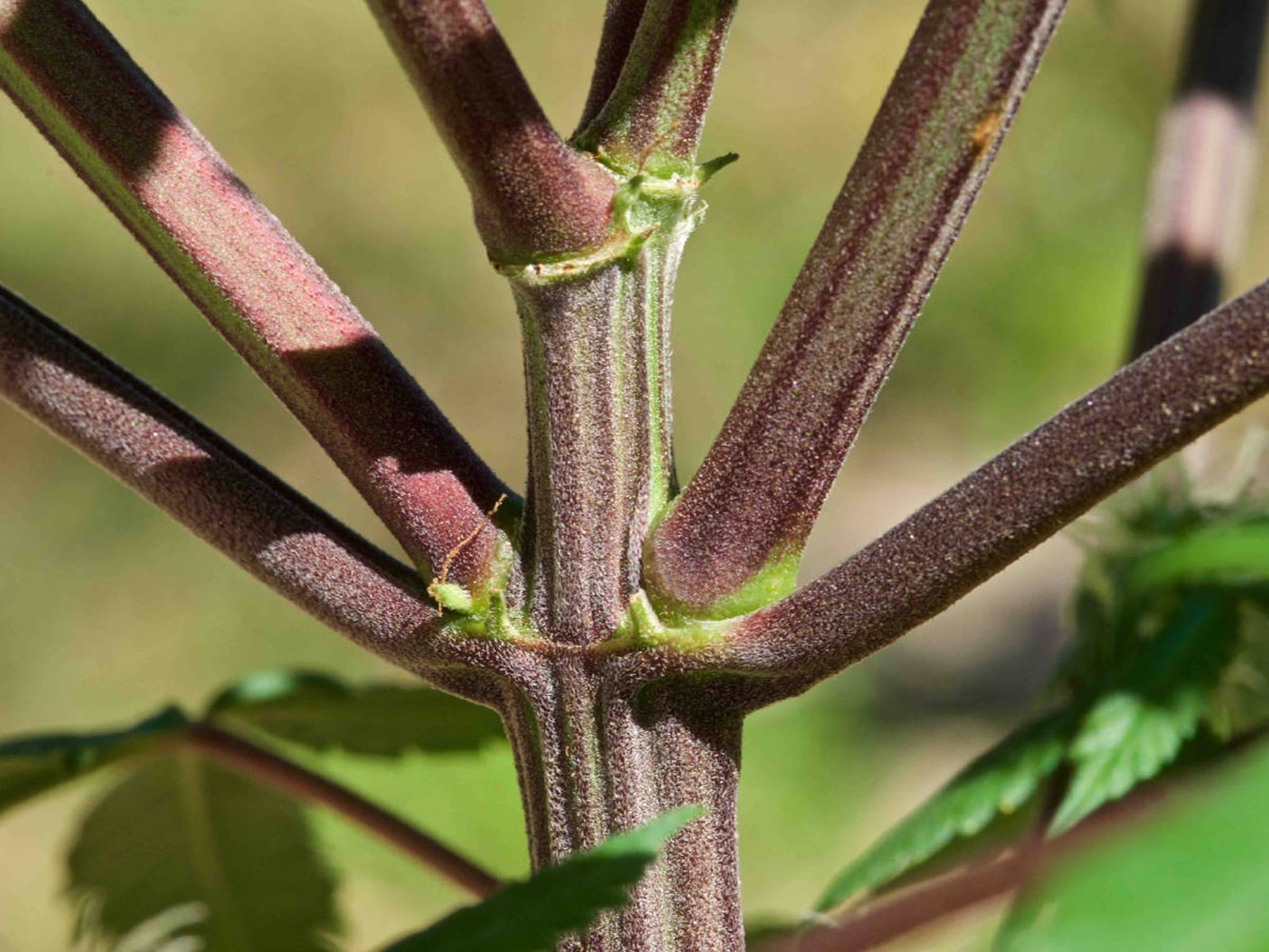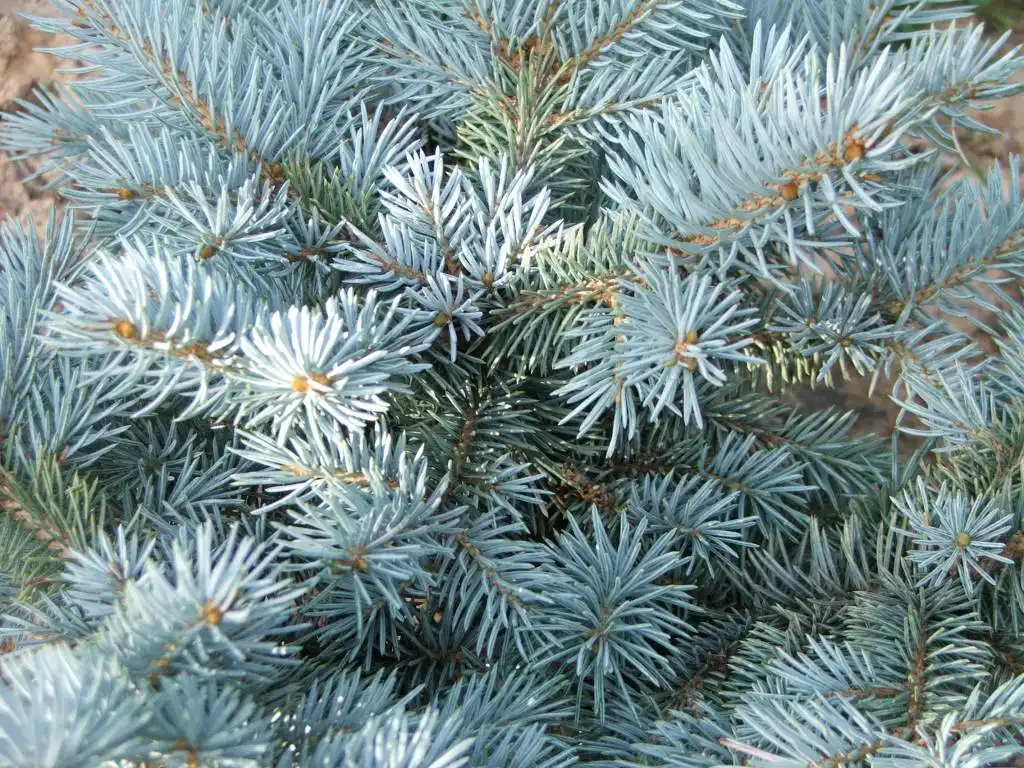
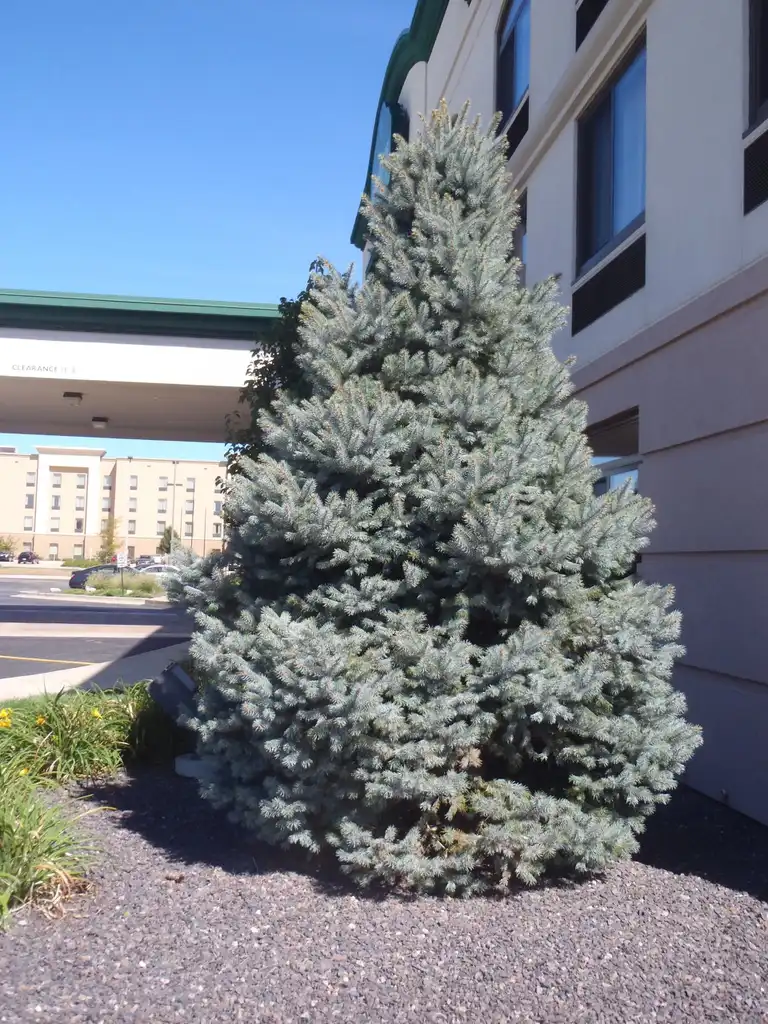
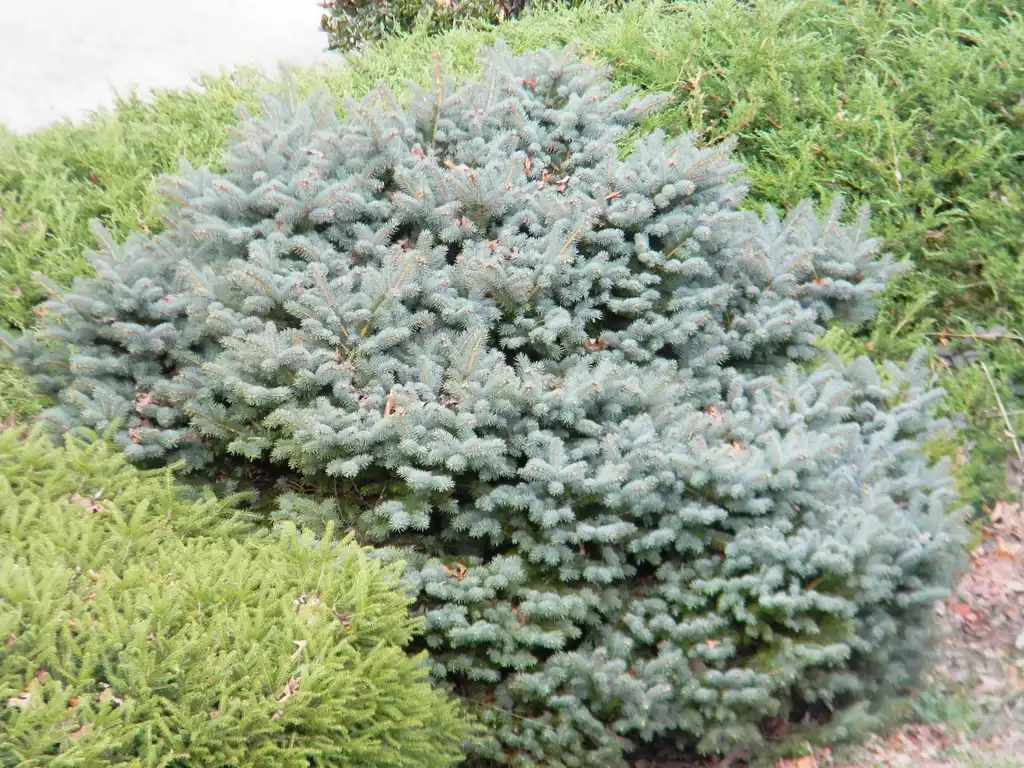
• Photo of Picea pungens (Picea pungenss)

Plant Profile: Picea pungens

Taxonomy: Picea pungens

Names

Blue Spruce, Colorado Spruce

  • Photo of Picea pungens (Picea pungenss)

Phonetic Spelling:PY-see-uh PUN-jenz

Genus:Picea

Species:pungens

Family:Pinaceae

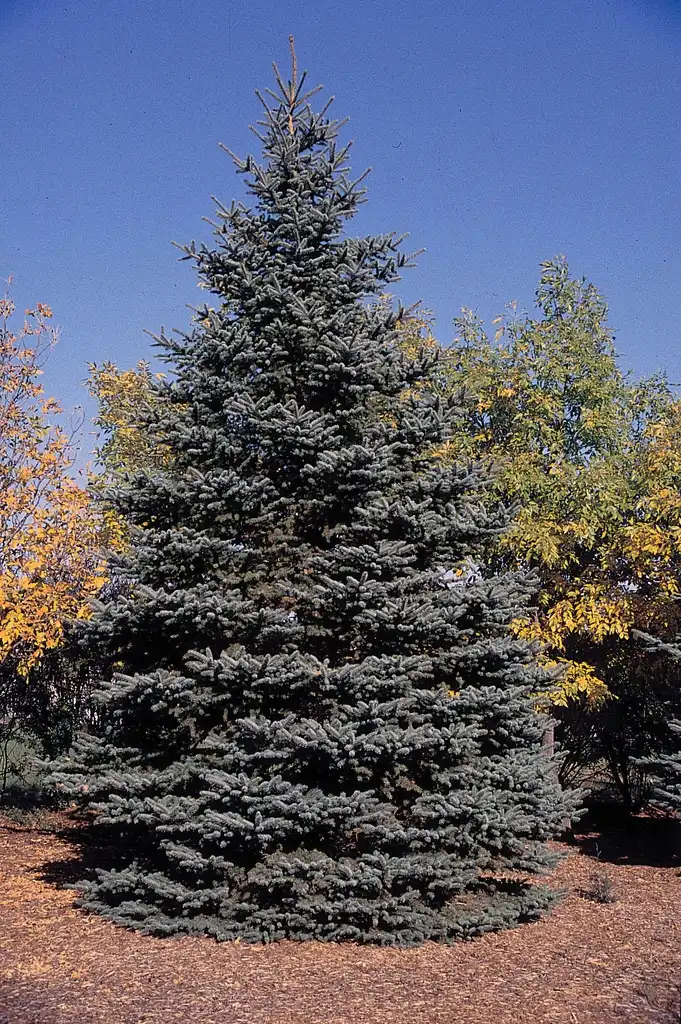
This conifer is a medium to large-sized tree characterized by its narrow, pyramidal shape and horizontal branches that extend to the ground. As an evergreen gymnosperm, it typically reaches heights of 30 to 60 feet and features a dense, conic to columnar crown. It is indigenous to the central Rocky Mountains, spanning from southern Montana and eastern Idaho down to New Mexico. This species thrives in cooler climates and is sensitive to heat and humidity.

It can be cultivated in average, well-drained soils under full sunlight, although it can tolerate partial shade. The plant favors rich, moist soil and should be kept consistently hydrated when young to prevent drying out. As it matures, it develops greater drought resistance. Its growth rate is slow to medium, and it exhibits more drought tolerance compared to other spruce varieties. Often chosen as a Christmas tree for its attractive bluish hue and sturdy needles, it has been increasingly replaced by Fraser fir due to the sharp leaf tips that pose a risk of injury to small children. After the holiday season, it is frequently planted outdoors as a specimen tree.

In terms of pests and diseases, this tree generally faces minimal issues; however, it can be susceptible to aphids, scale insects, budworms, and bagworms. The health and new growth of the tree may also be impacted by spider mites.

Identification Tips:

Picea pungens Feature Summary

Picea pungens Image Gallery

Tags

#evergreen
#drought tolerant
#specimen
#blue needles
#native tree
#tree
#winter interest
#tsc
#rabbit resistant
#air pollution tolerant
#cpp
#needled evergreen
#deer resistant
#fantz
#evergreen tree
#Christmas tree
#tsc-cg

Similar Plants

Picea pungens is often confused with:

Picea pungens Feature Summary

Fruit
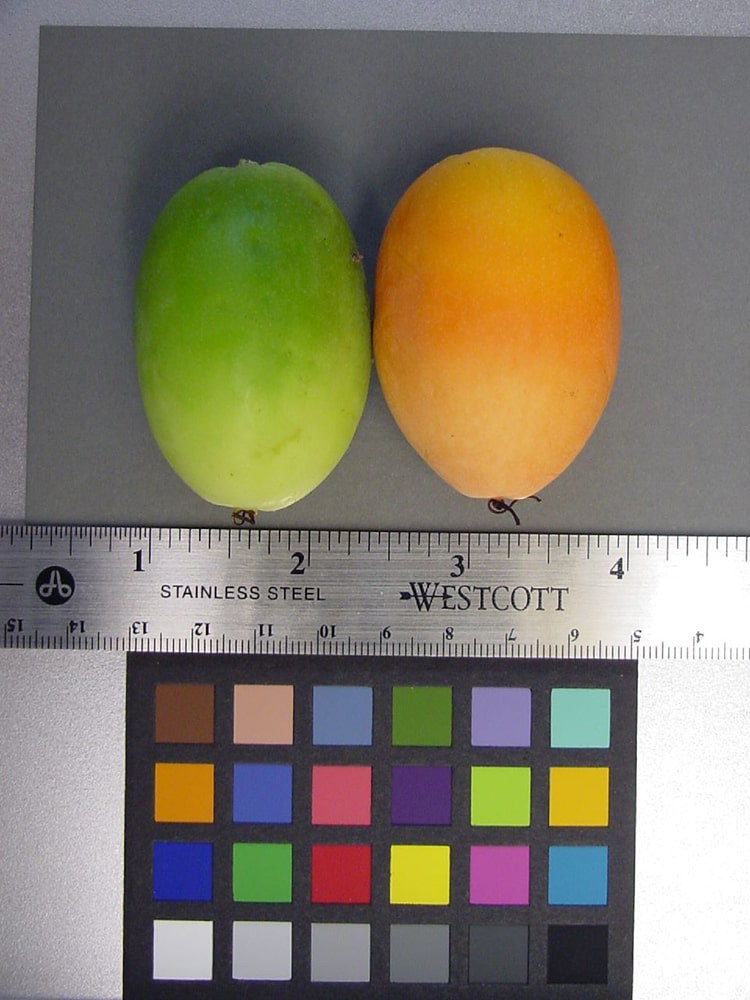
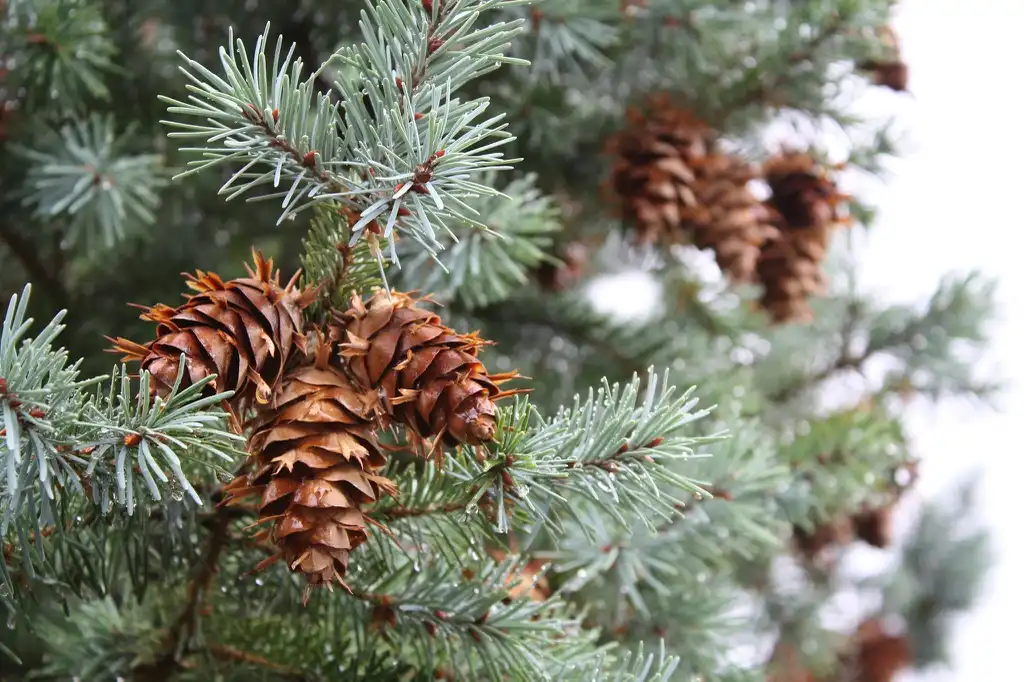
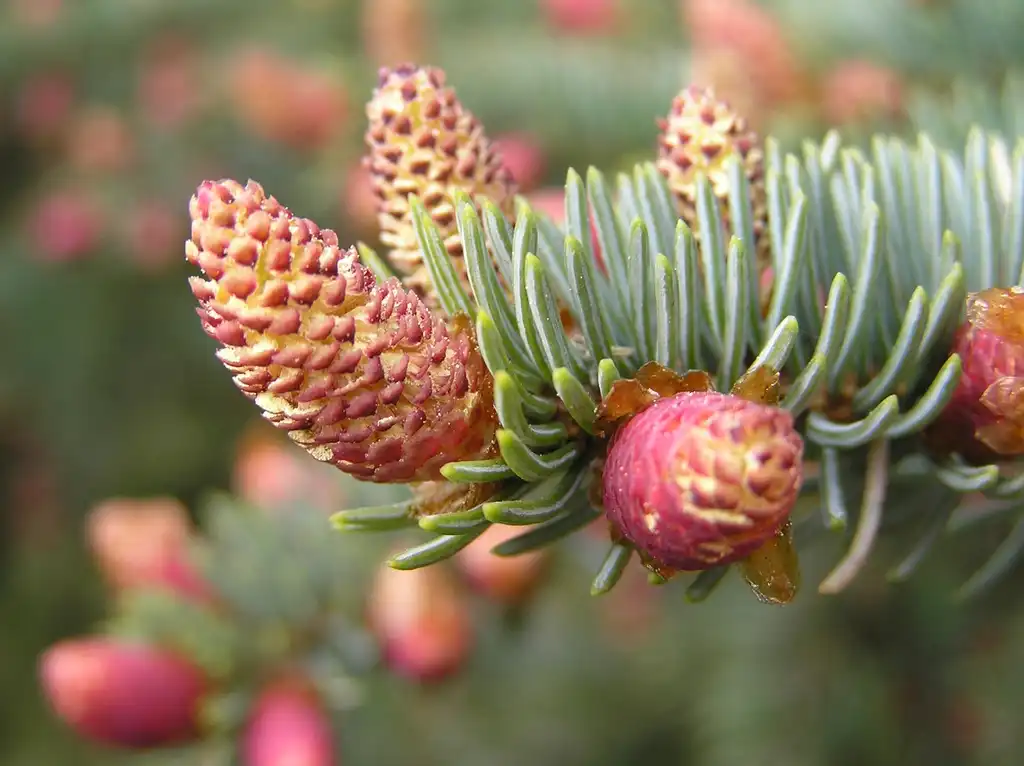
Female cones are oblong-cylindrical, sessile, pendulous, 2-4" long, 1" in diameter, are green with violet bloom, ripening light brown. Scales are thick based, apex is thin, and emarginate. Margins are finely toothed and undulate. Male cones are orange.
Green
Brown/Copper
Orange
1-3 inches
< 1 inch
Leaves
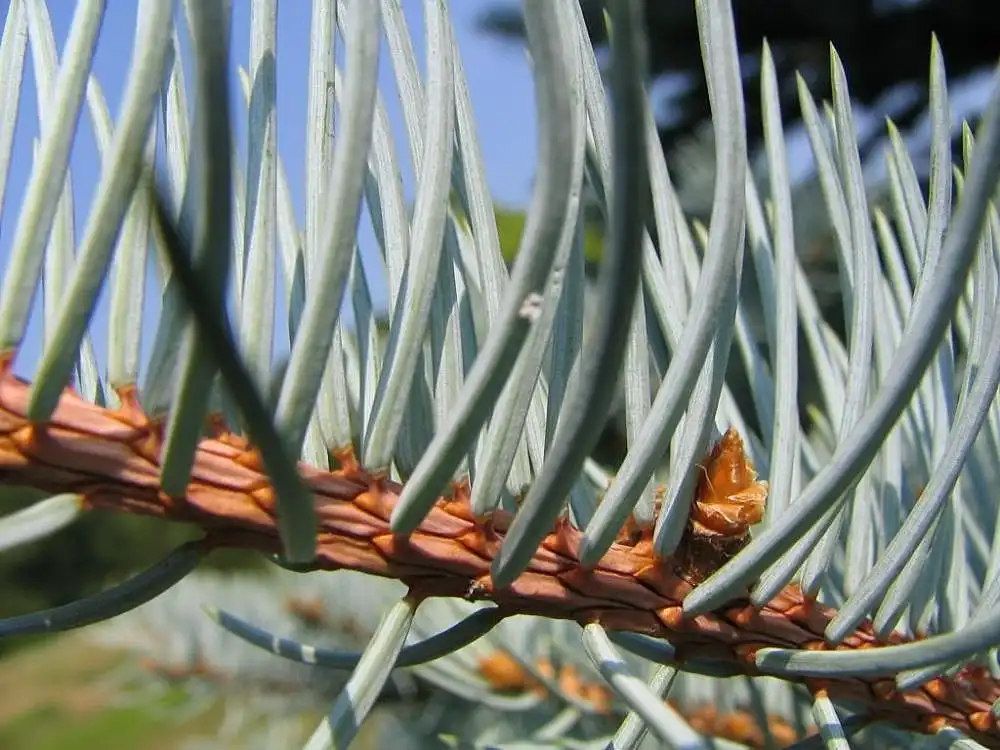
Leaves are alternate, saber-like, spreading more or less around stems, rigid, incurved, have apical spines, and are dull green to bluish to silvery-white in color. Leaves have stomatic lines one each lateral side. Leaves grow up to 1" in size.
Green
Gray/Silver
Blue
Needles
< 1 inch
Prickly
Bark
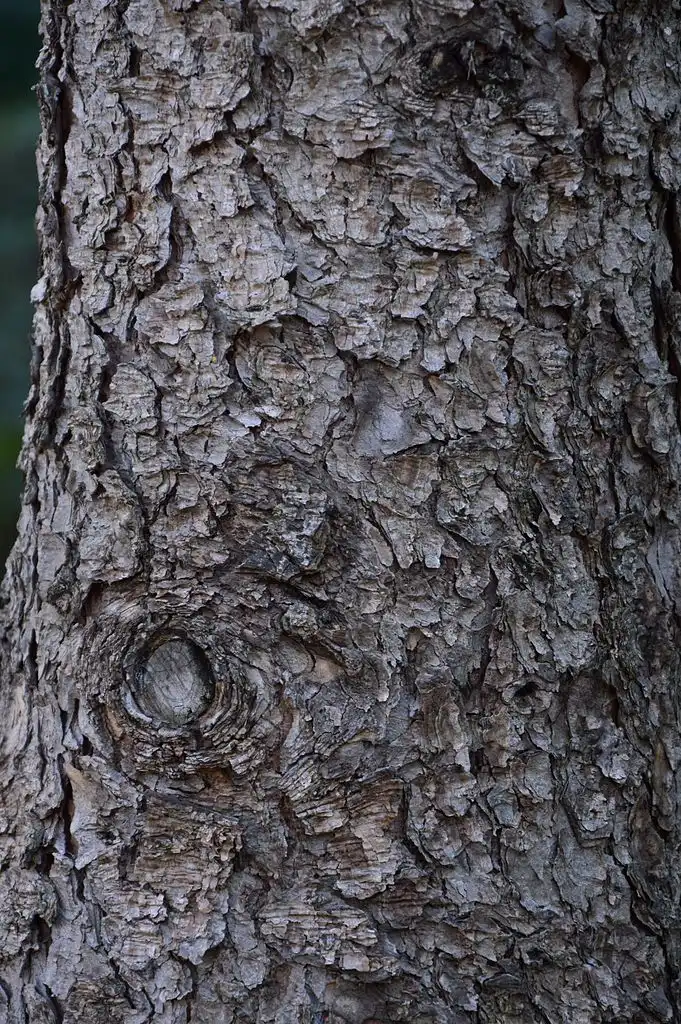
Bark is purplish-gray, deeply grooved, and forms thick scales.
Dark Gray
Dark Brown
Stem
Stem buds are broadly conical to nearly spherical, blunt, and yellowish-brown in color. Scales are loosely appressed, apices are reflexed, and they are more or less keeled. Branches are in whorls, horizontal, and the lowermost are downswept with age.
Whole Plant Traits
Columnar
Conical
Pyramidal
Medium
Prickles
Cultural Conditions
Full sun (6 or more hours of direct sunlight a day)
Partial Shade (Direct sunlight only part of the day, 2-6 hours)
Good Drainage
Mountains
4a
4b
5b
5a
6a
6b
7a
2a
2b
3a
3b
Clay
High Organic Matter
Loam (Silt)
Flowers
3-6 inches
Landscape
Drought Tolerant Garden
Winter Garden
Native Garden
Accent
Screen/Privacy
Specimen
Drought
Deer
Pollution
Rabbits
Recreational Play Area
Woodland
Lawn
Meadow
Naturalized Area

Picea pungens Attributes

Picea pungens: Country Or Region Of Origin

USA
Picea pungens: Life Cycle

Annual
Biennial
Bulb
Perennial
Woody

Picea pungens: Recommended Propagation Strategy

Division
Grafting
Layering
Leaf Cutting
Root Cutting
Seed
Stem Cutting

Picea pungens: Fire Risk Rating

extreme flammability
high flammability
low flammability
medium flammability

Picea pungens Fruit

Picea pungens: Fruit Description

Female cones are oblong-cylindrical, sessile, pendulous, 2-4" long, 1" in diameter, are green with violet bloom, ripening light brown. Scales are thick based, apex is thin, and emarginate. Margins are finely toothed and undulate. Male cones are orange.

Picea pungens: Fruit Color

grass
Brown/Copper
grass
Green
grass
Orange

Picea pungens: Fruit Length

< 1 inch
1-3 inches
> 3 inches

Picea pungens: Fruit Width

< 1 inch
1-3 inches
> 3 inches

Picea pungens Leaves

Picea pungens: Leaf Description

Leaves are alternate, saber-like, spreading more or less around stems, rigid, incurved, have apical spines, and are dull green to bluish to silvery-white in color. Leaves have stomatic lines one each lateral side. Leaves grow up to 1" in size.

Picea pungens: Woody Plant Leaf Characteristics

Broadleaf Evergreen
Deciduous
Needled Evergreen
Semi-evergreen

Picea pungens: Leaf Color

spa
Blue
spa
Gray/Silver
spa
Green

Picea pungens: Leaf Type

Compound (Pinnately , Bipinnately, Palmately)
Fronds
Needles
Sheath
Simple

Picea pungens: Leaf Arrangement

Alternate
Opposite
Other/more complex
Rosulate
Whorled

Picea pungens: Hairs Present

No
Yes

Picea pungens: Leaf Length

< 1 inch
1-3 inches
3-6 inches
> 6 inches

Picea pungens: Leaf Feel

Fleshy
Glossy
Leathery
Papery
Prickly
Rough
Rubbery
Slippery
Smooth
Soft
Velvety
Waxy

Picea pungens Bark

Picea pungens: Bark Description

Bark is purplish-gray, deeply grooved, and forms thick scales.

Picea pungens: Bark Color

grass
Dark Brown
grass
Dark Gray

Picea pungens Stem

Picea pungens: Stem Description

Stem buds are broadly conical to nearly spherical, blunt, and yellowish-brown in color. Scales are loosely appressed, apices are reflexed, and they are more or less keeled. Branches are in whorls, horizontal, and the lowermost are downswept with age.

Picea pungens: Stem Is Aromatic

No
Yes

Picea pungens Whole Plant Traits

Picea pungens: Plant Type

Annual
Bulb
Carnivorous
Edible
Epiphyte
Fern
Ground Cover
Herb
Herbaceous Perennial
Houseplant
Mushroom
Native Plant
Ornamental Grasses and Sedges
Perennial
Poisonous
Rose
Shrub
Succulent
Tree
Turfgrass
Vegetable
Vine
Water Plant
Weed
Wildflower

Picea pungens: Woody Plant Leaf Characteristics

Broadleaf Evergreen
Deciduous
Needled Evergreen
Semi-evergreen

Picea pungens: Habit/Form

Arching
Ascending
Broad
Cascading
Climbing
Clumping
Columnar
Conical
Creeping
Dense
Erect
Horizontal
Irregular
Mounding
Multi-stemmed
Multi-trunked
Open
Oval
Prostrate
Pyramidal
Rounded
Spreading
Vase
Weeping

Picea pungens: Growth Rate

Slow
Medium
Rapid

Picea pungens: Maintenance

Low
Medium
High

Picea pungens: Texture

Fine
Medium
Coarse

Picea pungens: Appendage

Prickles
Spines
Tendrils
Thorns

Picea pungens Cultural Conditions

Picea pungens: Light

Dappled Sunlight (Shade through upper canopy all day)
Deep shade (Less than 2 hours to no direct sunlight)
Full sun (6 or more hours of direct sunlight a day)
Partial Shade (Direct sunlight only part of the day, 2-6 hours)

Picea pungens: Soil Drainage

Frequent Standing Water
Good Drainage
Moist
Occasional Flooding
Occasionally Dry
Occasionally Wet
Very Dry

Picea pungens: Available Space To Plant

12 inches-3 feet
12-24 feet
24-60 feet
3 feet-6 feet
6-feet-12 feet
Less than 12 inches
more than 60 feet

Picea pungens: NC Region

Coastal
Mountains
Piedmont

Picea pungens: USDA Plant Hardiness Zone

thermostat
2a
thermostat
2b
thermostat
3a
thermostat
3b
thermostat
4a
thermostat
4b
thermostat
5a
thermostat
5b
thermostat
6a
thermostat
6b
thermostat
7a

Picea pungens: Soil Texture

Clay
High Organic Matter
Loam (Silt)
Sand
Shallow Rocky

Picea pungens Flowers

Picea pungens: Flower Size

1-3 inches
3-6 inches
< 1 inch
> 6 inches

Picea pungens Landscape

Picea pungens: Landscape Theme

Asian Garden
Butterfly Garden
Children's Garden
Cottage Garden
Cutting Garden
Drought Tolerant Garden
Edible Garden
English Garden
Fairy Garden
Garden for the Blind
Native Garden
Nighttime Garden
Pollinator Garden
Rain Garden
Rock Garden
Shade Garden
Water Garden
Winter Garden

Picea pungens: Design Feature

Accent
Barrier
Border
Flowering Tree
Foundation Planting
Hedge
Mass Planting
Screen/Privacy
Security
Shade Tree
Small groups
Small Tree
Specimen
Street Tree
Understory Tree

Picea pungens: Resistance To Challenges

Black Walnut
Compaction
Deer
Diseases
Drought
Dry Soil
Erosion
Fire
Foot Traffic
Heat
Heavy Shade
Humidity
Insect Pests
Pollution
Poor Soil
Rabbits
Salt
Slugs
Squirrels
Storm damage
Urban Conditions
Voles
Wet Soil
Wind

Picea pungens: Landscape Location

Coastal
Container
Hanging Baskets
Houseplants
Lawn
Meadow
Naturalized Area
Near Septic
Patio
Pond
Pool/Hardscape
Recreational Play Area
Riparian
Rock Wall
Slope/Bank
Small Space
Vertical Spaces
Walkways
Woodland