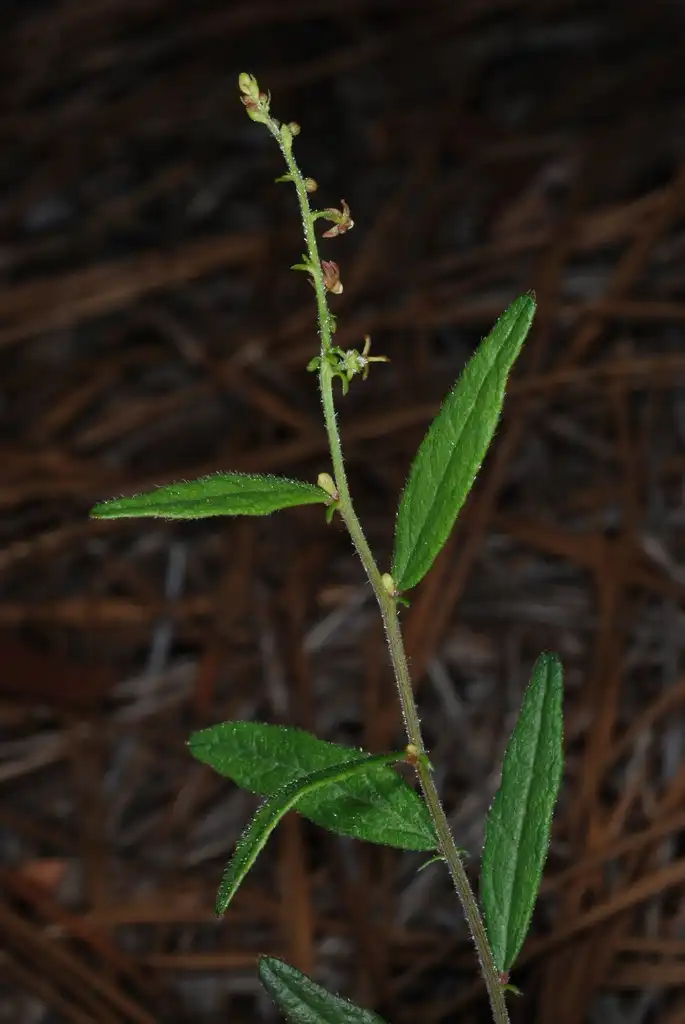
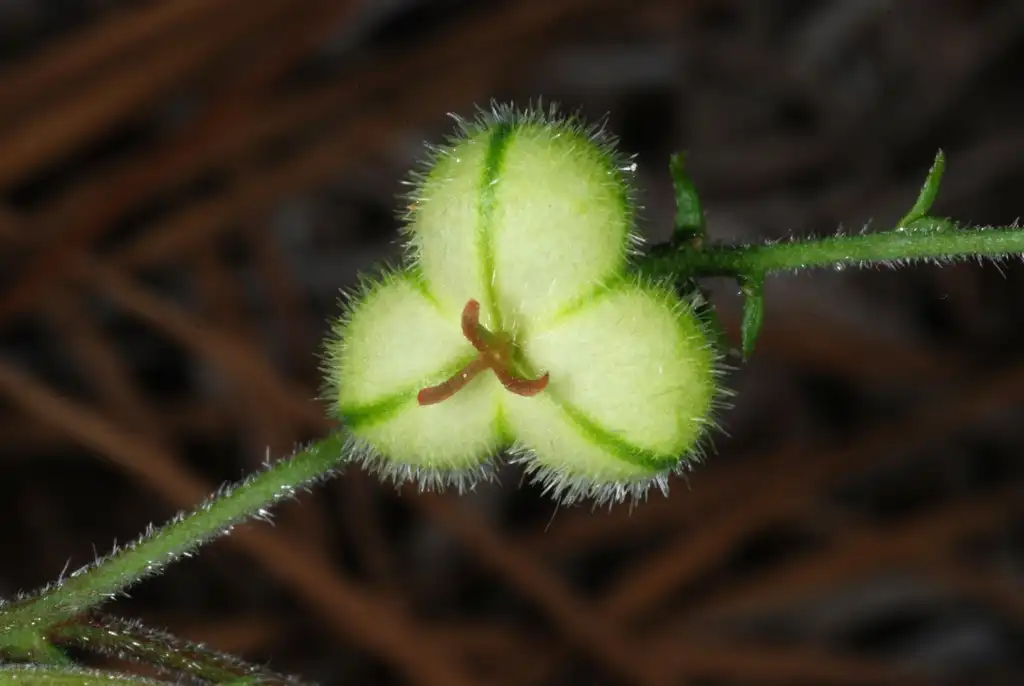
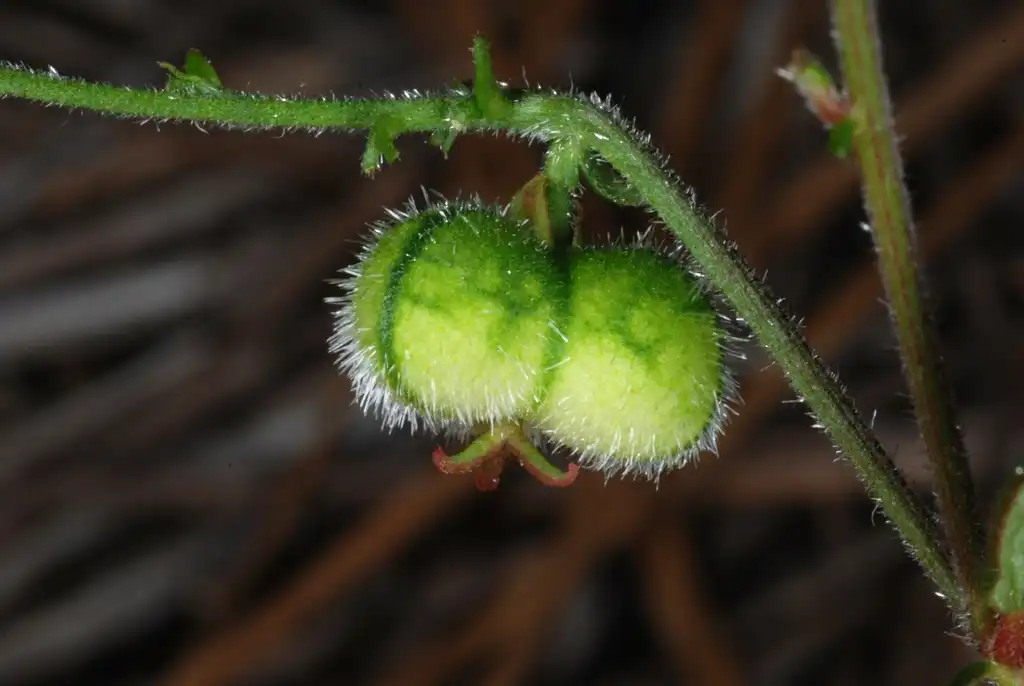
• Photo of Tragia urens (Tragia urenss)

Plant Profile: Tragia urens

Taxonomy: Tragia urens

Names

Southeastern Noseburn, Wavyleaf Noseburn

  • Photo of Tragia urens (Tragia urenss)

Phonetic Spelling:

Genus:Tragia

Species:urens

Family:Euphorbiaceae

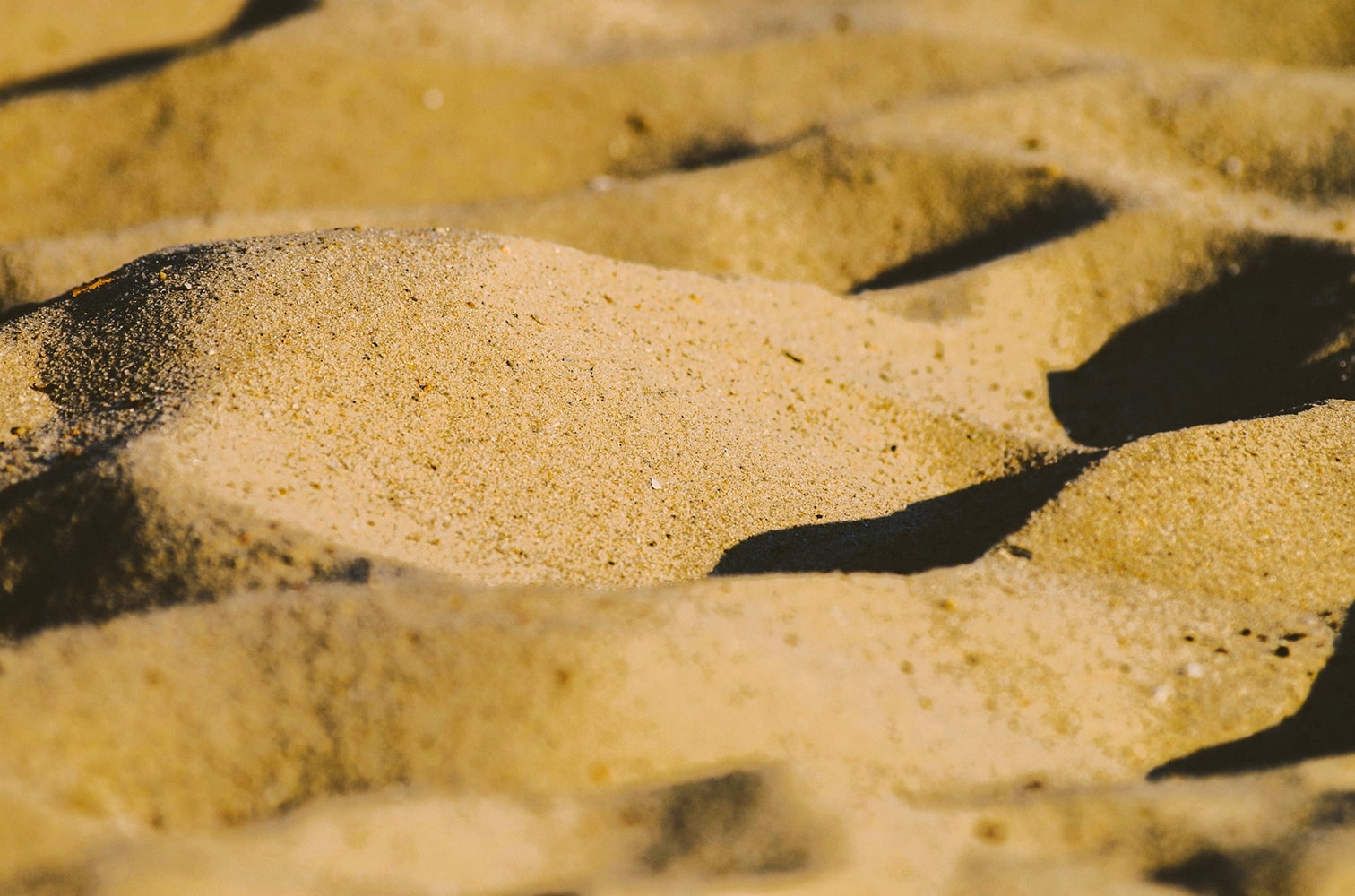
Wavyleaf noseburn is a perennial plant indigenous to the Euphorbiaceae family, commonly known as spurge. This species thrives in dry, sandy soil conditions.

Tragia urens Feature Summary

Tragia urens Image Gallery

Tags

#native perennial
#NC native
#hairy leaves

Similar Plants

Tragia urens Feature Summary

Attributes
Southeastern U.S.A. to TX
Perennial
Flowers
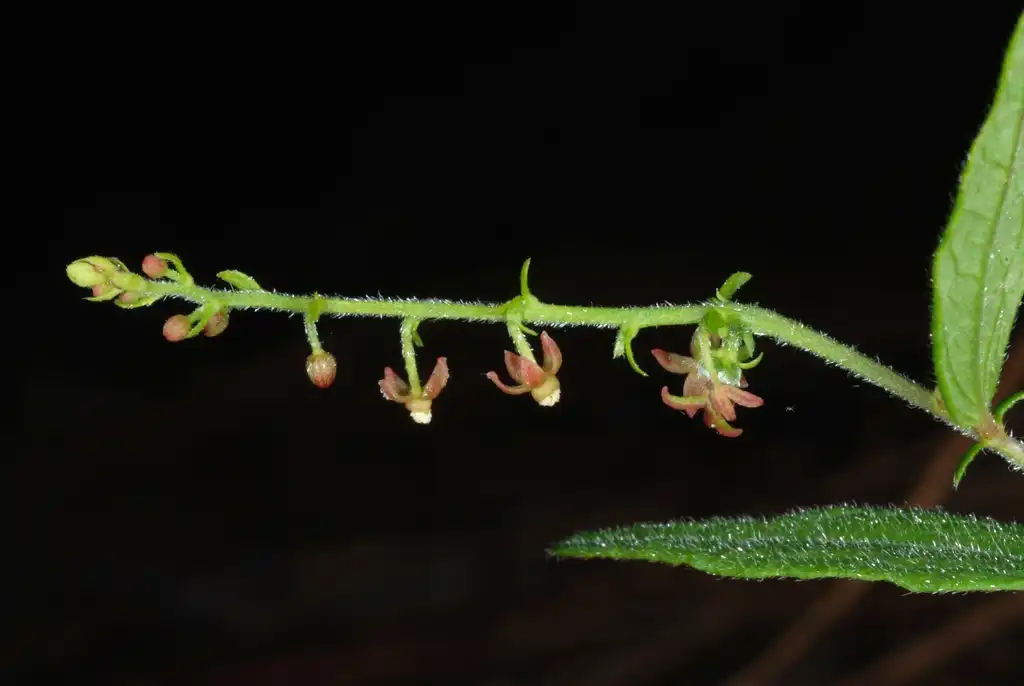
Tiny blooms in racemes that form in the axils from April to June with small orange yellow flowers with 5 red spotted petals that bend backward.
Gold/Yellow
Red/Burgundy
Green
Orange
Spring
Summer
4-5 petals/rays
Leaves
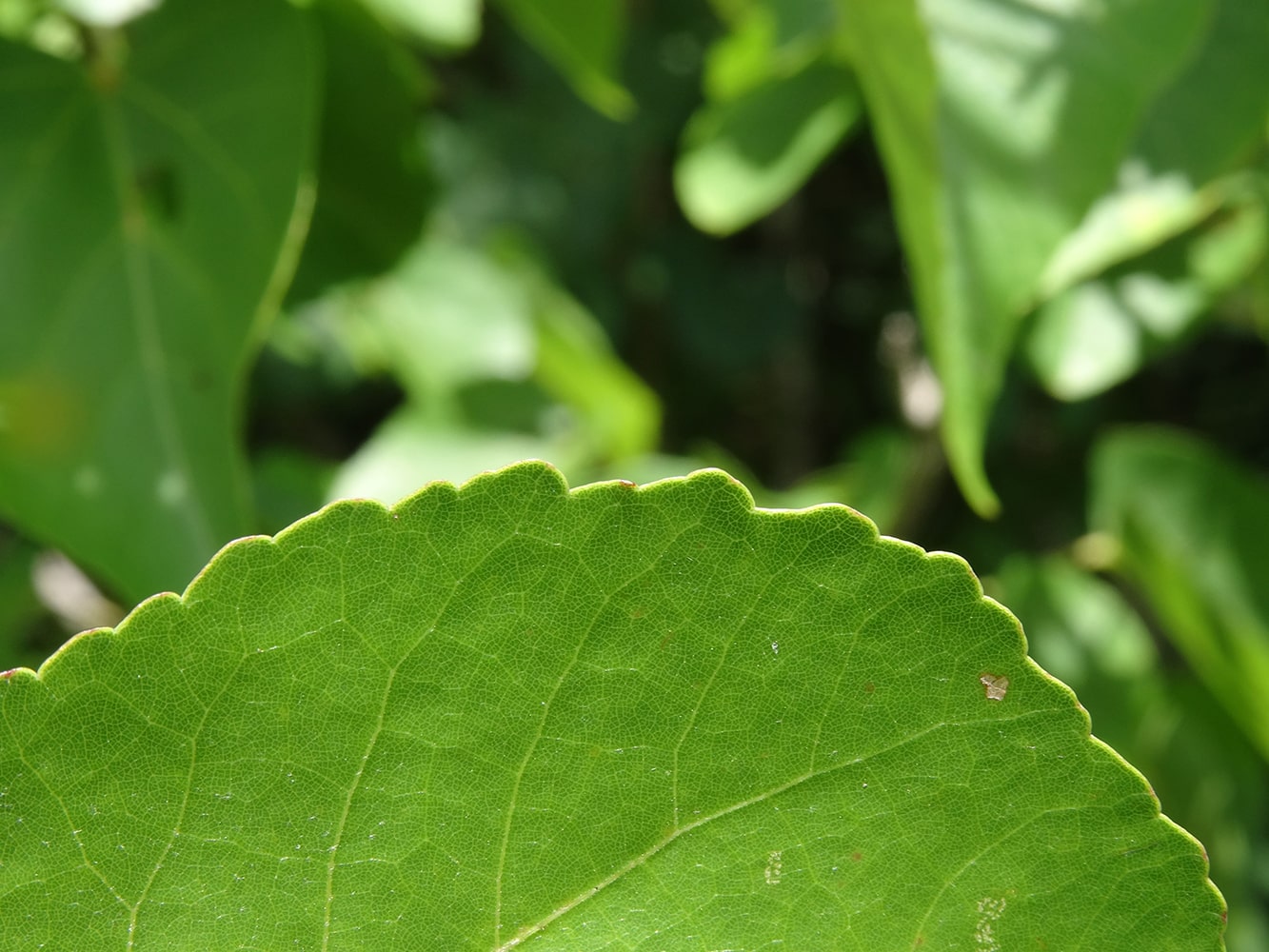
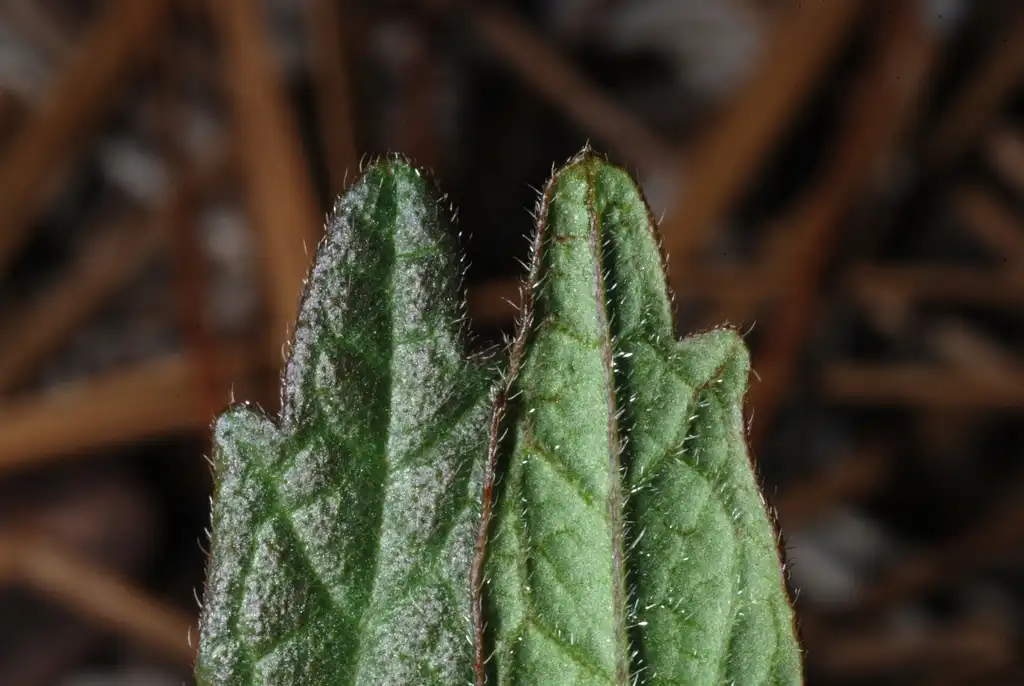
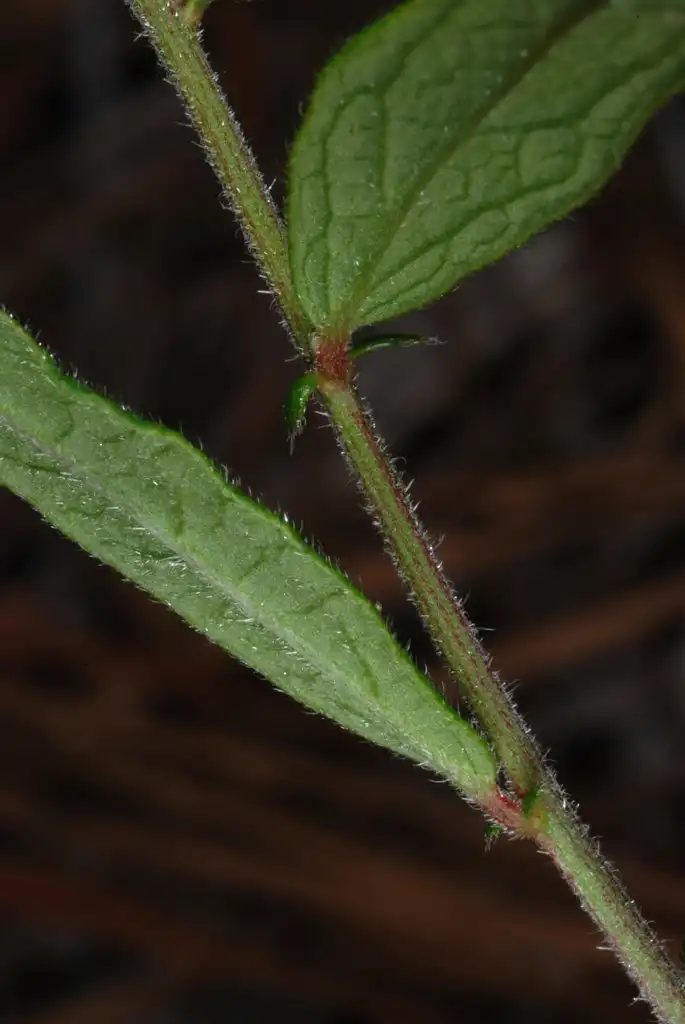
Alternate simple leaves with hairs margins entire, undulate or sinuate with a few distal teeth.
Entire
Sinuate
Undulate
Stem
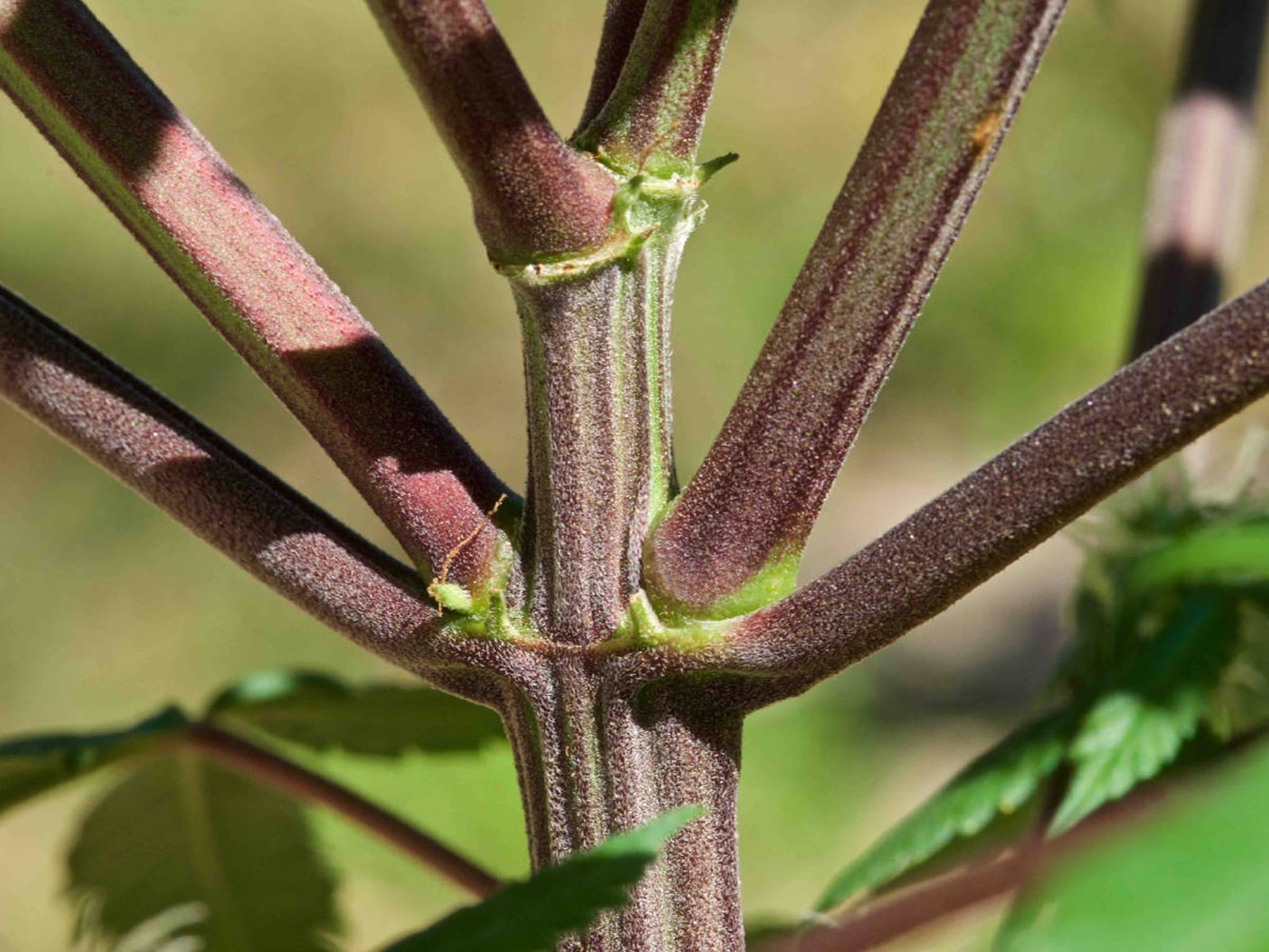
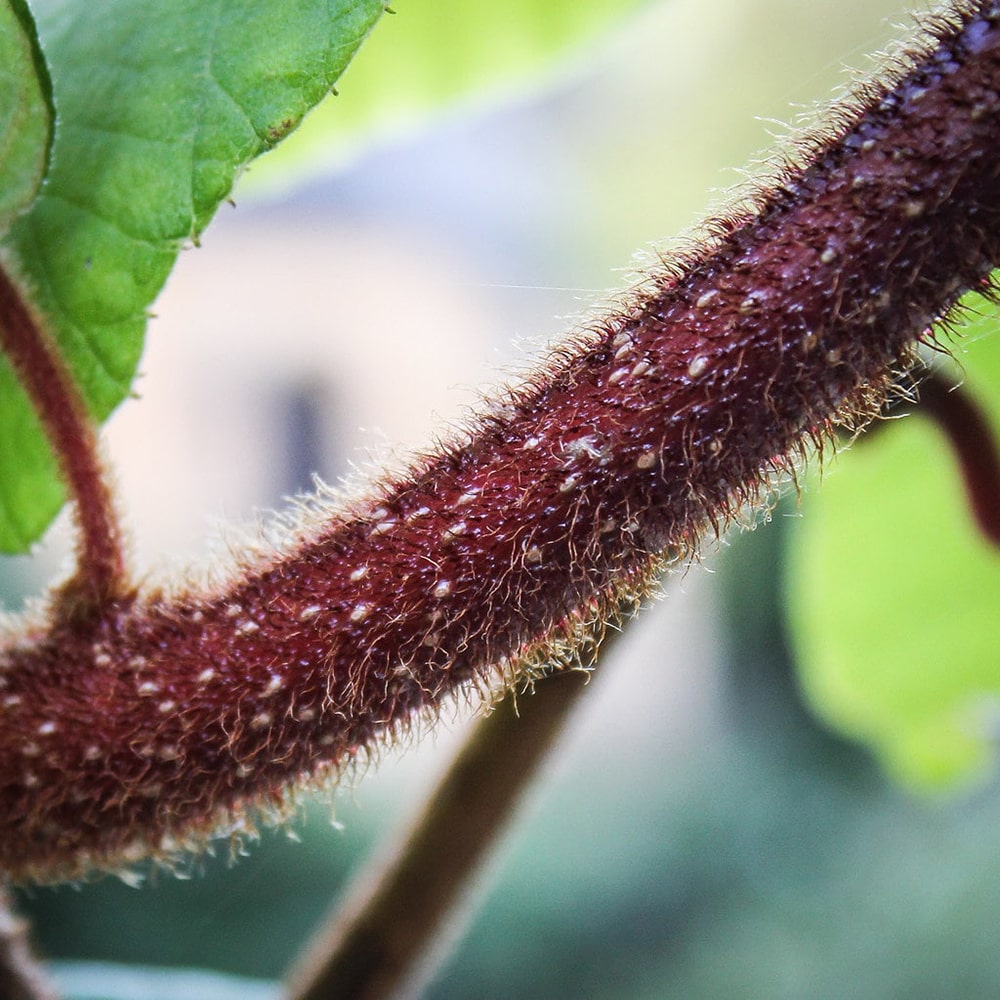
Erect thin branched stems with soft pubesenct hairs
Hairy (pubescent)
Whole Plant Traits
Perennial
Herbaceous Perennial
Native Plant
Cultural Conditions
Occasionally Dry
Very Dry
Fruit

Tragia urens Attributes

Tragia urens: Country Or Region Of Origin

Southeastern U.S.A. to TX
Tragia urens: Life Cycle

Annual
Biennial
Bulb
Perennial
Woody

Tragia urens Flowers

Tragia urens: Flower Description

Tiny blooms in racemes that form in the axils from April to June with small orange yellow flowers with 5 red spotted petals that bend backward.

Tragia urens: Flower Color

filter_vintage
Gold/Yellow
filter_vintage
Green
filter_vintage
Orange
filter_vintage
Red/Burgundy

Tragia urens: Flower Inflorescence

Catkin
Corymb
Cyme
Head
Insignificant
Panicle
Raceme
Solitary
Spadix
Spike
Umbel

Tragia urens: Flower Bloom Time

Winter
Spring
Summer
Fall

Tragia urens: Flower Petals

2-3 rays/petals
4-5 petals/rays
6 petals/rays
7 - 20 petals/rays
asymmetrical petals
Bracts
Colored Sepals
fused petals
more than 20 petals/rays
Tepals

Tragia urens Leaves

Tragia urens: Leaf Description

Alternate simple leaves with hairs margins entire, undulate or sinuate with a few distal teeth.

Tragia urens: Leaf Color

spa
Green

Tragia urens: Leaf Type

Compound (Pinnately , Bipinnately, Palmately)
Fronds
Needles
Sheath
Simple

Tragia urens: Leaf Arrangement

Alternate
Opposite
Other/more complex
Rosulate
Whorled

Tragia urens: Leaf Margin

Crenate
Crenulate
Dentate
Denticulate
Doubly Crenate
Doubly Dentate
Doubly Serrate
Entire
Lobed
Serrate
Sinuate
Undulate

Tragia urens: Hairs Present

No
Yes

Tragia urens Stem

Tragia urens: Stem Description

Erect thin branched stems with soft pubesenct hairs

Tragia urens: Stem Color

grass
Green

Tragia urens: Stem Is Aromatic

No
Yes

Tragia urens: Stem Surface

Corky Ridges
Covered with a powdery bloom (glaucous)
Dull
Hairy (pubescent)
Polished
Smooth (glabrous)

Tragia urens Whole Plant Traits

Tragia urens: Plant Type

Annual
Bulb
Carnivorous
Edible
Epiphyte
Fern
Ground Cover
Herb
Herbaceous Perennial
Houseplant
Mushroom
Native Plant
Ornamental Grasses and Sedges
Perennial
Poisonous
Rose
Shrub
Succulent
Tree
Turfgrass
Vegetable
Vine
Water Plant
Weed
Wildflower

Tragia urens: Habit/Form

Arching
Ascending
Broad
Cascading
Climbing
Clumping
Columnar
Conical
Creeping
Dense
Erect
Horizontal
Irregular
Mounding
Multi-stemmed
Multi-trunked
Open
Oval
Prostrate
Pyramidal
Rounded
Spreading
Vase
Weeping

Tragia urens Cultural Conditions

Tragia urens: Soil Drainage

Frequent Standing Water
Good Drainage
Moist
Occasional Flooding
Occasionally Dry
Occasionally Wet
Very Dry

Tragia urens: Soil Texture

Clay
High Organic Matter
Loam (Silt)
Sand
Shallow Rocky

Tragia urens Fruit

Tragia urens: Fruit Type

Achene
Aggregate
Berry
Capsule
Caryopsis
Drupe
Follicle
Legume
Nut
Pome
Samara
Schizocarp
Siliqua