Trifolium hybridum: Country Or Region Of Origin
Mediterranean, Iran
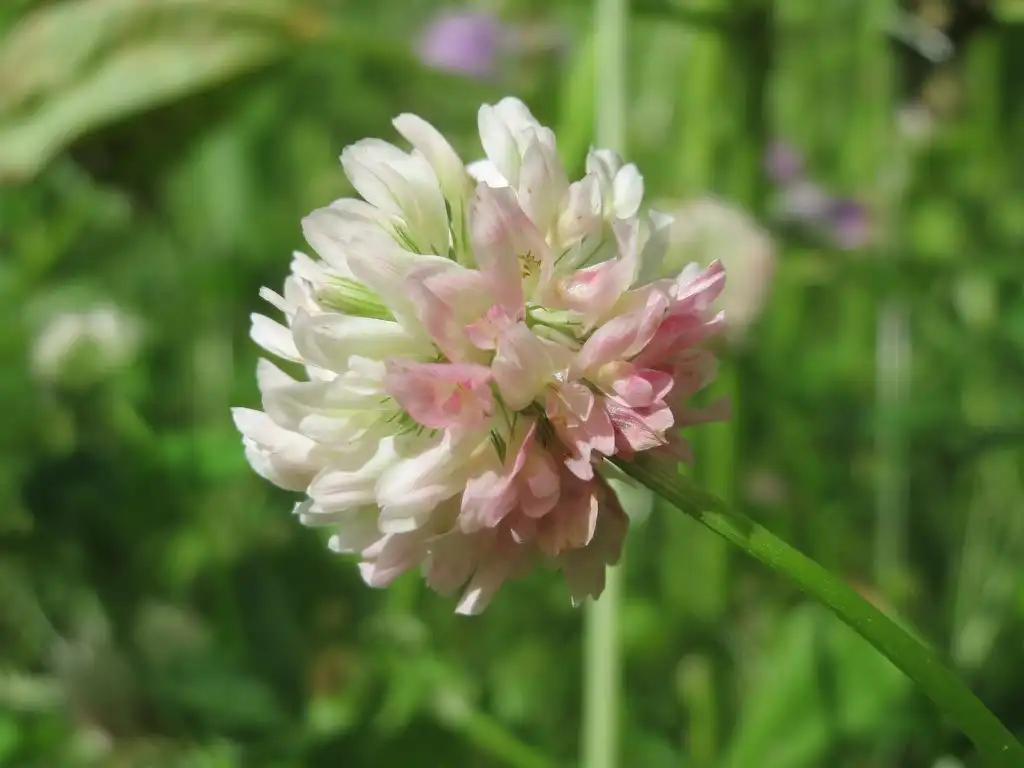
Phonetic Spelling:try-FOH-lee-um HI-bree-DUM
Genus:Trifolium
Species:hybridum
Family:Fabaceae
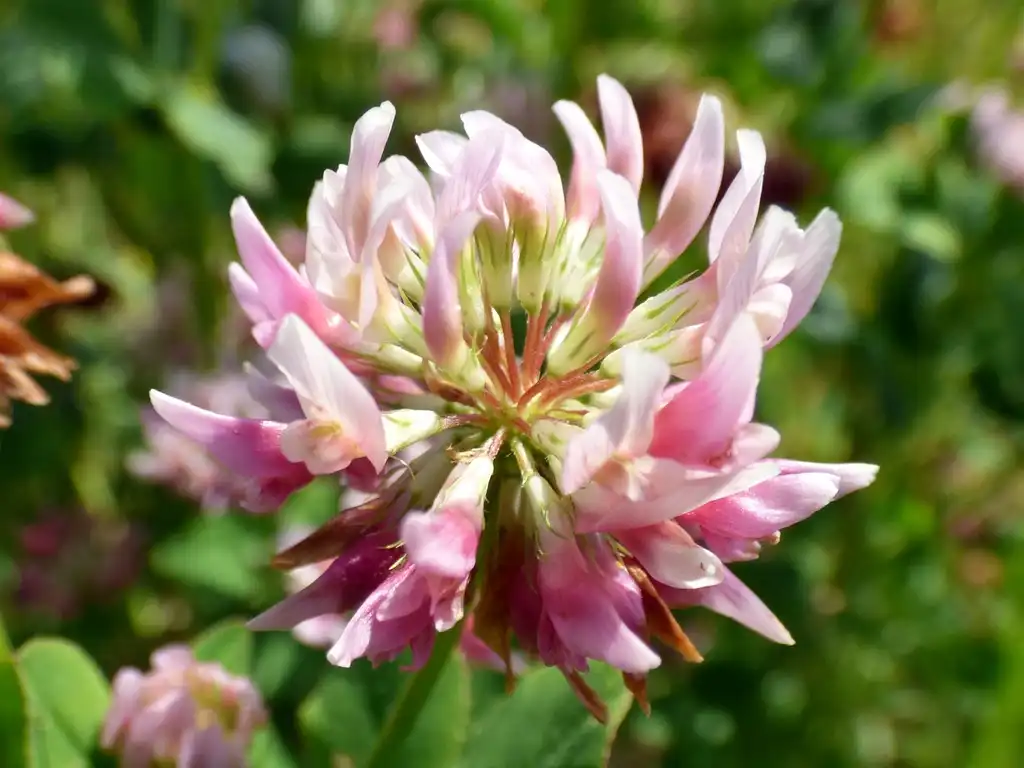
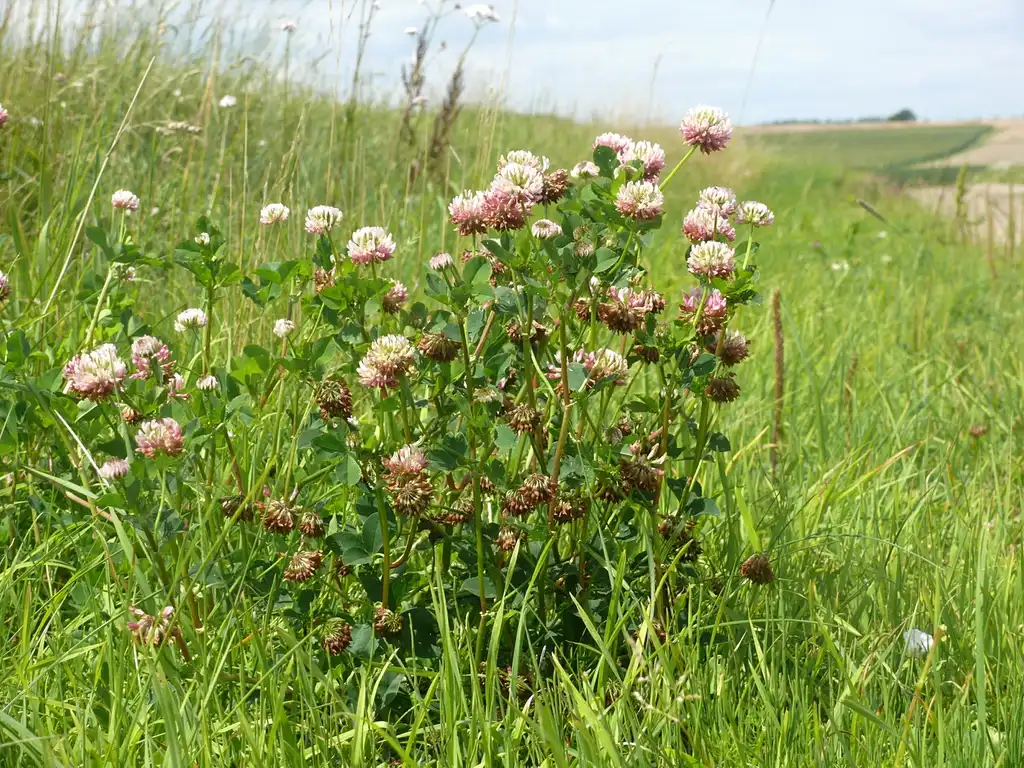
Trifolium hybridum, commonly known as Alsike Clover, is a flowering plant belonging to the bean family. It thrives in environments such as damp meadows, pastures, abandoned fields, and along roadsides, with optimal growth occurring in cool, moist conditions. The name "Alsike Clover" pays homage to Carl Linnaeus, a passionate botanist who first identified the plant in Alsike, a quaint town in Sweden. Early European settlers introduced it to the United States, where it has since become established across the Americas.
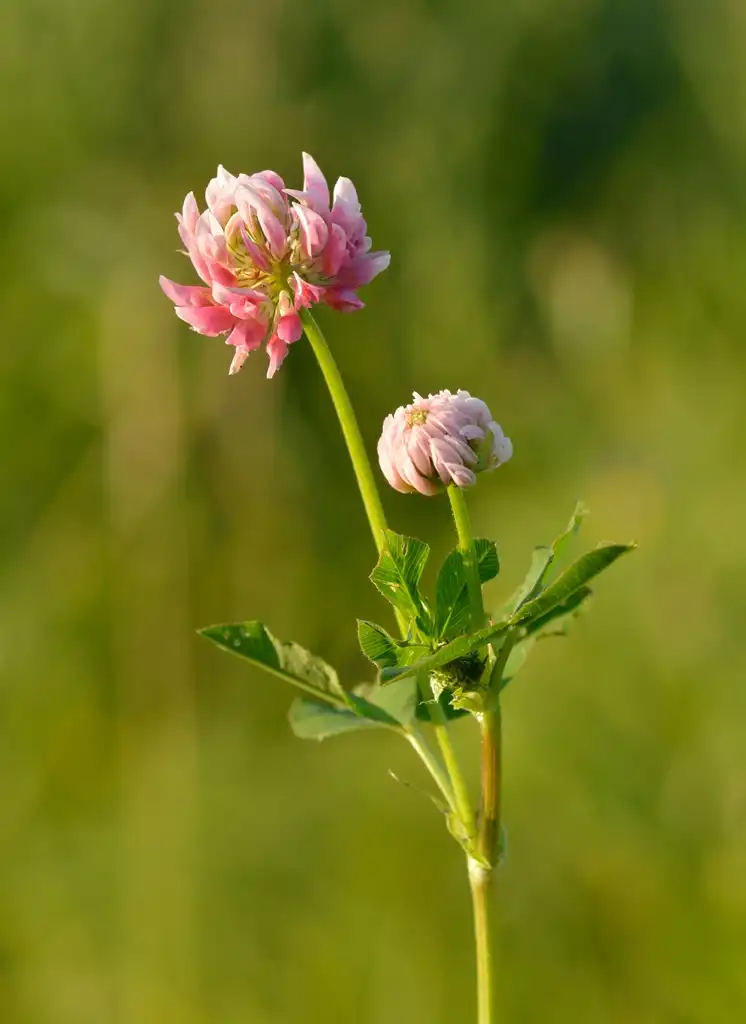
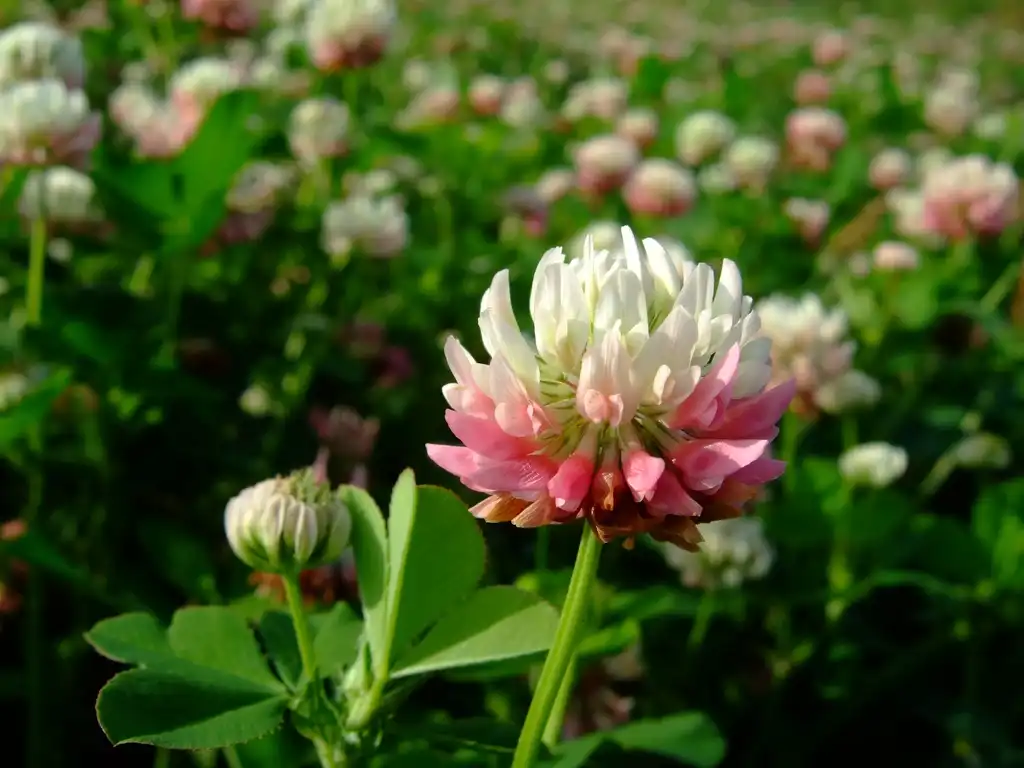
The plant features round flower clusters that range in color from light pink to white. As the blossoms mature, the pink hue deepens, starting with the lower flowers, creating a visually appealing two-toned effect.
While often regarded as a weed, Alsike Clover plays a crucial role in supporting wildlife. A diverse array of insects, including bees and butterflies, as well as songbirds, game birds, and various mammals, rely on its seeds and foliage for nourishment.
This species is frequently mistaken for Trifolium repens or Trifolium pratense. Key distinguishing features include the presence of a peduncle (a stalk-like structure) in the flower head of Trifolium hybridum, which is not supported by stipules or leaves. Unlike Trifolium repens, it does not spread along the ground or root at its nodes, and its leaflets are unmarked, whereas Trifolium repens may exhibit an inverted V pattern near their base.
In terms of care, Alsike Clover does not thrive under regular mowing conditions.
Trifolium hybridum Feature Summary
Trifolium hybridum Image Gallery