Trifolium reflexum: Country Or Region Of Origin
Central and eastern U.S.A.
Phonetic Spelling:try-FOH-lee-um
Genus:Trifolium
Species:reflexum
Family:Fabaceae
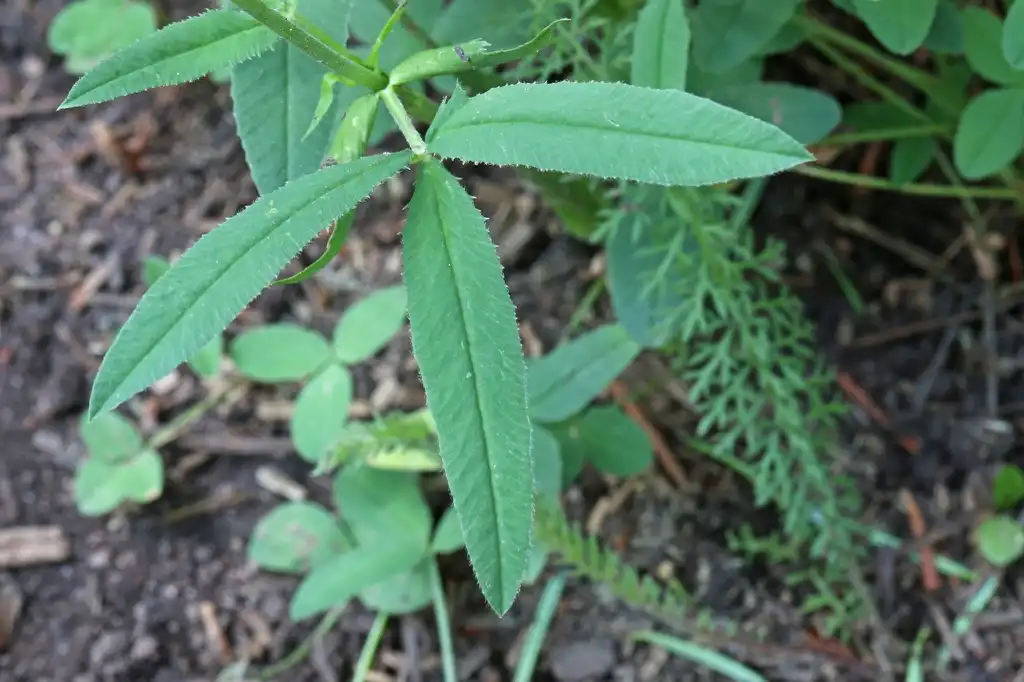
Trifolium reflexum, commonly known as Buffalo Clover, is a perennial plant native to North Carolina and belongs to the legume family. Once plentiful, this rare species has experienced a significant decline over recent decades and is now classified as State Threatened in North Carolina. When it is found, it rarely exists in large populations, often overshadowed by taller plants and facing unexplained declines.
Buffalo Clover thrives in natural environments such as open woodlands, edges of forests, and other dry, shaded areas. While wildfires can harm some individual plants, controlled burns in certain regions have been beneficial, promoting the germination of dormant seeds and creating favorable conditions for new growth.
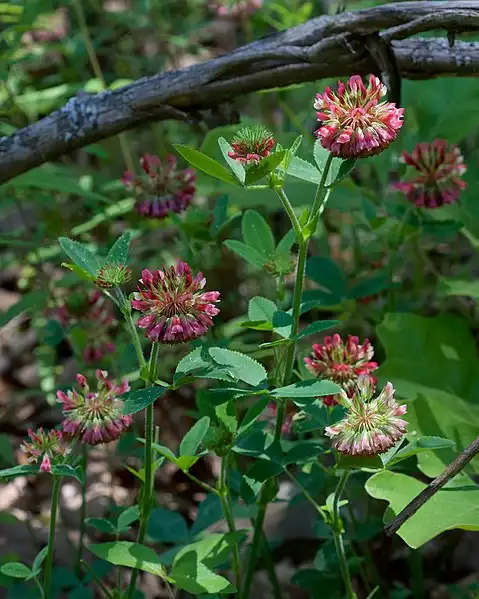
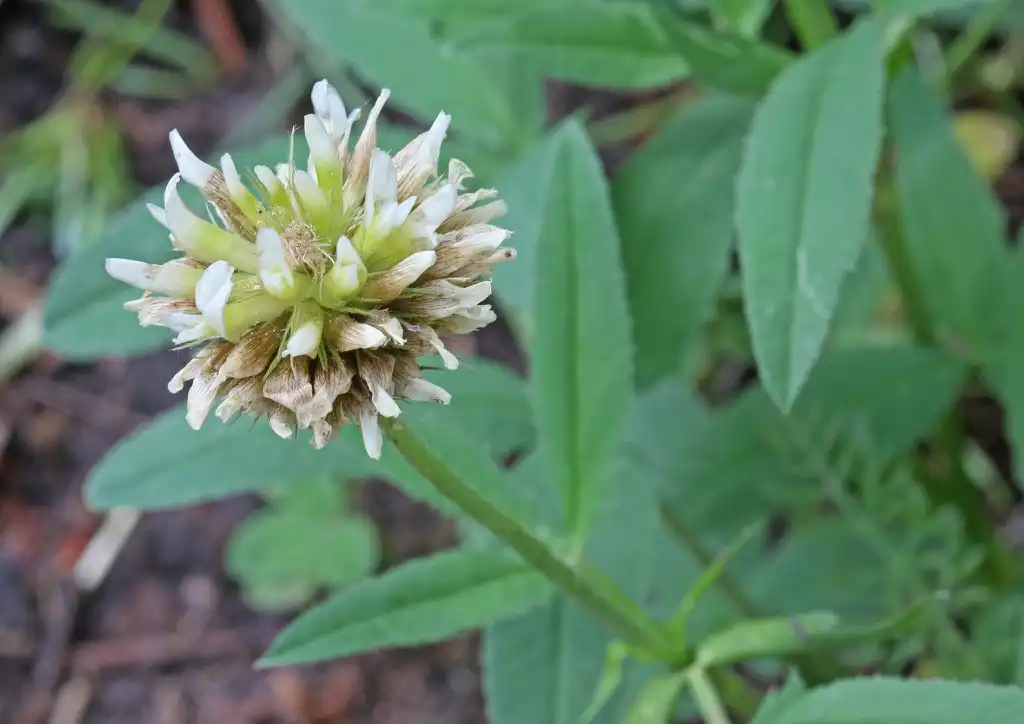
This species is frequently mistaken for Trifolium pratense, or Alsike Clover. A key difference is that the flower heads of Buffalo Clover rise well above the leaves, whereas those of Alsike Clover appear to rest on them. Additionally, during and shortly after blooming, the lower parts of Buffalo Clover's flowers tend to droop, resulting in a distinctive two-part flower structure: an upright upper section and a hanging lower portion, which contributes to its botanical name, reflexum.
Insects, diseases, and other plant-related issues:
Trifolium reflexum Feature Summary
Trifolium reflexum Image Gallery