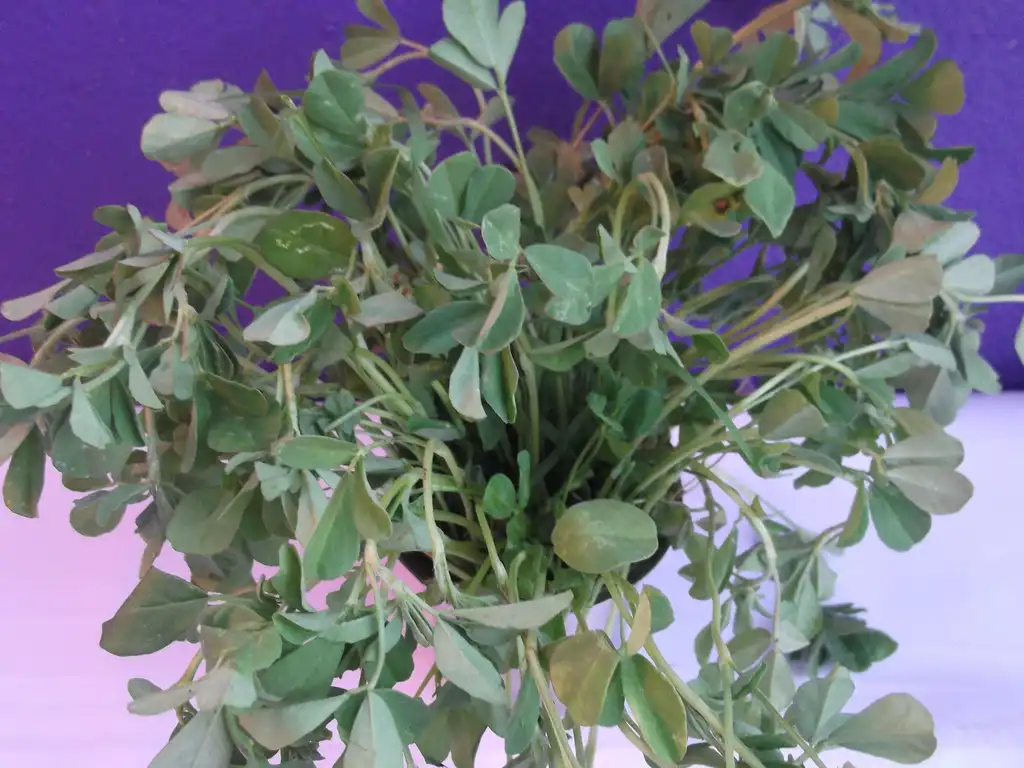
Trigonella foenum-graecum: Country Or Region Of Origin
South-Eastern Europe and Western Asia
Phonetic Spelling:
Genus:Trigonella
Species:foenum-graecum
Family:Fabaceae
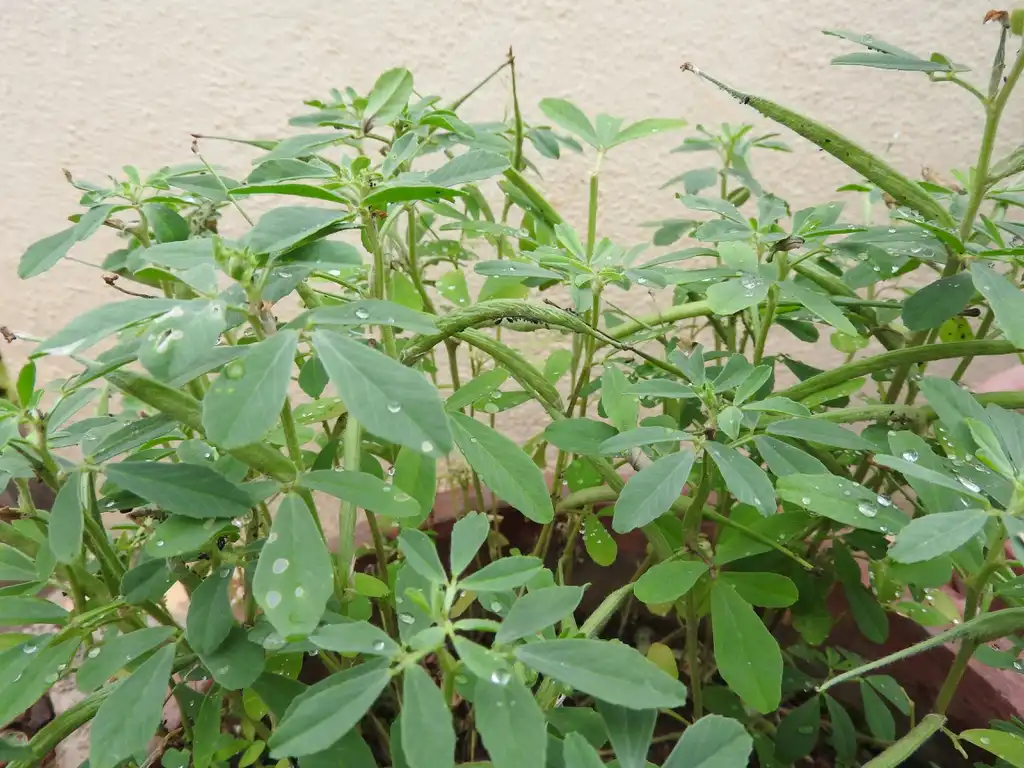
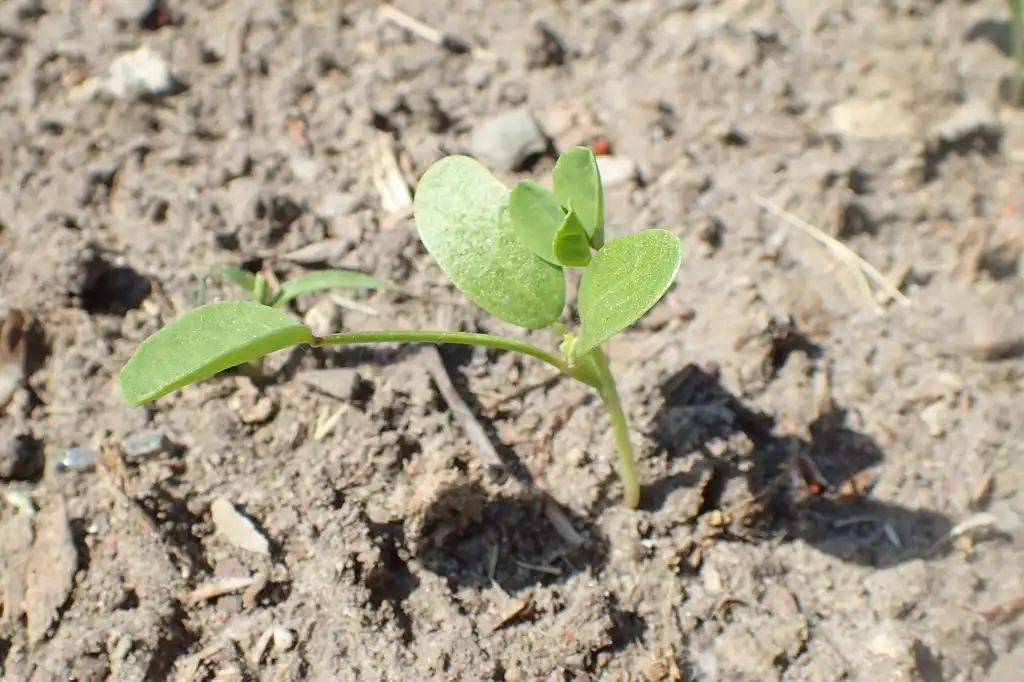
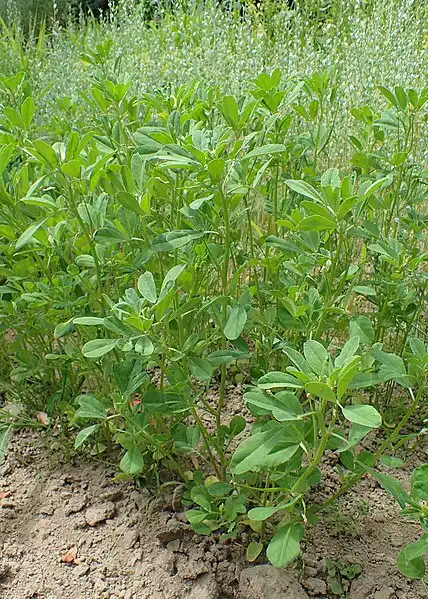
Trigonella foenum-graecum, commonly known as fenugreek, is an annual herb utilized both in culinary applications and traditional medicine. This plant thrives in uncultivated areas, along field margins, and in arid grasslands. In various regions, it has historically been cultivated as livestock feed. The Latin term "foenum-graecum" translates to "Greek hay."
Proper timing is crucial for harvesting; if done too early, the crop will have low dry matter content, complicating the curing process. Conversely, harvesting too late can result in leaf drop and diminished palatability.
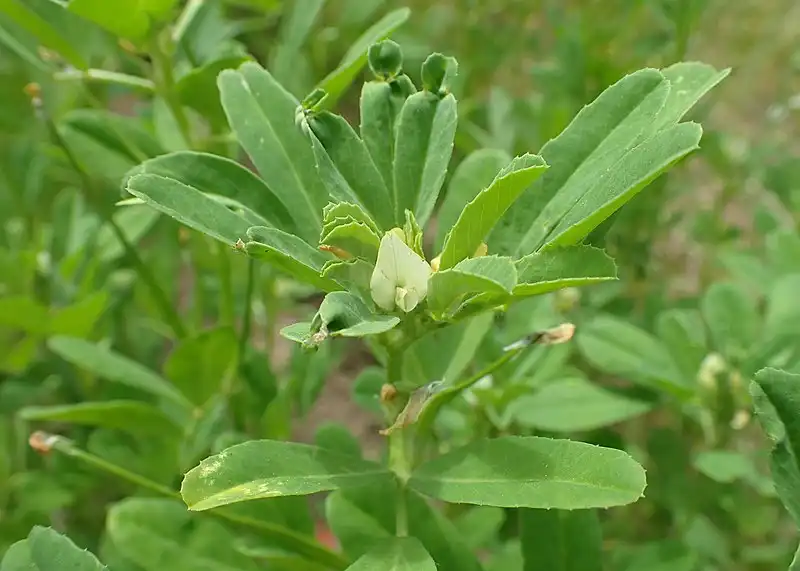
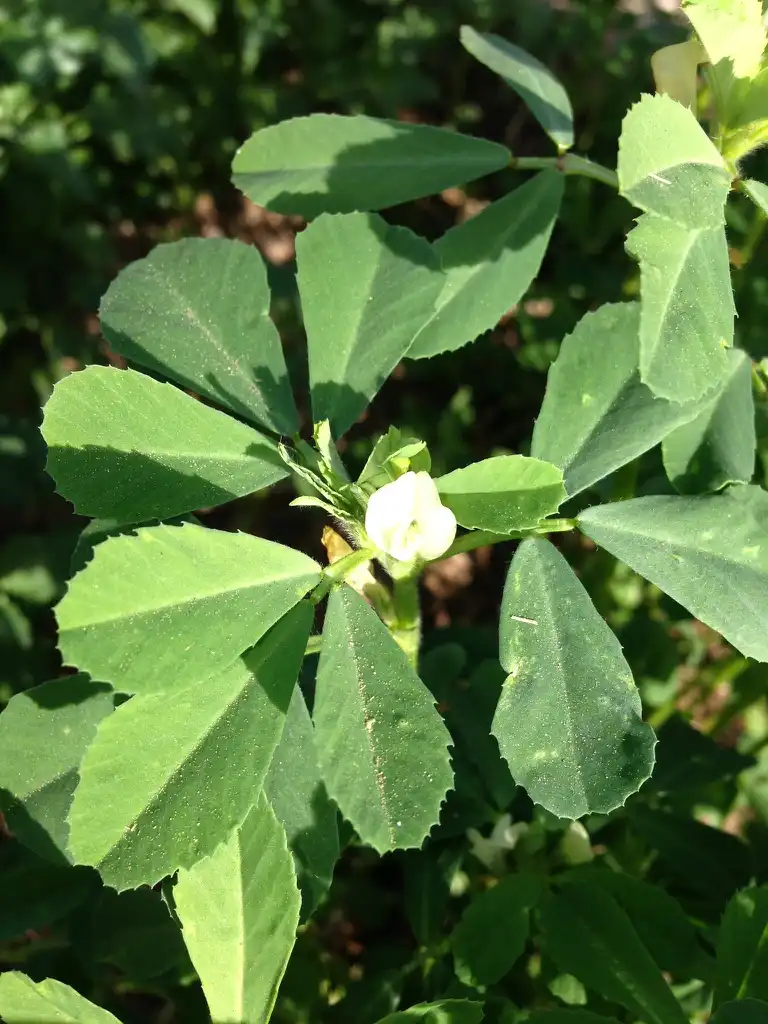
The flowers of fenugreek are butterfly-like in appearance, exhibiting colors such as white, lemon-yellow, or purplish-blue, and they grow in the leaf axils.
The green parts of the plant possess a flavor reminiscent of maple syrup, making them suitable for flavoring butterscotch, cheese, licorice, pickles, syrups, and vanilla. The small seeds, measuring about 1/4 inch, emit a strong spicy aroma and serve as a condiment, enhancing the taste of maple syrup, cheese, and curries. These seeds thrive in warm, dry conditions, with optimal temperatures ranging from 45 to 80 degrees Fahrenheit. They do not perform well in wet soils, but an annual rainfall of 15 to 60 inches is beneficial for their growth.
Both the seeds and leaves offer medicinal properties. Additionally, fenugreek's ability to fix nitrogen makes it an excellent choice for crop rotation, serving as a natural means of soil replenishment.
However, it is important to note that wet soils are unsuitable for planting fenugreek. The plant can be susceptible to issues such as charcoal rot caused by Macrophomina phaseolina, bacterial infections from Pseudomonas syringae, and damage from the tobacco cutworm, Spodoptera litura.
While the seeds contain small amounts of saponins, which are not harmful to humans, they are considered toxic in larger quantities. Fortunately, these compounds are poorly absorbed and will pass through the human digestive system without causing any adverse effects.
Trigonella foenum-graecum Feature Summary
Trigonella foenum-graecum Image Gallery