Plant Profile: Utricularia inflata

Taxonomy: Utricularia inflata

Names

Inflated Bladderwort, Large Floating Bladderwort, Swollen Bladderwort

  • Photo of Utricularia inflata (Utricularia inflatas)

Phonetic Spelling:yoo-trik-u-LAR-ee-uh in-FLAY-tuh

Genus:Utricularia

Species:inflata

Family:Lentibulariaceae

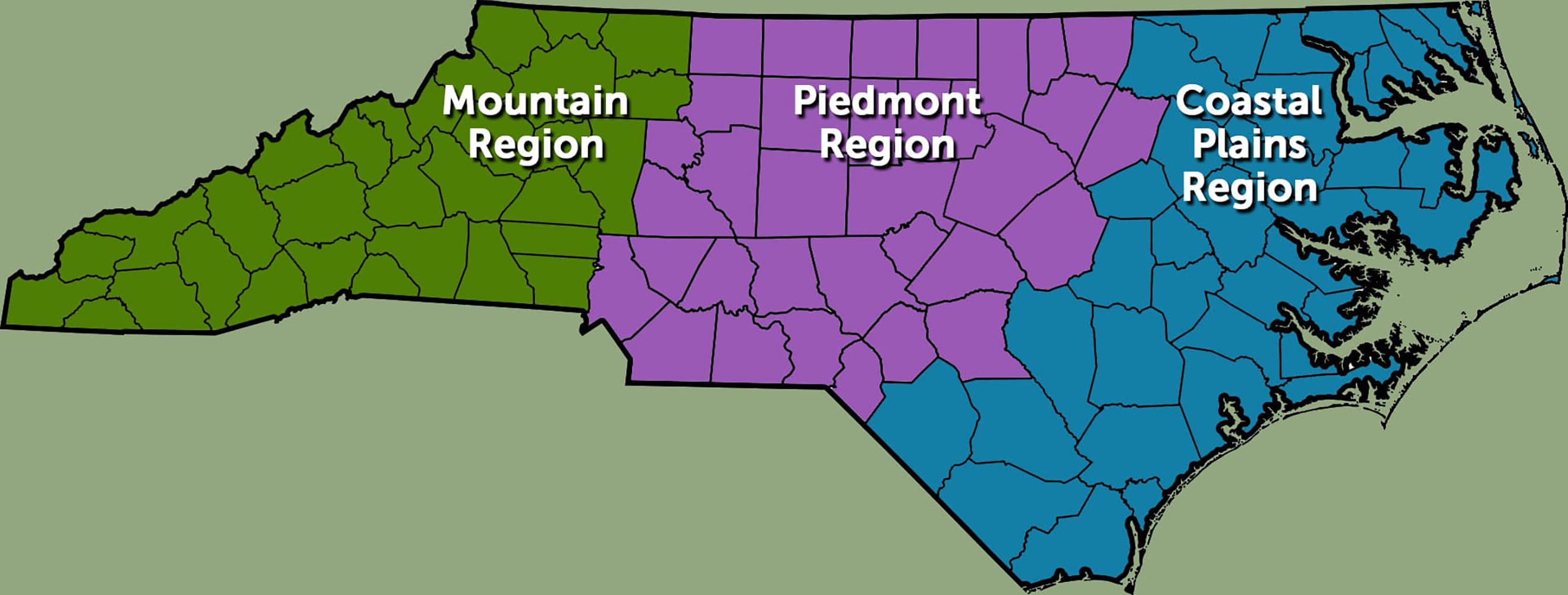
Swollen Bladderwort is a sizable aquatic carnivorous plant indigenous to the United States, particularly thriving in the coastal plain regions of North Carolina. This unique plant is characterized by its radial floats, which allow it to remain buoyant in the water, as it lacks roots. Each float is composed of branched spokes that contain bladders interspersed among them. The traps, designed to capture tiny aquatic organisms such as mosquitoes, are situated in the axils of these branches. There is some debate regarding the presence of true leaves; however, the plant develops filamentous branches that resemble a dense, hair-like mat, often found just beneath the water's surface.

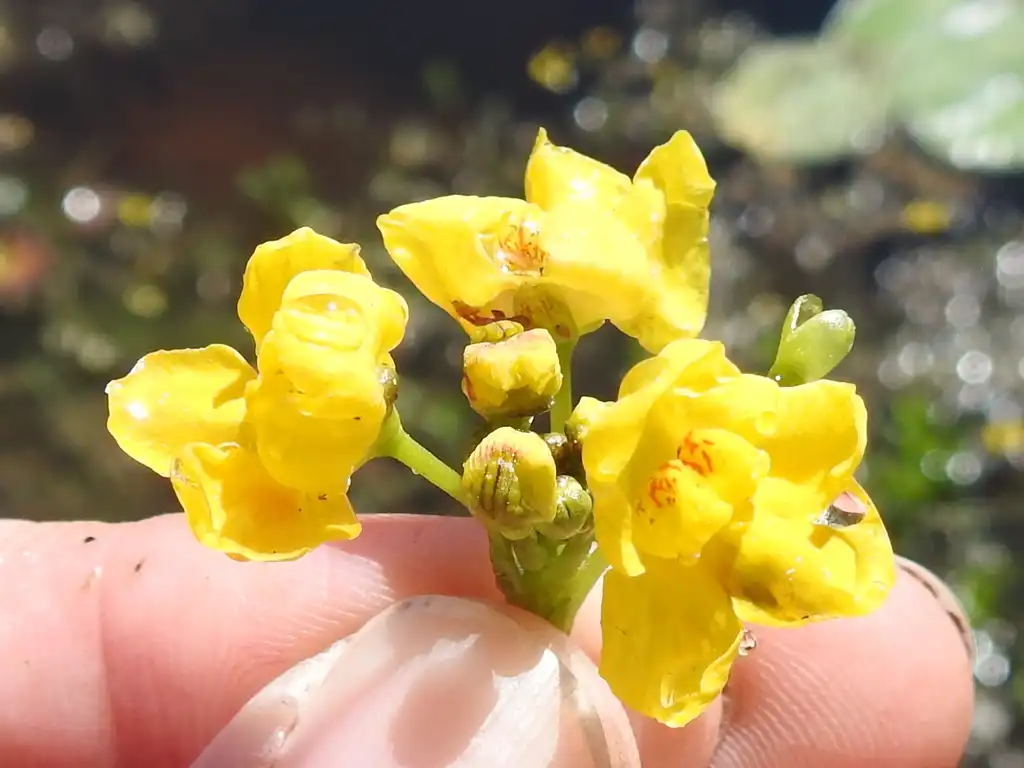
Swollen Bladderwort favors dark, boggy waters that are rich in tannins and thrives best in full sunlight. Its striking bright yellow flowers bloom above the water from May to November. In the fall, the plant produces turions, or winter buds, which sink to the bottom, enabling it to endure the winter months. In milder climates, it may continue to grow throughout the winter season. However, it has the potential to become invasive and weedy in waterways, having spread beyond its native habitat.

**Habitat:** Ponds, lakes, and ditches.

Utricularia inflata Feature Summary

Utricularia inflata Image Gallery

Tags

#water garden
#yellow flowers
#native perennial
#NC native
#long bloom time
#food source summer
#food source fall
#Coastal OBL
#food source nectar
#Piedmont Mountains OBL
#native carnivorus plant
#bee friendly
#bog gardens
#audubon

Similar Plants

Utricularia inflata Feature Summary

Attributes
WA, Central and eastern U.S.A.
Food for muskrats and waterfowl. Habitat for aquatic invertebrates.
Perennial
Fruit
The fruit is a capsule with many seeds July to December
Flowers
Yellow snap-dragon-like yellow flowers bloom from May to November in groups of 3-10 above the water.
Gold/Yellow
1-3 inches
Leaves
Finely divided filaments, not necessarily true leaves.
Whole Plant Traits
Perennial
Native Plant
Water Plant
Carnivorous
Erect
Spreading
Cultural Conditions
Full sun (6 or more hours of direct sunlight a day)
Occasionally Wet
Frequent Standing Water
Coastal
5b
5a
6a
6b
7a
7b
8b
8a
9a
9b
10a
10b
Landscape
Native Garden
Water Garden

Utricularia inflata Attributes

Utricularia inflata: Country Or Region Of Origin

WA, Central and eastern U.S.A.
Utricularia inflata: Wildlife Value

Food for muskrats and waterfowl. Habitat for aquatic invertebrates.

Utricularia inflata: Life Cycle

Annual
Biennial
Bulb
Perennial
Woody

Utricularia inflata: Recommended Propagation Strategy

Division
Grafting
Layering
Leaf Cutting
Root Cutting
Seed
Stem Cutting

Utricularia inflata Fruit

Utricularia inflata: Fruit Description

The fruit is a capsule with many seeds July to December

Utricularia inflata: Fruit Type

Achene
Aggregate
Berry
Capsule
Caryopsis
Drupe
Follicle
Legume
Nut
Pome
Samara
Schizocarp
Siliqua

Utricularia inflata: Display/Harvest Time

Fall
Spring
Summer
Winter

Utricularia inflata Flowers

Utricularia inflata: Flower Description

Yellow snap-dragon-like yellow flowers bloom from May to November in groups of 3-10 above the water.

Utricularia inflata: Flower Color

filter_vintage
Gold/Yellow

Utricularia inflata: Flower Bloom Time

Winter
Spring
Summer
Fall

Utricularia inflata: Flower Size

1-3 inches
3-6 inches
< 1 inch
> 6 inches

Utricularia inflata Leaves

Utricularia inflata: Leaf Description

Finely divided filaments, not necessarily true leaves.

Utricularia inflata: Leaf Color

spa
Green

Utricularia inflata: Hairs Present

No
Yes

Utricularia inflata Whole Plant Traits

Utricularia inflata: Plant Type

Annual
Bulb
Carnivorous
Edible
Epiphyte
Fern
Ground Cover
Herb
Herbaceous Perennial
Houseplant
Mushroom
Native Plant
Ornamental Grasses and Sedges
Perennial
Poisonous
Rose
Shrub
Succulent
Tree
Turfgrass
Vegetable
Vine
Water Plant
Weed
Wildflower

Utricularia inflata: Habit/Form

Arching
Ascending
Broad
Cascading
Climbing
Clumping
Columnar
Conical
Creeping
Dense
Erect
Horizontal
Irregular
Mounding
Multi-stemmed
Multi-trunked
Open
Oval
Prostrate
Pyramidal
Rounded
Spreading
Vase
Weeping

Utricularia inflata: Maintenance

Low
Medium
High

Utricularia inflata Cultural Conditions

Utricularia inflata: Light

Dappled Sunlight (Shade through upper canopy all day)
Deep shade (Less than 2 hours to no direct sunlight)
Full sun (6 or more hours of direct sunlight a day)
Partial Shade (Direct sunlight only part of the day, 2-6 hours)

Utricularia inflata: Soil Drainage

Frequent Standing Water
Good Drainage
Moist
Occasional Flooding
Occasionally Dry
Occasionally Wet
Very Dry

Utricularia inflata: NC Region

Coastal
Mountains
Piedmont

Utricularia inflata: USDA Plant Hardiness Zone

thermostat
10a
thermostat
10b
thermostat
5a
thermostat
5b
thermostat
6a
thermostat
6b
thermostat
7a
thermostat
7b
thermostat
8a
thermostat
8b
thermostat
9a
thermostat
9b

Utricularia inflata: Soil Texture

Clay
High Organic Matter
Loam (Silt)
Sand
Shallow Rocky

Utricularia inflata Stem

Utricularia inflata: Stem Color

grass
Green

Utricularia inflata: Stem Is Aromatic

No
Yes

Utricularia inflata Landscape

Utricularia inflata: Landscape Theme

Asian Garden
Butterfly Garden
Children's Garden
Cottage Garden
Cutting Garden
Drought Tolerant Garden
Edible Garden
English Garden
Fairy Garden
Garden for the Blind
Native Garden
Nighttime Garden
Pollinator Garden
Rain Garden
Rock Garden
Shade Garden
Water Garden
Winter Garden

Utricularia inflata: Landscape Location

Coastal
Container
Hanging Baskets
Houseplants
Lawn
Meadow
Naturalized Area
Near Septic
Patio
Pond
Pool/Hardscape
Recreational Play Area
Riparian
Rock Wall
Slope/Bank
Small Space
Vertical Spaces
Walkways
Woodland

Utricularia inflata: Problems

Allelopathic
Contact Dermatitis
Frequent Disease Problems
Frequent Insect Problems
Invasive Species
Malodorous
Messy
Poisonous to Humans
Problem for Cats
Problem for Children
Problem for Dogs
Problem for Horses
Short-lived
Spines/Thorns
Weak Wood
Weedy