Uvularia grandiflora: Country Or Region Of Origin
Eastern and central North America
Phonetic Spelling:oo-voo-LAR-ee-a gran-dih-FLOR-uh
Genus:Uvularia
Species:grandiflora
Family:Colchicaceae
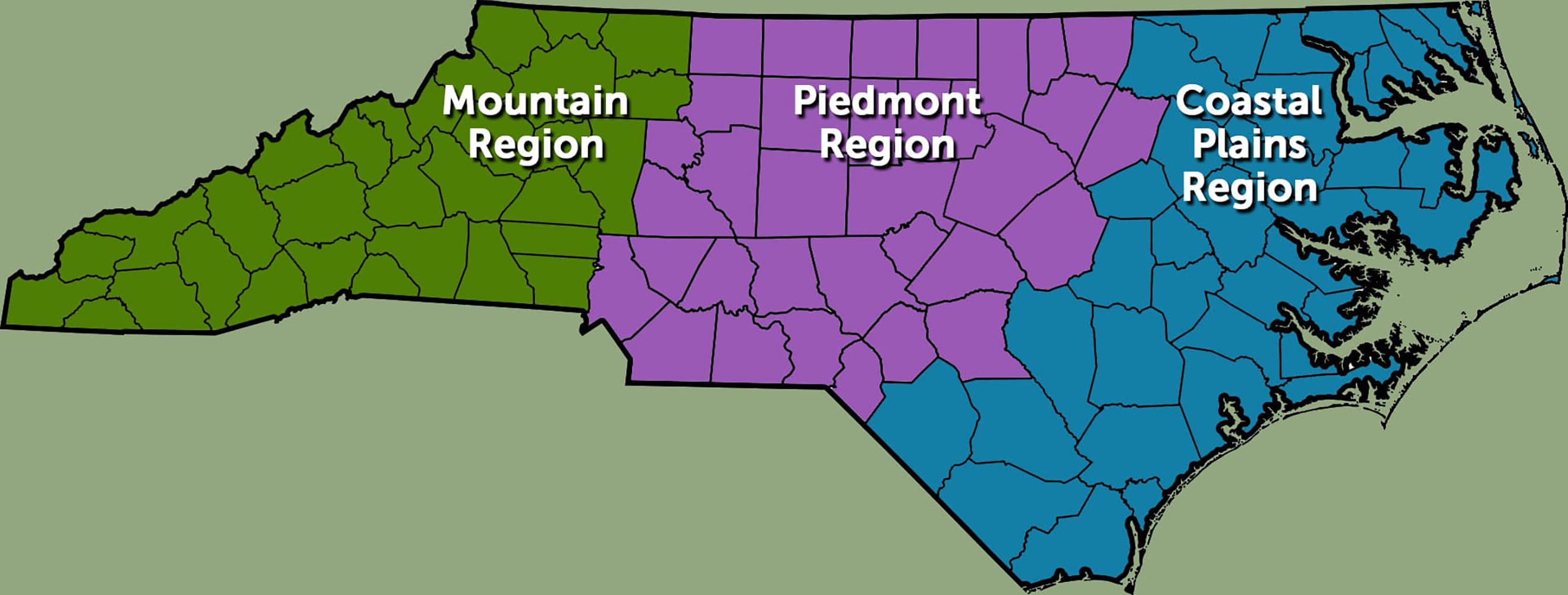
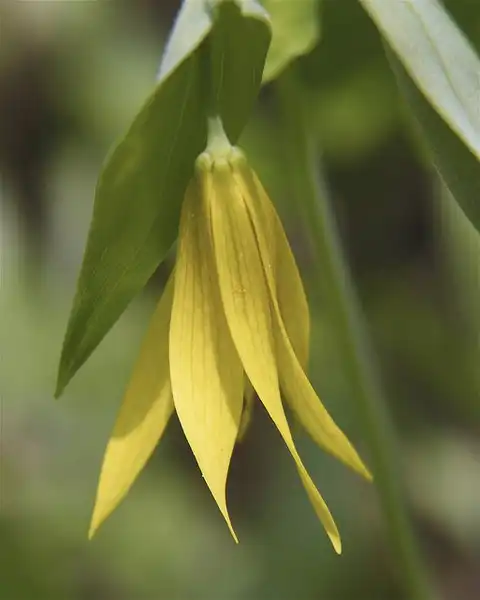
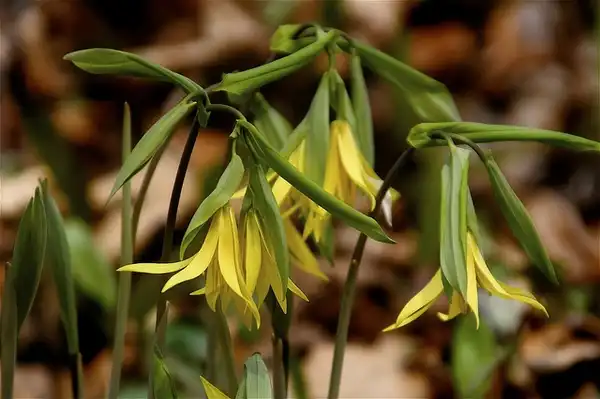
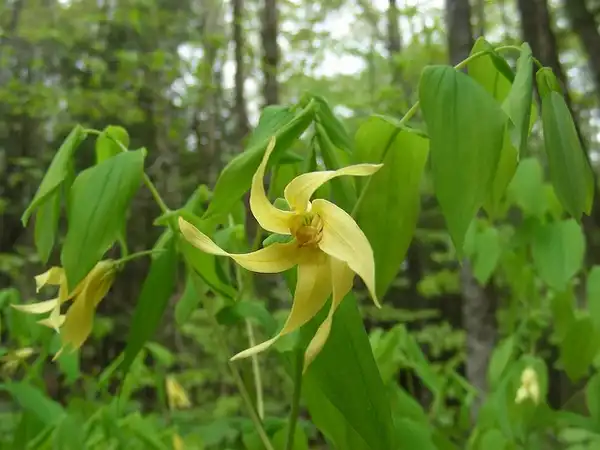
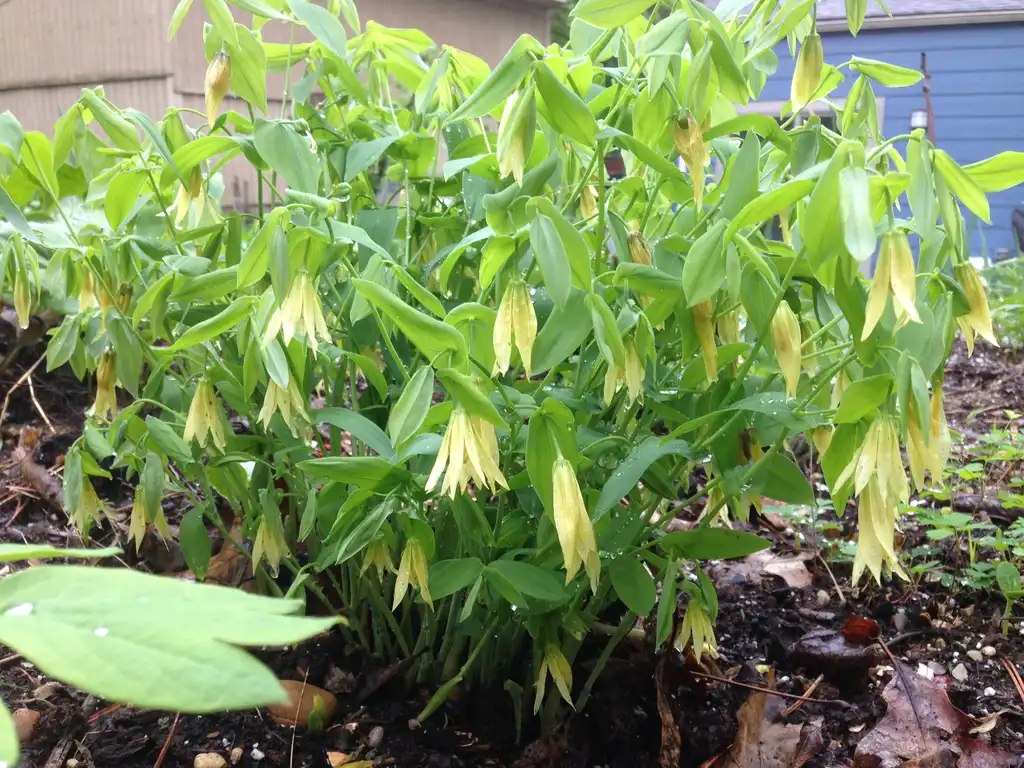
Large Bellwort is a native perennial wildflower belonging to the Colchicaceae family, primarily found in the western regions of North Carolina. Its large, drooping, lily-like yellow flowers contribute to a graceful yet sagging appearance, a result of both their weight and that of the leaves. This plant typically blooms in April and May, and it is advisable to use pine needle mulch to help deter slugs.
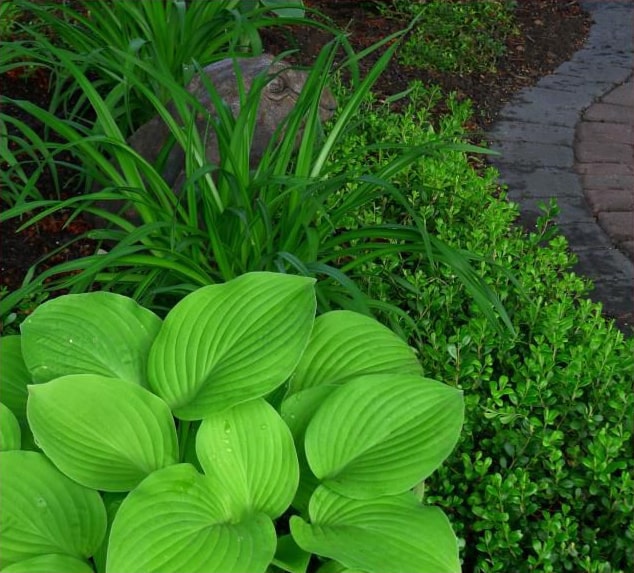
This wildflower thrives in moist, humus-rich soil and prefers conditions ranging from partial to full shade, although it can withstand occasional dry spells. Its rhizomatous root system often produces offsets, which can lead to the formation of colonies. Large Bellwort is well-suited for woodland gardens, shady borders, or areas where it can naturalize, making it an excellent companion for ferns, Hostas, and other woodland flora.
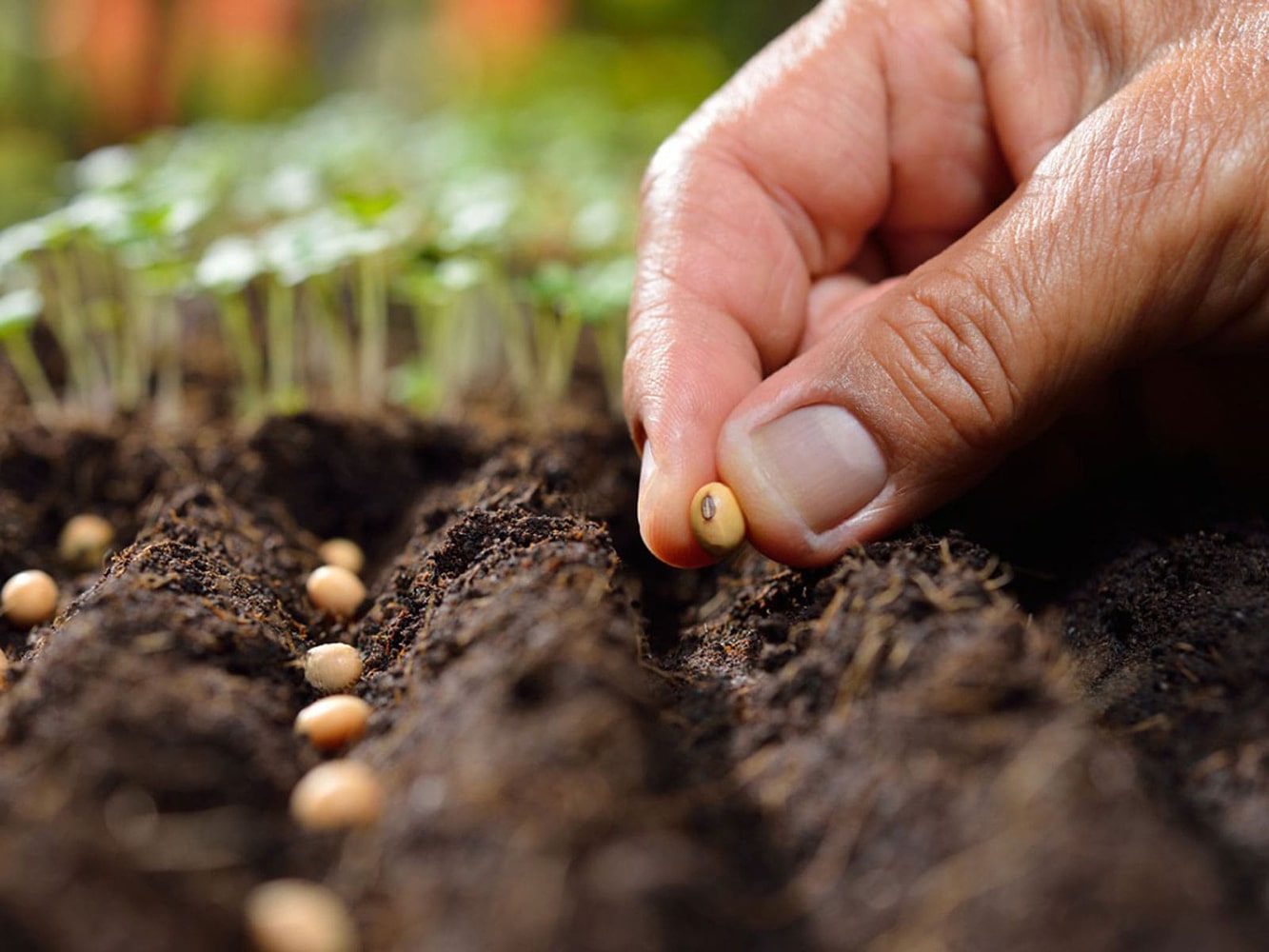
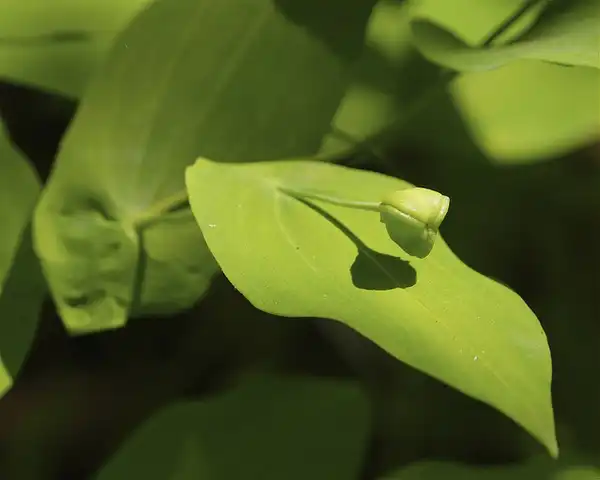
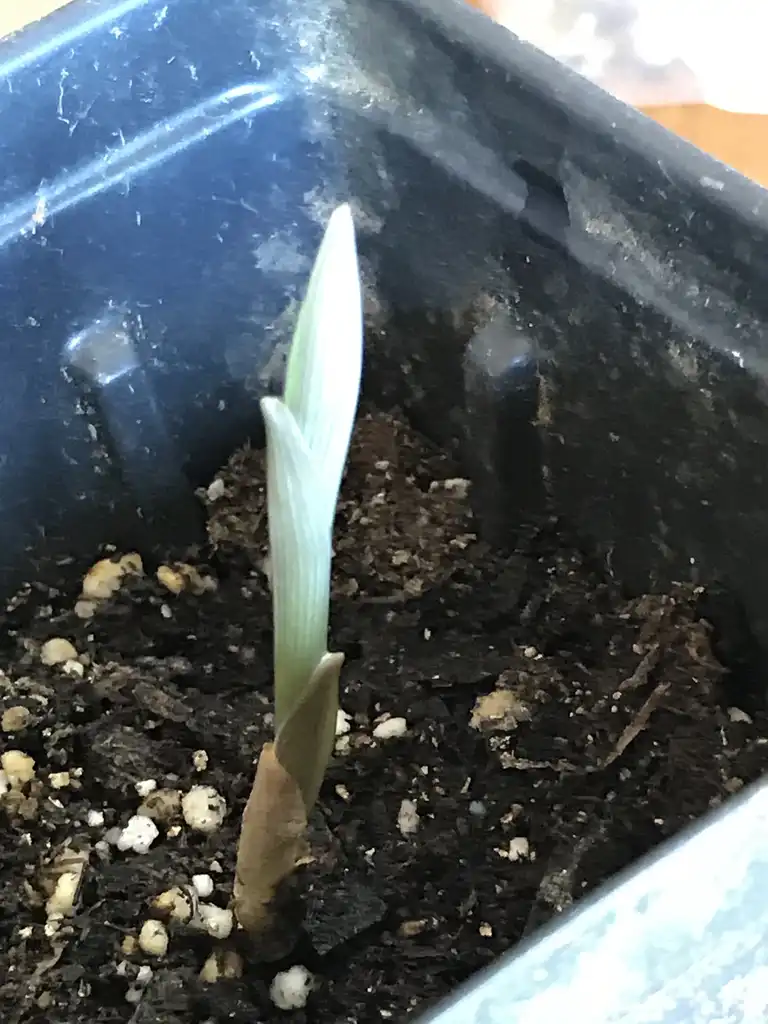
While it is possible to grow Large Bellwort from seed, it is crucial to plant the seeds immediately after they ripen in late summer, ensuring they do not dry out. For quicker results, dividing mature clumps in spring or fall is recommended over seeding. As the plant matures, the central stem typically divides into two to three side stems, while younger plants usually have undivided stems. Each side stem of a mature plant produces a single flower, characterized by its elongated, bell-like shape.
The flowers emit a subtle fragrance and bloom for about two weeks in mid-spring, after which they are replaced by seed capsules containing several seeds.
In terms of pests and diseases, Large Bellwort does not face significant threats, although young plants may be susceptible to slugs, and deer often cause damage.
Uvularia grandiflora Feature Summary
Uvularia grandiflora Image Gallery