Plant Profile: Vaccinium

Taxonomy: Vaccinium

Names

Bilberries, Blueberries, Cranberries, Huckleberries

  • Photo of Vaccinium (Vacciniums)

Phonetic Spelling:

Genus:Vaccinium

Species:

Family:Ericaceae

This genus includes various shrubs that produce fruits such as blueberries and cranberries. Numerous species are indigenous to North America, including North Carolina, and thrive in our local climate and acidic soil conditions.
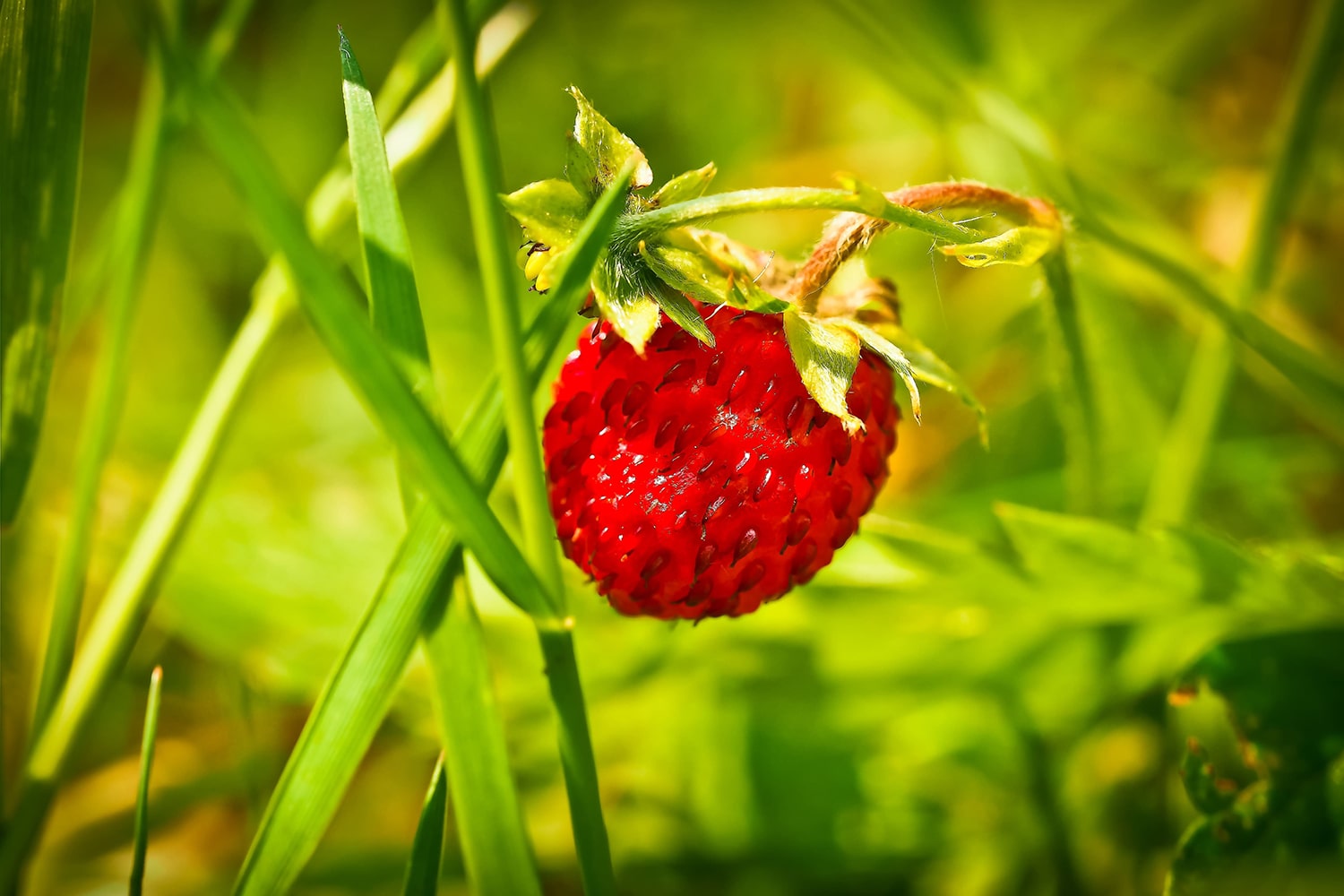
Vaccinium Feature Summary

Vaccinium Image Gallery

Tags

#perennial
#white flowers
#shrub
#pink flowers
#berries
#red fruits
#bush
#blue fruits
#edible fruits
#acidic soil tolerant
#ebh-fn

Similar Plants

Vaccinium Feature Summary

Attributes
Worldwide
All fruits in this genus are safe to eat, though a few are not palatable. Most are sweet and/or tart and many, including blueberries and cranberries, are grown commercially for their fruit.
Perennial
Woody
Edible fruit
Fruit
Fruit shape, color, and size varies with species with many being dark blue or bright red. They all have a distinct "crown" of 4-5 parts on the blossom end.
Red/Burgundy
Purple/Lavender
Black
Blue
< 1 inch
Flowers
Flowers vary but are often small and urn-shaped with fused petals.
Pink
White
Raceme
Spike
Solitary
4-5 petals/rays
fused petals
< 1 inch
Leaves
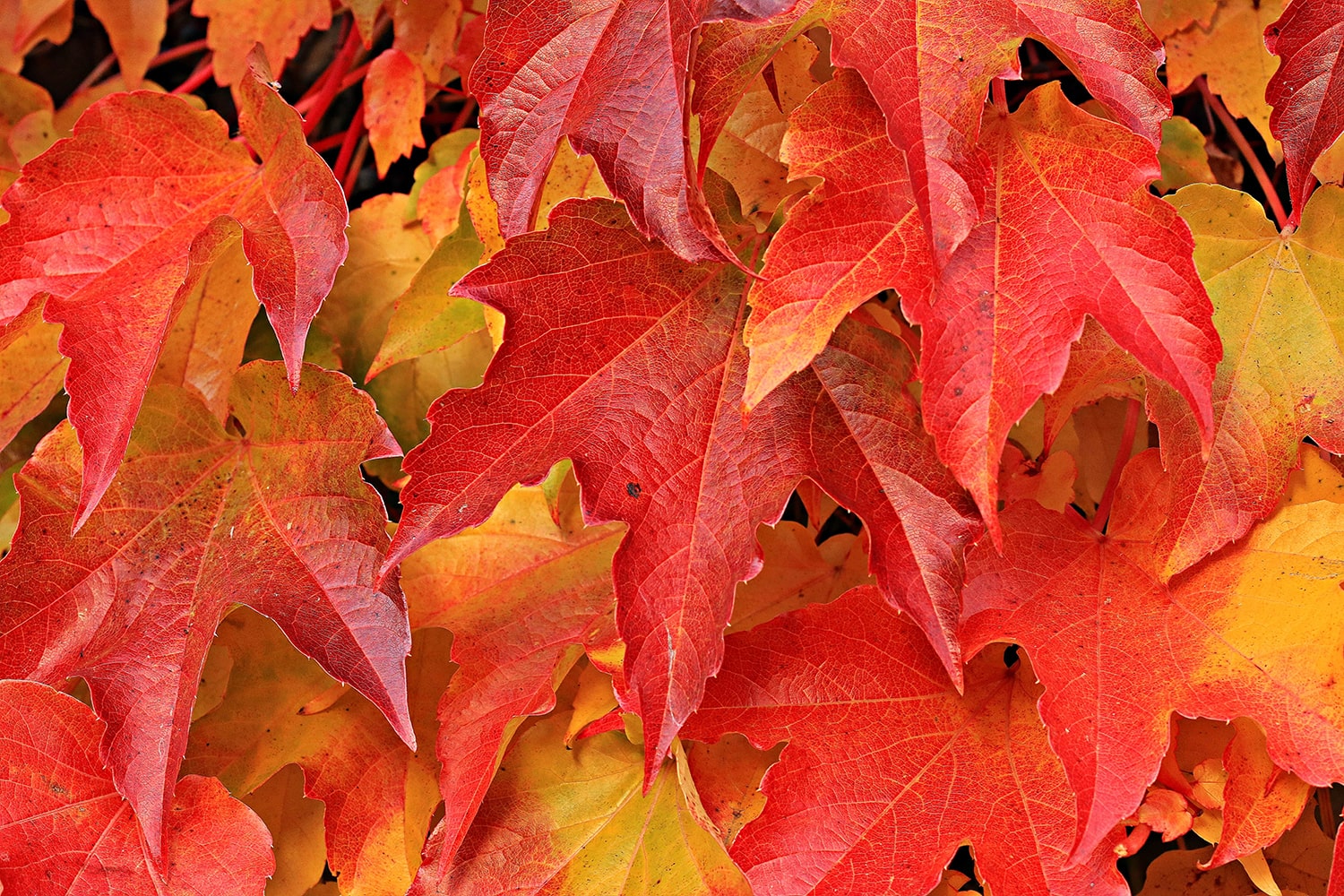
Non-distinct leaves, often elliptic to ovate. Underside may be lighter. Often has bright fall color.
Deciduous
Broadleaf Evergreen
Semi-evergreen
Brown/Copper
Gold/Yellow
Orange
Red/Burgundy
Elliptical
Ovate
Lanceolate
1-3 inches
1-3 inches
Whole Plant Traits
Perennial
Shrub
Edible
Deciduous
Broadleaf Evergreen
Semi-evergreen
Erect
Creeping
Cultural Conditions
Acid (<6.0)
Stem
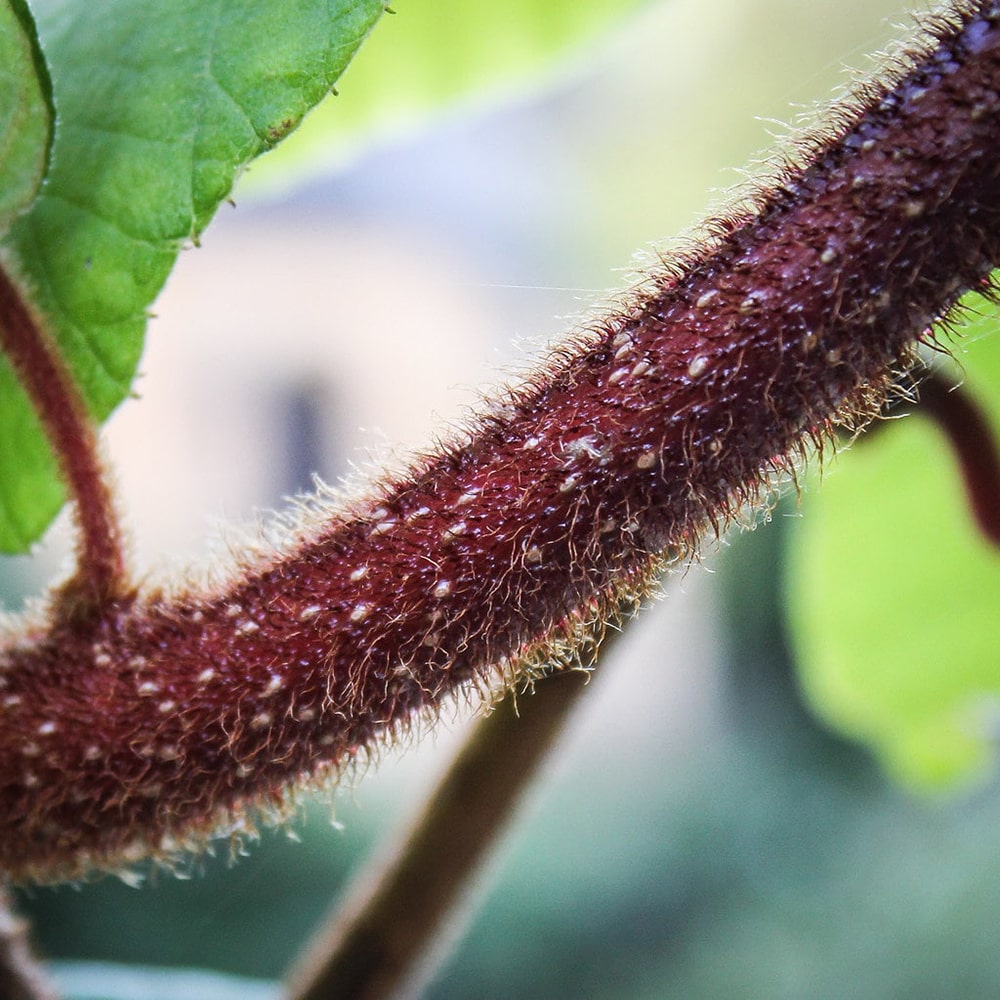
Green
Red/Burgundy
Gold/Yellow
Bark
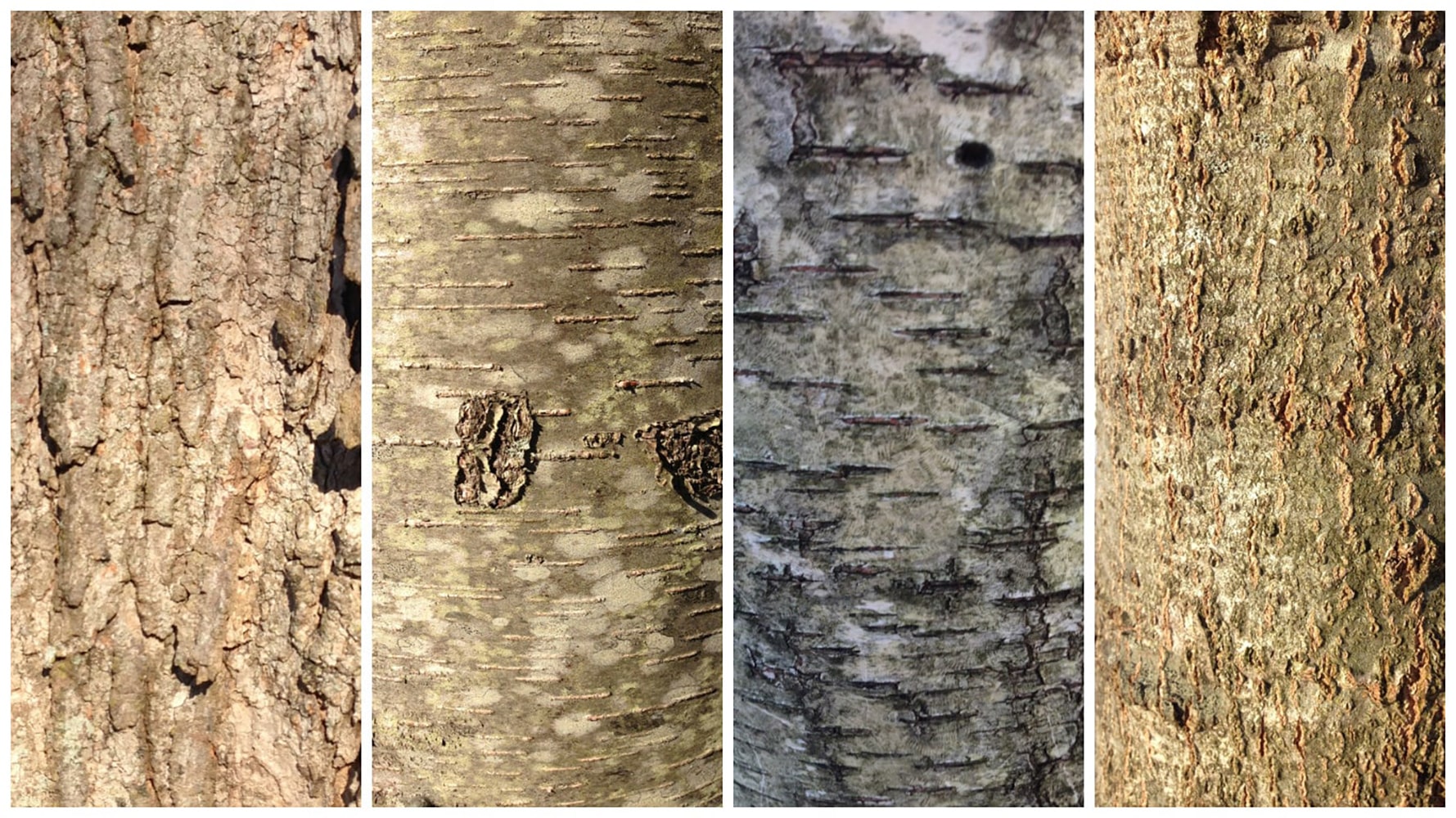
Dark Brown

Vaccinium Attributes

Vaccinium: Distribution

Worldwide

Vaccinium: Edibility

All fruits in this genus are safe to eat, though a few are not palatable. Most are sweet and/or tart and many, including blueberries and cranberries, are grown commercially for their fruit.

Vaccinium: Life Cycle

Annual
Biennial
Bulb
Perennial
Woody

Vaccinium: Play Value

Attractive Flowers
Attracts Pollinators
Buffer
Colorful
Defines Paths
Easy to Grow
Edible fruit
Fragrance
Pieces Used in Games
Screening
Shade
Sound
Textural
Wildlife Cover/Habitat
Wildlife Food Source
Wildlife Larval Host
Wildlife Nesting
Wind Break
Wind Shimmer

Vaccinium Fruit

Vaccinium: Fruit Description

Fruit shape, color, and size varies with species with many being dark blue or bright red. They all have a distinct "crown" of 4-5 parts on the blossom end.

Vaccinium: Fruit Type

Achene
Aggregate
Berry
Capsule
Caryopsis
Drupe
Follicle
Legume
Nut
Pome
Samara
Schizocarp
Siliqua

Vaccinium: Fruit Color

grass
Black
grass
Blue
grass
Purple/Lavender
grass
Red/Burgundy

Vaccinium: Fruit Value To Gardener

Edible
Fragrant
Good Cut
Good Dried
Long Bloom Season
Long-lasting
Showy

Vaccinium: Display/Harvest Time

Fall
Spring
Summer
Winter

Vaccinium: Fruit Length

< 1 inch
1-3 inches
> 3 inches

Vaccinium: Fruit Width

< 1 inch
1-3 inches
> 3 inches

Vaccinium Flowers

Vaccinium: Flower Description

Flowers vary but are often small and urn-shaped with fused petals.

Vaccinium: Flower Color

filter_vintage
Pink
filter_vintage
White

Vaccinium: Flower Inflorescence

Catkin
Corymb
Cyme
Head
Insignificant
Panicle
Raceme
Solitary
Spadix
Spike
Umbel

Vaccinium: Flower Value To Gardener

Edible
Fragrant
Good Cut
Good Dried
Long Bloom Season
Long-lasting
Showy

Vaccinium: Flower Bloom Time

Winter
Spring
Summer
Fall

Vaccinium: Flower Petals

2-3 rays/petals
4-5 petals/rays
6 petals/rays
7 - 20 petals/rays
asymmetrical petals
Bracts
Colored Sepals
fused petals
more than 20 petals/rays
Tepals

Vaccinium: Flower Shape

Bell
Cross
Crown
Cup
Dome
Funnel
Irregular
Lipped
Radial
Saucer
Star
Trumpet
Tubular
Urn
Wheel

Vaccinium: Flower Size

1-3 inches
3-6 inches
< 1 inch
> 6 inches

Vaccinium Leaves

Vaccinium: Leaf Description

Non-distinct leaves, often elliptic to ovate. Underside may be lighter. Often has bright fall color.

Vaccinium: Woody Plant Leaf Characteristics

Broadleaf Evergreen
Deciduous
Needled Evergreen
Semi-evergreen

Vaccinium: Leaf Color

spa
Green

Vaccinium: Deciduous Leaf Fall Color

spa
Brown/Copper
spa
Gold/Yellow
spa
Orange
spa
Red/Burgundy

Vaccinium: Leaf Type

Compound (Pinnately , Bipinnately, Palmately)
Fronds
Needles
Sheath
Simple

Vaccinium: Leaf Arrangement

Alternate
Opposite
Other/more complex
Rosulate
Whorled

Vaccinium: Leaf Shape

Acicular
Auriculate
Cordate
Cuneate
Deltoid
Elliptical
Filiform
Lanceolate
Linear
Oblanceolate
Oblong
Obovate
Obtuse
Orbicular
Ovate
Palmasect
Palmatifid
Peltate
Pinnatifid
Pinnatisect
Reniform
Rhomboidal
Spatulate
Subcordate
Subulate

Vaccinium: Leaf Margin

Crenate
Crenulate
Dentate
Denticulate
Doubly Crenate
Doubly Dentate
Doubly Serrate
Entire
Lobed
Serrate
Sinuate
Undulate

Vaccinium: Hairs Present

No
Yes

Vaccinium: Leaf Length

< 1 inch
1-3 inches
3-6 inches
> 6 inches

Vaccinium: Leaf Width

< 1 inch
1-3 inches
3-6 inches
> 6 inches

Vaccinium Whole Plant Traits

Vaccinium: Plant Type

Annual
Bulb
Carnivorous
Edible
Epiphyte
Fern
Ground Cover
Herb
Herbaceous Perennial
Houseplant
Mushroom
Native Plant
Ornamental Grasses and Sedges
Perennial
Poisonous
Rose
Shrub
Succulent
Tree
Turfgrass
Vegetable
Vine
Water Plant
Weed
Wildflower

Vaccinium: Woody Plant Leaf Characteristics

Broadleaf Evergreen
Deciduous
Needled Evergreen
Semi-evergreen

Vaccinium: Habit/Form

Arching
Ascending
Broad
Cascading
Climbing
Clumping
Columnar
Conical
Creeping
Dense
Erect
Horizontal
Irregular
Mounding
Multi-stemmed
Multi-trunked
Open
Oval
Prostrate
Pyramidal
Rounded
Spreading
Vase
Weeping

Vaccinium Cultural Conditions

Vaccinium: Soil pH

Acid (<6.0)
Alkaline (>8.0)
Neutral (6.0-8.0)

Vaccinium Stem

Vaccinium: Stem Color

grass
Gold/Yellow
grass
Green
grass
Red/Burgundy

Vaccinium: Stem Is Aromatic

No
Yes

Vaccinium Bark

Vaccinium: Bark Color

grass
Dark Brown

Vaccinium: Surface/Attachment

Bumpy
Exfoliating
Fissured
Furrowed
Lenticels
Papery
Patchy
Peeling
Ridges
Scaly
Shaggy
Shiny
Shredding
Smooth
Spongy