Vicia faba: Uses (Ethnobotany)
Said to be used for diuretic, expectorant, and tonic.
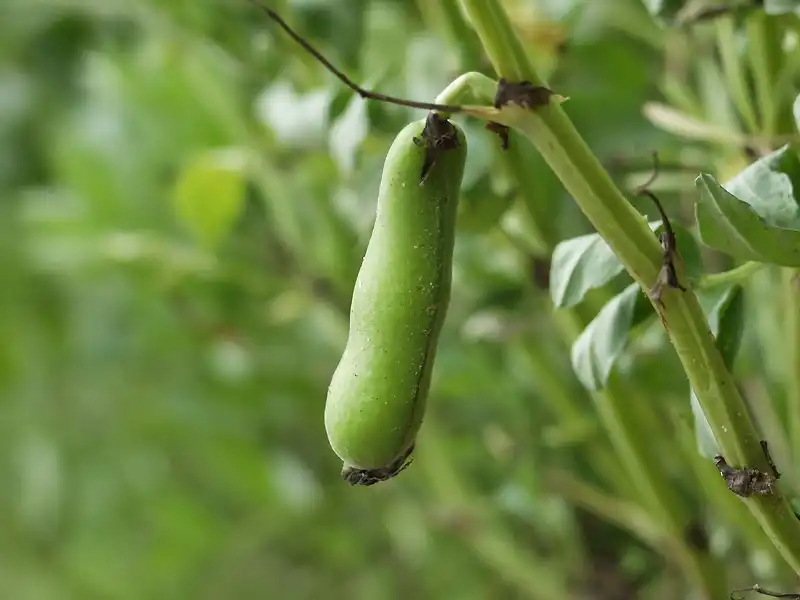
Phonetic Spelling:VIK-ee-uh FAH-va
Genus:Vicia
Species:faba
Family:Fabaceae
Faba Bean, also known as Broad Bean, is a self-pollinating annual legume that is extensively cultivated for its protein-rich seeds and pods, which are enjoyed by millions globally. Legumes possess the unique ability to fix atmospheric nitrogen, making them valuable as cover crops.
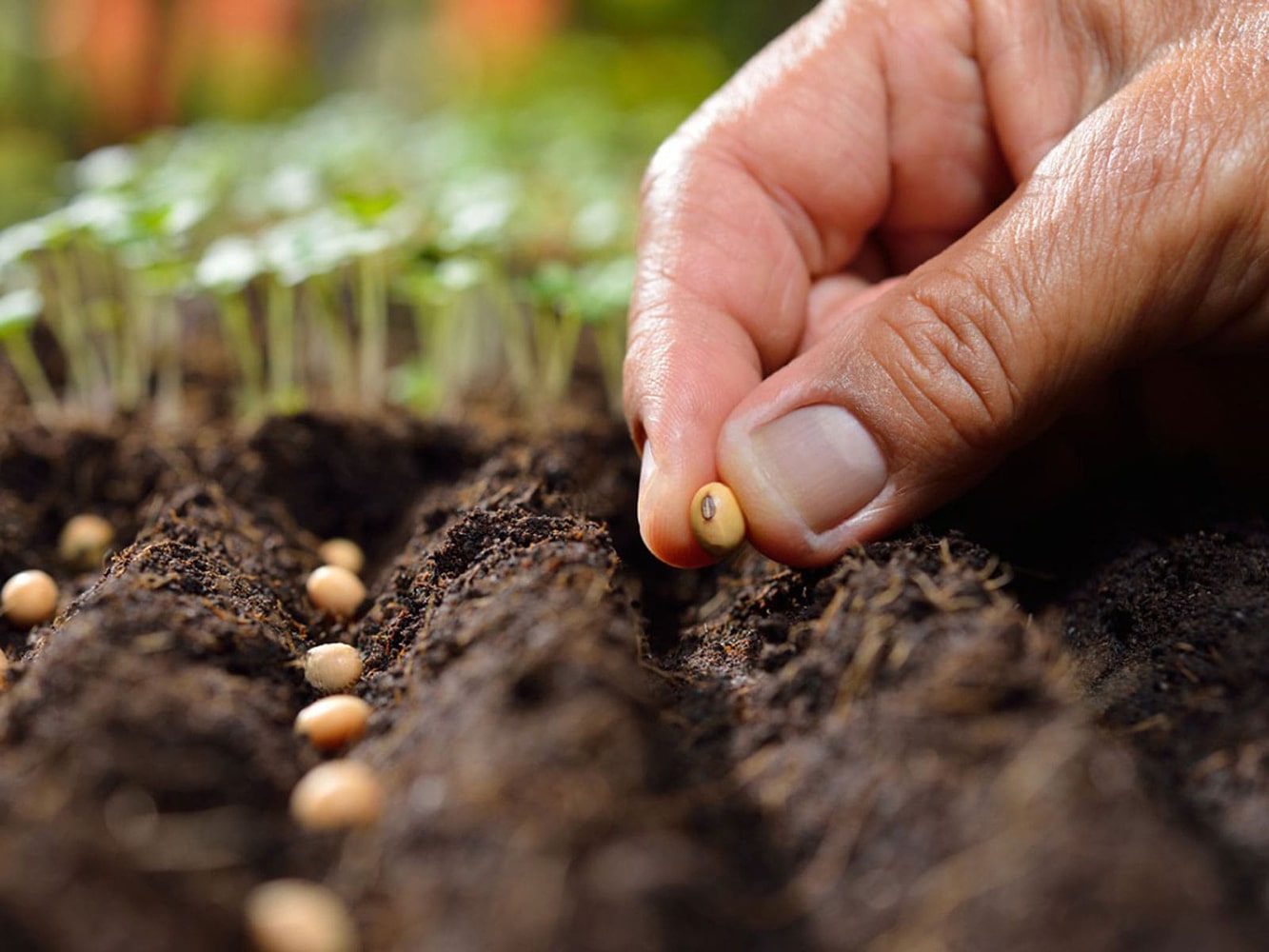
The time from sowing to harvest typically spans four to five months. This cool-season crop thrives in a variety of climates, with temperatures around the 60s being optimal. In regions where daytime temperatures rise above the mid-70s, results may be subpar unless planting occurs during cooler periods. Additionally, in areas characterized by dry and hot conditions, this plant may not be the best fit for your garden.
Faba Beans are upright plants that can reach heights of 2 to 6 feet. They prefer moist loamy soils but can tolerate clay and saline conditions, as well as drought once established.
It is important to note that inhaling the pollen or consuming the seeds can lead to favism, a serious condition that destroys red blood cells and results in severe anemia. This risk is primarily associated with excessive intake of raw seeds or pollen exposure in genetically predisposed individuals.
There are two main subspecies cultivated: Vicia faba var. major, known for its large seeds, is primarily grown as a vegetable for human consumption and can be incorporated into soups, stews, salads, and side dishes. On the other hand, Vicia faba var. minor, commonly referred to as horse beans or field beans, is primarily raised for livestock feed. Additionally, fibers extracted from the stems are utilized in soap production.
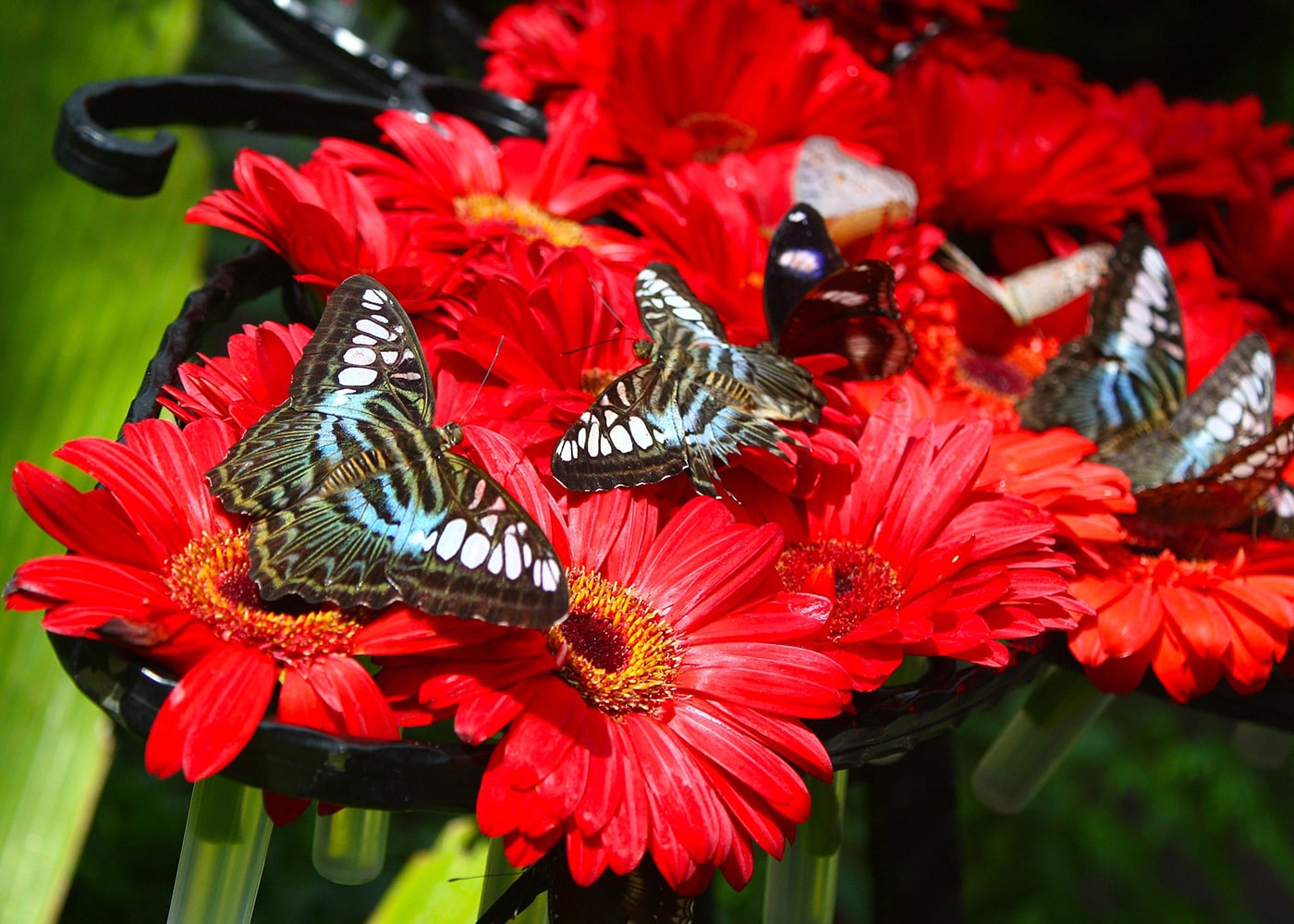
In terms of pests and diseases, both beneficial and harmful insects are attracted to the nectar of the plant. Faba Beans are particularly vulnerable to aphid infestations, and ingestion of the seeds can be toxic to certain individuals.