Victoria cruziana: Country Or Region Of Origin
South America
Phonetic Spelling:vic-TOR-ee-uh kroo-zee-AY-nuh
Genus:Victoria
Species:cruziana
Family:Nymphaeaceae
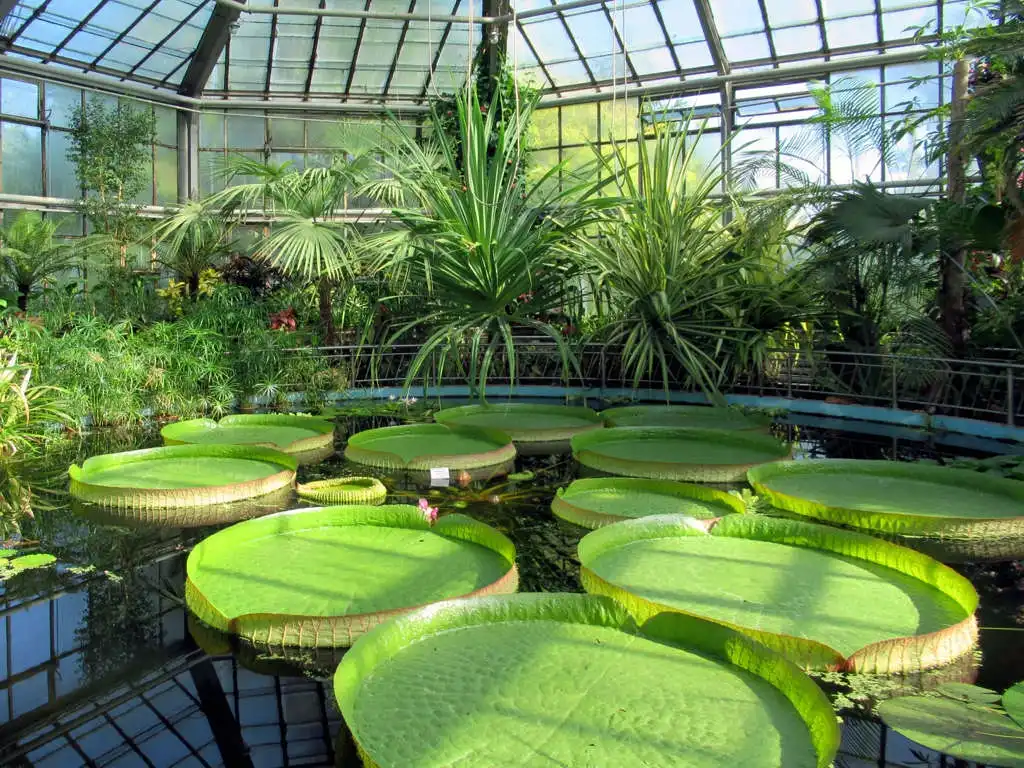
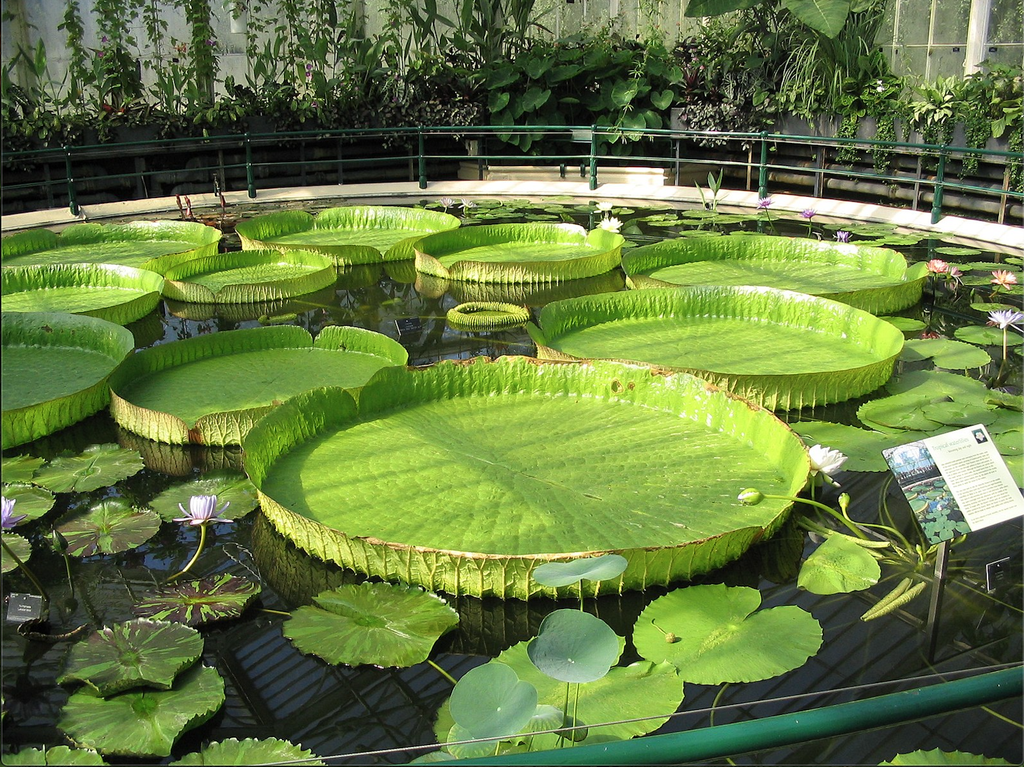
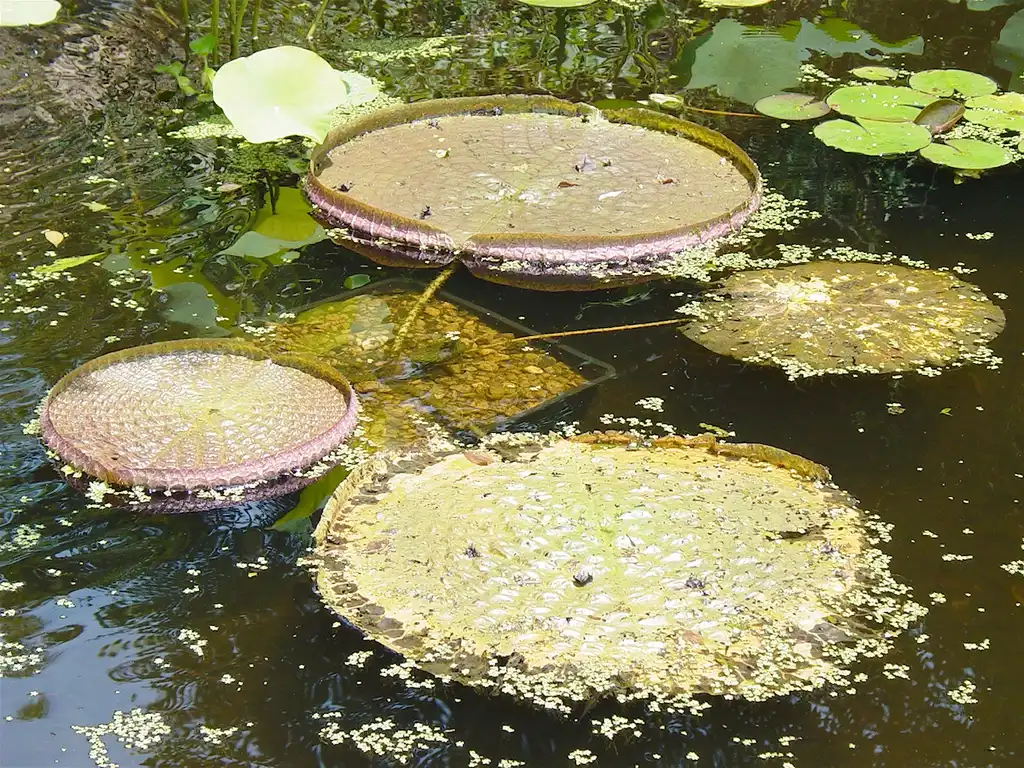
The Santa Cruz Waterlily is one of only two species within its genus and is characterized as non-viviparous, indicating that its seeds do not mature while still attached to the parent plant. This nocturnal bloomer can spread across 15 to 18 feet, featuring lily pads that can reach up to 6.5 feet in diameter, adorned with numerous fragrant blooms. It thrives in shallow, calm waters, such as those found in the backwaters of large river systems, and is typically grown as an annual in North Carolina without the need for winter protection. A spacious water garden is essential for its cultivation.
To germinate, the seeds must remain submerged in water; allowing them to dry out will result in their demise. Each plant ideally requires around 40 inches of water to flourish optimally.
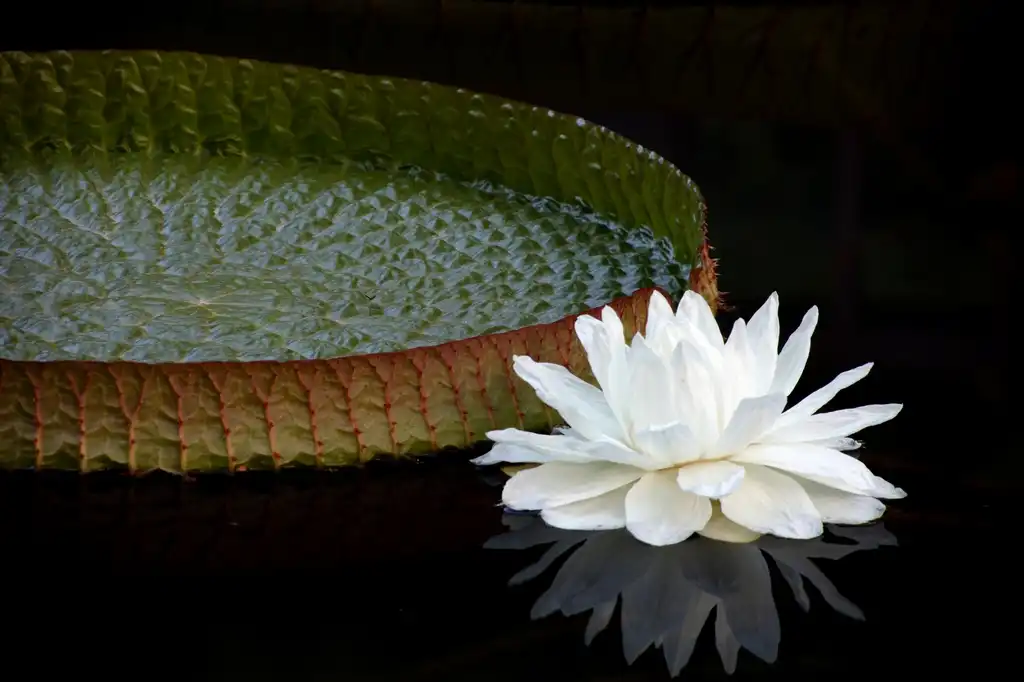
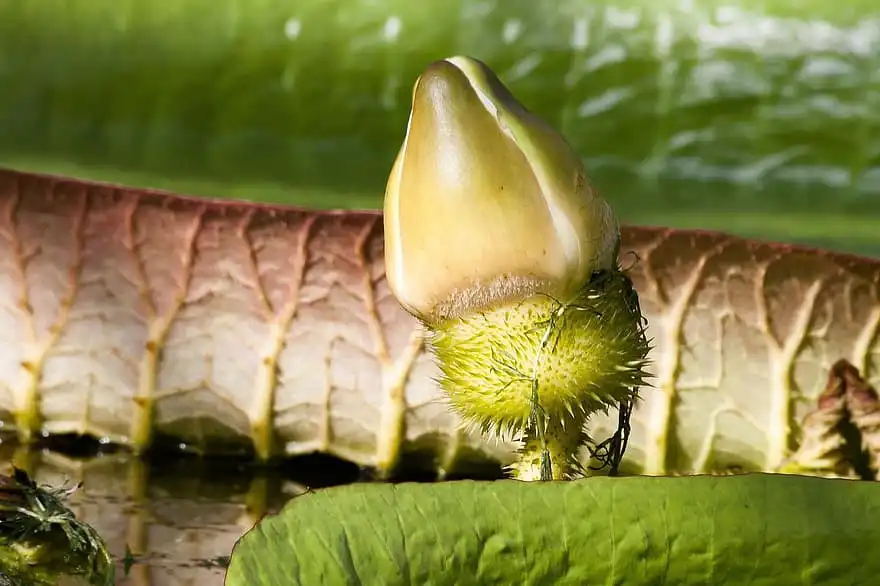
The flowers, which emit a pineapple-like scent, bloom for just two consecutive nights. On the first night, they appear white, transitioning to a purple-red hue on the second. These flowers are thermogenic, generating their own heat during the budding process, which enhances their ability to release fragrance to attract nearby beetles once they bloom. As the flower opens, it rises above the water's surface, only to eventually submerge again. Each flower features multiple whorls of petals and stamens arranged in a spiral pattern, with a single plant capable of producing up to 50 flowers throughout the summer.
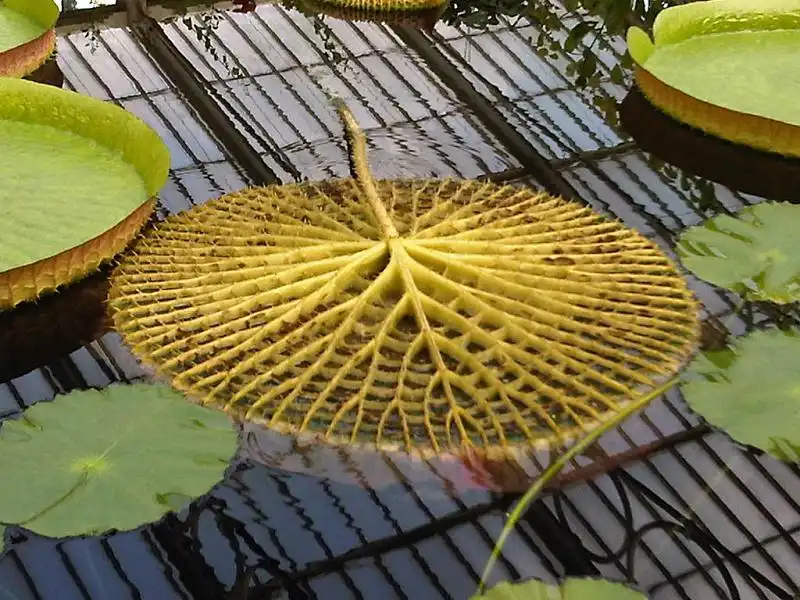
The leaves exhibit a red-purple hue with soft hairs on their undersides, while the pads are a vibrant green with a prominent rim.
In terms of pests and diseases, the Santa Cruz Waterlily is free from any known issues.
Victoria cruziana Feature Summary
Victoria cruziana Image Gallery