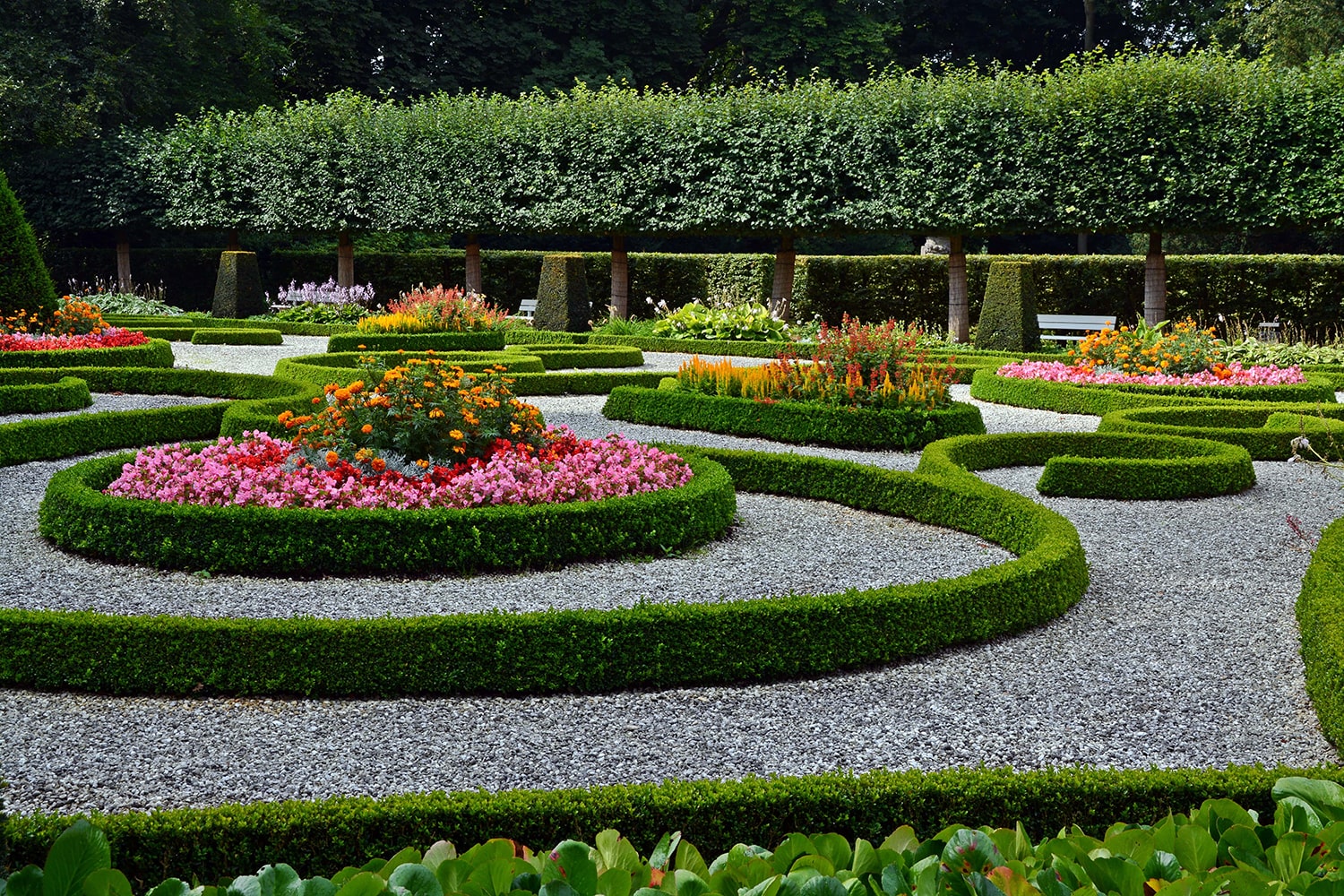
• Photo of Washingtonia robusta (Washingtonia robustas)

Plant Profile: Washingtonia robusta

Taxonomy: Washingtonia robusta

Names

Mexican Fan Palm

  • Photo of Washingtonia robusta (Washingtonia robustas)

Phonetic Spelling:

Genus:Washingtonia

Species:robusta

Family:Arecaceae

The Mexican Fan Palm, a species indigenous to Mexico, has successfully established itself in regions such as Florida, California, Hawaii, and Texas. This palm features a tall, columnar trunk that can soar up to 100 feet, topped with a rounded crown of fan-like fronds measuring between 3 to 5 feet in length. Instead of shedding, the dead leaves gracefully fold down against the trunk, creating a dense skirt that should be trimmed to mitigate fire risks. As the palm matures, it may naturally shed some fronds. To ensure sufficient photosynthesis, it is essential to retain at least 50% of the fronds. Notably, frond damage can occur when temperatures drop to 20 degrees Fahrenheit.

Cultivating the Mexican Fan Palm is straightforward, as it thrives in well-drained soil and prefers full to partial sunlight. This palm is resilient against drought, wind, and salt, making it a popular choice for coastal landscaping. However, due to its impressive height, it is best suited for expansive lawns adjacent to tall buildings or homes, and it is also commonly utilized in parking lots and as a street tree.

Potential issues include potassium deficiency, which can lead to necrosis at the tips of leaflets, discoloration, and the premature death of older leaves. While insect infestations are rare, it is advisable to monitor for spider mites and scale. Additionally, fungal diseases may result in trunk rot.

Washingtonia robusta Feature Summary

Washingtonia robusta Image Gallery

Tags

#showy flowers
#drought tolerant
#salt tolerant
#showy leaves
#street tree
#showy fruits
#fast growing
#spines
#parks
#tropical palm
#parking lot
#Coastal FACU

Similar Plants

Washingtonia robusta Feature Summary

Attributes
Florida, California, Hawaii and Texas.
Fruits are edible but thin fleshed
Fruit
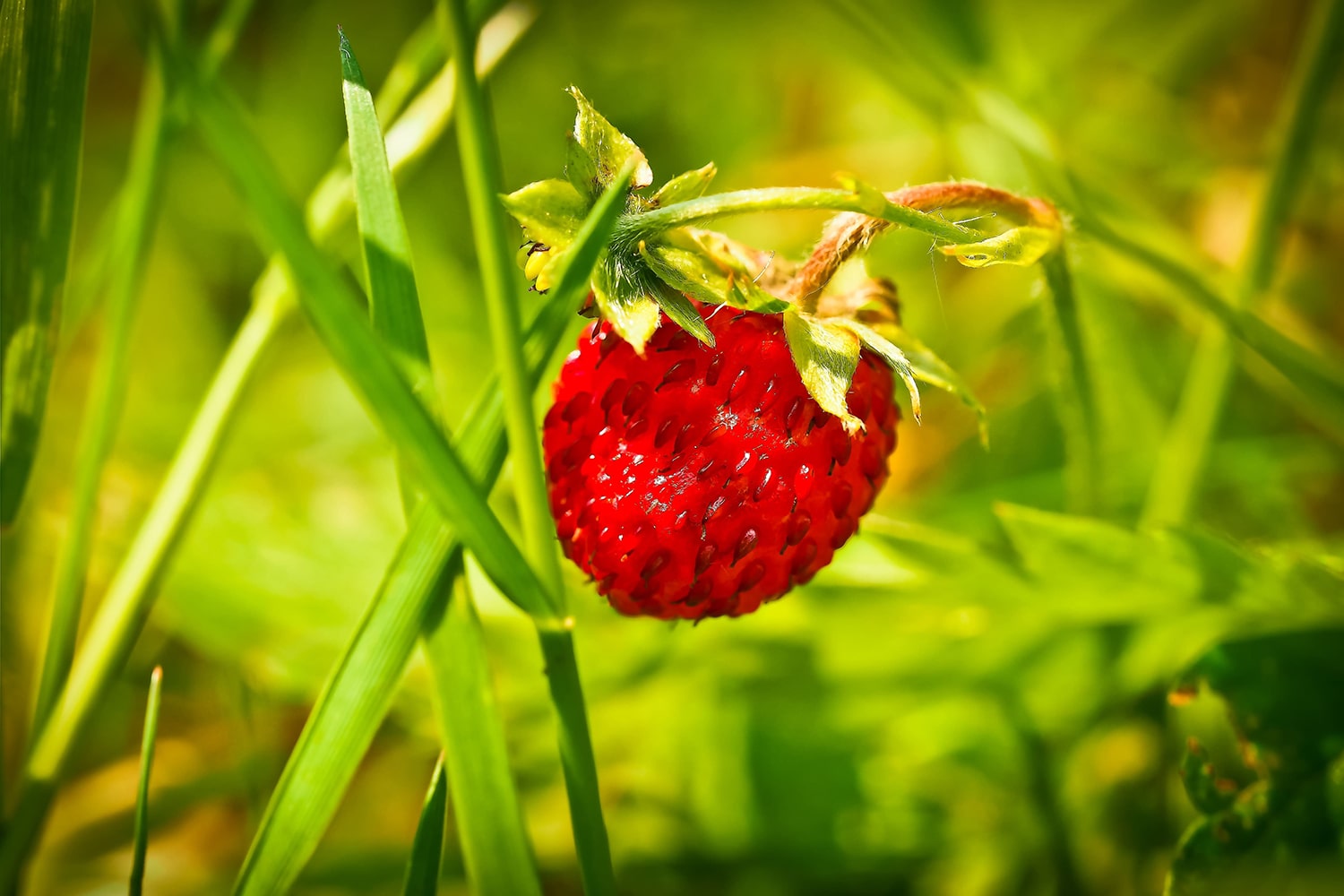
Many black pea-sized fruits produced
< 1 inch
Flowers
Small cream-colored flowers in large drooping clusters are slightly fragrant in June.
White
Gold/Yellow
< 1 inch
Leaves
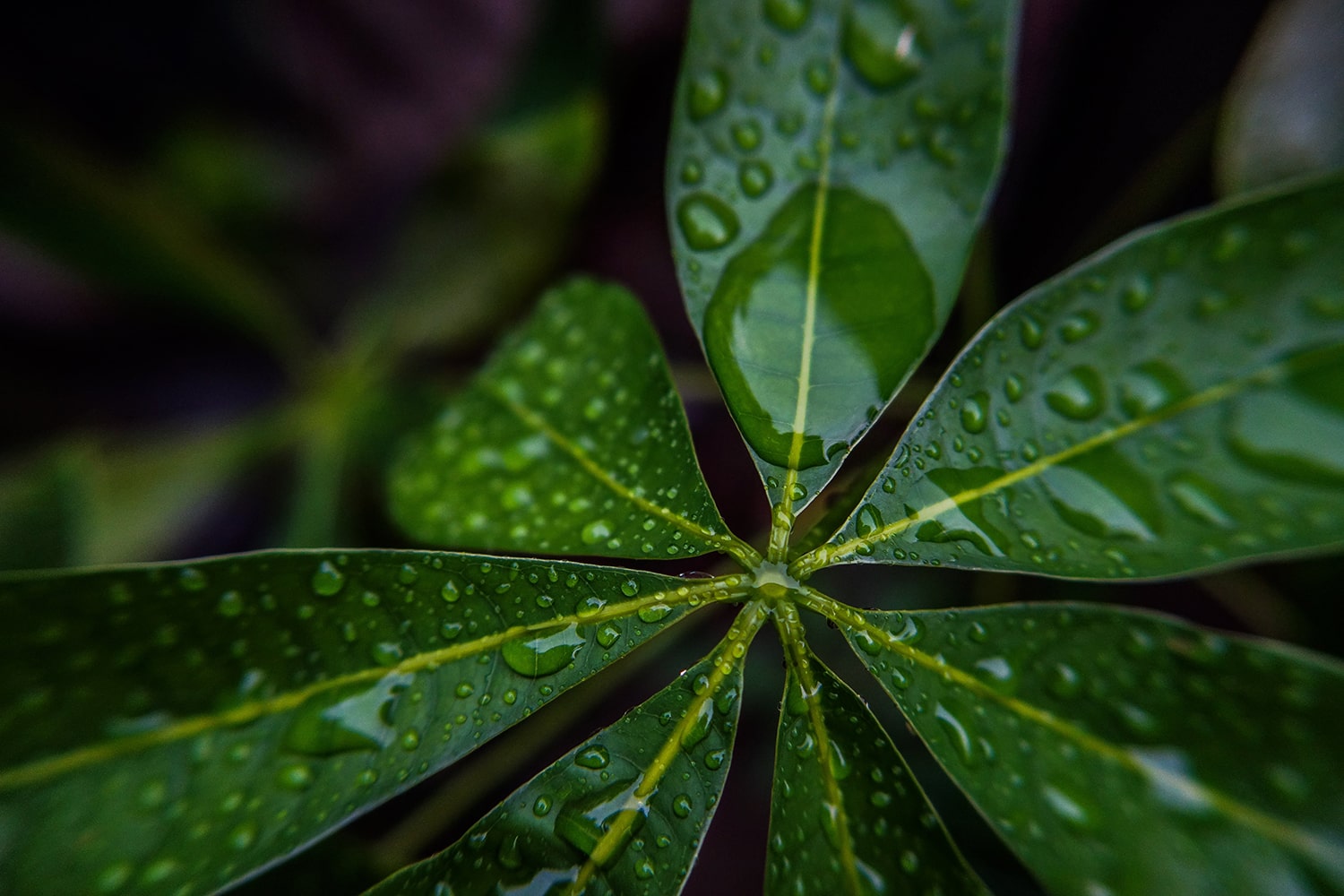
Rich green palmate leaves are up to 3=5 feet long and 4 feet wide and are divided halfway to the base. The tips are slightly drooping
Compound (Pinnately , Bipinnately, Palmately)
Bark
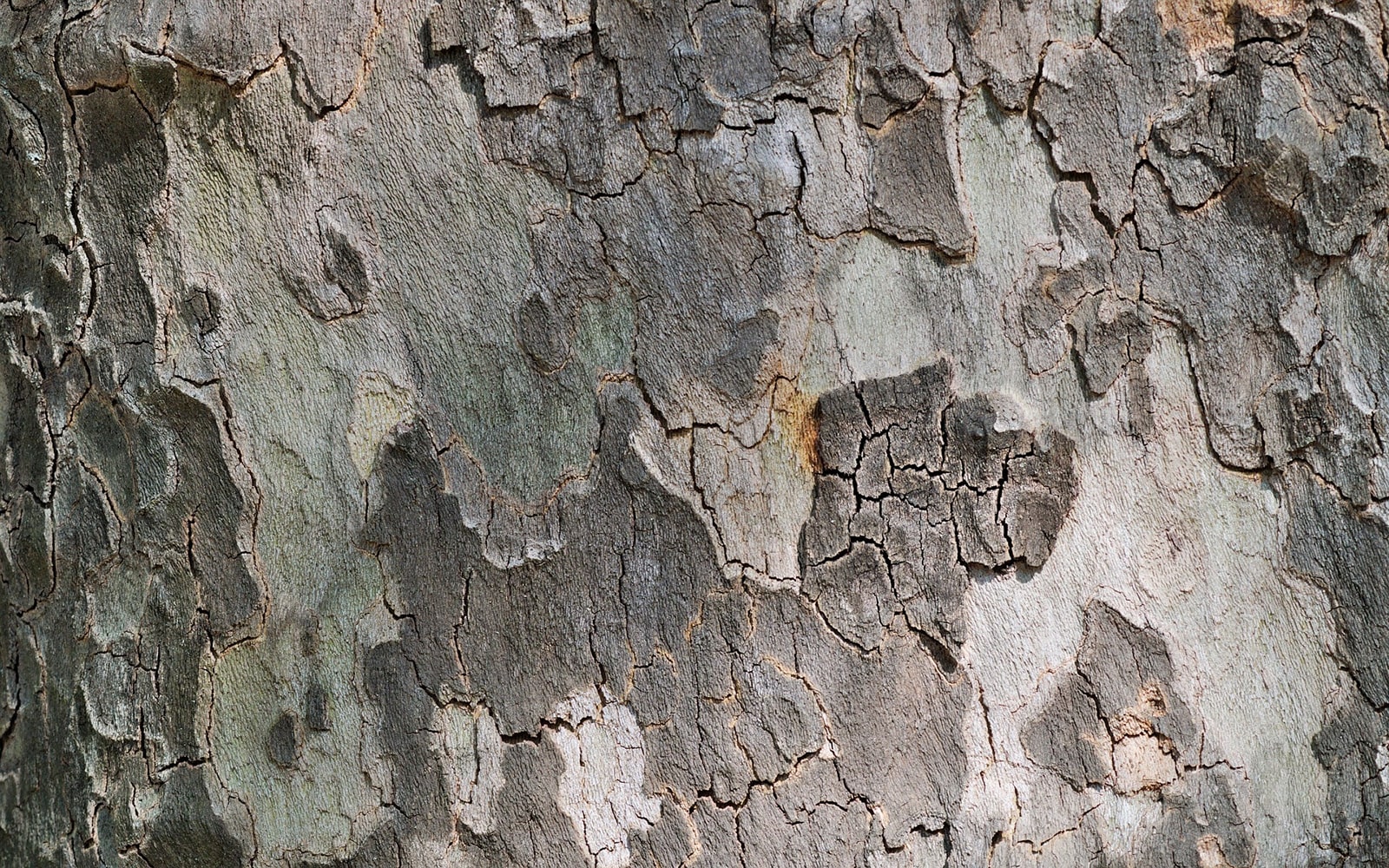
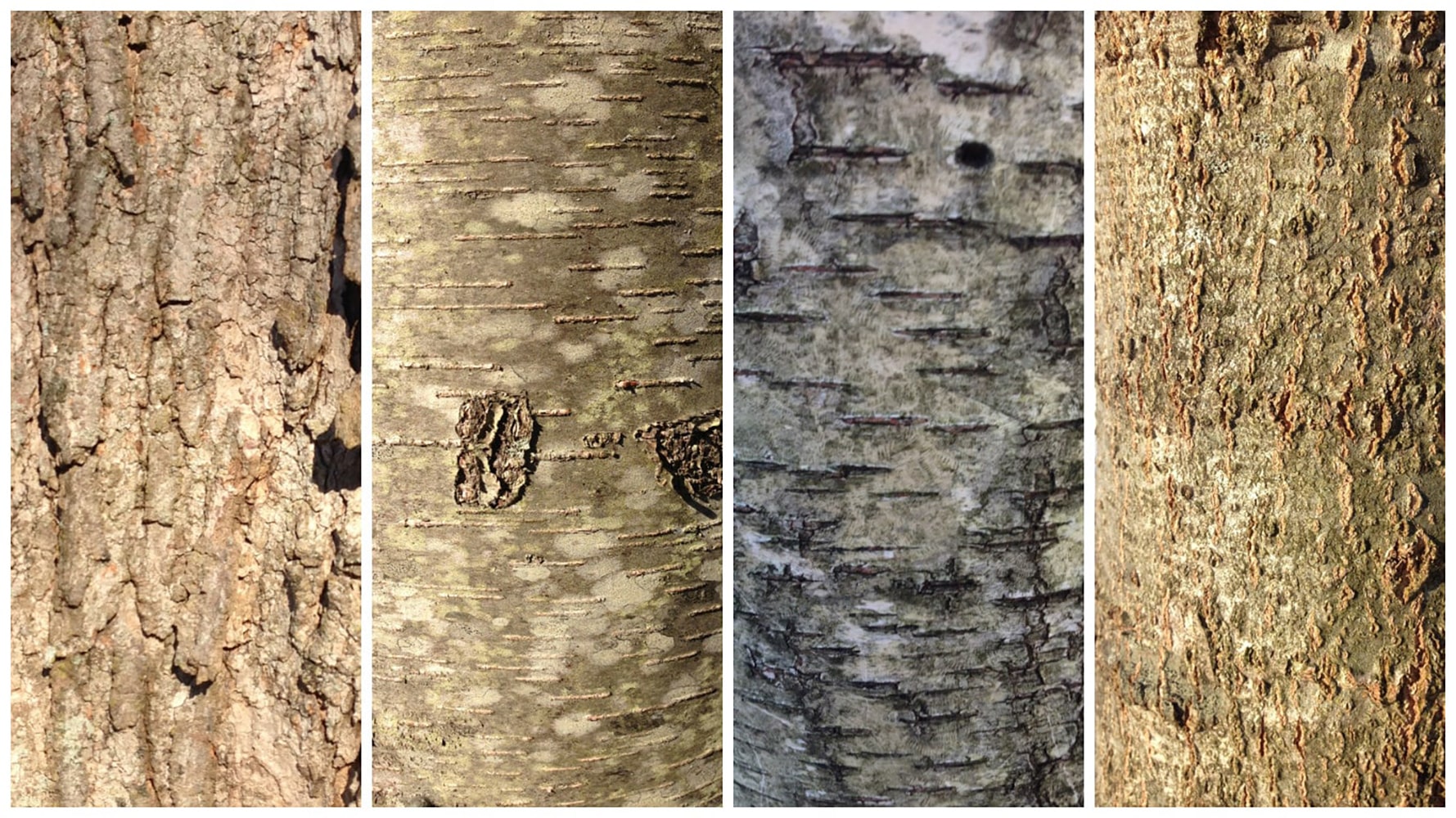
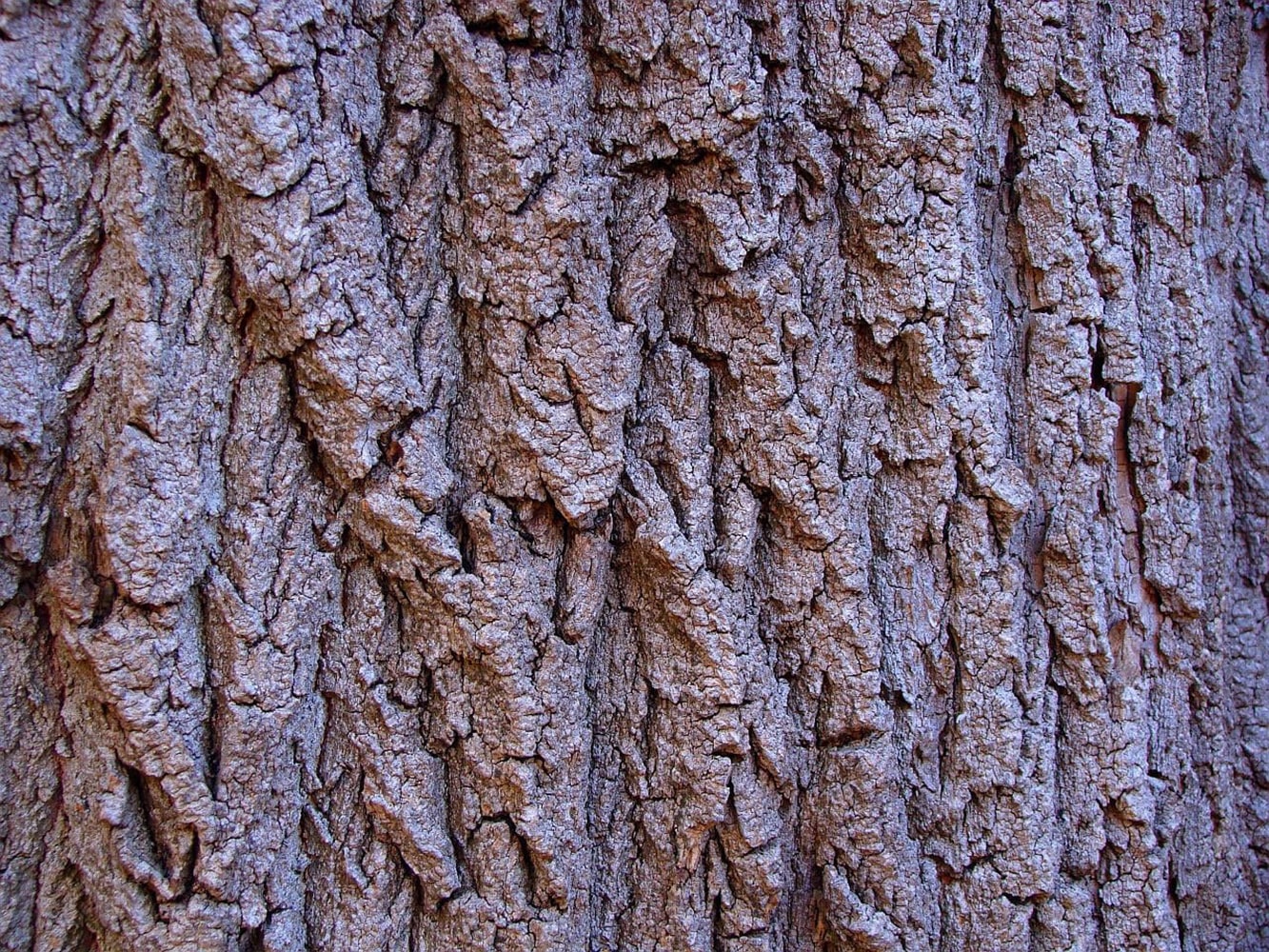
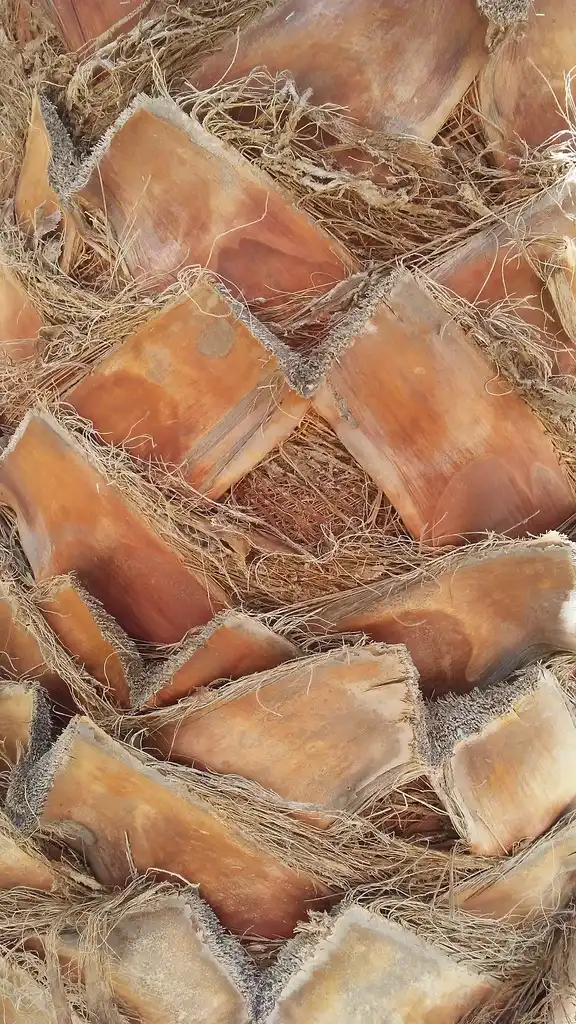
The reddish-brown trunk is ringed with closely set leaf scars that weathers to a light gray.
Light Gray
Light Brown
Red/Burgundy
Stem
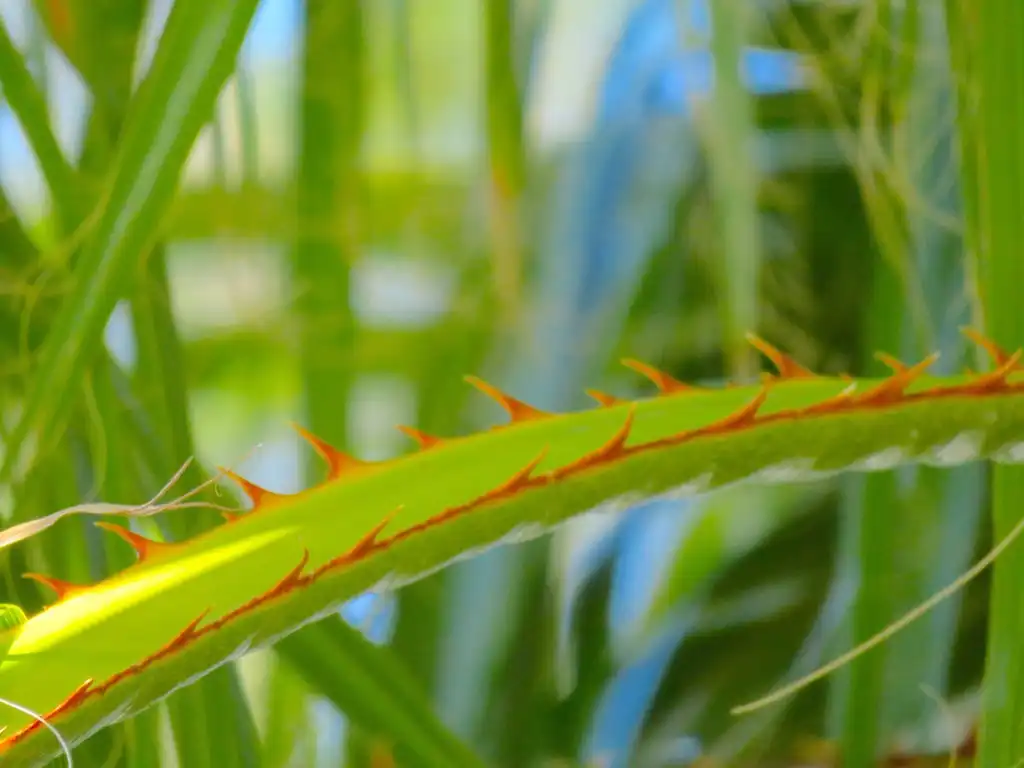
3 ft long green leaf stems are edged with orange saw-tooth spines
Green
Orange
Whole Plant Traits
Cultural Conditions
Full sun (6 or more hours of direct sunlight a day)
Acid (<6.0)
Neutral (6.0-8.0)
Good Drainage
Occasionally Dry
Coastal
Loam (Silt)
Sand
Landscape
Drought Tolerant Garden
Specimen
Street Tree
Drought
Heat
Humidity
Wind
Salt

Washingtonia robusta Attributes

Washingtonia robusta: Country Or Region Of Origin

Mexico
Washingtonia robusta: Distribution

Florida, California, Hawaii and Texas.

Washingtonia robusta: Edibility

Fruits are edible but thin fleshed

Washingtonia robusta: Life Cycle

Annual
Biennial
Bulb
Perennial
Woody

Washingtonia robusta: Recommended Propagation Strategy

Division
Grafting
Layering
Leaf Cutting
Root Cutting
Seed
Stem Cutting

Washingtonia robusta Fruit

Washingtonia robusta: Fruit Description

Many black pea-sized fruits produced

Washingtonia robusta: Fruit Type

Achene
Aggregate
Berry
Capsule
Caryopsis
Drupe
Follicle
Legume
Nut
Pome
Samara
Schizocarp
Siliqua

Washingtonia robusta: Fruit Color

grass
Black

Washingtonia robusta: Fruit Value To Gardener

Edible
Fragrant
Good Cut
Good Dried
Long Bloom Season
Long-lasting
Showy

Washingtonia robusta: Display/Harvest Time

Fall
Spring
Summer
Winter

Washingtonia robusta: Fruit Length

< 1 inch
1-3 inches
> 3 inches

Washingtonia robusta: Fruit Width

< 1 inch
1-3 inches
> 3 inches

Washingtonia robusta Flowers

Washingtonia robusta: Flower Description

Small cream-colored flowers in large drooping clusters are slightly fragrant in June.

Washingtonia robusta: Flower Color

filter_vintage
Gold/Yellow
filter_vintage
White

Washingtonia robusta: Flower Inflorescence

Catkin
Corymb
Cyme
Head
Insignificant
Panicle
Raceme
Solitary
Spadix
Spike
Umbel

Washingtonia robusta: Flower Value To Gardener

Edible
Fragrant
Good Cut
Good Dried
Long Bloom Season
Long-lasting
Showy

Washingtonia robusta: Flower Size

1-3 inches
3-6 inches
< 1 inch
> 6 inches

Washingtonia robusta Leaves

Washingtonia robusta: Leaf Description

Rich green palmate leaves are up to 3=5 feet long and 4 feet wide and are divided halfway to the base. The tips are slightly drooping

Washingtonia robusta: Woody Plant Leaf Characteristics

Broadleaf Evergreen
Deciduous
Needled Evergreen
Semi-evergreen

Washingtonia robusta: Leaf Color

spa
Green

Washingtonia robusta: Leaf Type

Compound (Pinnately , Bipinnately, Palmately)
Fronds
Needles
Sheath
Simple

Washingtonia robusta: Hairs Present

No
Yes

Washingtonia robusta: Leaf Feel

Fleshy
Glossy
Leathery

Papery
Prickly

Rough
Rubbery
Slippery
Smooth
Soft
Velvety
Waxy

Washingtonia robusta Bark

Washingtonia robusta: Bark Description

The reddish-brown trunk is ringed with closely set leaf scars that weathers to a light gray.

Washingtonia robusta: Bark Color

grass
Light Brown
grass
Light Gray
grass
Red/Burgundy

Washingtonia robusta: Surface/Attachment

Bumpy
Exfoliating
Fissured
Furrowed
Lenticels
Papery
Patchy
Peeling
Ridges
Scaly
Shaggy
Shiny
Shredding
Smooth
Spongy

Washingtonia robusta Stem

Washingtonia robusta: Stem Description

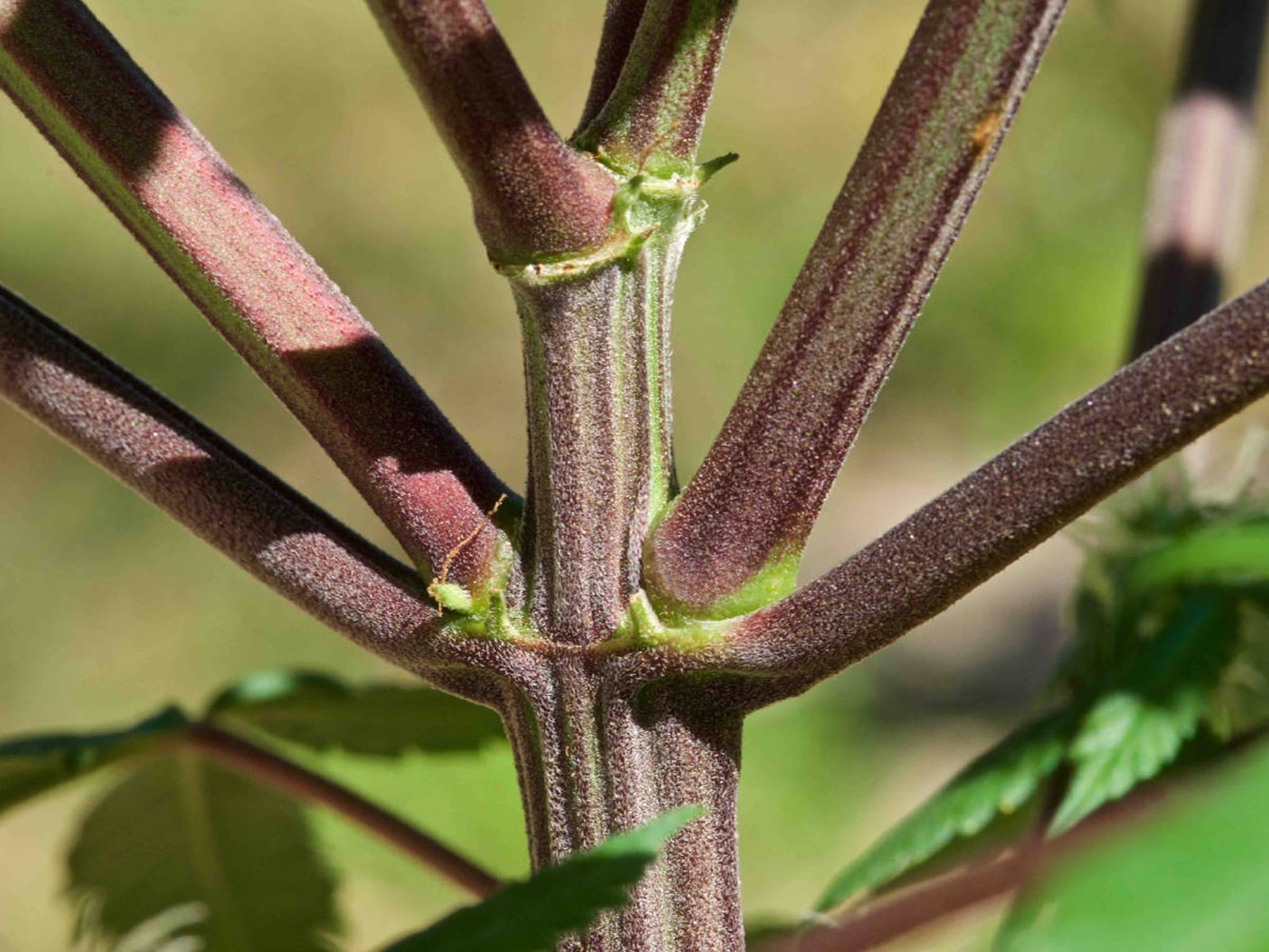
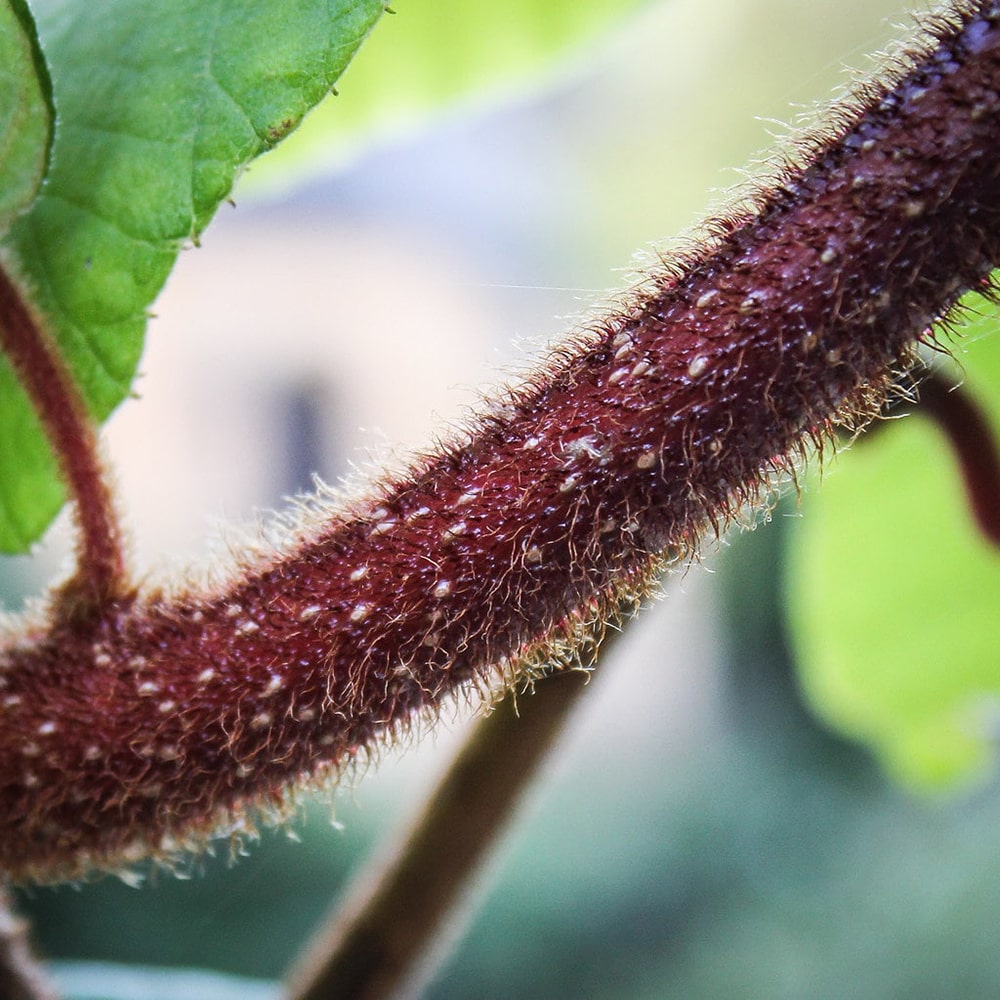
3 ft long green leaf stems are edged with orange saw-tooth spines

Washingtonia robusta: Stem Color

grass
Green
grass
Orange

Washingtonia robusta: Stem Is Aromatic

No
Yes

Washingtonia robusta Whole Plant Traits

Washingtonia robusta: Plant Type

Annual
Bulb
Carnivorous
Edible
Epiphyte
Fern
Ground Cover
Herb
Herbaceous Perennial
Houseplant
Mushroom
Native Plant
Ornamental Grasses and Sedges
Perennial
Poisonous
Rose
Shrub
Succulent
Tree
Turfgrass
Vegetable
Vine
Water Plant
Weed
Wildflower

Washingtonia robusta: Woody Plant Leaf Characteristics

Broadleaf Evergreen
Deciduous
Needled Evergreen
Semi-evergreen

Washingtonia robusta: Habit/Form

Arching
Ascending
Broad
Cascading
Climbing
Clumping
Columnar
Conical
Creeping
Dense
Erect
Horizontal
Irregular
Mounding
Multi-stemmed
Multi-trunked
Open
Oval
Prostrate
Pyramidal
Rounded
Spreading
Vase
Weeping

Washingtonia robusta: Growth Rate

Slow
Medium
Rapid

Washingtonia robusta: Maintenance

Low
Medium
High

Washingtonia robusta: Texture

Fine
Medium
Coarse

Washingtonia robusta: Appendage

Prickles
Spines
Tendrils
Thorns

Washingtonia robusta Cultural Conditions

Washingtonia robusta: Light

Dappled Sunlight (Shade through upper canopy all day)
Deep shade (Less than 2 hours to no direct sunlight)
Full sun (6 or more hours of direct sunlight a day)
Partial Shade (Direct sunlight only part of the day, 2-6 hours)

Washingtonia robusta: Soil pH

Acid (<6.0)
Alkaline (>8.0)
Neutral (6.0-8.0)

Washingtonia robusta: Soil Drainage

Frequent Standing Water
Good Drainage
Moist
Occasional Flooding
Occasionally Dry
Occasionally Wet
Very Dry

Washingtonia robusta: Available Space To Plant

12 inches-3 feet
12-24 feet
24-60 feet
3 feet-6 feet
6-feet-12 feet
Less than 12 inches
more than 60 feet

Washingtonia robusta: NC Region

Coastal
Mountains
Piedmont

Washingtonia robusta: USDA Plant Hardiness Zone

thermostat
10a
thermostat
10b
thermostat
11a
thermostat
11b
thermostat
9a
thermostat
9b

Washingtonia robusta: Soil Texture

Clay
High Organic Matter
Loam (Silt)
Sand
Shallow Rocky

Washingtonia robusta Landscape

Washingtonia robusta: Landscape Theme

Asian Garden
Butterfly Garden
Children's Garden
Cottage Garden
Cutting Garden
Drought Tolerant Garden
Edible Garden
English Garden
Fairy Garden
Garden for the Blind
Native Garden
Nighttime Garden
Pollinator Garden
Rain Garden
Rock Garden
Shade Garden
Water Garden
Winter Garden

Washingtonia robusta: Design Feature

Accent
Barrier
Border
Flowering Tree
Foundation Planting
Hedge
Mass Planting
Screen/Privacy
Security
Shade Tree
Small groups
Small Tree
Specimen
Street Tree
Understory Tree

Washingtonia robusta: Resistance To Challenges

Black Walnut
Compaction
Deer
Diseases
Drought
Dry Soil
Erosion
Fire
Foot Traffic
Heat
Heavy Shade
Humidity
Insect Pests
Pollution
Poor Soil
Rabbits
Salt
Slugs
Squirrels
Storm damage
Urban Conditions
Voles
Wet Soil
Wind

Washingtonia robusta: Landscape Location

Coastal
Container
Hanging Baskets
Houseplants
Lawn
Meadow
Naturalized Area
Near Septic
Patio
Pond
Pool/Hardscape
Recreational Play Area
Riparian
Rock Wall
Slope/Bank
Small Space
Vertical Spaces
Walkways
Woodland

Washingtonia robusta: Problems

Allelopathic
Contact Dermatitis
Frequent Disease Problems
Frequent Insect Problems
Invasive Species
Malodorous
Messy
Poisonous to Humans
Problem for Cats
Problem for Children
Problem for Dogs
Problem for Horses
Short-lived
Spines/Thorns
Weak Wood
Weedy