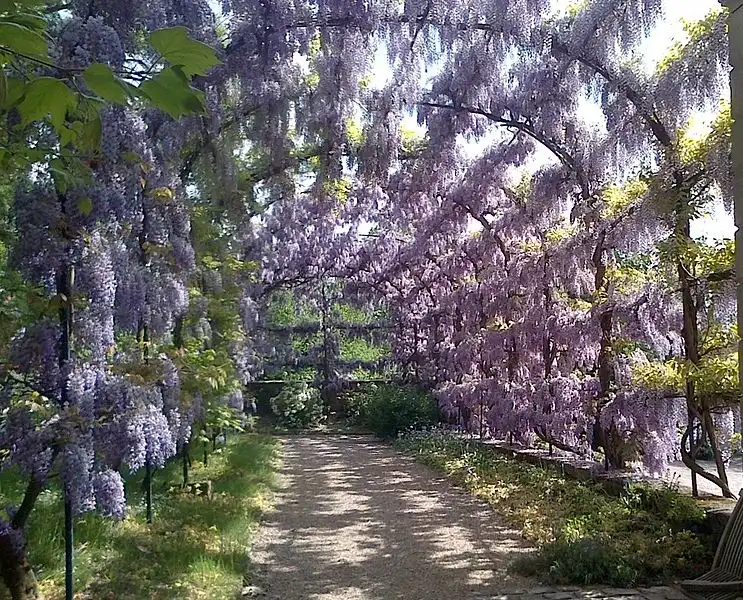
Wisteria: Country Or Region Of Origin
Multiple, depending on variety: China, Japan, America
Phonetic Spelling:wis-TEER-ee-ah
Genus:Wisteria
Species:
Family:Fabaeceae
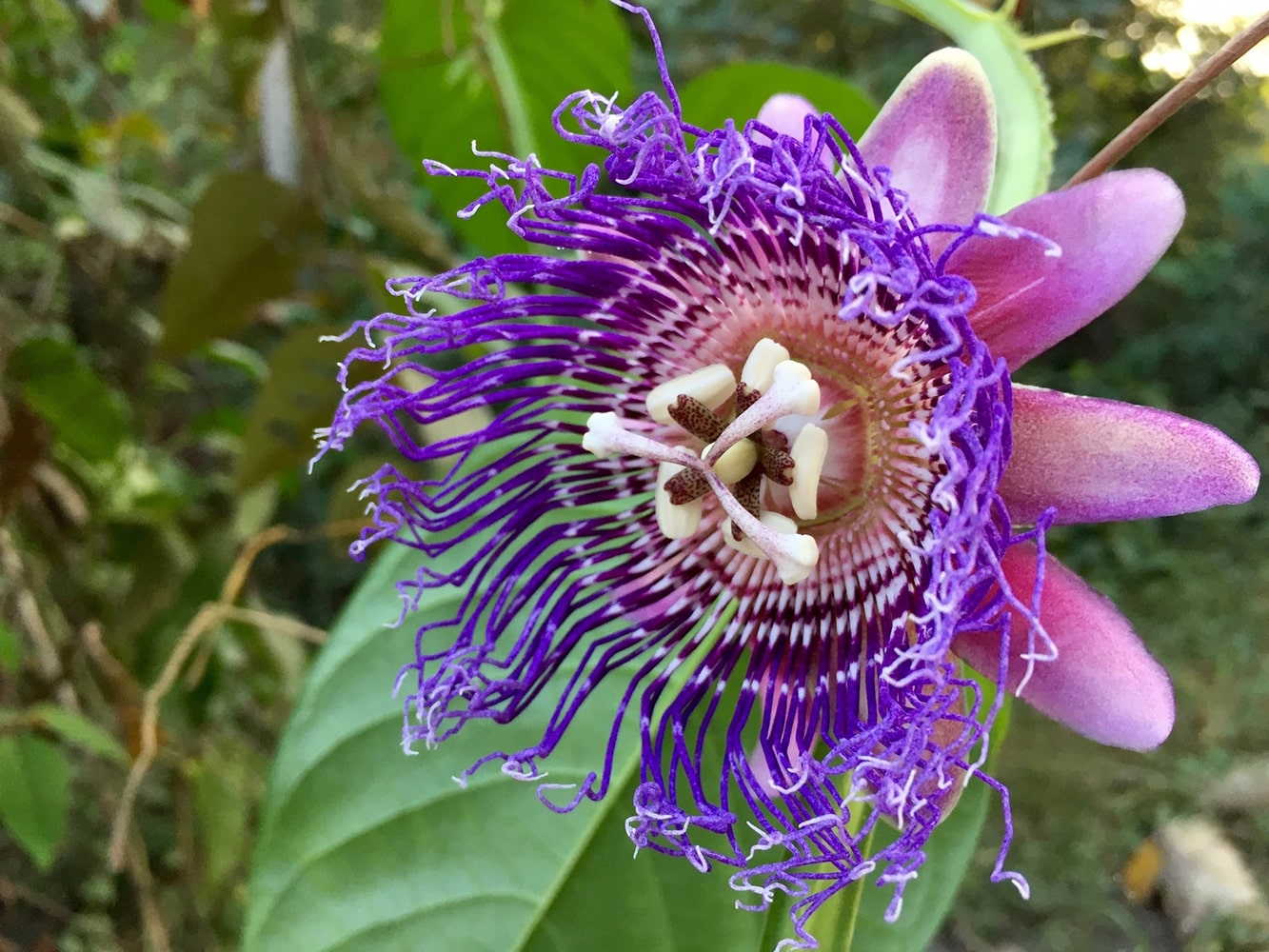
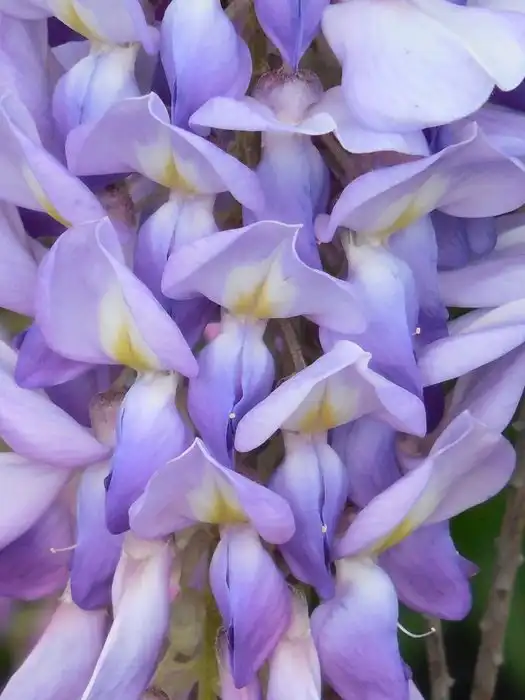
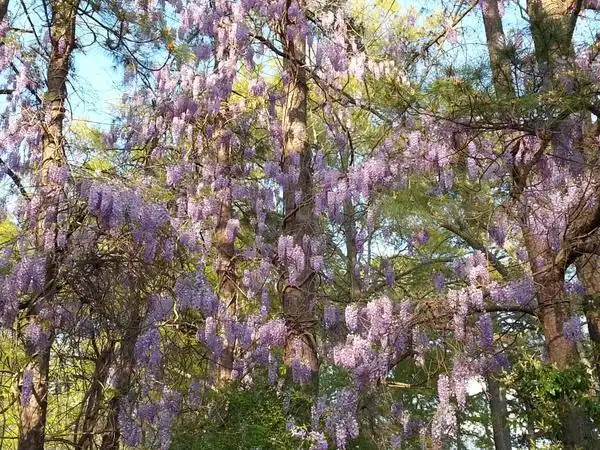
Wisteria is a prolific flowering woody vine that typically blooms in mid-spring, reaching heights of 10 to 25 feet depending on the support it receives. The blossoms are not only abundant but also emit a delightful fragrance, showcasing a spectrum of colors from pink to purple to white. These flowers grow in long, drooping clusters known as racemes, measuring approximately 12 to 18 inches in length. To shape wisteria into a small tree or shrub, extensive pruning is necessary.
Certain varieties, such as the Chinese (Wisteria sinensis) and Japanese (Wisteria floribunda) wisteria, can be quite competitive in their natural habitats, often overshadowing host trees for sunlight. In contrast, American wisteria (Wisteria frutescens) is less aggressive, requiring minimal pruning and posing no threat of becoming invasive. This species is somewhat resistant to deer damage but is toxic to pets like dogs, cats, and horses.
Wisteria can thrive in forests and various natural settings. While it may be native or exotic, it can become weedy in disturbed environments and along roadsides. The flowers only appear on new growth, making spring or fall the ideal times for planting when the plant is dormant. Although it can be grown from seed, which may take several years to yield blooms, using cuttings is generally a more effective method of propagation.
When selecting a wisteria plant, it's important to note that Asian varieties tend to grow more aggressively than their North American counterparts. Key distinguishing features include the seed pods: Asian wisteria has fuzzy pods, while North American varieties have smooth ones. Additionally, North American wisteria flowers bloom after the leaves have emerged, whereas Chinese wisteria flowers appear before the foliage unfolds.
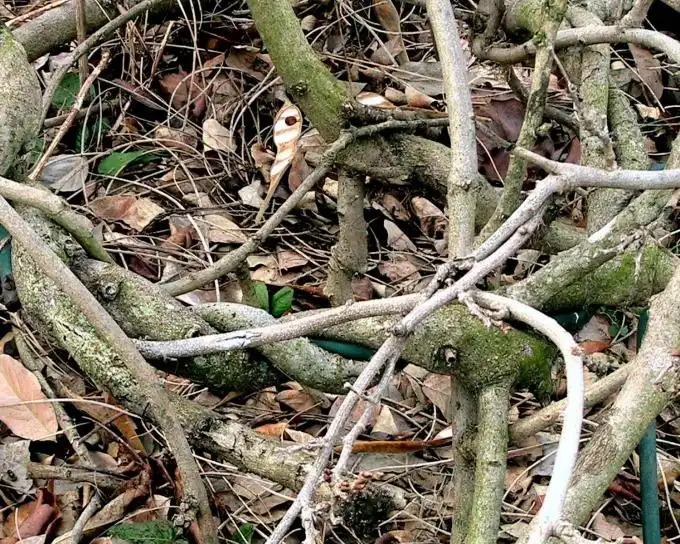
Due to its vigorous growth, some wisteria can become quite heavy, potentially straining the structures they cling to. Therefore, planting them near buildings is not recommended, as they can infiltrate small spaces. Common pests affecting wisteria include Japanese beetles, aphids, leaf miners, scale insects, and mealybugs. Furthermore, diseases such as dieback, crown gall, and leaf spot can also impact the health of these plants.