
Wisteria floribunda: Country Or Region Of Origin
Japan
Phonetic Spelling:wis-TEER-ee-uh flor-ih-BUN-duh
Genus:Wisteria
Species:floribunda
Family:Fabaceae
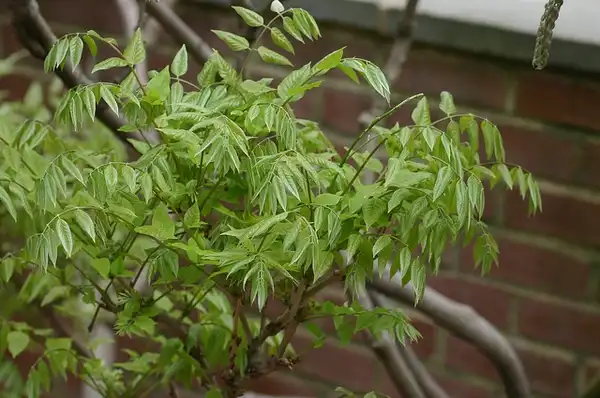
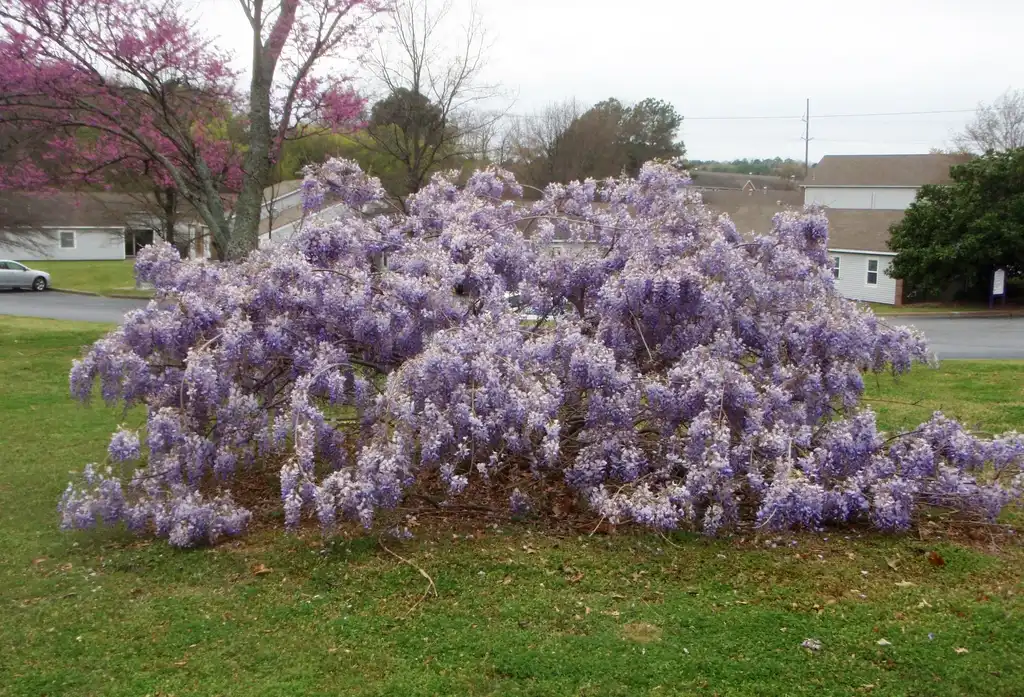
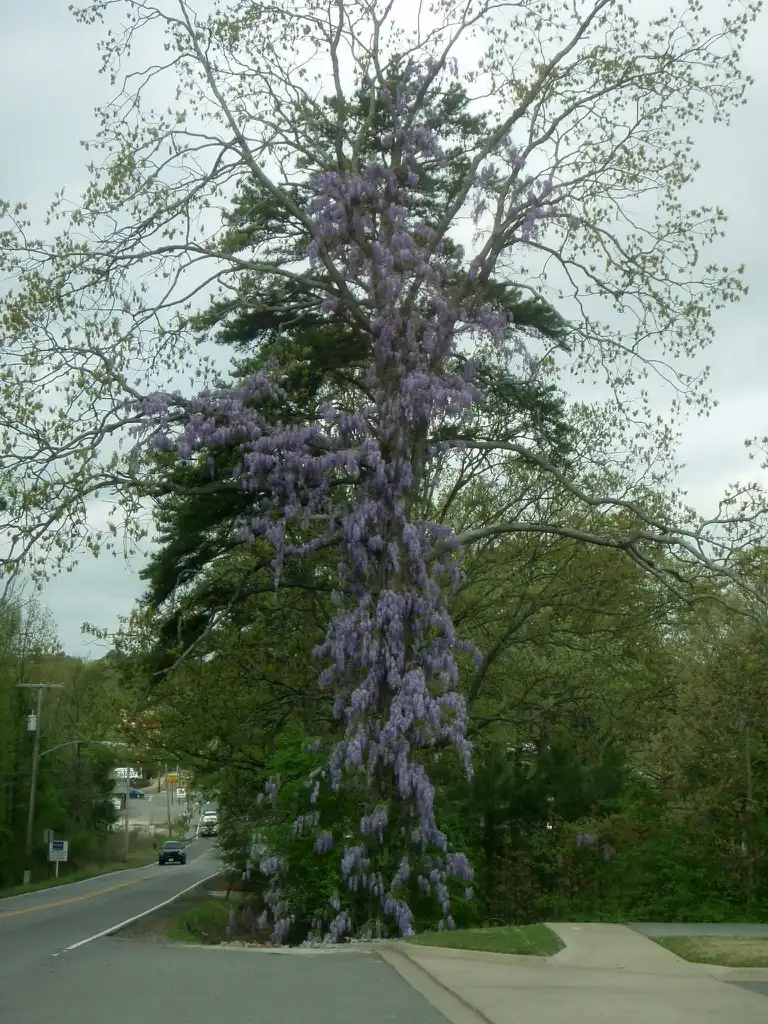
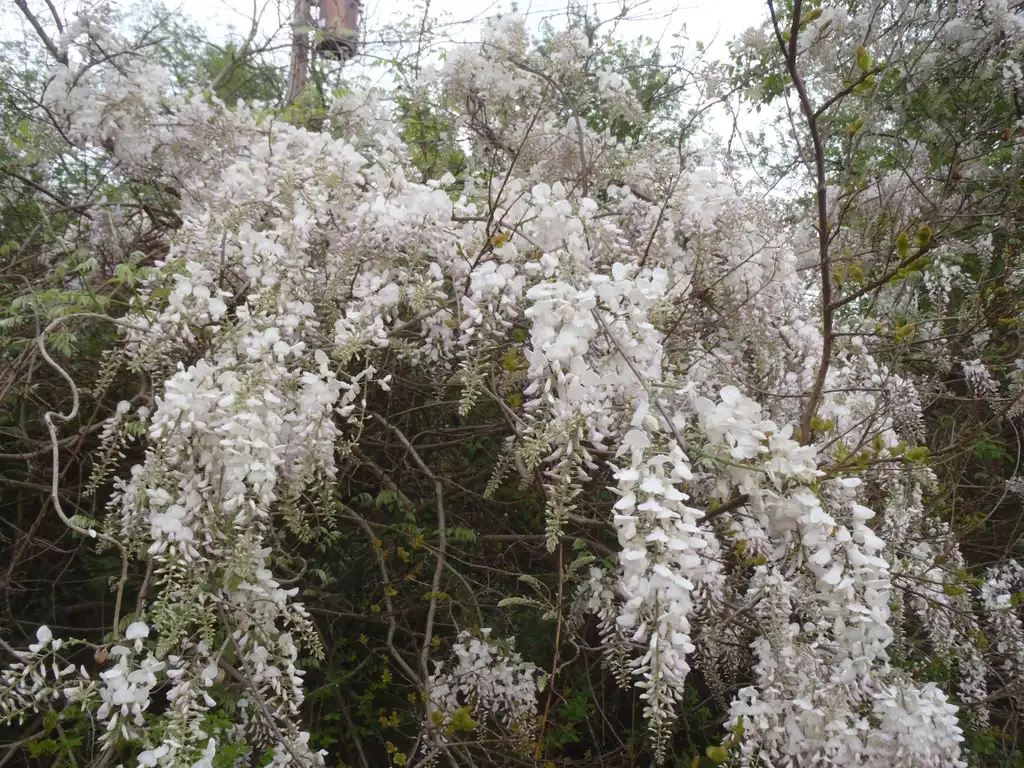
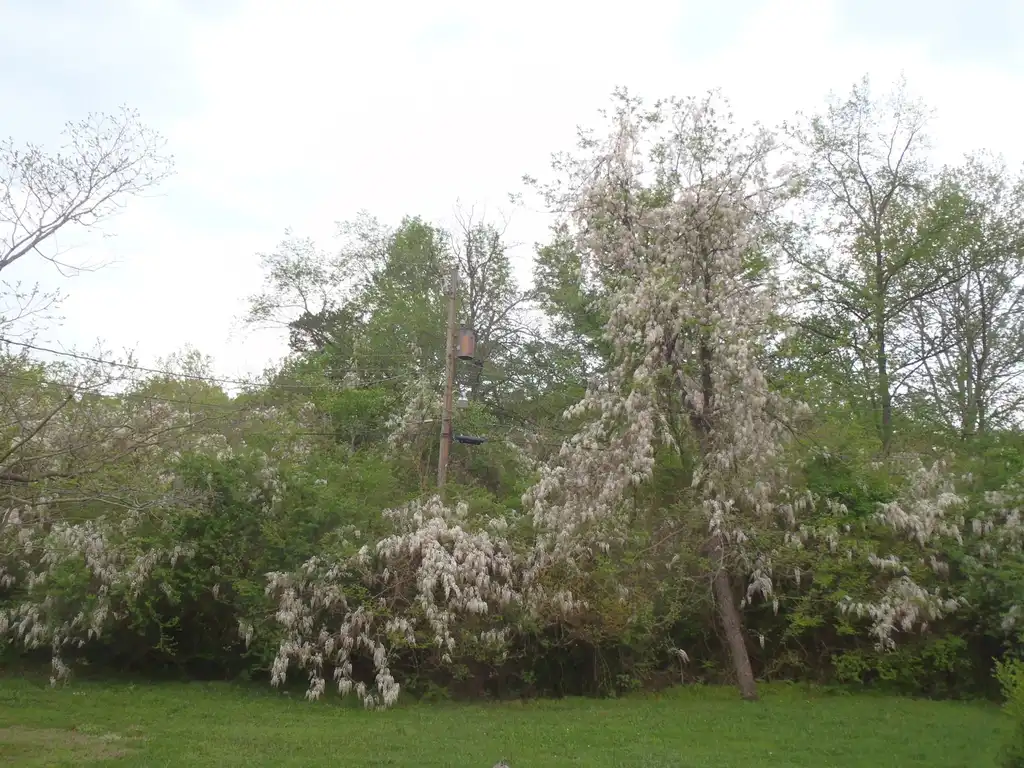
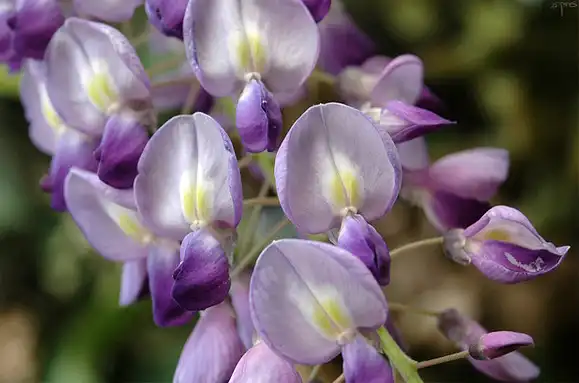
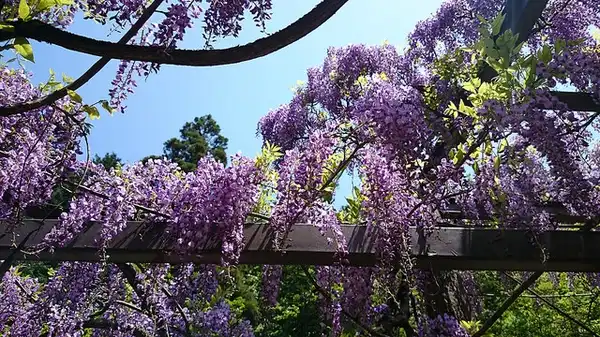
Japanese Wisteria, while initially slow to grow, quickly becomes aggressive and invasive in North Carolina due to its vigorous growth and ability to produce rooting surface runners. This woody deciduous vine spirals in a clockwise manner and needs robust support along with regular pruning. Its stems can climb or spread along a support structure, reaching heights of 10 to 25 feet or more, and can also be shaped into a shrub or small tree. The plant features bright green, compound pinnate leaves consisting of 15 to 19 leaflets, and produces long, drooping clusters (racemes) of fragrant flowers that range in color from pink to purple. These blooms appear in spring, emerging from the base of the clusters and continuing to the tips as the leaves unfold. Following the flowering period, velvety seed pods, approximately 6 inches in length, develop in the fall and may remain into winter.
Japanese Wisteria is adaptable to both wet and dry soil conditions and can form dense thickets by entwining and smothering surrounding shrubs and trees. The stems root at any point where the nodes make contact with the ground, and wildlife tends to avoid this plant due to the large size of its seeds, which are primarily dispersed by water. Additionally, it does not tolerate shade well.
The flowers, leaves, and seeds of the plant are edible, but caution is advised as the raw seeds can be toxic. Cooking the seeds can yield a flavor reminiscent of chestnuts, while young leaves can be brewed as a tea substitute. The flowers are also safe to eat when cooked.
The bark of Wisteria floribunda can be utilized to craft ropes and sandals, and its branches are suitable for making bridge cables.
In terms of maintenance, this plant requires significant attention once established due to its aggressive growth. Achieving blooms can be challenging; however, techniques such as root pruning, applying phosphorus fertilizer, and trimming back shoots to just 3 to 4 buds may help encourage flowering.
It is important to note that the seeds can be poisonous.
Wisteria floribunda Feature Summary
Wisteria floribunda Image Gallery