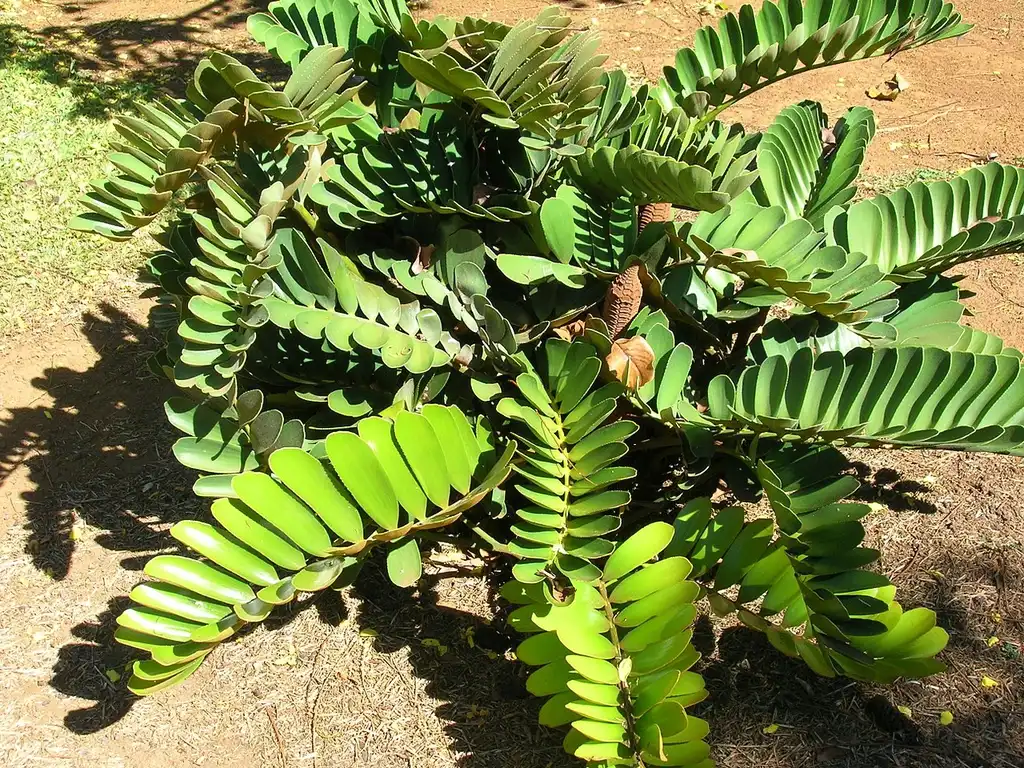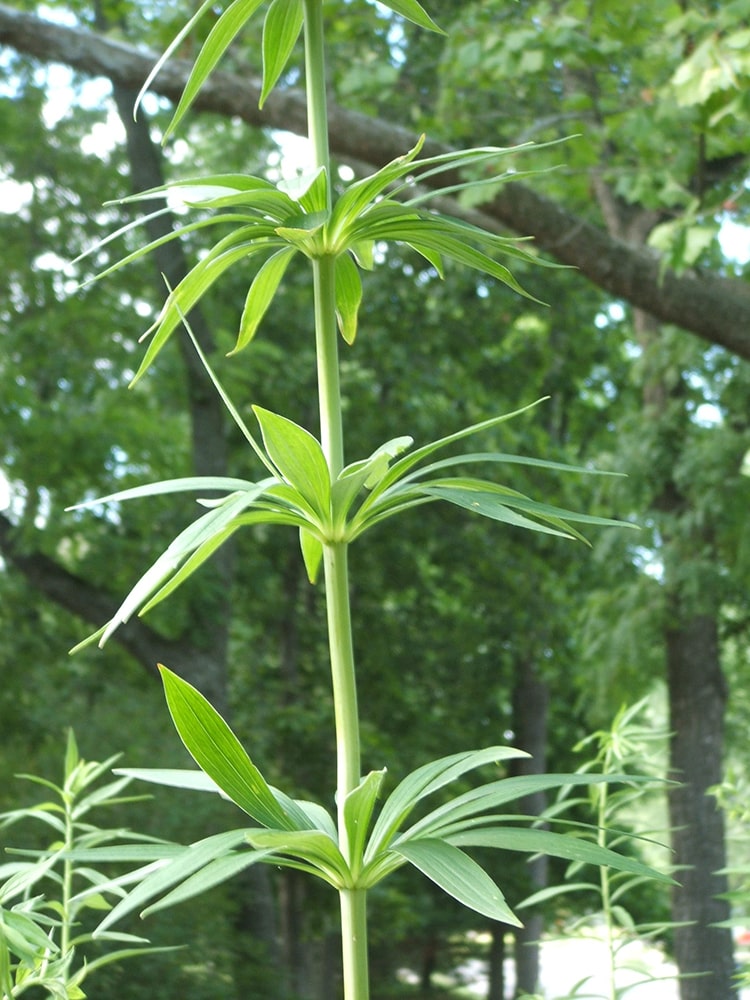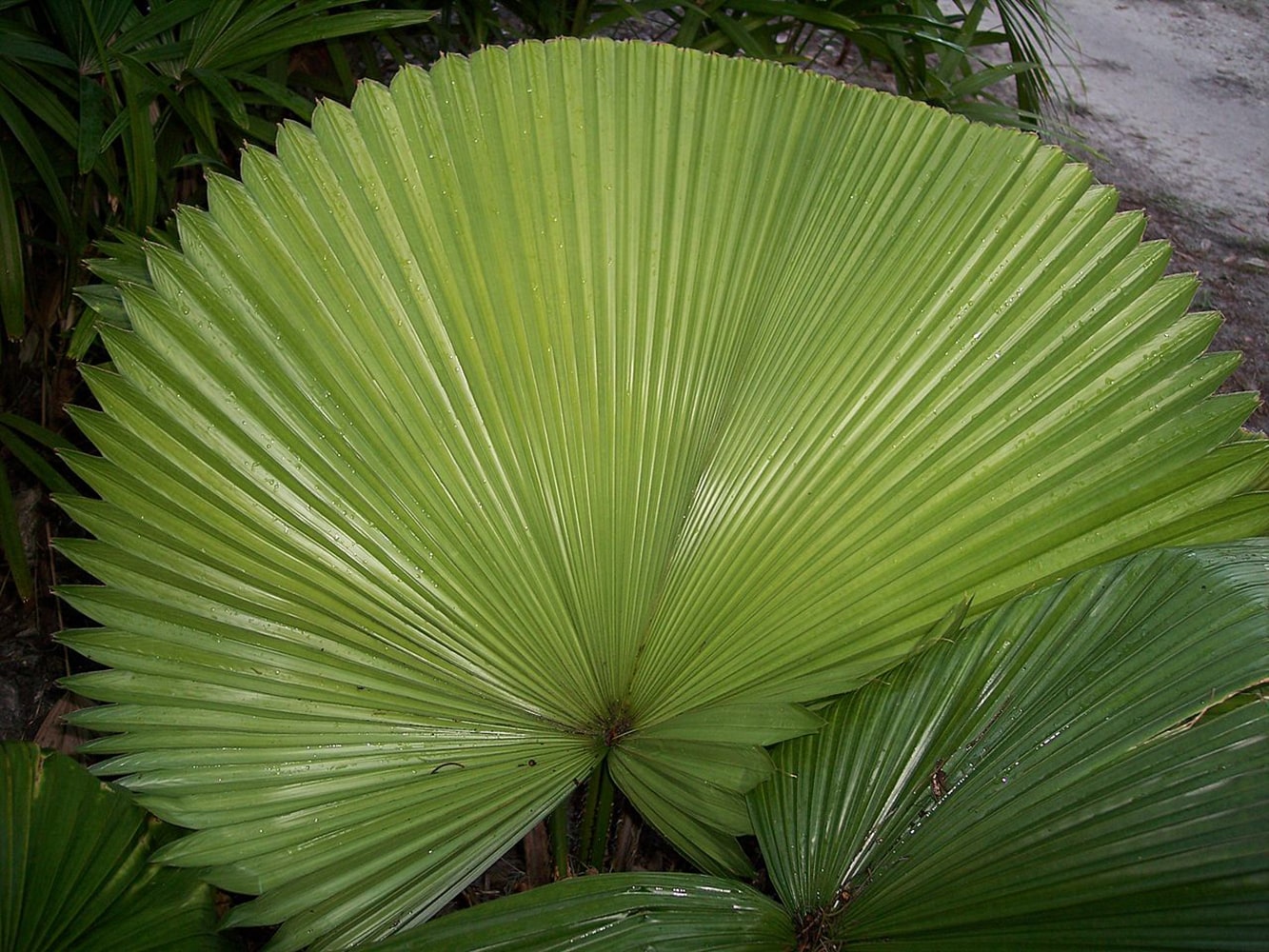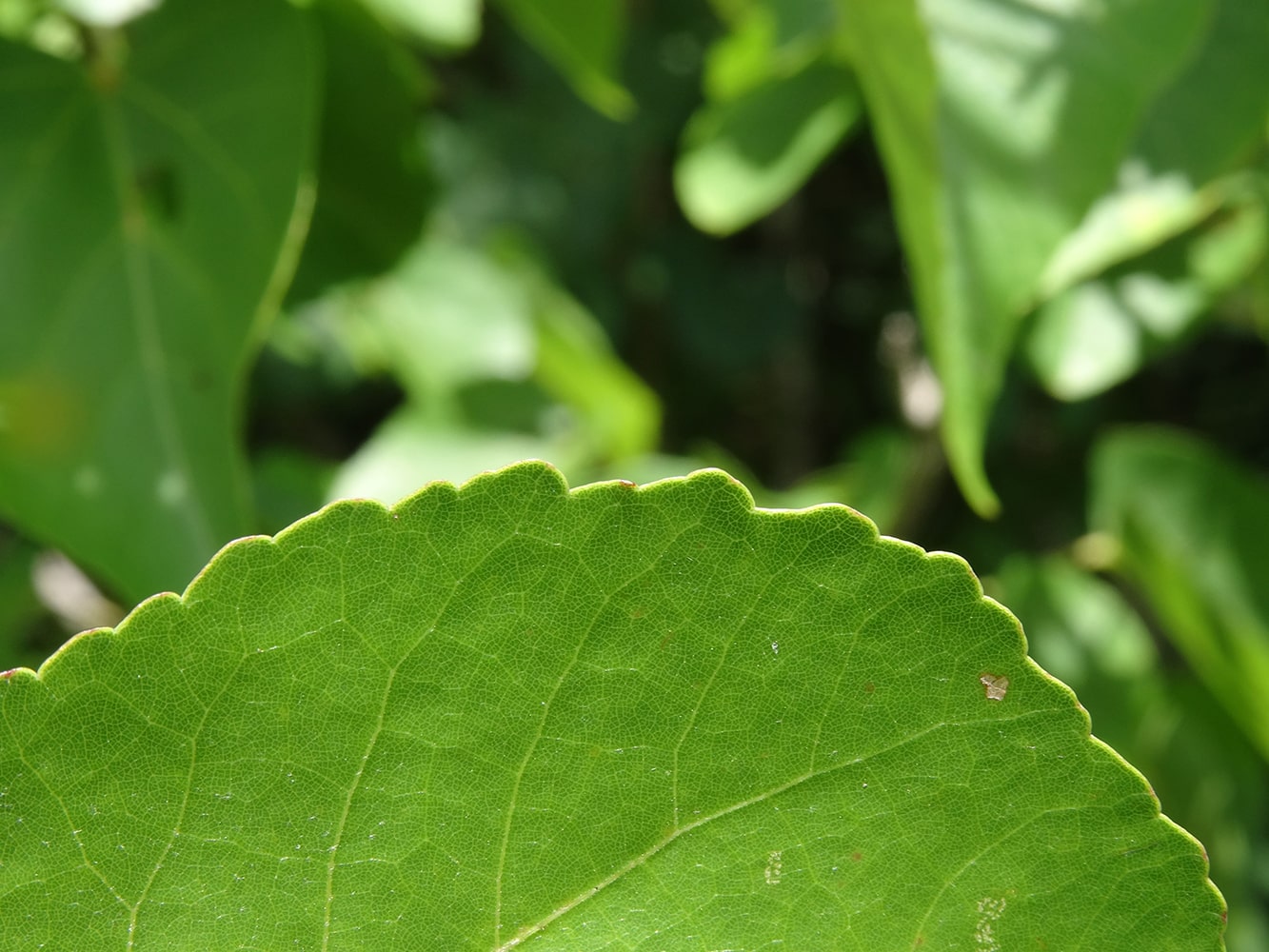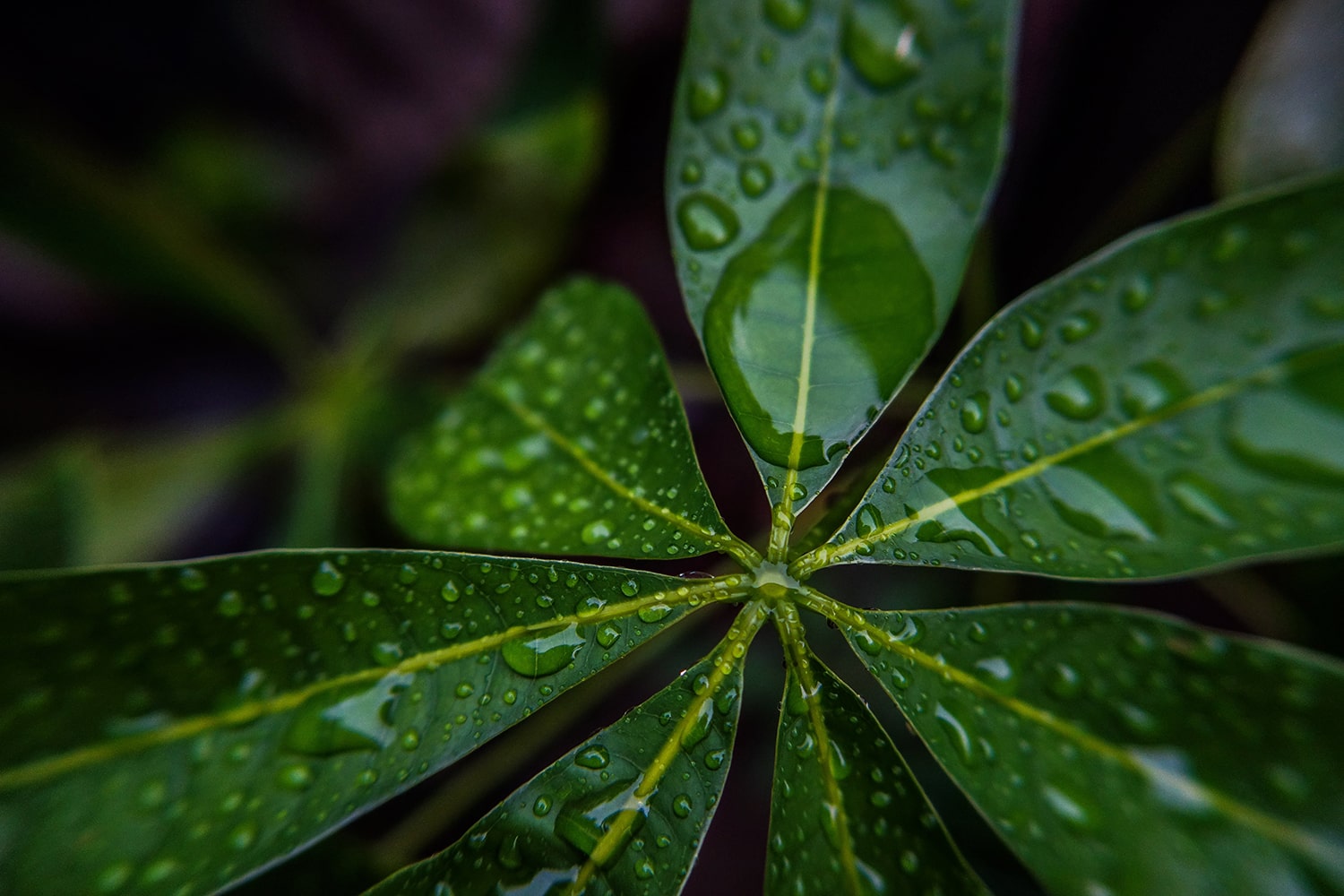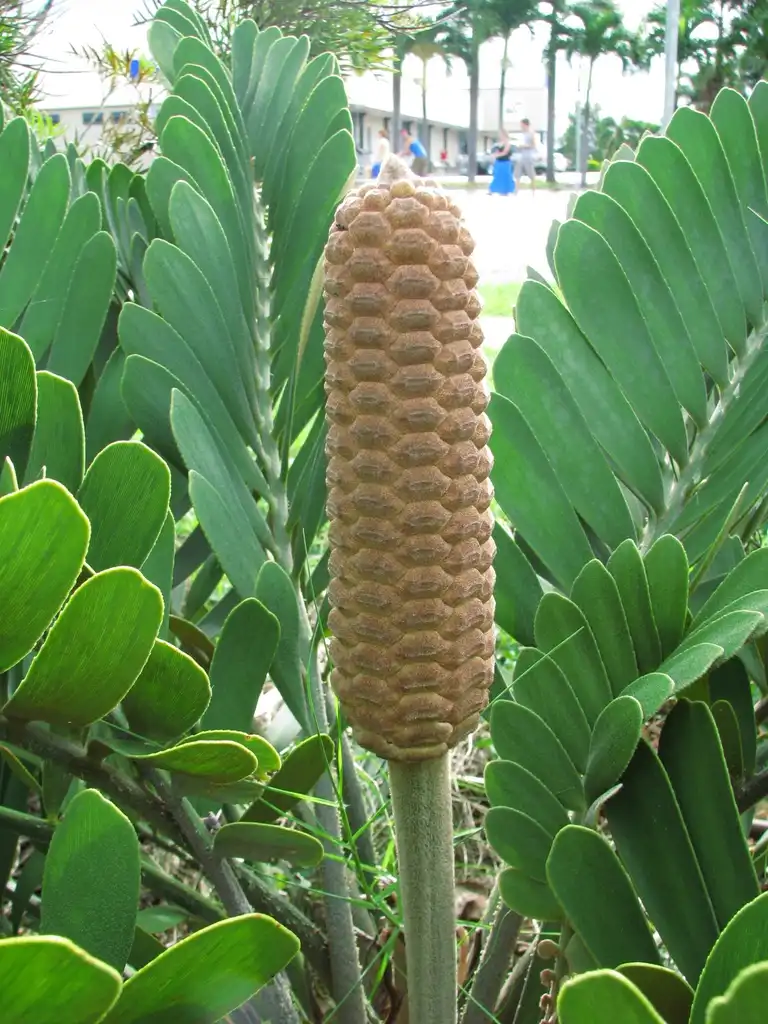
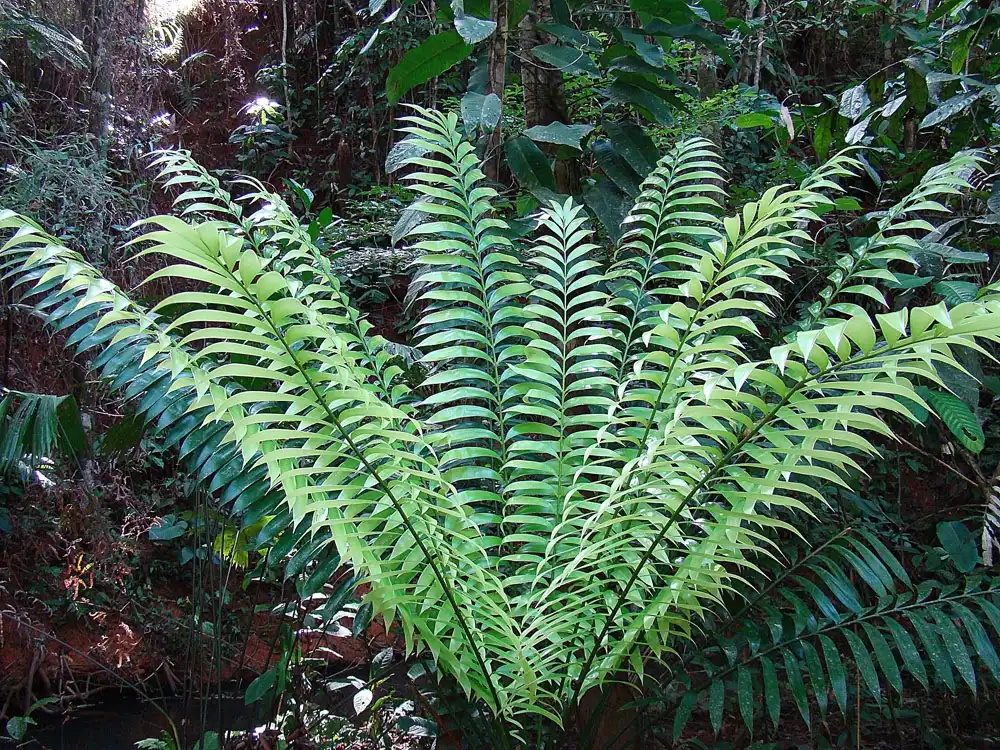
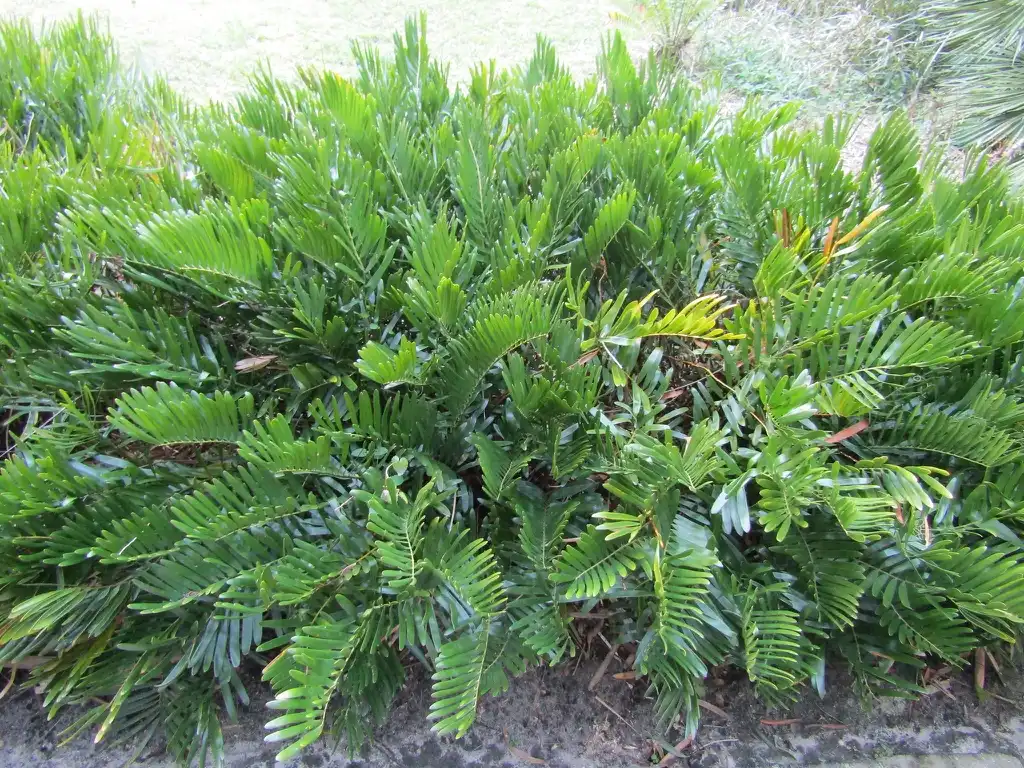
• Photo of Zamia (Zamias)

Plant Profile: Zamia

Taxonomy: Zamia

Names

Cardboard Palm, Chigua, Cycad, Cycads, cycads and zamias, Fern Palm, koo (Karapana and Tanimuka), Maw'-ti-ree-na (Kubuyan), Sago Palm

  • Photo of Zamia (Zamias)

Phonetic Spelling:ZAM-ee-ah

Genus:Zamia

Species:

Family:Zamiaceae

Zamia is a diverse group of shrubs originating from tropical regions of America, with one species found in the southern United States. Each species features a crown of leaves that closely resembles those of palms or ferns, and as they mature, they tend to branch extensively, forming visually appealing clusters. These plants thrive primarily in warm, humid environments typical of tropical rainforests. Their leaves are generally thick, and the branches extend outward from the trunk, with some species producing cones.

Certain varieties can be cultivated as houseplants, with the cardboard palm (Z. furfuracea) being particularly popular. They prefer bright light and require well-drained potting soil that should be kept moist but not soggy, as excess moisture can lead to root rot. It's important to note that these plants are highly toxic to pets.

Zamia Feature Summary

Zamia Image Gallery

Tags

#houseplant
#interiorscape
#cycad
#leathery leaves
#problem for cats
#problem for dogs
#problem for horses
#tropical feel
#container plants

Similar Plants

Zamia Feature Summary

Attributes
U.S.A, Mexico, South America
Perennial
Fruit
Cone producing, resemble corn cobs
Red/Burgundy
Orange
Leaves
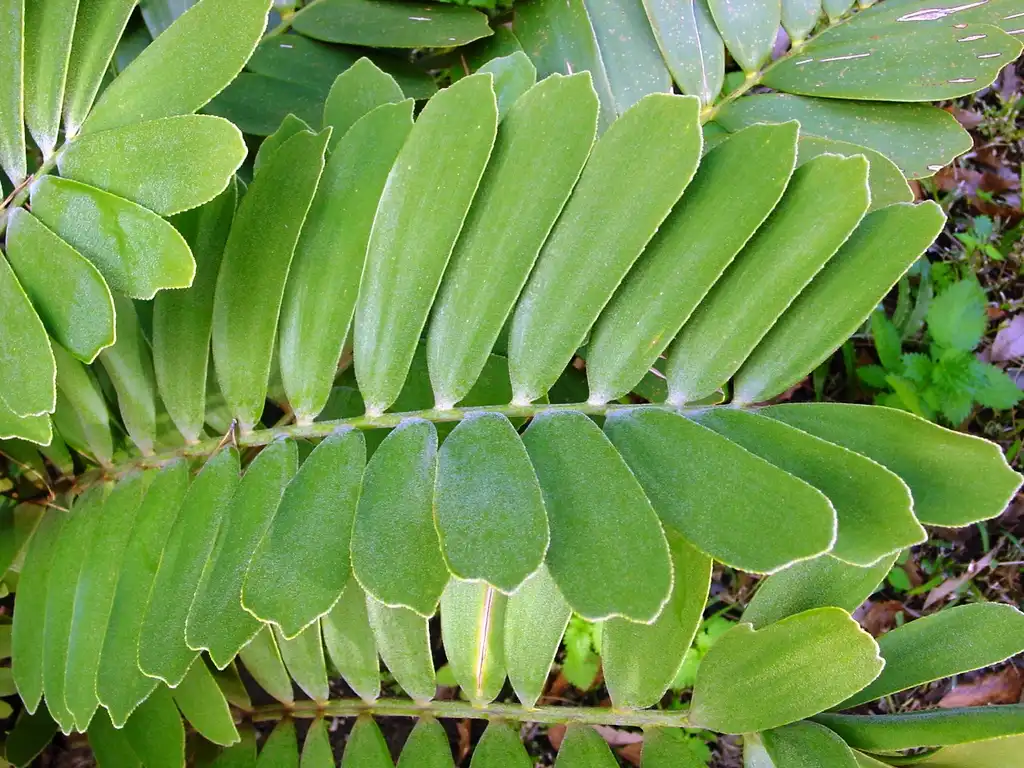
Turgid pinnately compound leaves with long arching petioles leaflets have entire margins resemble palms
Compound (Pinnately , Bipinnately, Palmately)
Lanceolate
Smooth
Leathery
Stem
This plant is woody and develops basically underground.
Poisonous to Humans
Vomiting, nausea, abdominal pain and diarrhea, highly toxic to pets.
Seeds
Fruits
Whole Plant Traits
Arching
Erect
Clumping
Cultural Conditions
Full sun (6 or more hours of direct sunlight a day)
Good Drainage
Moist
Landscape
Container
Houseplants
Problem for Cats
Problem for Dogs
Problem for Horses

Zamia Attributes

Zamia: Country Or Region Of Origin

U.S.A, Mexico, South America
Zamia: Life Cycle

Annual
Biennial
Bulb
Perennial
Woody

Zamia Fruit

Zamia: Fruit Description

Cone producing, resemble corn cobs

Zamia: Fruit Color

grass
Orange
grass
Red/Burgundy

Zamia Leaves

Zamia: Leaf Description

Turgid pinnately compound leaves with long arching petioles leaflets have entire margins resemble palms

Zamia: Woody Plant Leaf Characteristics

Broadleaf Evergreen
Deciduous
Needled Evergreen
Semi-evergreen

Zamia: Leaf Color

spa
Green

Zamia: Leaf Type

Compound (Pinnately , Bipinnately, Palmately)
Fronds
Needles
Sheath
Simple

Zamia: Leaf Arrangement

Alternate
Opposite
Other/more complex
Rosulate
Whorled

Zamia: Leaf Shape

Acicular
Auriculate
Cordate
Cuneate
Deltoid
Elliptical
Filiform
Lanceolate
Linear
Oblanceolate
Oblong
Obovate
Obtuse
Orbicular
Ovate
Palmasect
Palmatifid
Peltate
Pinnatifid
Pinnatisect
Reniform
Rhomboidal
Spatulate
Subcordate
Subulate

Zamia: Leaf Margin

Crenate
Crenulate
Dentate
Denticulate
Doubly Crenate
Doubly Dentate
Doubly Serrate
Entire
Lobed
Serrate
Sinuate
Undulate

Zamia: Hairs Present

No
Yes

Zamia: Leaf Feel

Fleshy
Glossy
Leathery
Papery
Prickly
Rough
Rubbery
Slippery
Smooth
Soft
Velvety
Waxy

Zamia Stem

Zamia: Stem Description

This plant is woody and develops basically underground.

Zamia: Stem Is Aromatic

No
Yes

Zamia Poisonous to Humans

Zamia: Poison Symptoms

Vomiting, nausea, abdominal pain and diarrhea, highly toxic to pets.
Zamia: Poison Toxic Principle

cycasin

Zamia: Poison Severity

High
Low
Medium

Zamia: Causes Contact Dermatitis

No
Yes

Zamia: Poison Part

Bark
Flowers
Fruits
Leaves
Roots
Sap/Juice
Seeds
Stems

Zamia Whole Plant Traits

Zamia: Plant Type

Annual
Bulb
Carnivorous
Edible
Epiphyte
Fern
Ground Cover
Herb
Herbaceous Perennial
Houseplant
Mushroom
Native Plant
Ornamental Grasses and Sedges
Perennial
Poisonous
Rose
Shrub
Succulent
Tree
Turfgrass
Vegetable
Vine
Water Plant
Weed
Wildflower

Zamia: Woody Plant Leaf Characteristics

Broadleaf Evergreen
Deciduous
Needled Evergreen
Semi-evergreen

Zamia: Habit/Form

Arching
Ascending
Broad
Cascading
Climbing
Clumping
Columnar
Conical
Creeping
Dense
Erect
Horizontal
Irregular
Mounding
Multi-stemmed
Multi-trunked
Open
Oval
Prostrate
Pyramidal
Rounded
Spreading
Vase
Weeping

Zamia: Maintenance

Low
Medium
High

Zamia Cultural Conditions

Zamia: Light

Dappled Sunlight (Shade through upper canopy all day)
Deep shade (Less than 2 hours to no direct sunlight)
Full sun (6 or more hours of direct sunlight a day)
Partial Shade (Direct sunlight only part of the day, 2-6 hours)

Zamia: Soil Drainage

Frequent Standing Water
Good Drainage
Moist
Occasional Flooding
Occasionally Dry
Occasionally Wet
Very Dry

Zamia Landscape

Zamia: Landscape Location

Coastal
Container
Hanging Baskets
Houseplants
Lawn
Meadow
Naturalized Area
Near Septic
Patio
Pond
Pool/Hardscape
Recreational Play Area
Riparian
Rock Wall
Slope/Bank
Small Space
Vertical Spaces
Walkways
Woodland

Zamia: Problems

Allelopathic
Contact Dermatitis
Frequent Disease Problems
Frequent Insect Problems
Invasive Species
Malodorous
Messy
Poisonous to Humans
Problem for Cats
Problem for Children
Problem for Dogs
Problem for Horses
Short-lived
Spines/Thorns
Weak Wood
Weedy