Acer japonicum 'Aconitifolium': Uses (Ethnobotany)
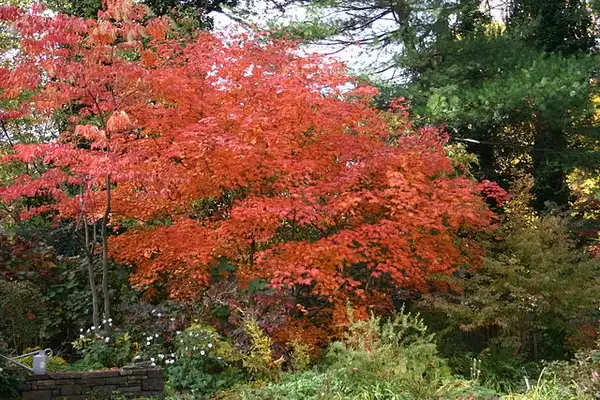
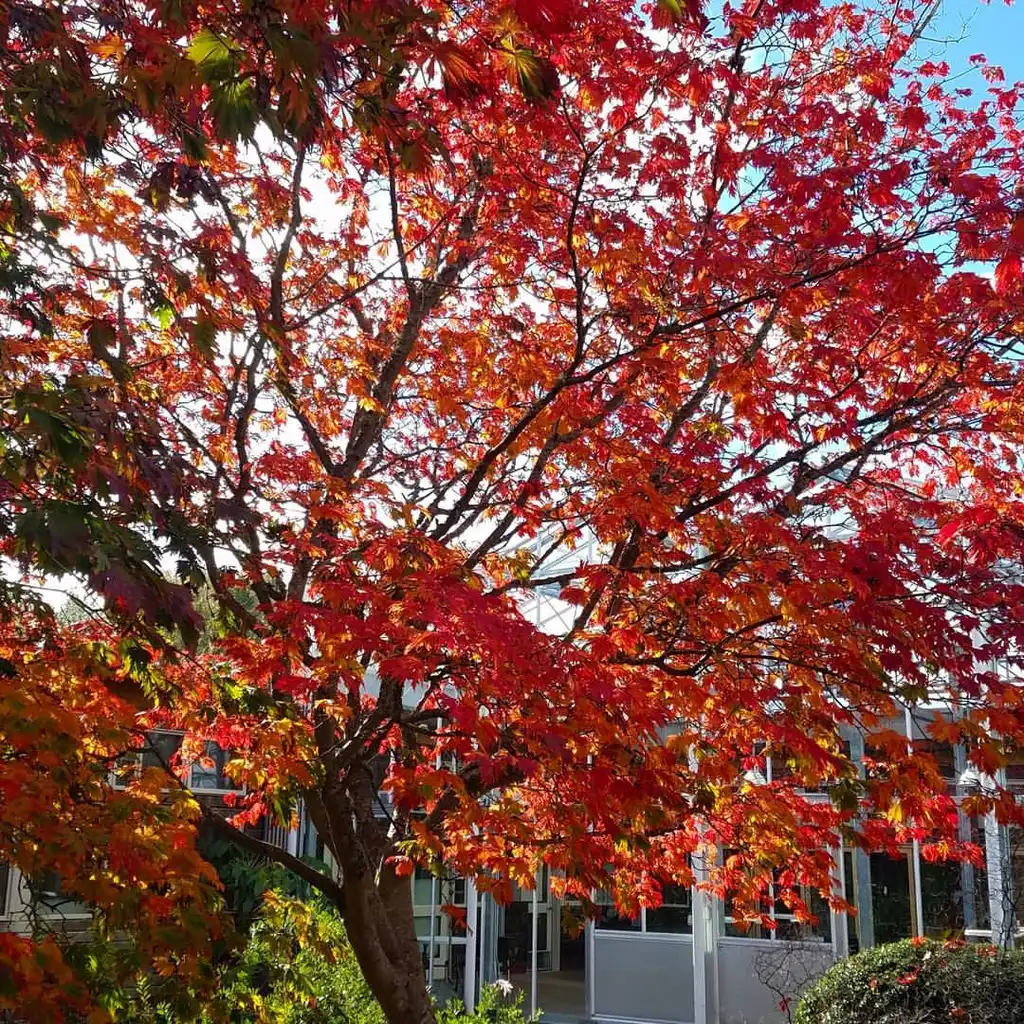
Vigorous understory tree featuring attractive foliage and stunning fall color.
Phonetic Spelling:AY-ser juh-PON-ih-kum
Genus:Acer
Species:japonicum
Family:Sapindaceae
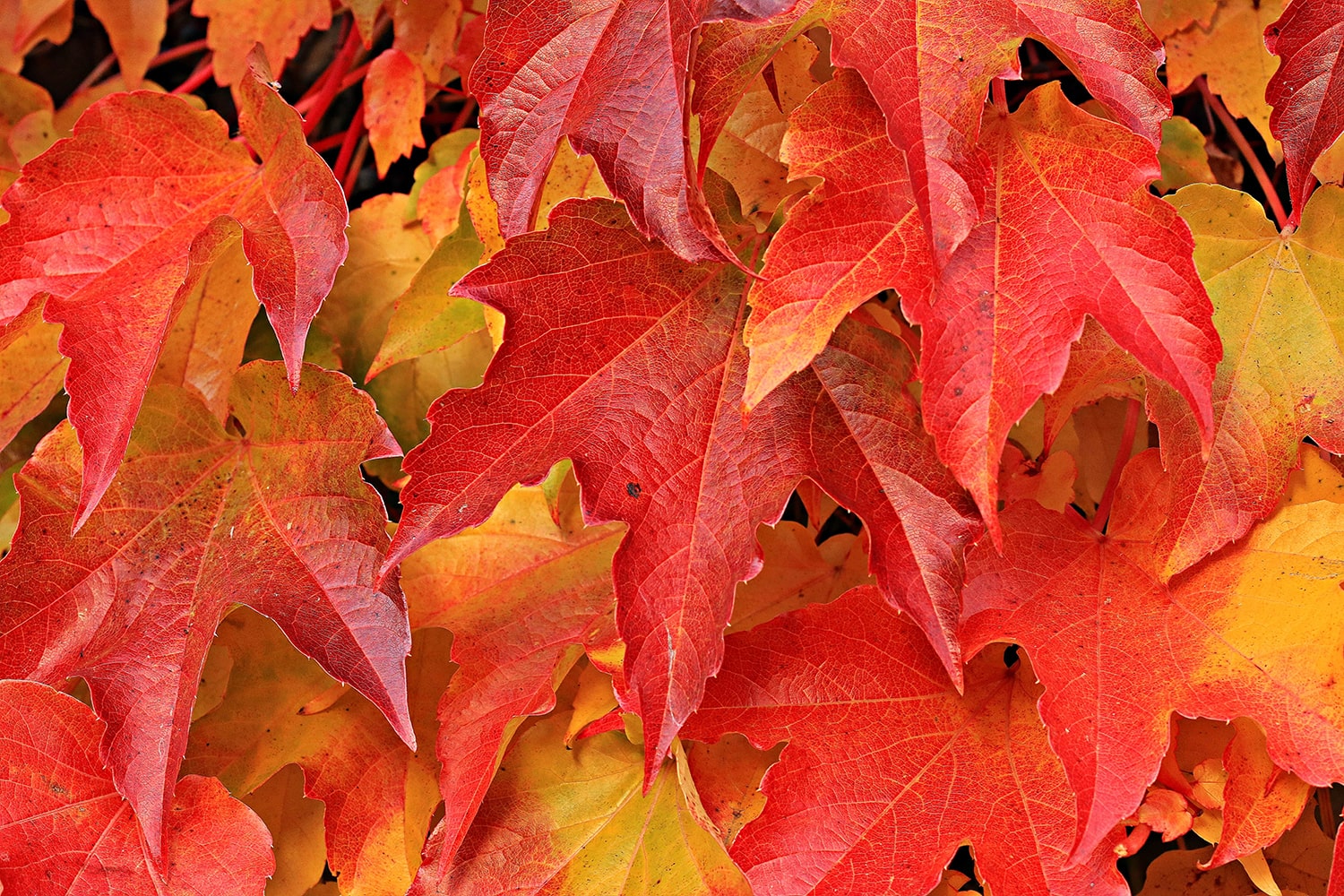
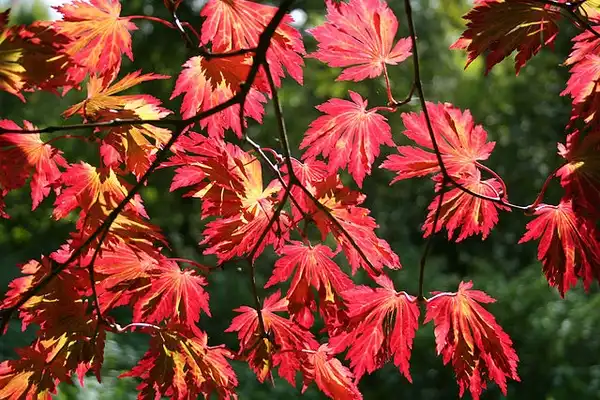
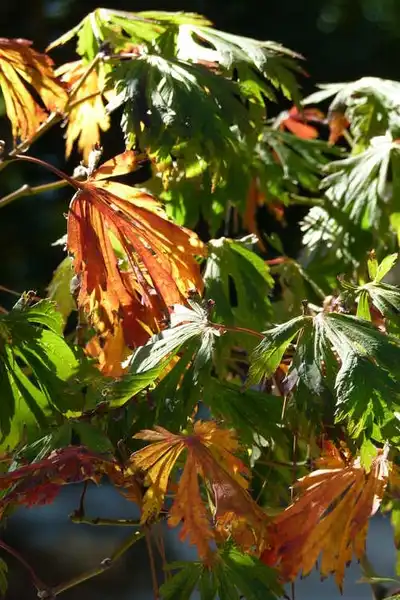
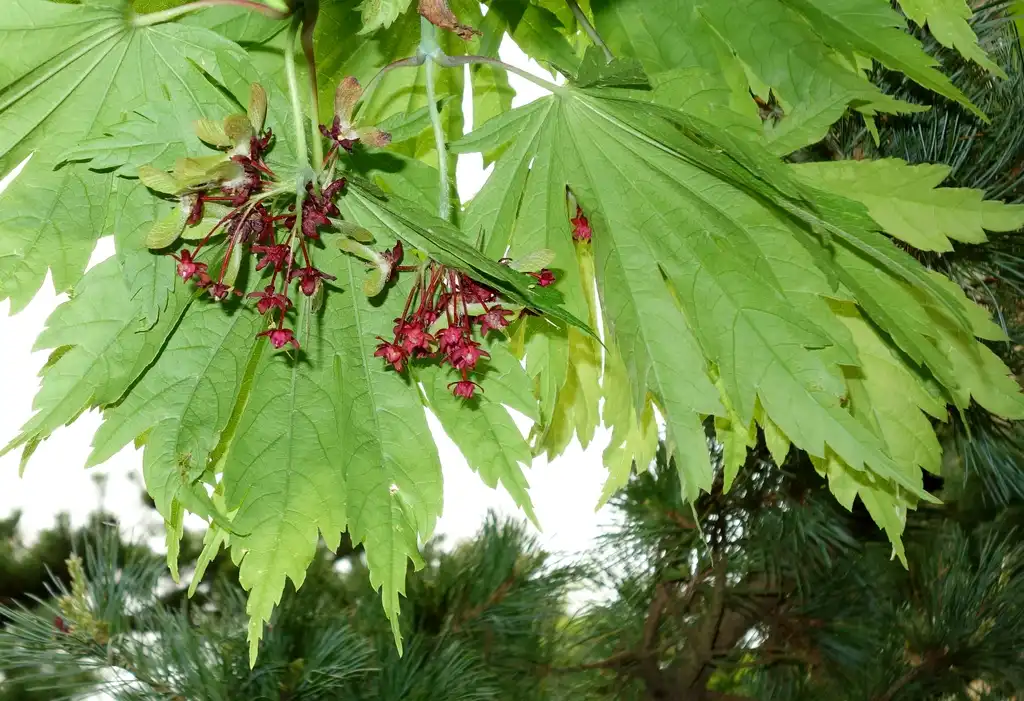
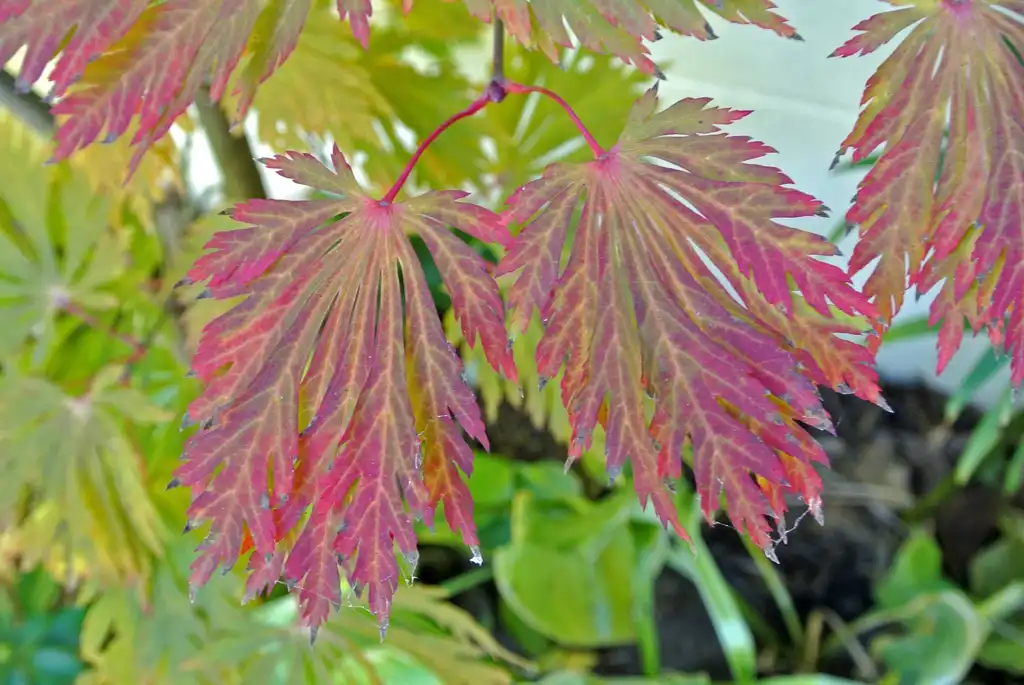
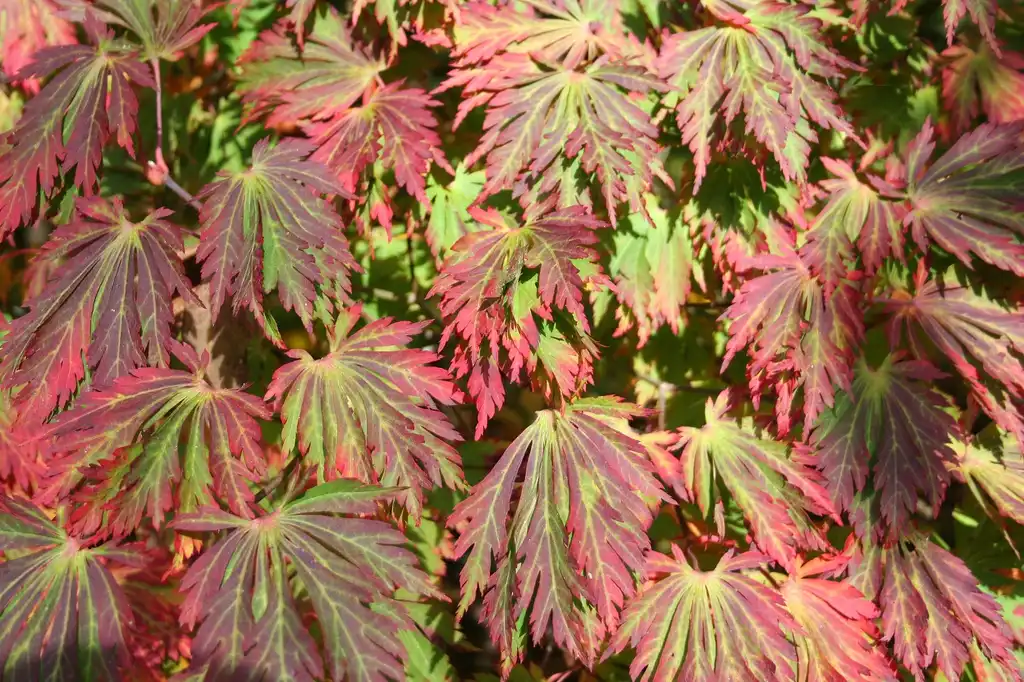
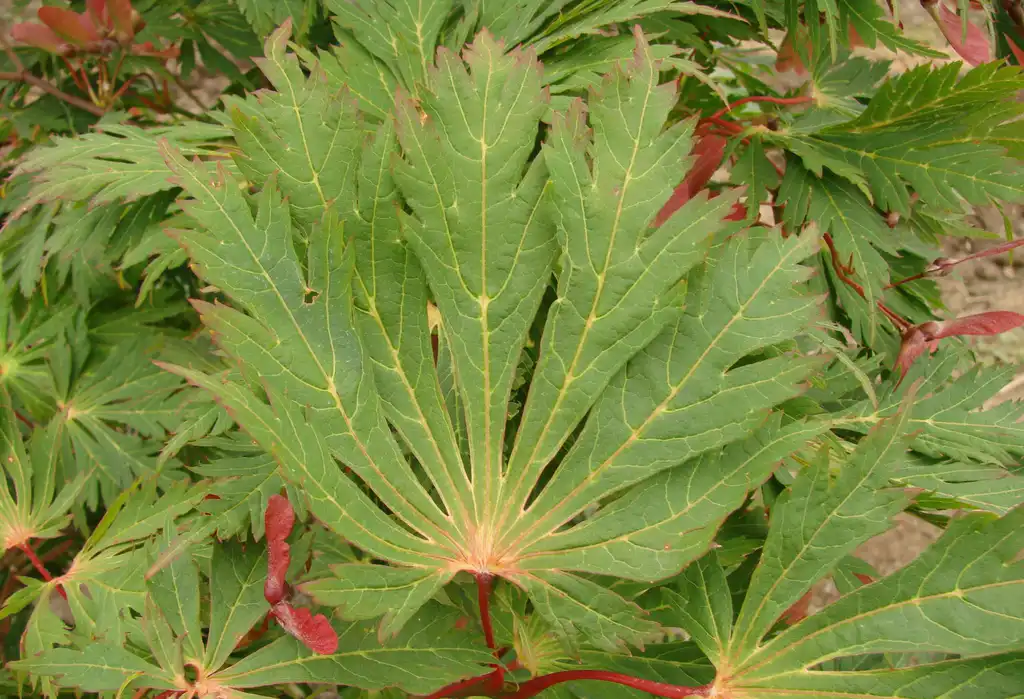
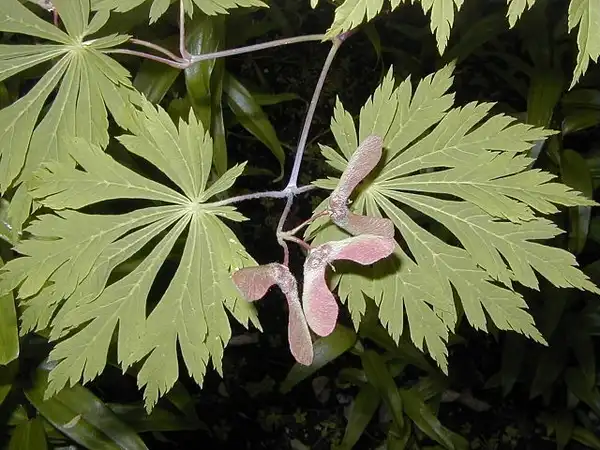
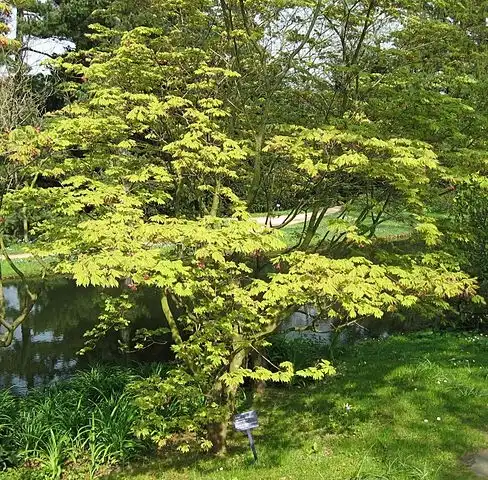
'Aconitifolium' is a compact, mound-shaped, deciduous shrub or small tree that typically reaches a height of 8 to 10 feet, growing at a slow pace. It serves beautifully as a specimen plant or in small clusters as an understory option, showcasing vibrant fall foliage. The plant features palmate, almost fern-like leaves that are a medium green and deeply divided, transforming into a striking crimson hue in autumn. In early spring, before the leaves emerge, you can spot small, attractive reddish flowers that develop into samaras (winged fruits) by late summer to early fall. While these flowers are charming up close, they may not be easily noticed from a distance in your landscape.
This plant thrives in average, medium-moisture, well-drained soil and prefers full sun to partial shade, favoring cooler summer conditions. It should be placed in areas shielded from strong winds, and young trees may require staking to encourage upright growth. Performance tends to decline in regions south of USDA Zone 7.
In terms of pests and diseases, this plant is generally resilient, facing no significant issues. However, it can occasionally host aphids, scale, borers, mites, and caterpillars. It may also be vulnerable to verticillium wilt, leaf spots, root rot, anthracnose, collar rot, and stem canker. To protect the foliage, which tends to emerge early in spring, it is advisable to shield the plant from late frosts.
Growth Rate: Slow to moderate
Habit: Multi-trunked
Site Requirements: Prefers sun to partial shade but should be protected from intense summer sunlight to prevent leaf scorch. It also needs protection from strong winds and thrives in moist, well-drained soil.
Texture: Medium to fine
For more details, refer to information on Acer japonicum.
Acer japonicum 'Aconitifolium' Feature Summary
Acer japonicum 'Aconitifolium' Image Gallery