Acmella oleracea: Uses (Ethnobotany)
The most common and widespread medicinal use is to treat toothache and throat and gum infections. Also used as an insecticide against the yellow fever mosquito and corn earworm. moth
Phonetic Spelling:
Genus:Acmella
Species:oleracea
Family:Asteraceae
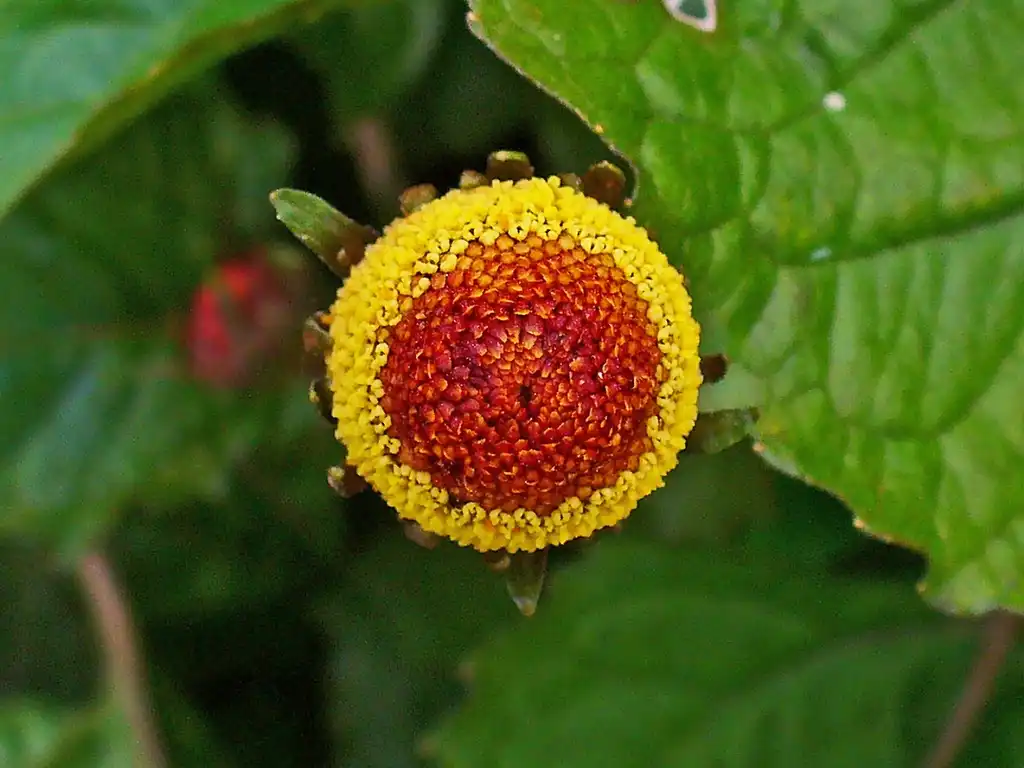
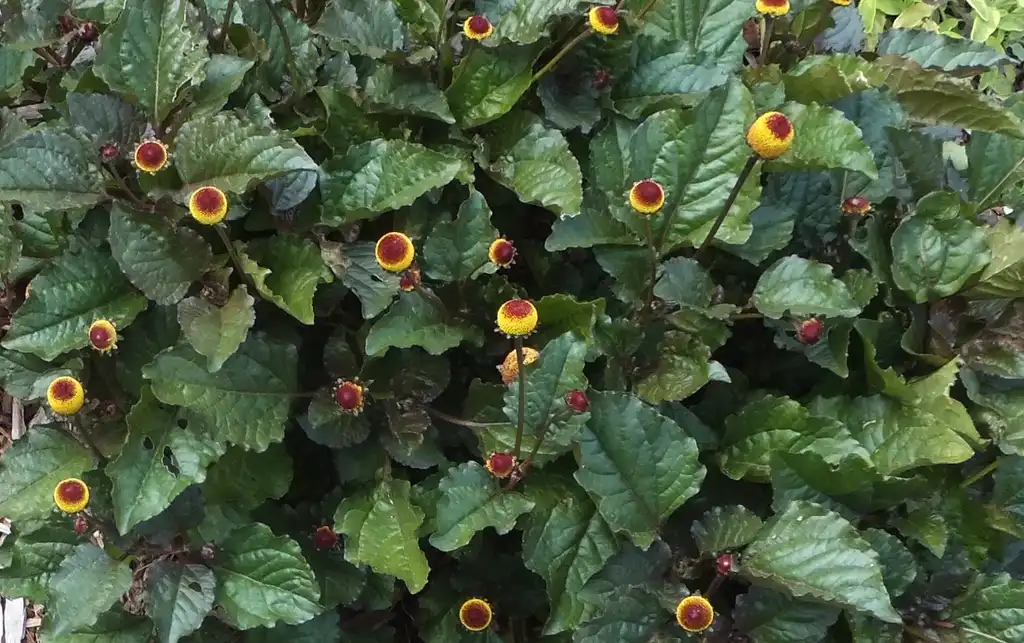
Acmella oleracea, commonly referred to as the Toothache Plant, is an annual herbaceous flowering plant indigenous to South America, spanning from Brazil to Argentina. Although its exact native range remains somewhat ambiguous, it is believed to have originated from a Brazilian species of Acmella. This plant is not typically found in wild, uncultivated areas; however, it has been known to escape cultivation and thrive in weedy, moist environments, such as marshes near lakes.
The Toothache Plant thrives in moist, well-drained soils rich in organic matter and requires full or partial sunlight, as it cannot tolerate complete shade. In its natural habitat, it behaves as a perennial, flourishing in regions with an average temperature of 82°F, abundant rainfall, and high humidity levels of around 85%.
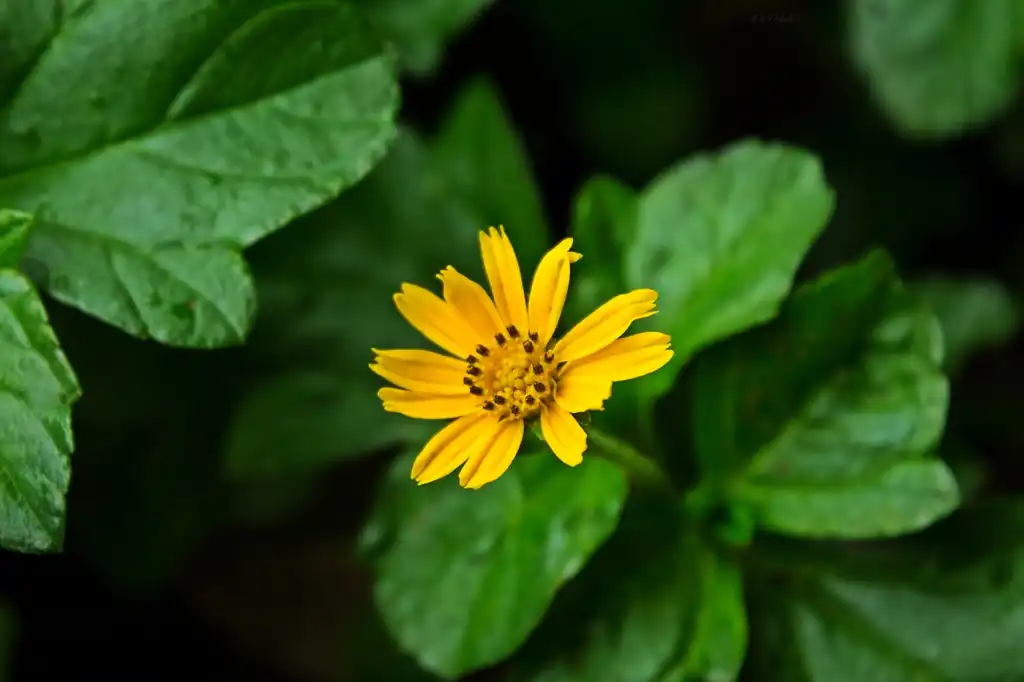
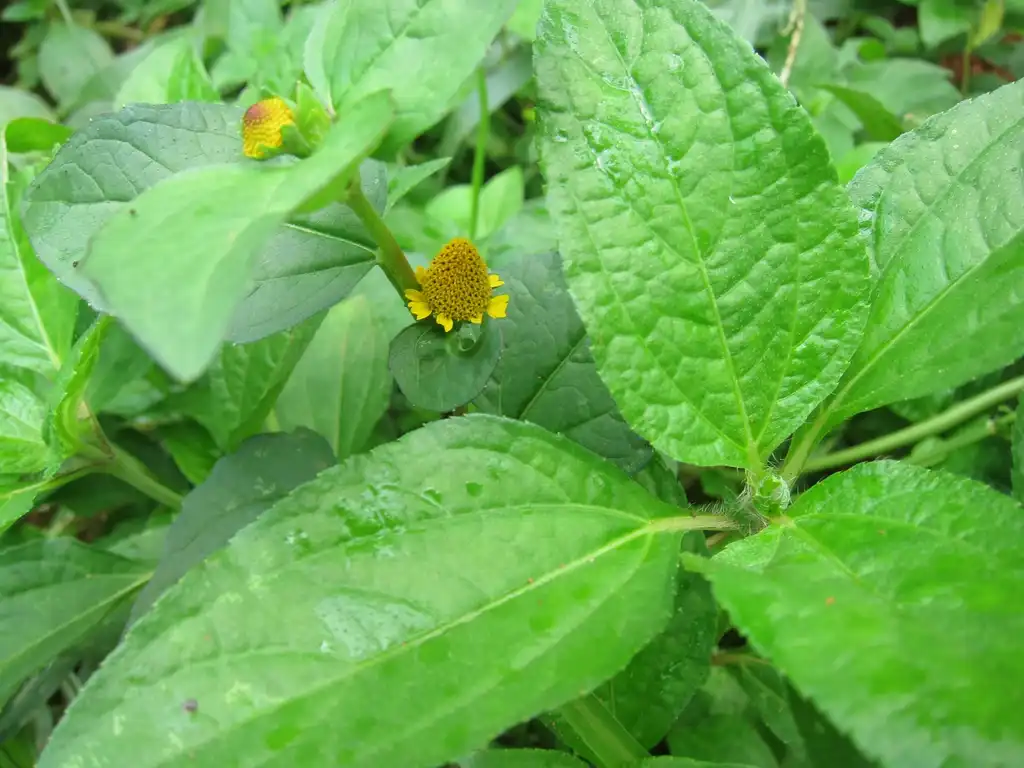
Characterized by its vibrant yellow to orange flowers, the Toothache Plant is often cultivated for ornamental purposes. Its colorful blooms attract fireflies during the flowering season. The leaves of this plant impart a distinctive, pungent flavor to salads and soups. While they emit an aroma similar to that of common leafy vegetables, consuming the leaves produces a strong, spicy warmth that spreads across the tongue, followed by a prickling sensation that stimulates the salivary glands. This initial prickling gives way to a sharp, slightly metallic acidity, followed by tingling and eventual numbness. The numbness can last anywhere from two to twenty minutes, depending on the individual and the quantity consumed, while the intense aftertaste may persist for an hour or longer. An extract from the Toothache Plant, often referred to as jambu, is utilized as a flavoring in various foods, chewing gum, and chewing tobacco.
Regarding plant health, there are currently no known diseases or insect-related issues affecting Acmella oleracea.
Acmella oleracea Feature Summary
Acmella oleracea Image Gallery