Actinidia chinensis: Country Or Region Of Origin
East Asia, China
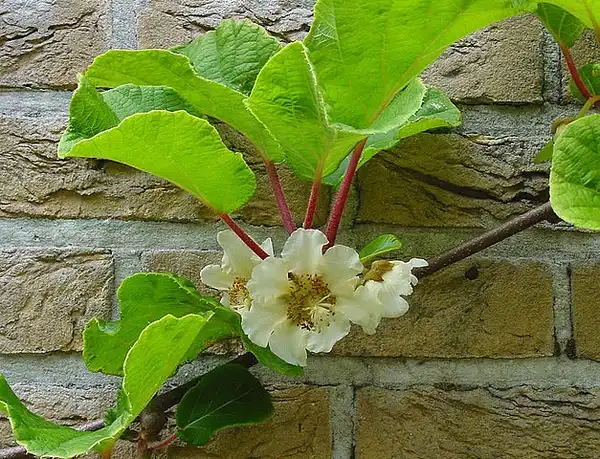
Phonetic Spelling:ak-tih-NID-ee-uh chi-NEN-sis
Genus:Actinidia
Species:chinensis
Family:Actinidiaceae
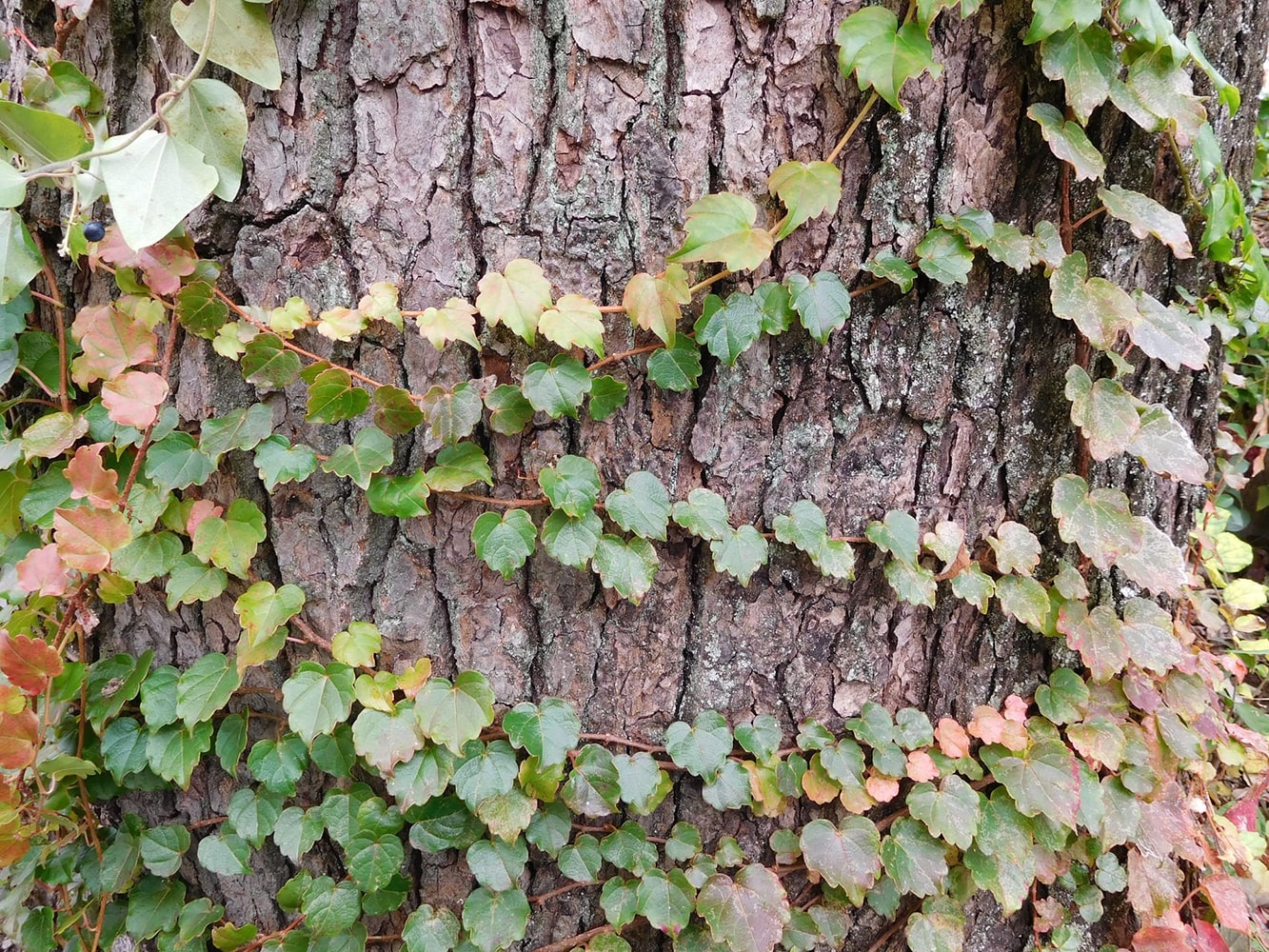
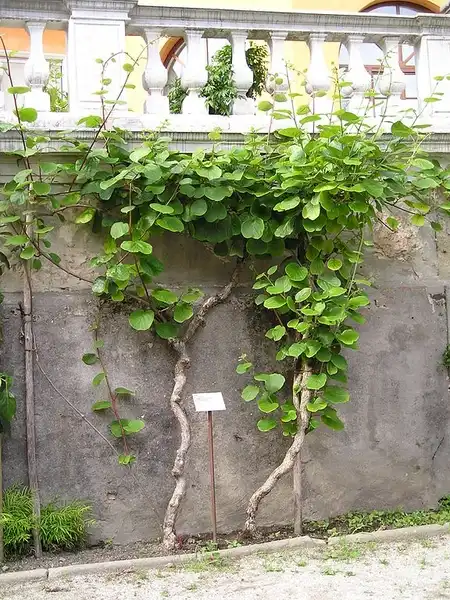
The Chinese gooseberry, a fast-growing, woody, deciduous climbing vine belonging to the Actinidiaceae family, thrives in various soil types and pH levels, although it favors moist, loamy, neutral, and well-drained conditions. While it can yield fruit in both full sunlight and partial shade, optimal fruit production occurs in full sun. Its vigorous growth makes it an excellent option for supporting structures like trellises, arbors, fences, or walls. This species is slightly more resilient to cold than Actinidia kolomikta and Actinidia melanandra.
Typically found in thickets and oak forests, it grows on slopes or in ravines. As a dioecious plant, it produces either male or female flowers, necessitating the presence of both for successful pollination by bees and other insects.
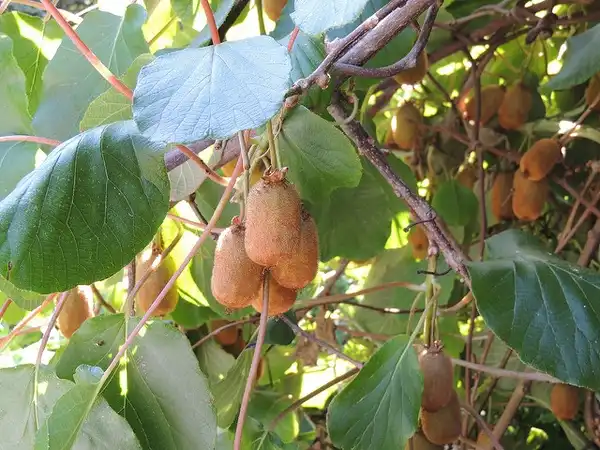
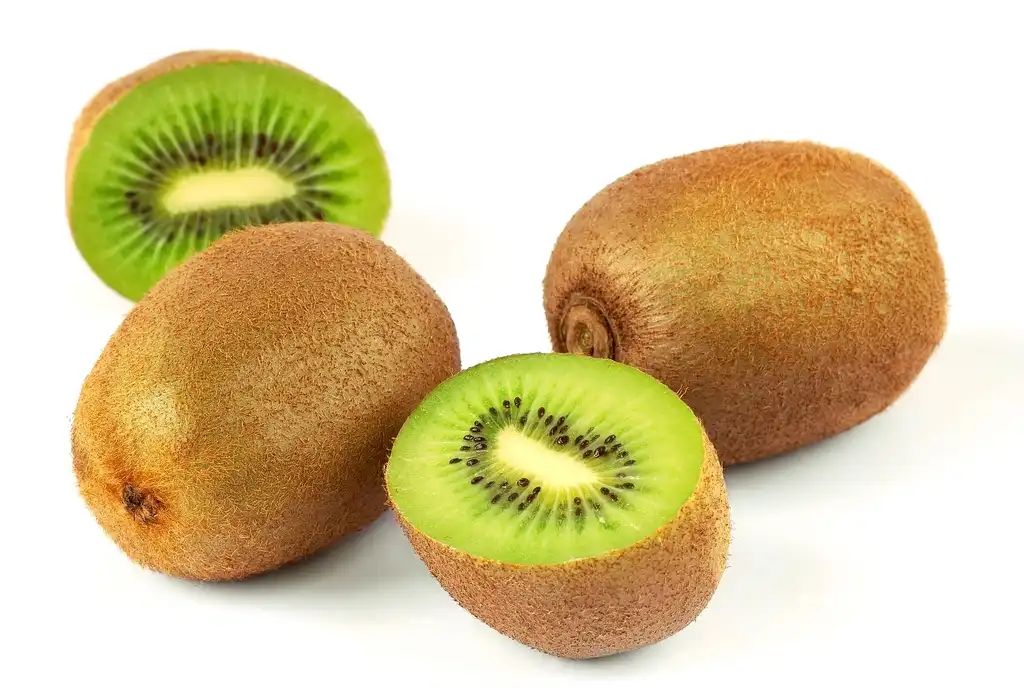
Both the leaves and fruits of the Chinese gooseberry are edible. The delicious fruits, rich in vitamin C, contain small seeds that are usually consumed along with the flesh. They are best enjoyed when they yield slightly to pressure; overly soft fruits are considered overripe and inedible.
Flower buds develop from the previous year's stems, so it is advisable to avoid pruning during the fall or winter months.
In terms of pests and diseases, the plant generally faces no significant issues. However, it may occasionally be affected by root-knot nematodes, thrips, passion vine hoppers, crown gall, and root rot. It is not particularly cold hardy, and its rapid growth can become unmanageable if not properly monitored.
For comparison, consider Actinidia kolomikta and Actinidia melanandra.
Actinidia chinensis Feature Summary
Actinidia chinensis Image Gallery