Agapanthus: Uses (Ethnobotany)
Has been used medicinally by native people.
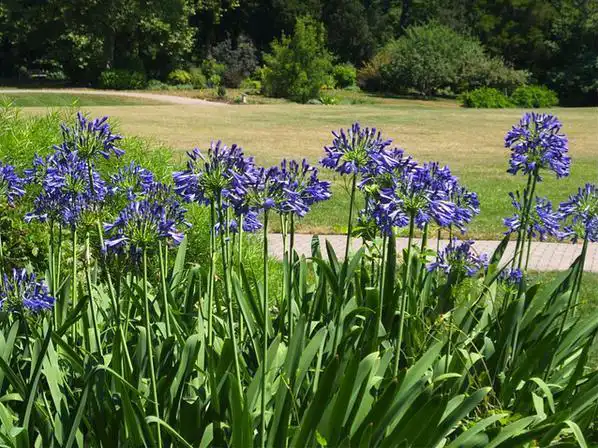
Phonetic Spelling:ag-ah-PAN-thus
Genus:Agapanthus
Species:
Family:Amaryllidaceae
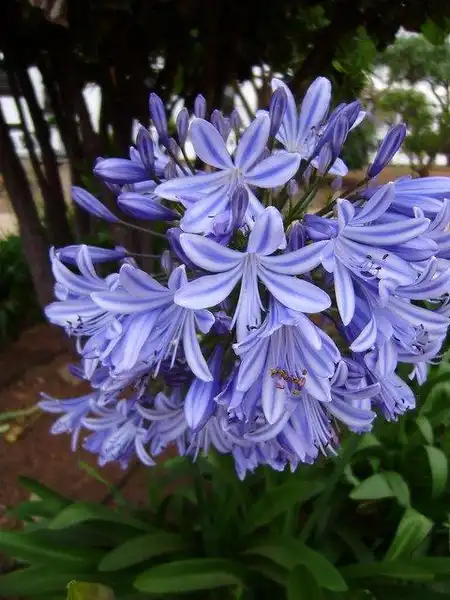
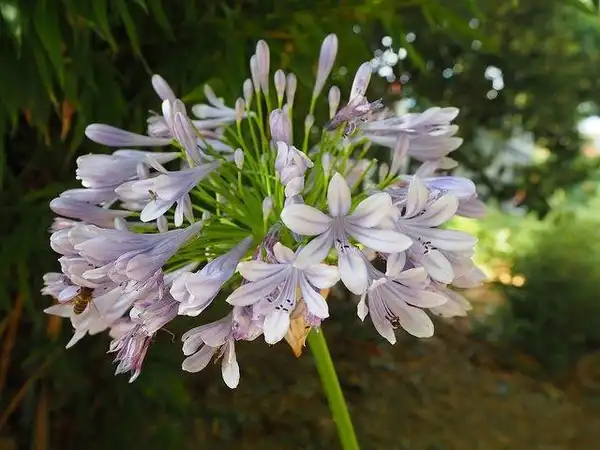
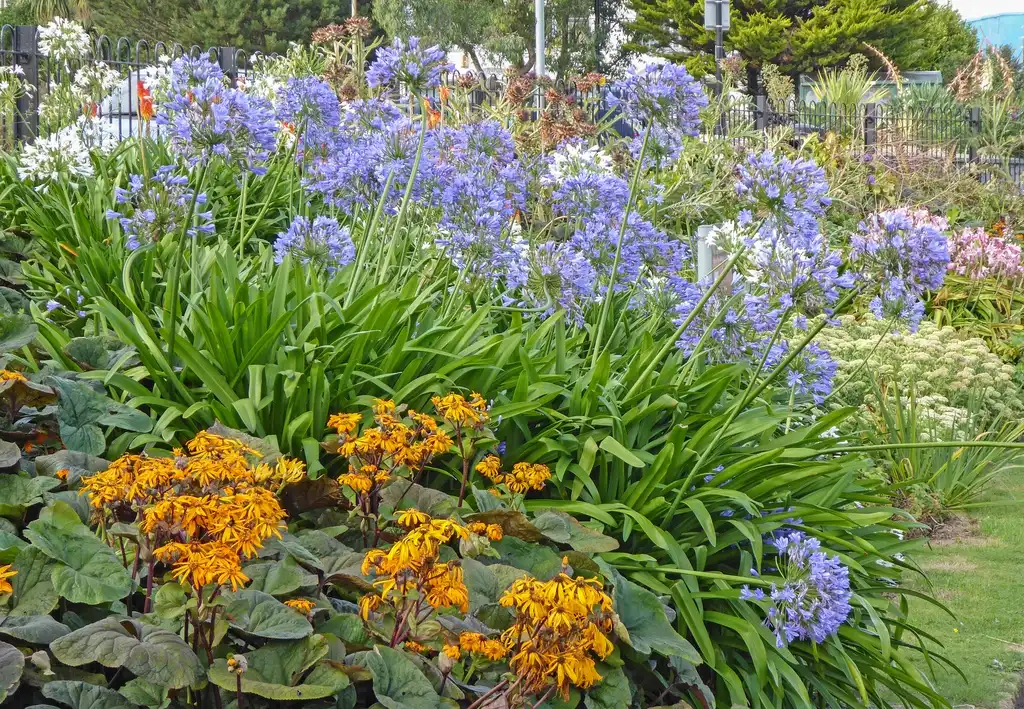
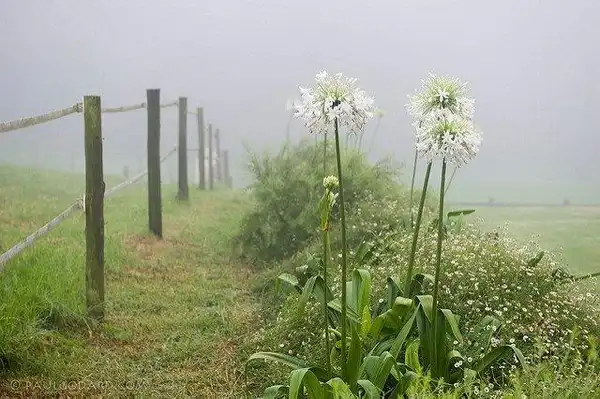
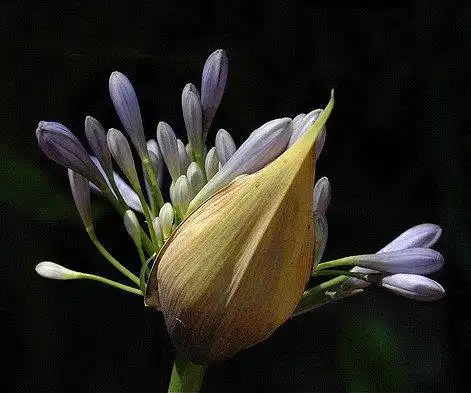
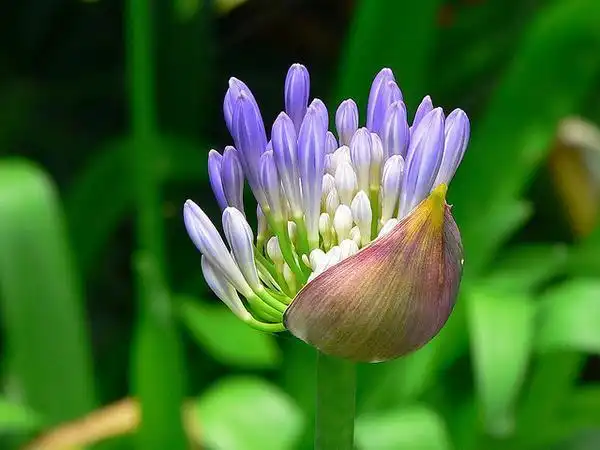
This genus comprises six species indigenous to southern Africa, characterized by their upright growth from fleshy rhizomes that yield short, tuberous roots. The plants feature clusters of strap-like, arching leaves that emerge from short stems, measuring between 12 to 24 inches in length and 1 to 2 inches in width. While most varieties are evergreen and maintain their visual appeal even when not flowering, some are deciduous. The flowers, which bloom in summer and may extend into fall in frost-free regions, are arranged in clusters above the foliage and exhibit tubular or bell-shaped forms in hues of blue, purple, or white, each petal adorned with a darker central stripe.
For optimal growth, plant these species in full sun to partial shade within sandy-loam soils that are well-drained. Position the rhizomes about 1 inch deep and 8 inches apart. If cultivating in pots, allow the plants to become rootbound, as this condition encourages better blooming. They can be effectively used in garden borders or as container plants on patios.
Evergreen varieties should be maintained throughout the year, treated as houseplants during winter in frost-prone areas. Deciduous types can be stored in a cool, dark location above freezing for those in regions north of zone 7. If opting to leave the deciduous plants in the ground, ensure they are mulched for protection and avoid planting them in consistently wet areas.
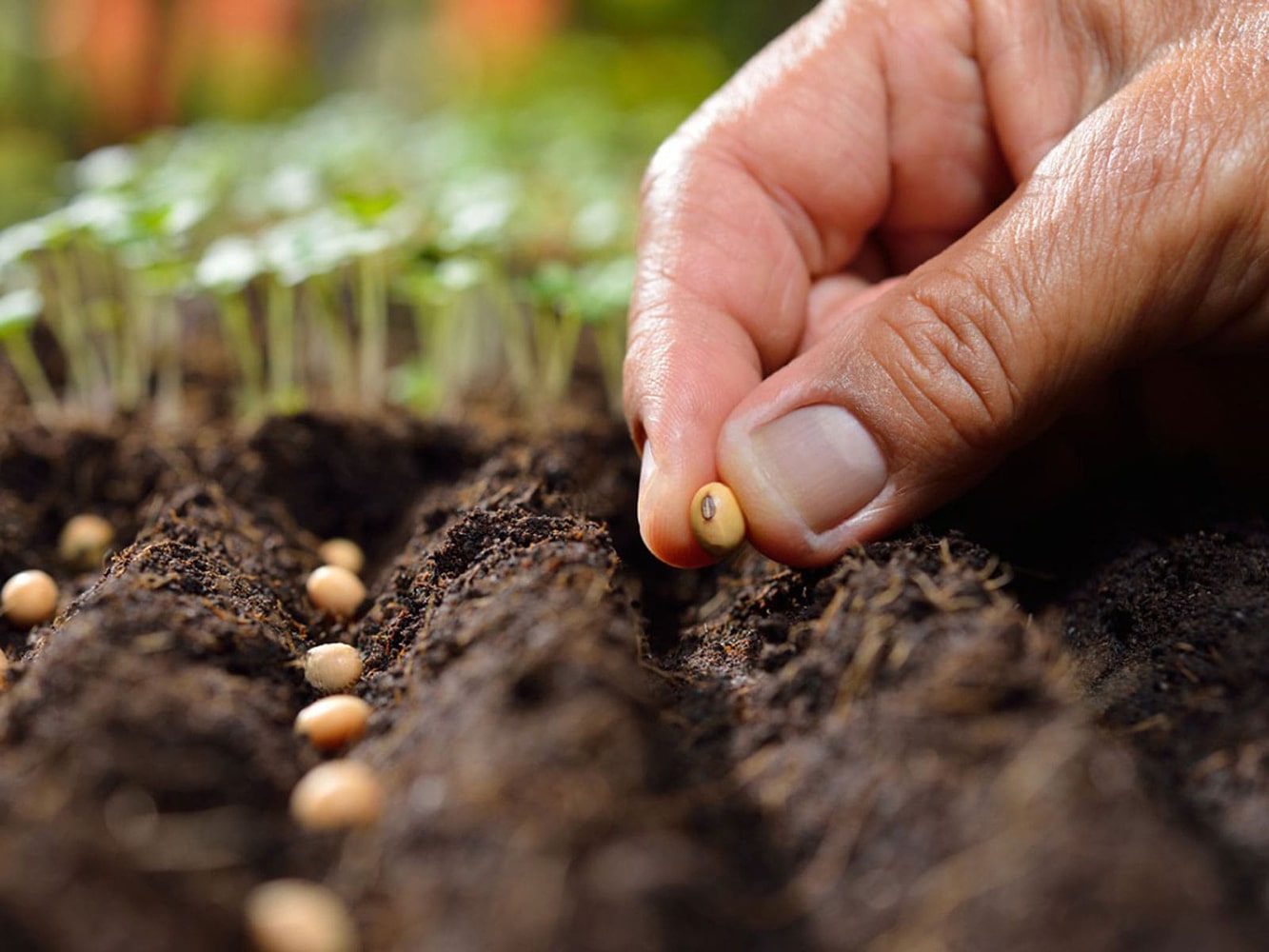
Propagation can be achieved through seeds or by dividing the rhizomes. However, starting from seed may take up to five years before flowering occurs, making division the more efficient method. Note that divided plants might not flower in their first year. These plants are rarely affected by deer, and various cultivars are available for selection.