Alnus glutinosa: Uses (Ethnobotany)
For many centuries in Europe, the Black Alder provided hardwood for timber. The wood was also used for carving, such as wooden shoes.

Phonetic Spelling:AL-nus glu-ti-NO-sa
Genus:Alnus
Species:glutinosa
Family:Betulaceae
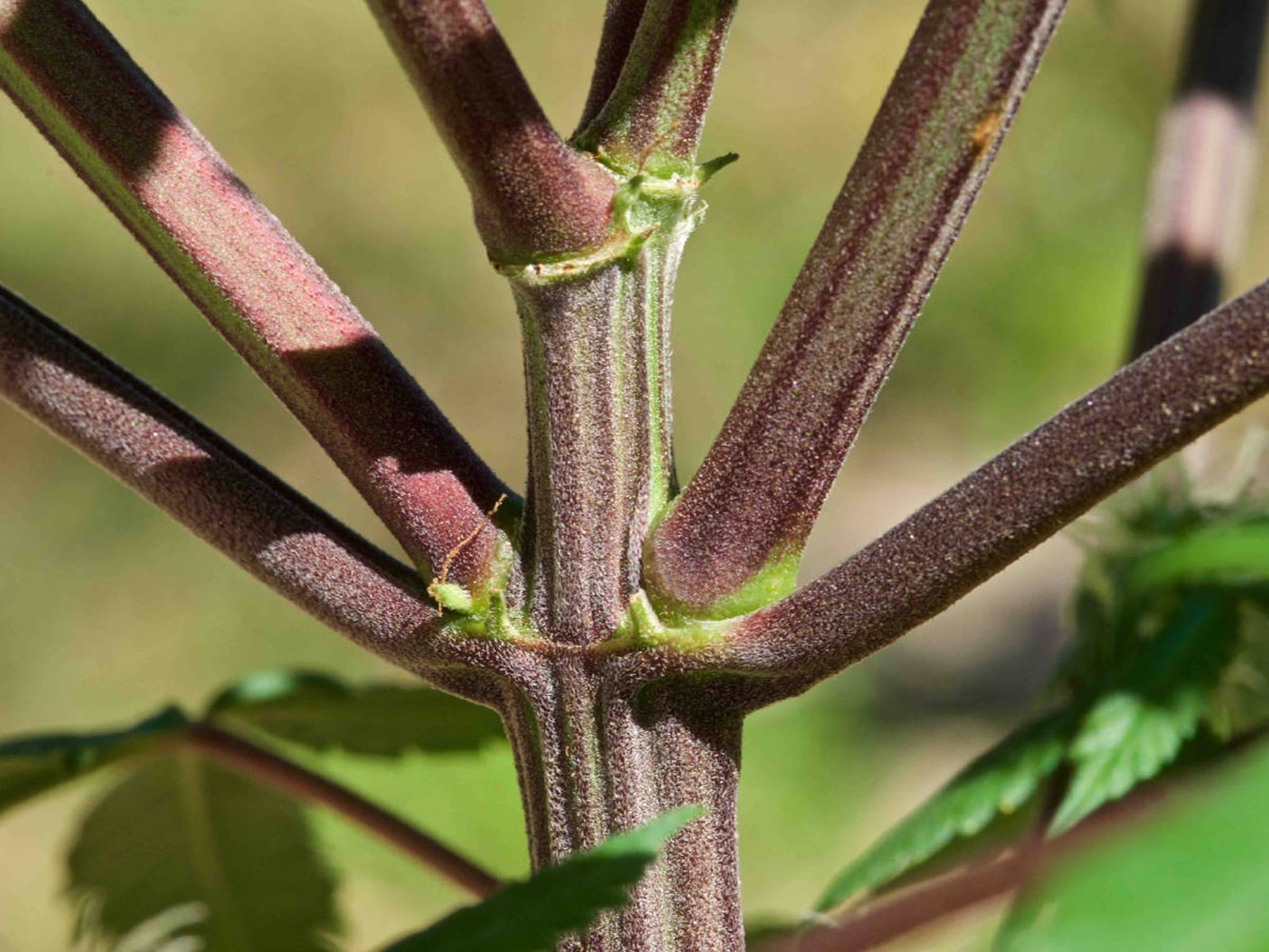
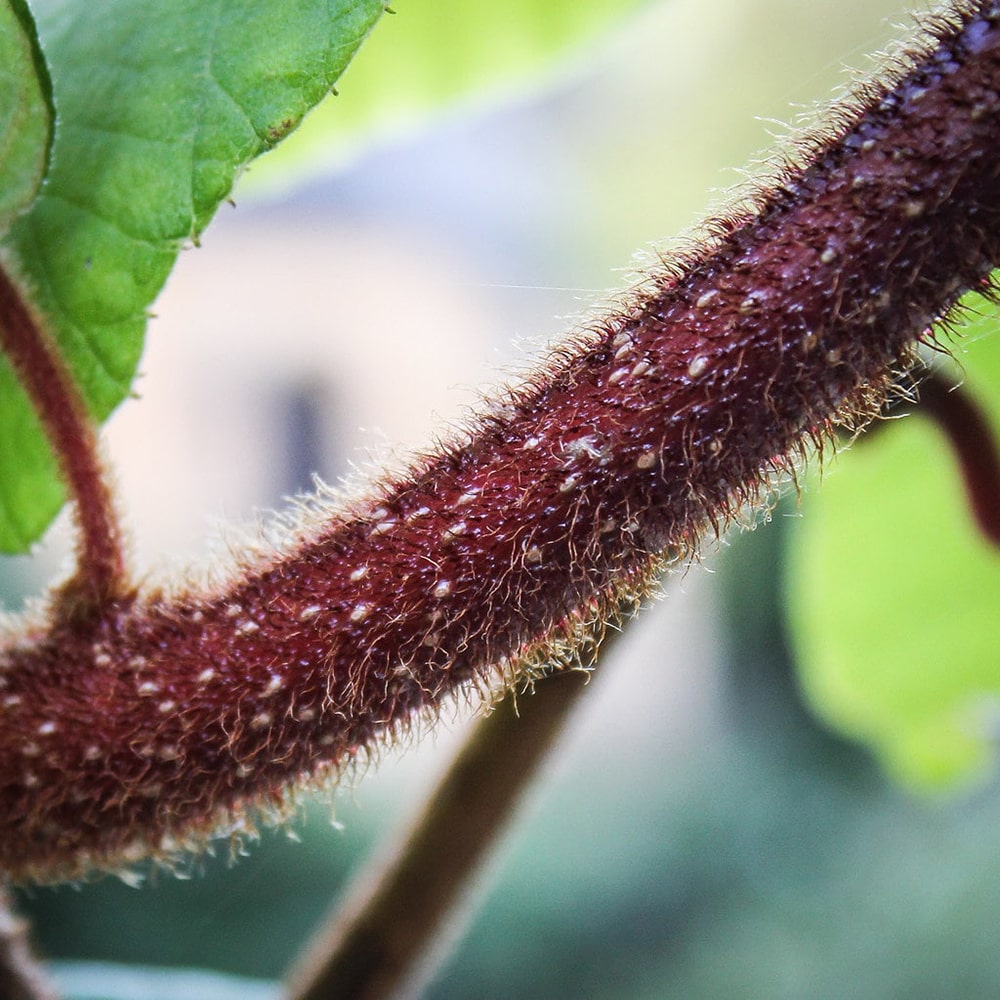
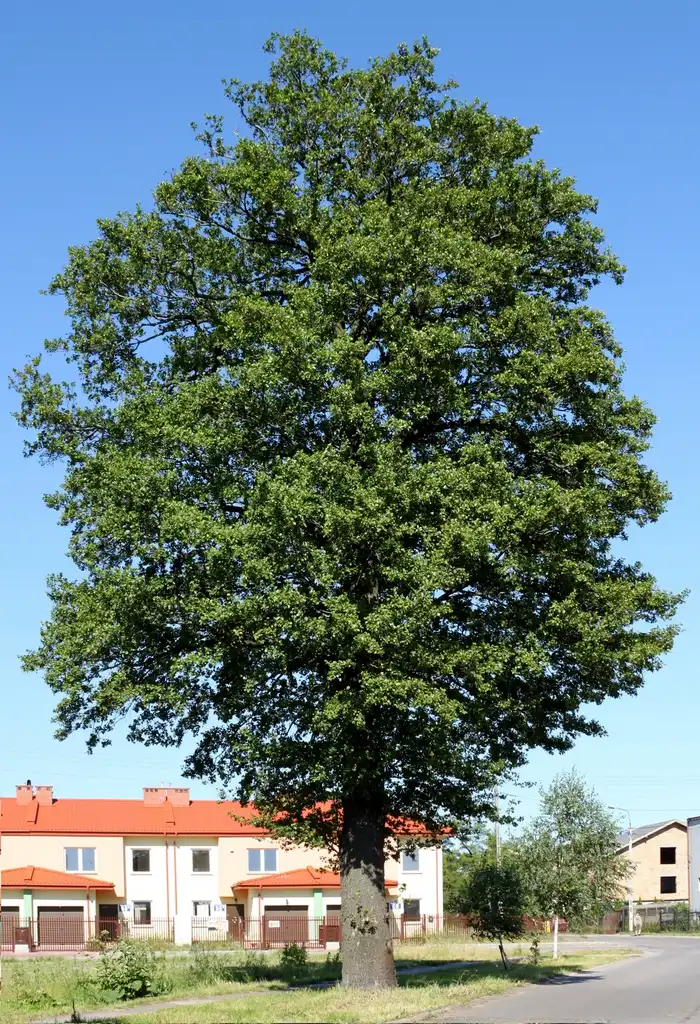
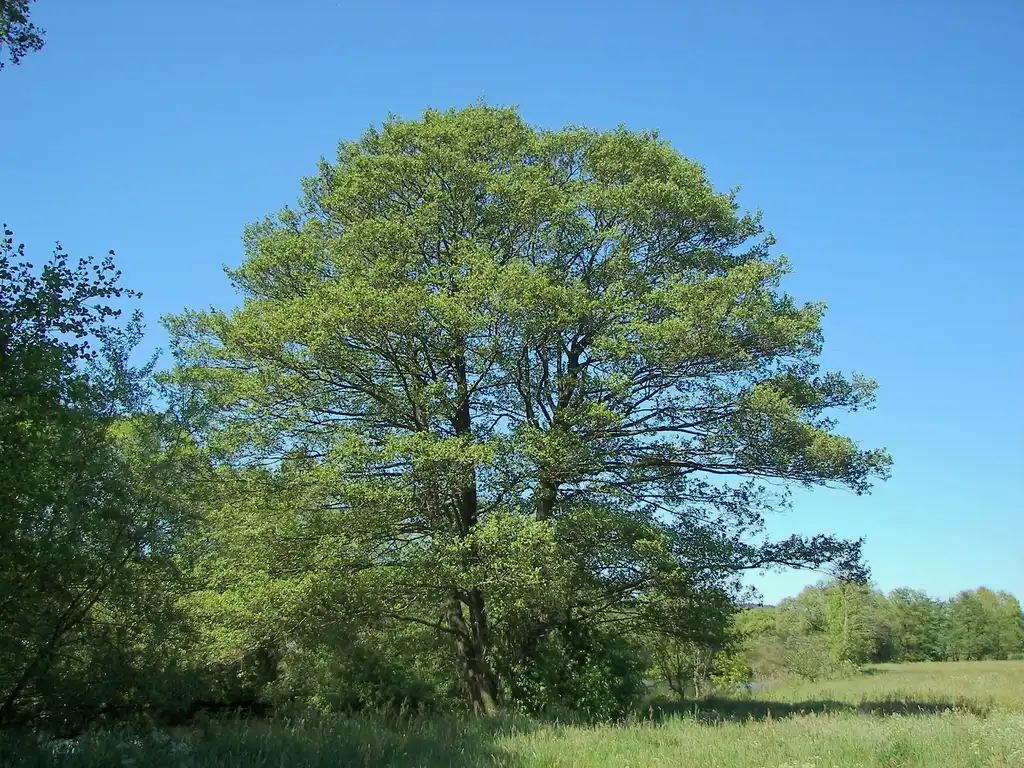
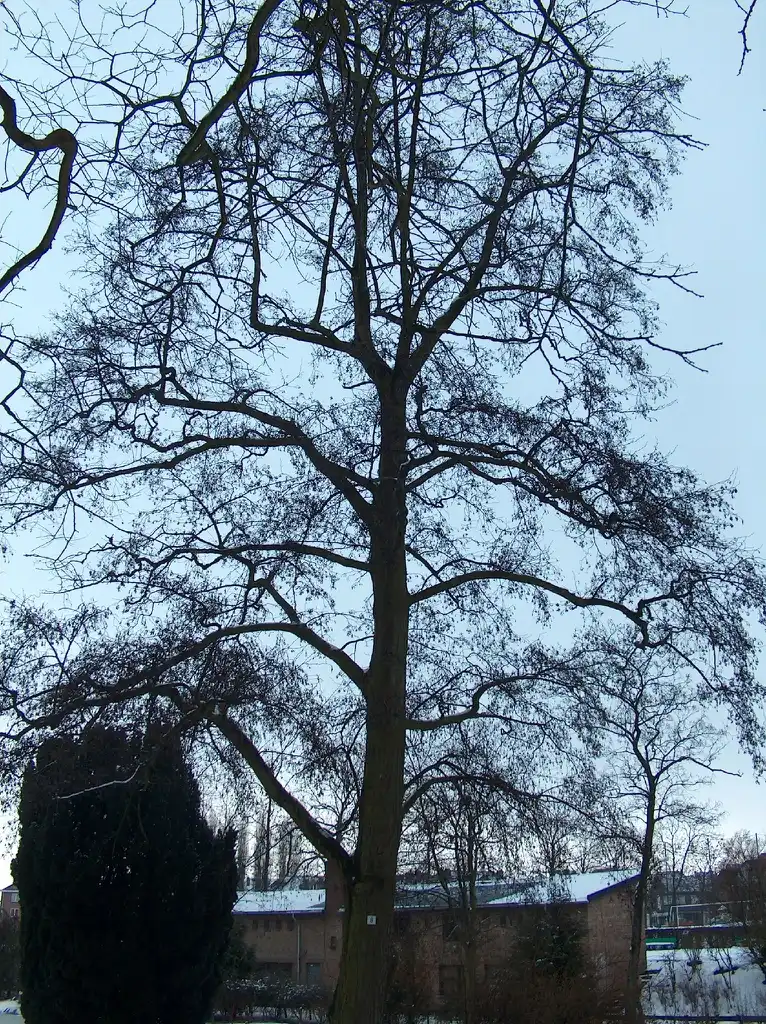
The Black Alder, also referred to as the Common Alder, European Alder, or Aune Glutineux, belongs to the birch family. This medium-sized deciduous tree is indigenous to Europe, western Asia, and northern Africa. European settlers introduced the Black Alder to North America. The term "Alnus," the genus name, is derived from Latin, meaning alder, while the species name "glutinosa" highlights the sticky nature of its young leaves and stems.
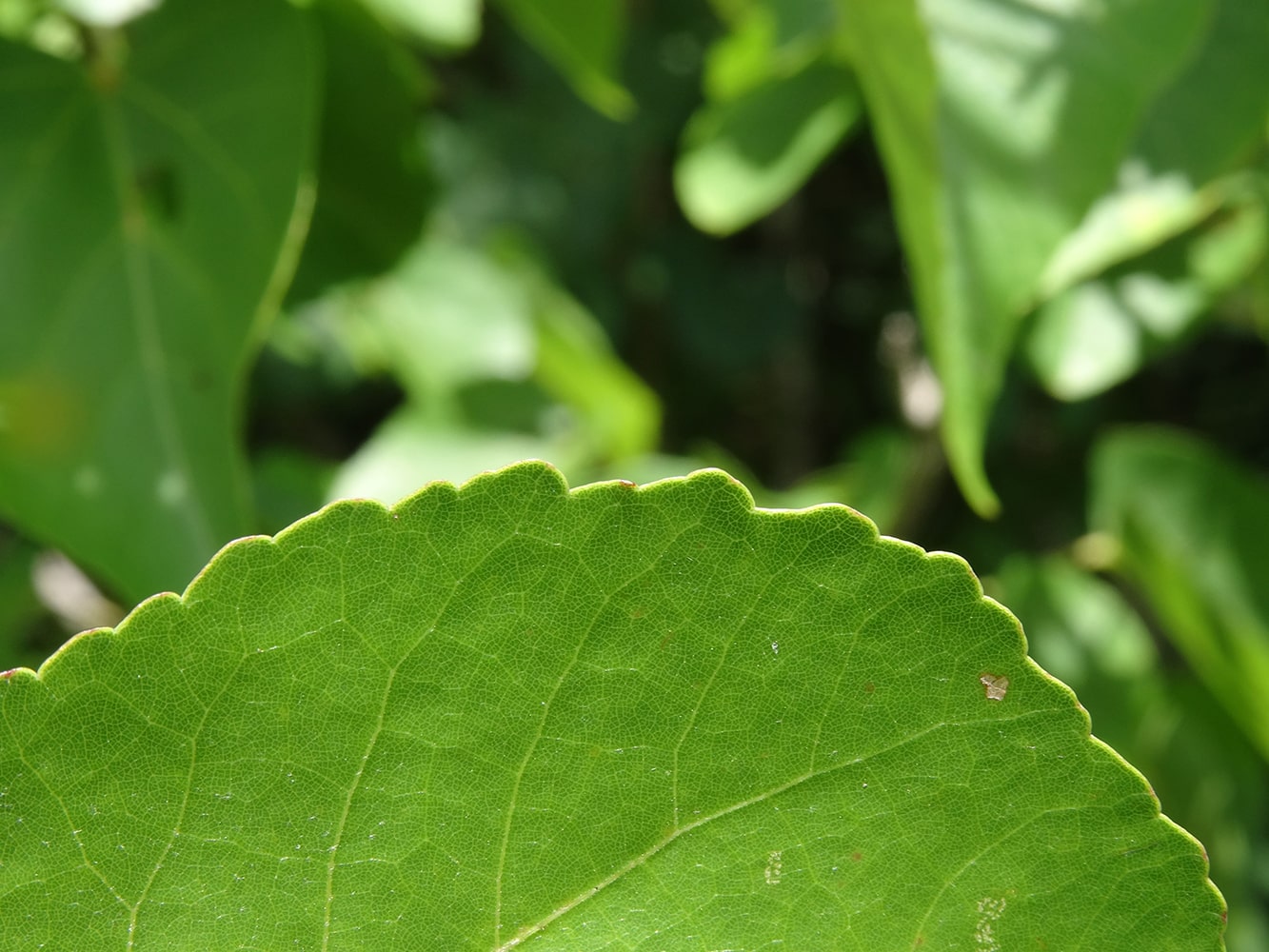
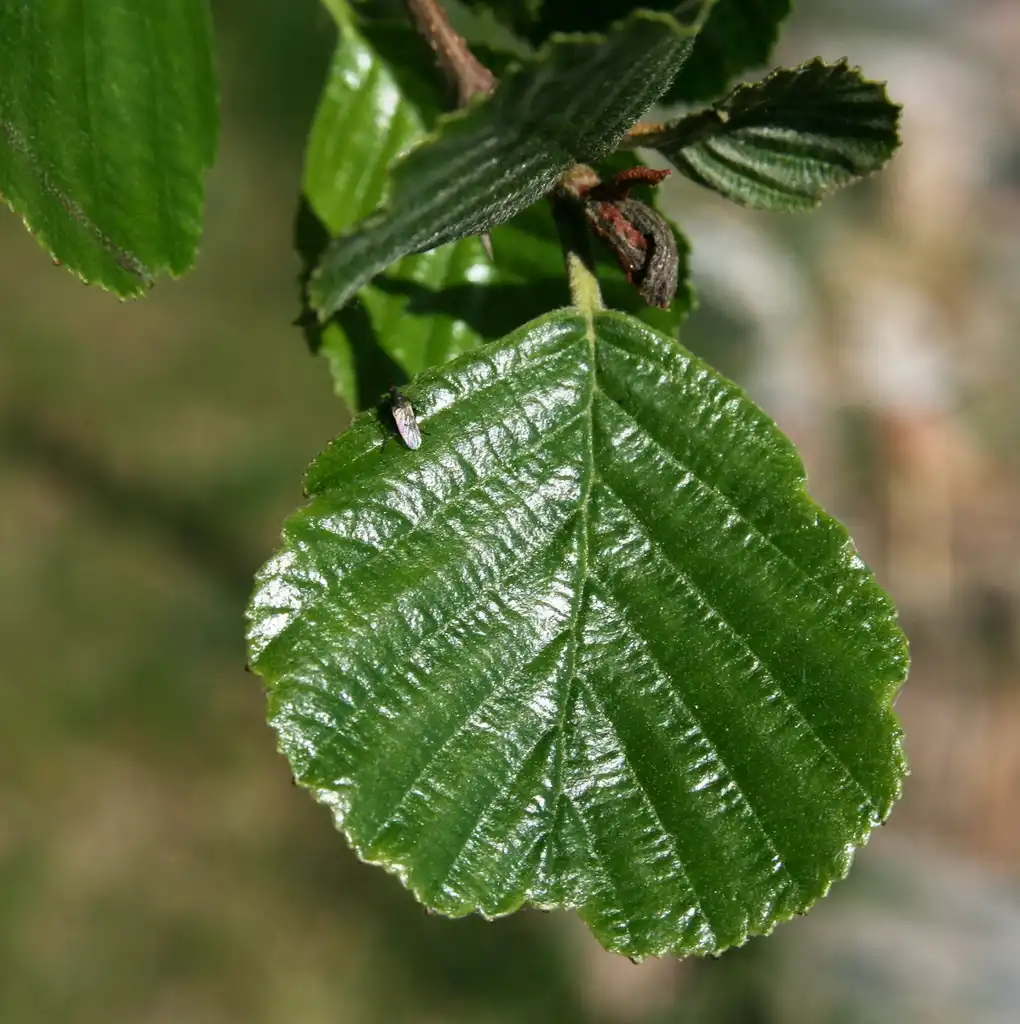
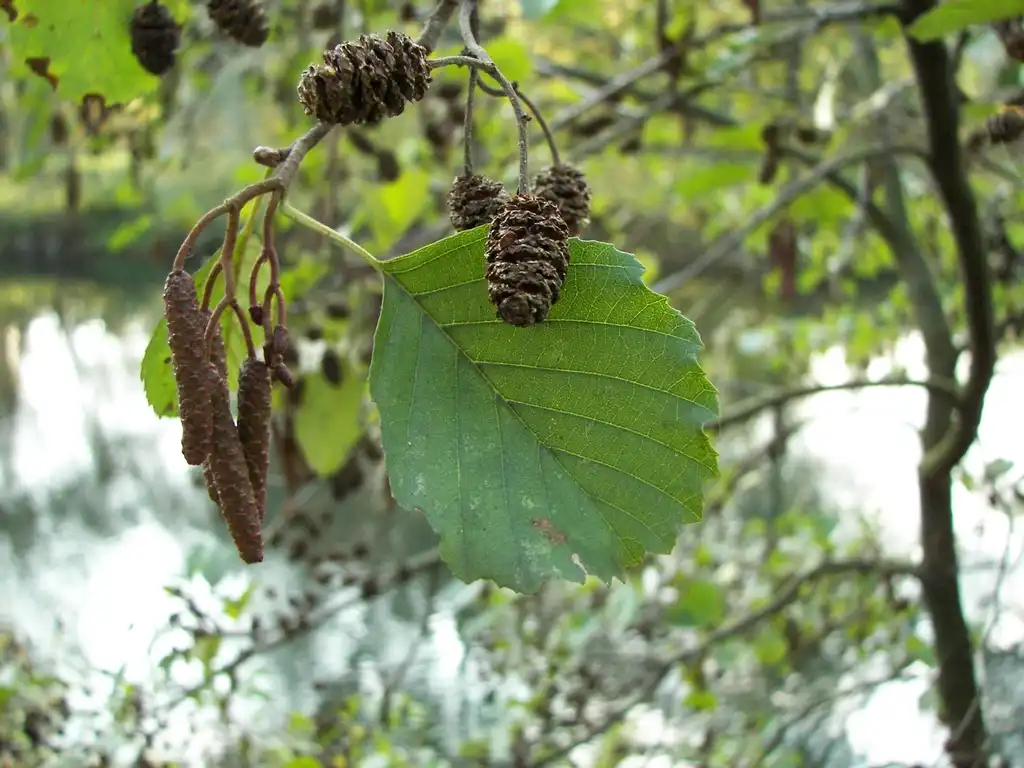
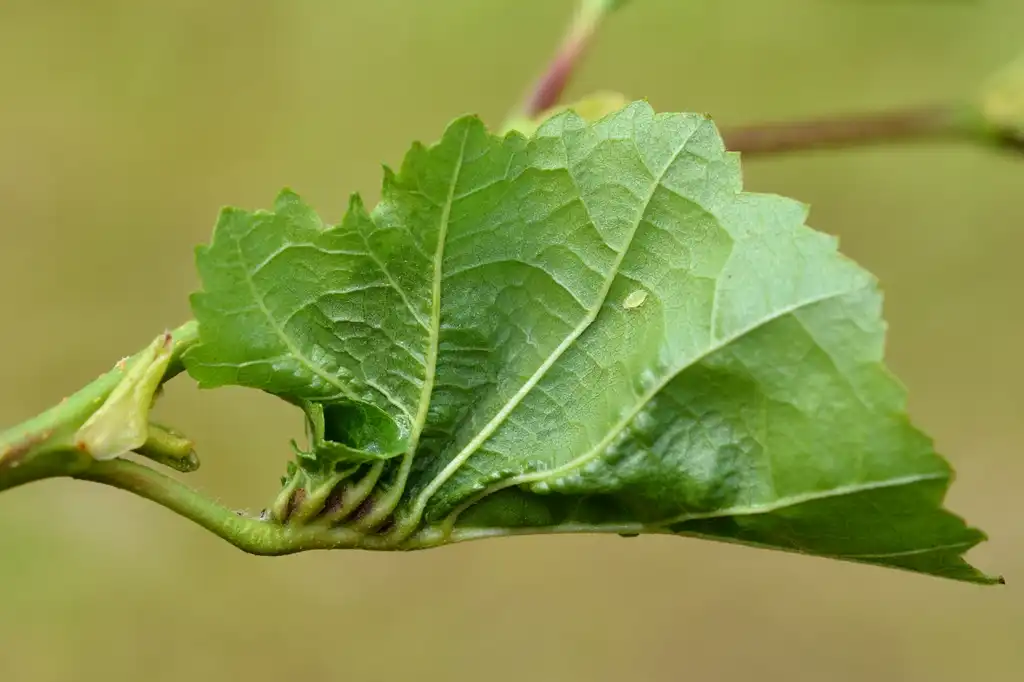
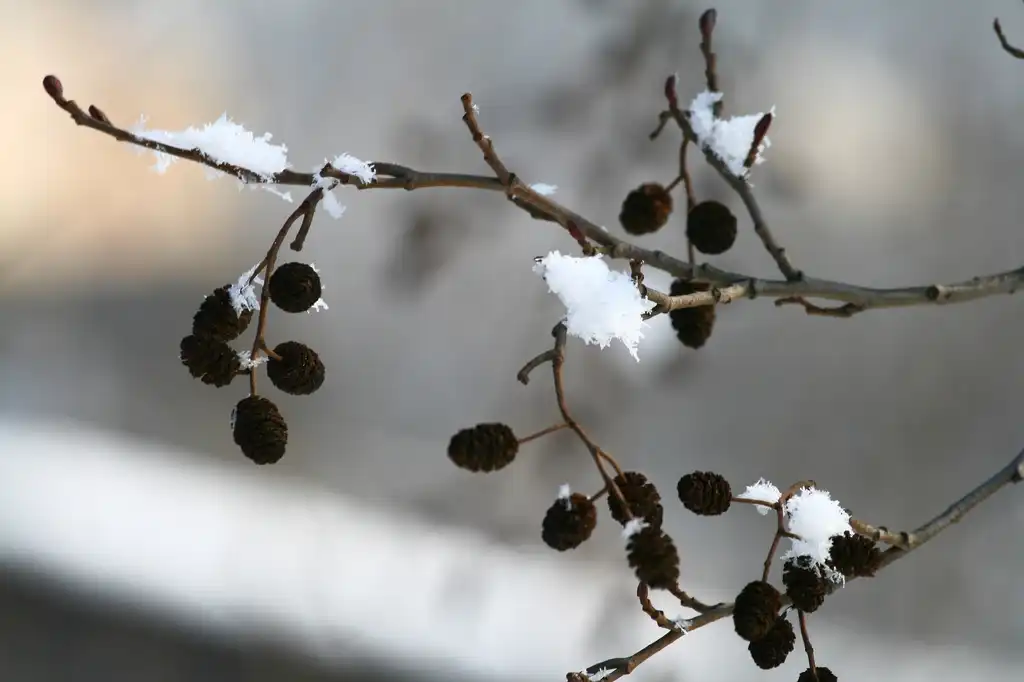
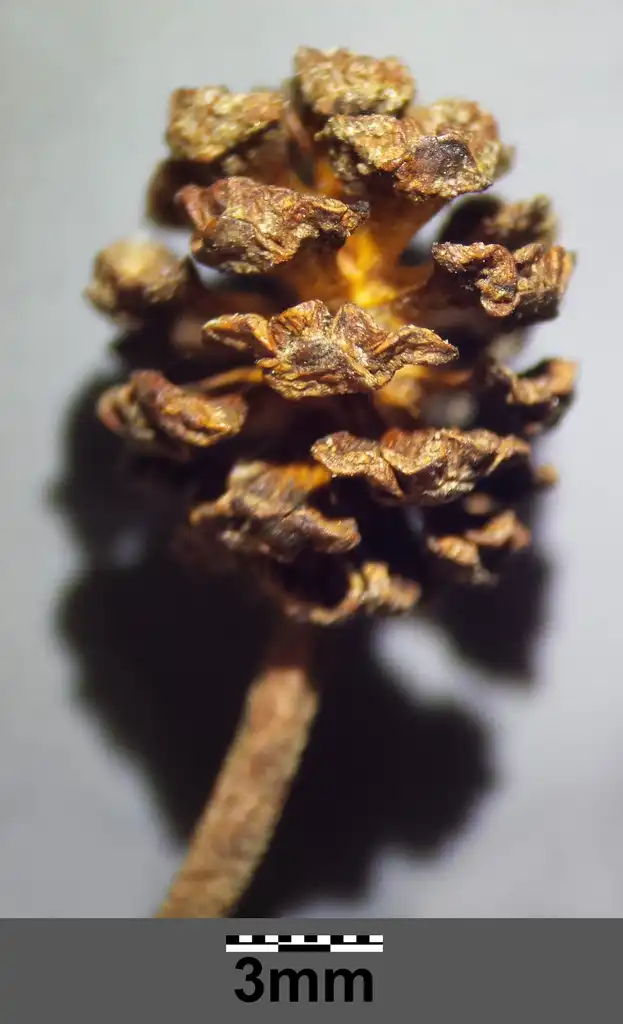
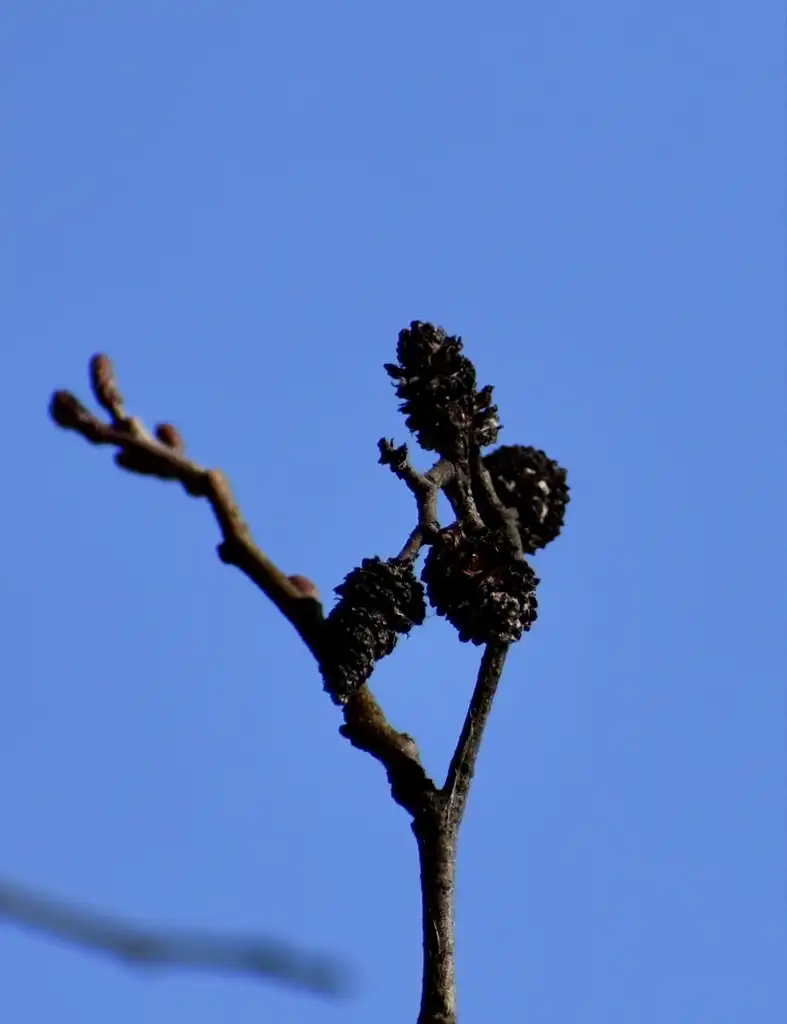
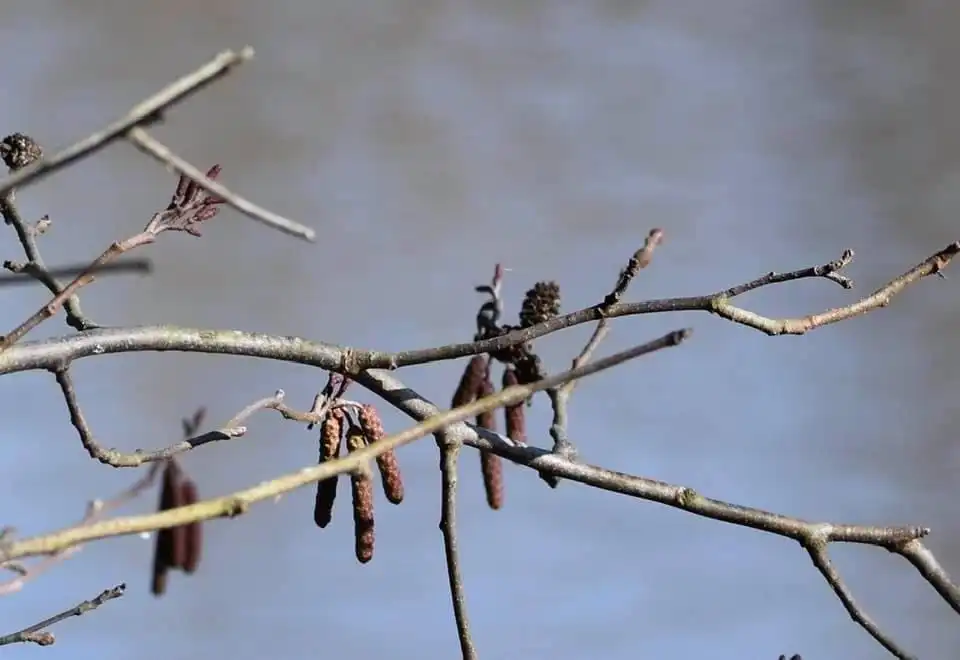
This tree is easily recognized by its shiny, serrated leaves and the drooping catkins that appear in spring, along with its cone-like fruits that develop in the fall. In the United States, the Black Alder has primarily been cultivated as an ornamental tree and for erosion control. It typically thrives in wetland areas, as well as alongside ponds, lakes, and rivers, and is beneficial for enhancing soil quality on recently cleared land. Its roots have a symbiotic relationship with nitrogen-fixing bacteria called Frankia alni, which enriches the soil. The Black Alder can produce suckers, leading to the formation of dense thickets and can spread quite aggressively, making it suitable for sites with poor soil or low-lying wet conditions.
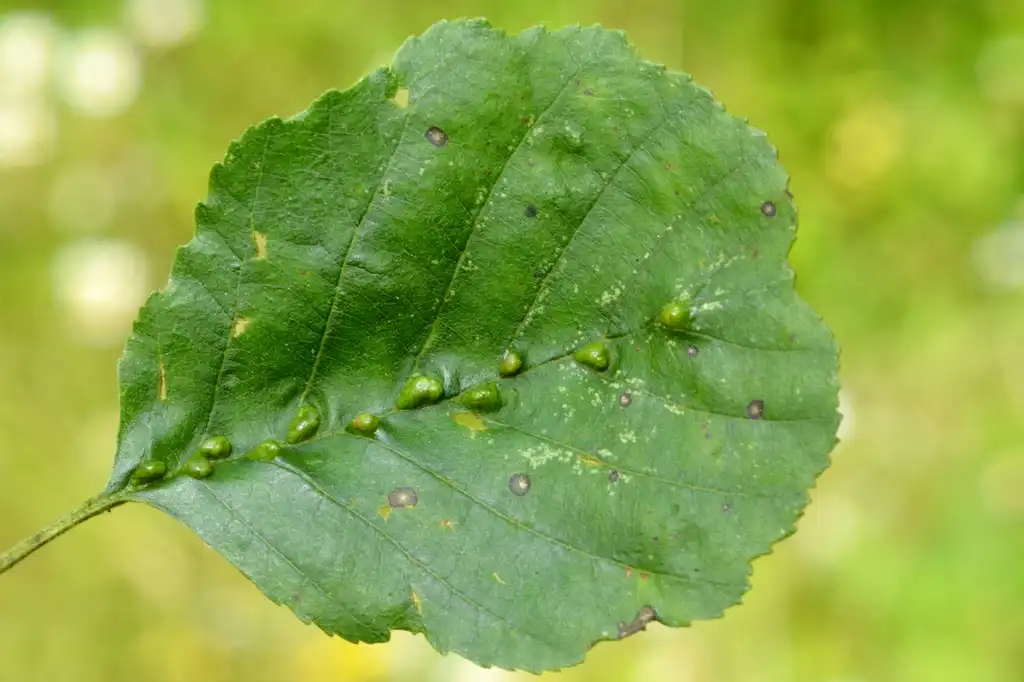
However, the Black Alder is susceptible to various diseases, including canker and powdery mildew. Additionally, it may face challenges from pests such as alder aphids, lace bugs, flea beetles, and leaf miners.
It is important to note that the Black Alder can be mistaken for Alnus incana, which is more shrub-like and typically reaches a maximum height of 32 feet.
Alnus glutinosa Feature Summary