Alnus x pubescens: Country Or Region Of Origin
Europe and North European Russia
Phonetic Spelling:AL-nus BI pew-BES-ens
Genus:Alnus
Species:
Family:Betulaceae
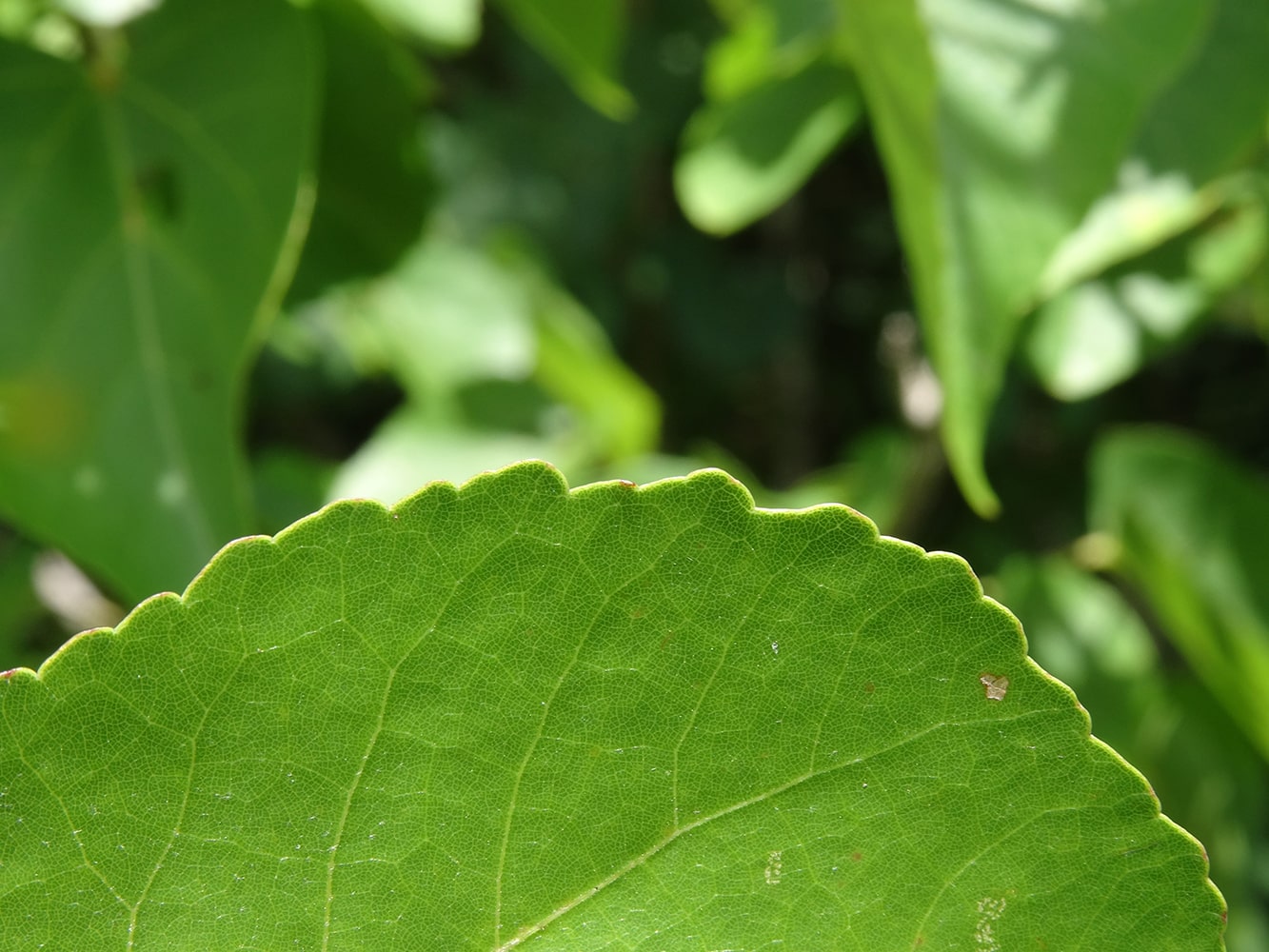
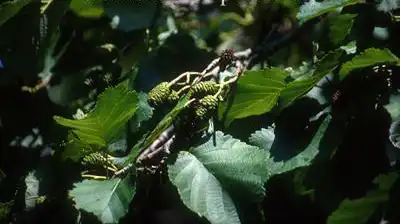
In 1834, Ignaz Tausch introduced and named the hybrid species Alnus x pubescens, which arises from the crossbreeding of two deciduous trees: Alnus glutinosa, commonly known as Black or European Alder, and Alnus incana, referred to as Grey Alder. This Hybrid Alder can be found across various regions, including Austria, Czechoslovakia, Denmark, Finland, France, Germany, Great Britain, Ireland, Italy, the Netherlands, northern European Russia, Norway, Poland, and Sweden, with additional introductions in Belgium and Central European Russia. Identifying these hybrids can be challenging due to the shared traits of their parent species. However, a notable characteristic of the Hybrid Alder is its increased gland density on the undersides of its leaves compared to its progenitors. The leaves are typically downy beneath, especially along the veins, and young growth also exhibits a similar downy texture.
In contrast, the Grey Alder is generally smaller and more shrub-like than the Black Alder. Both parent species feature green leaves with a hairy or downy underside and produce both male and female flowers in the spring. The male flowers appear as long, narrow catkins, while the female catkins develop into clusters of woody cones containing tiny samara seeds. These seeds mature in the fall and are dispersed by the wind. Both species thrive in wetland areas or along the banks of streams and rivers, preferring moist soils and exhibiting tolerance for a variety of soil types. Their root systems contribute nitrogen to the soil through a symbiotic relationship with nitrogen-fixing bacteria. Notably, the Grey Alder typically grows at higher elevations in central Europe compared to the Black Alder.
Where their ranges overlap, Grey and Black Alders may occasionally hybridize, although this is relatively rare due to their differing flowering times; the Grey Alder usually blooms about a week earlier than the Black Alder.
The Hybrid Alder is a resilient and adaptable plant, facing few pest issues and capable of withstanding short-term flooding. However, it is considered quite vulnerable in the wild and requires conservation efforts, as it is not commonly found in natural settings.
Alnus x pubescens Feature Summary
Alnus x pubescens Image Gallery