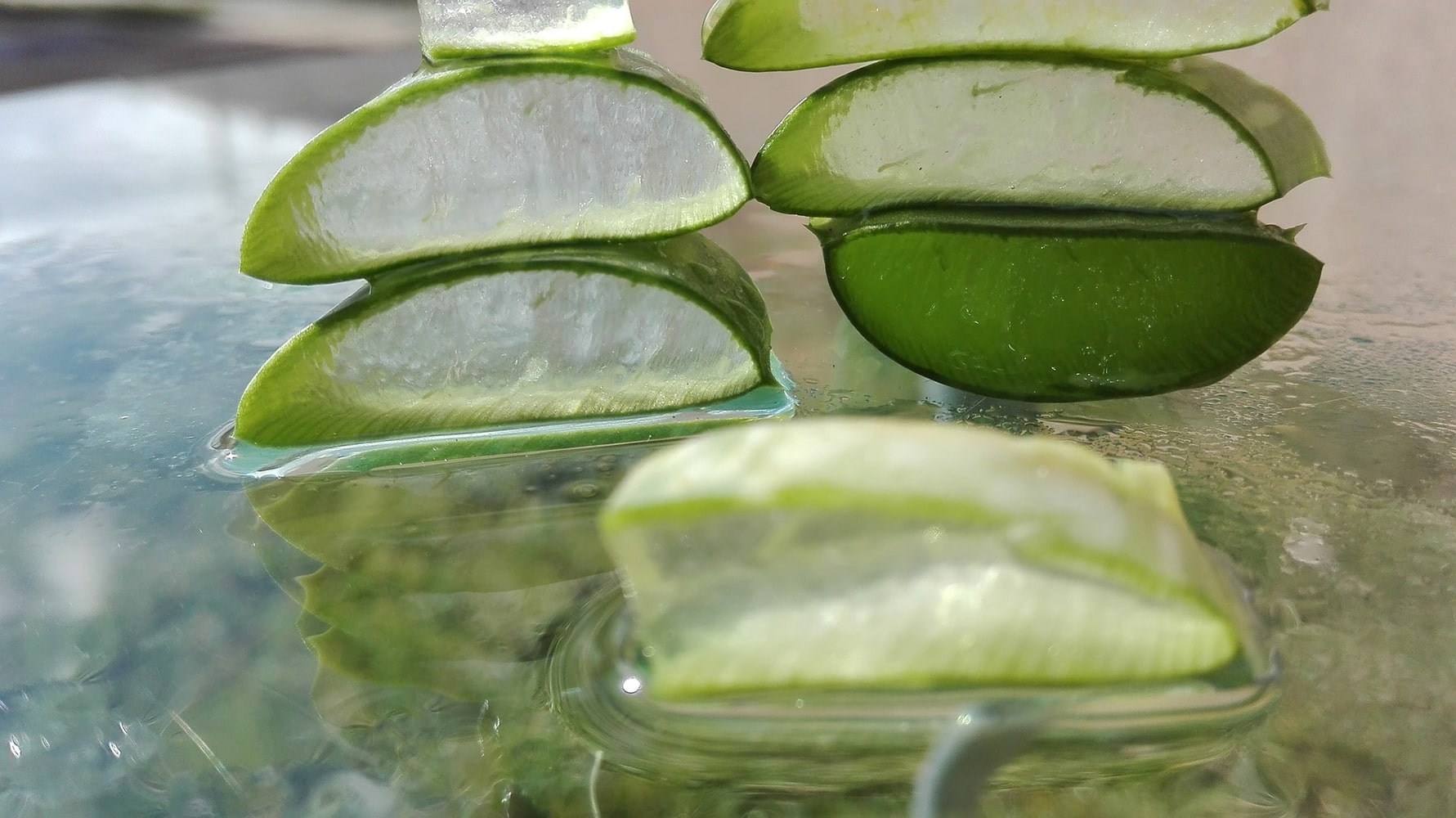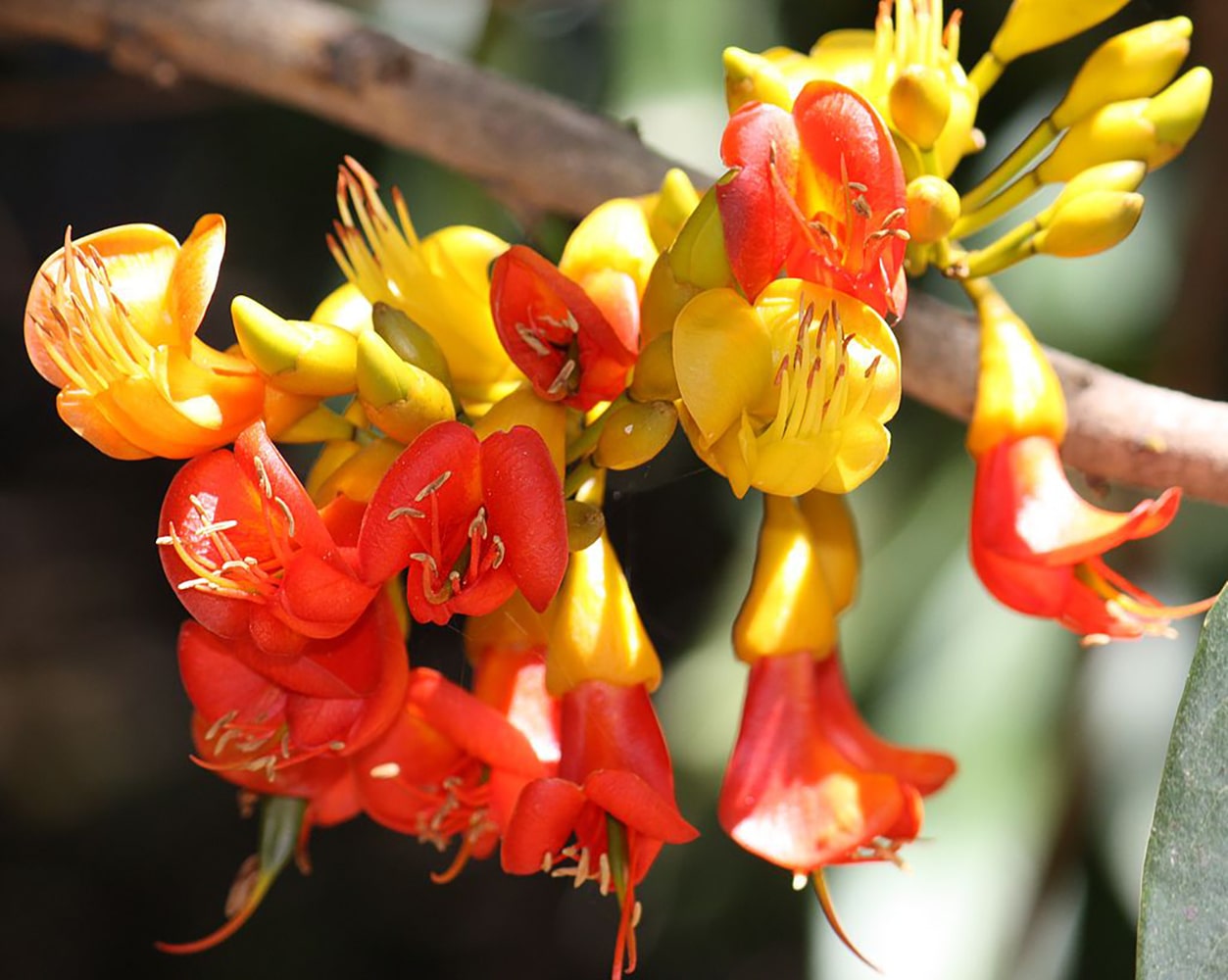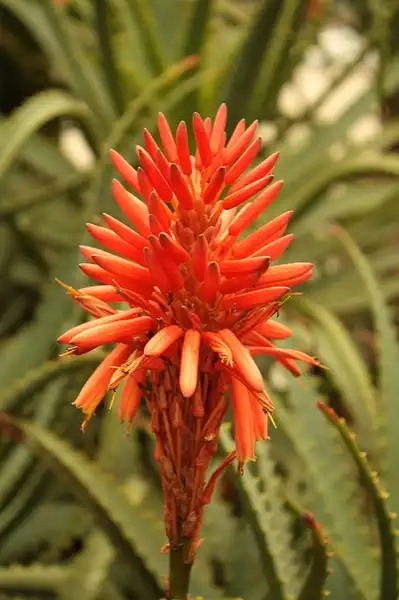
• Photo of Aloe vera (Aloe veras)

Plant Profile: Aloe vera

Taxonomy: Aloe vera

Names

Aloe, Aloe Vera, Barbados Aloe, Medicinal Aloe, Medicine Plant, True Aloe

  • Photo of Aloe vera (Aloe veras)

Phonetic Spelling:AL-oh bar-bah-DEN-sis

Genus:Aloe

Species:vera

Family:Asphodelaceae

Succulents are characterized by their thick, fleshy structures that enable them to store water, making them well-suited for dry environments. One popular succulent is Aloe Vera, which can thrive indoors as a houseplant or outdoors in temperate climates as a perennial. Ideal conditions for growth include ample light, though it’s best to limit direct sunlight exposure. In low-light situations, the leaves may start to droop.

Many people cultivate Aloe Vera primarily for the gel found in its leaves, which can be incorporated into desserts, yogurt, and drinks. Additionally, it is valued for its medicinal properties; its soothing, hydrating, and cooling effects are commonly used to alleviate minor burns and sunburns. The gel not only helps heal the skin but also offers pain relief. Furthermore, Aloe Vera is often included in over-the-counter acne treatments due to its beneficial properties during acne flare-ups.

For optimal growth, Aloe Vera prefers dry conditions and full sunlight, as bright light is essential for flowering. When placed near a window, it’s advisable to rotate the plant occasionally to ensure even light exposure on all sides. The plant thrives in cactus potting soil or standard potting soil mixed with perlite or sand. It’s important to allow the soil to dry out completely between waterings, and the pot should have sufficient drainage. During the winter months, reduce the frequency of watering.

Regularly inspect the roots to ensure they are not becoming root-bound. If the roots appear to be overcrowding the pot, it’s time to repot the plant. While being slightly pot-bound won’t harm the plant, you can also divide shoots from the mother plant and repot them separately.

In terms of pests and diseases, Aloe Vera can be affected by mealybugs and aphids. Common diseases include scale, leaf spot, aloe rust, and sooty mold. To maintain the health of your plant, avoid overwatering, as this can lead to root rot.

Aloe vera Feature Summary

Aloe vera Image Gallery

Tags

#red
#yellow
#poisonous
#houseplant
#drought tolerant
#orange
#succulent
#red flowers
#yellow flowers
#fleshy leaves
#medicinal
#orange flowers
#interiorscape
#tropical perennial
#problem for cats
#problem for dogs
#problem for horses
#tropical feel

Similar Plants

Aloe vera Feature Summary

Attributes
Has been used for centuries topically for cuts, sunburns and other skin problems. Cut away the outer part of the leave and use only the gel. Test a small patch of skin first.
Tropical, Mediterranean
Causes low toxicity if eaten.
Perennial
Textural
Attractive Flowers
Flowers
Flowers are red or yellow-orange in terminal, elongated clusters. Densely packed pendulous flowers on a spike reaching nearly 3' in height. Flowers only appear on mature plants.
Gold/Yellow
Red/Burgundy
Orange
Spring
Winter
1-3 inches
Leaves
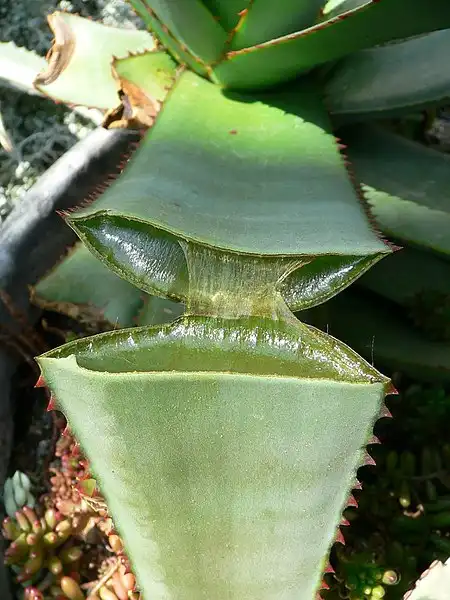
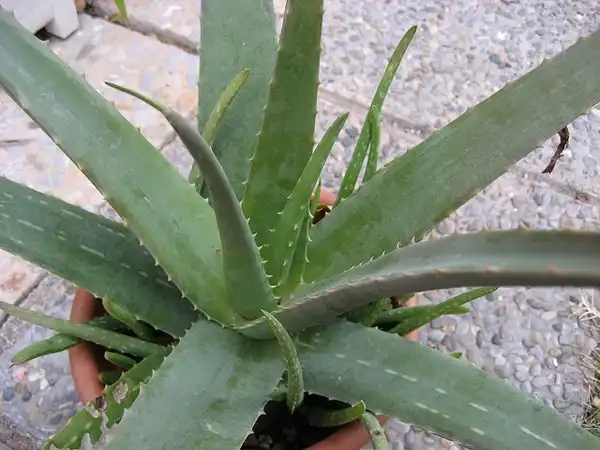
Perennial herb with thick, succulent, pointed, basal leaves with a margin of small white teeth. The leaves may grow up to 18" in length.
Green
Gray/Silver
Other/more complex
Lanceolate
> 6 inches
Smooth
Fleshy
1-3 inches
Stem
Poisonous to Humans
CAUSES ONLY LOW TOXICITY IF EATEN. SKIN IRRITATION MINOR OR LASTING ONLY FOR A FEW MINUTES. Poisonous part: Sap of leaves. Poisonous through ingestion or dermatitis. Symptoms may include: Abdominal cramping, diarrhea, red urine; skin irritation from latex.
Anthraquinone glycoside
Whole Plant Traits
Perennial
Poisonous
Medium
Cultural Conditions
Partial Shade (Direct sunlight only part of the day, 2-6 hours)
Good Drainage
Less than 12 inches
10a
10b
11a
11b
12a
12b
Loam (Silt)
Landscape
Drought Tolerant Garden
Accent
Specimen
Container
Patio
Houseplants
Poisonous to Humans
Problem for Cats
Problem for Dogs
Problem for Horses

Aloe vera Attributes

Aloe vera: Uses (Ethnobotany)

Has been used for centuries topically for cuts, sunburns and other skin problems. Cut away the outer part of the leave and use only the gel. Test a small patch of skin first.

Aloe vera: Country Or Region Of Origin

Tropical, Mediterranean

Aloe vera: Edibility

Causes low toxicity if eaten.

Aloe vera: Life Cycle

Annual
Biennial
Bulb
Perennial
Woody

Aloe vera: Recommended Propagation Strategy

Division
Grafting
Layering
Leaf Cutting
Root Cutting
Seed
Stem Cutting

Aloe vera: Play Value

Attractive Flowers
Attracts Pollinators
Buffer
Colorful
Defines Paths
Easy to Grow
Edible fruit
Fragrance
Pieces Used in Games
Screening
Shade
Sound
Textural
Wildlife Cover/Habitat
Wildlife Food Source
Wildlife Larval Host
Wildlife Nesting
Wind Break
Wind Shimmer

Aloe vera Flowers

Aloe vera: Flower Description

Flowers are red or yellow-orange in terminal, elongated clusters. Densely packed pendulous flowers on a spike reaching nearly 3' in height. Flowers only appear on mature plants.

Aloe vera: Flower Color

filter_vintage
Gold/Yellow
filter_vintage
Orange
filter_vintage
Red/Burgundy

Aloe vera: Flower Inflorescence

Catkin
Corymb
Cyme
Head
Insignificant
Panicle
Raceme
Solitary
Spadix
Spike
Umbel

Aloe vera: Flower Value To Gardener

Edible
Fragrant
Good Cut
Good Dried
Long Bloom Season
Long-lasting
Showy

Aloe vera: Flower Bloom Time

Winter
Spring
Summer
Fall

Aloe vera: Flower Shape

Bell
Cross
Crown
Cup
Dome
Funnel
Irregular
Lipped
Radial
Saucer
Star
Trumpet
Tubular
Urn
Wheel

Aloe vera: Flower Size

1-3 inches
3-6 inches
< 1 inch
> 6 inches

Aloe vera Leaves

Aloe vera: Leaf Description

Perennial herb with thick, succulent, pointed, basal leaves with a margin of small white teeth. The leaves may grow up to 18" in length.

Aloe vera: Leaf Color

spa
Gray/Silver
spa
Green

Aloe vera: Leaf Arrangement

Alternate
Opposite
Other/more complex
Rosulate
Whorled

Aloe vera: Leaf Shape

Acicular
Auriculate
Cordate
Cuneate
Deltoid
Elliptical
Filiform
Lanceolate
Linear
Oblanceolate
Oblong
Obovate
Obtuse
Orbicular
Ovate
Palmasect
Palmatifid
Peltate
Pinnatifid
Pinnatisect
Reniform
Rhomboidal
Spatulate
Subcordate
Subulate

Aloe vera: Leaf Margin

Crenate
Crenulate
Dentate
Denticulate
Doubly Crenate
Doubly Dentate
Doubly Serrate
Entire
Lobed
Serrate
Sinuate
Undulate

Aloe vera: Hairs Present

No
Yes

Aloe vera: Leaf Length

< 1 inch
1-3 inches
3-6 inches
> 6 inches

Aloe vera: Leaf Feel

Fleshy
Glossy
Leathery
Papery
Prickly
Rough
Rubbery
Slippery
Smooth
Soft
Velvety
Waxy

Aloe vera: Leaf Value To Gardener

Edible
Fragrant
Good Cut
Good Dried
Long-lasting
Showy

Aloe vera: Leaf Width

< 1 inch
1-3 inches
3-6 inches
> 6 inches

Aloe vera Stem

Aloe vera: Stem Description

Short stout stem.

Aloe vera: Stem Is Aromatic

No
Yes

Aloe vera Poisonous to Humans

Aloe vera: Poison Symptoms

CAUSES ONLY LOW TOXICITY IF EATEN. SKIN IRRITATION MINOR OR LASTING ONLY FOR A FEW MINUTES. Poisonous part: Sap of leaves. Poisonous through ingestion or dermatitis. Symptoms may include: Abdominal cramping, diarrhea, red urine; skin irritation from latex.

Aloe vera: Poison Toxic Principle

Anthraquinone glycoside

Aloe vera: Poison Severity

High
Low
Medium

Aloe vera: Causes Contact Dermatitis

No
Yes

Aloe vera: Poison Part

Bark
Flowers
Fruits
Leaves
Roots
Sap/Juice
Seeds
Stems

Aloe vera Whole Plant Traits

Aloe vera: Plant Type

Annual
Bulb
Carnivorous
Edible
Epiphyte
Fern
Ground Cover
Herb
Herbaceous Perennial
Houseplant
Mushroom
Native Plant
Ornamental Grasses and Sedges
Perennial
Poisonous
Rose
Shrub
Succulent
Tree
Turfgrass
Vegetable
Vine
Water Plant
Weed
Wildflower

Aloe vera: Habit/Form

Arching
Ascending
Broad
Cascading
Climbing
Clumping
Columnar
Conical
Creeping
Dense
Erect
Horizontal
Irregular
Mounding
Multi-stemmed
Multi-trunked
Open
Oval
Prostrate
Pyramidal
Rounded
Spreading
Vase
Weeping

Aloe vera: Growth Rate

Slow
Medium
Rapid

Aloe vera: Maintenance

Low
Medium
High

Aloe vera: Texture

Fine
Medium
Coarse

Aloe vera Cultural Conditions

Aloe vera: Light

Dappled Sunlight (Shade through upper canopy all day)
Deep shade (Less than 2 hours to no direct sunlight)
Full sun (6 or more hours of direct sunlight a day)
Partial Shade (Direct sunlight only part of the day, 2-6 hours)

Aloe vera: Soil Drainage

Frequent Standing Water
Good Drainage
Moist
Occasional Flooding
Occasionally Dry
Occasionally Wet
Very Dry

Aloe vera: Available Space To Plant

12 inches-3 feet
12-24 feet
24-60 feet
3 feet-6 feet
6-feet-12 feet
Less than 12 inches
more than 60 feet

Aloe vera: USDA Plant Hardiness Zone

thermostat
10a
thermostat
10b
thermostat
11a
thermostat
11b
thermostat
12a
thermostat
12b

Aloe vera: Soil Texture

Clay
High Organic Matter
Loam (Silt)
Sand
Shallow Rocky

Aloe vera Landscape

Aloe vera: Landscape Theme

Asian Garden
Butterfly Garden
Children's Garden
Cottage Garden
Cutting Garden
Drought Tolerant Garden
Edible Garden
English Garden
Fairy Garden
Garden for the Blind
Native Garden
Nighttime Garden
Pollinator Garden
Rain Garden
Rock Garden
Shade Garden
Water Garden
Winter Garden

Aloe vera: Design Feature

Accent
Barrier
Border
Flowering Tree
Foundation Planting
Hedge
Mass Planting
Screen/Privacy
Security
Shade Tree
Small groups
Small Tree
Specimen
Street Tree
Understory Tree

Aloe vera: Landscape Location

Coastal
Container
Hanging Baskets
Houseplants
Lawn
Meadow
Naturalized Area
Near Septic
Patio
Pond
Pool/Hardscape
Recreational Play Area
Riparian
Rock Wall
Slope/Bank
Small Space
Vertical Spaces
Walkways
Woodland

Aloe vera: Problems

Allelopathic
Contact Dermatitis
Frequent Disease Problems
Frequent Insect Problems
Invasive Species
Malodorous
Messy
Poisonous to Humans
Problem for Cats
Problem for Children
Problem for Dogs
Problem for Horses
Short-lived
Spines/Thorns
Weak Wood
Weedy