Ardisia japonica: Uses (Ethnobotany)
The plant is used in Chinese medicine. Medical applications include bronchitis.
Phonetic Spelling:ar-DIS-ee-ah jah-PON-ih-kah
Genus:Ardisia
Species:japonica
Family:Primulaceae
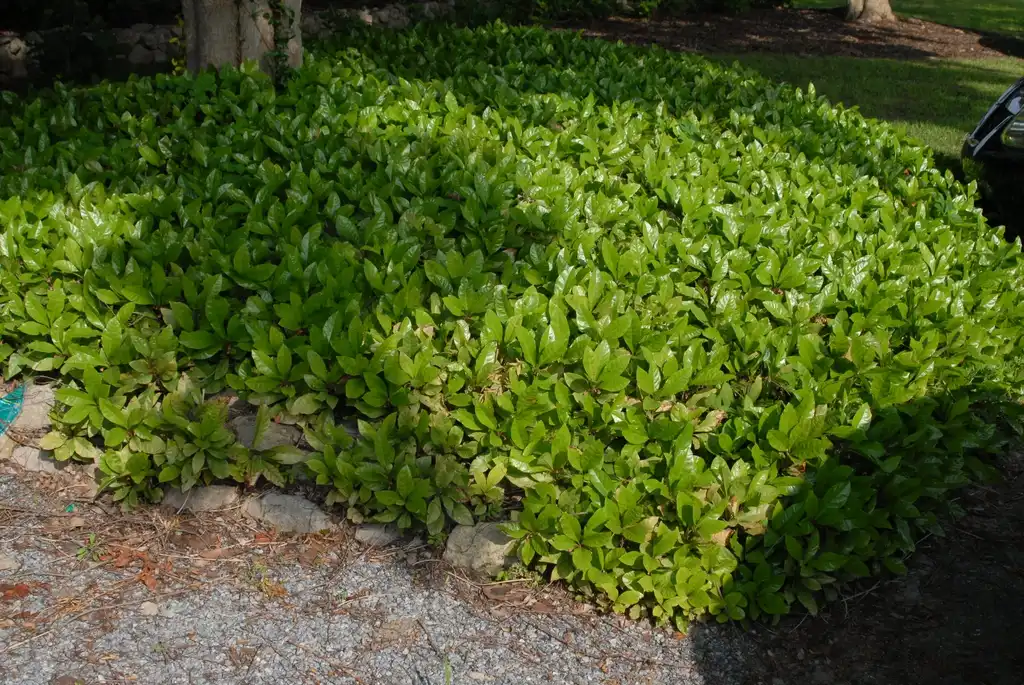
Marlberry, also known as Japanese Ardisia, is a low-growing evergreen shrub that typically reaches heights of 8 to 12 inches. This plant spreads quickly through runners, creating a lush groundcover ideal for shaded areas, and can develop extensive colonies over time. While there are several cultivars available, the variegated varieties are generally less resilient to cold temperatures.
Originating from regions such as China, Japan, Korea, and Taiwan, Marlberry thrives in mixed forests and bamboo groves. It is commonly utilized in traditional Chinese herbal medicine.
The genus name, Ardisia, derives from the Greek word "Ardis," which translates to "point," a nod to the pointed anthers found in its flowers. The species name, japonica, indicates its geographical roots.
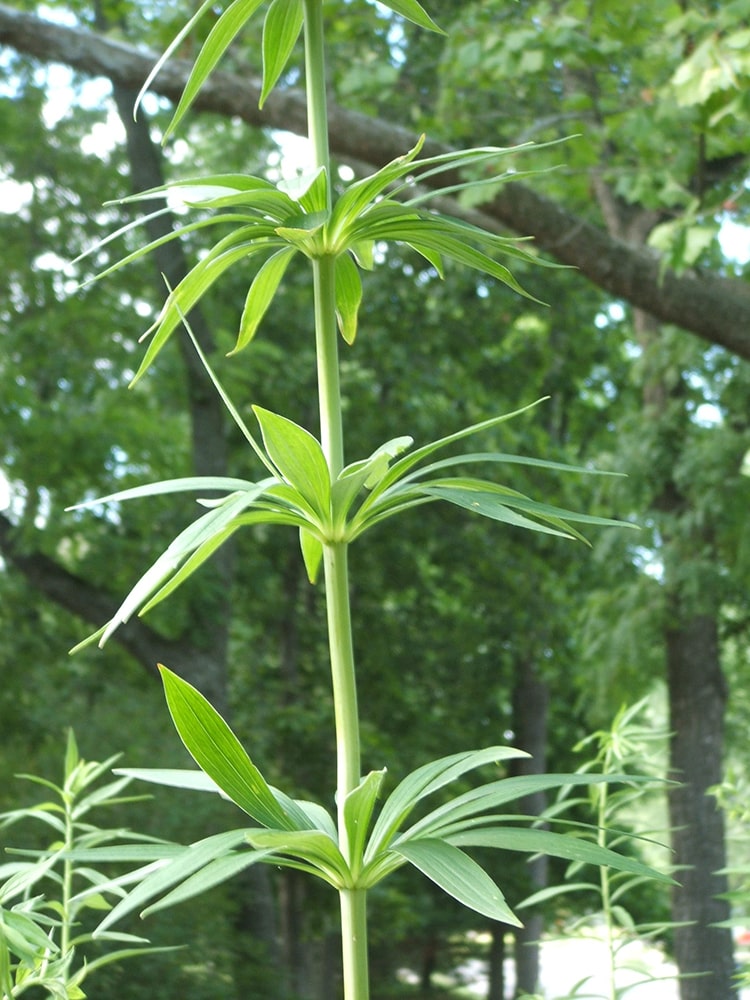
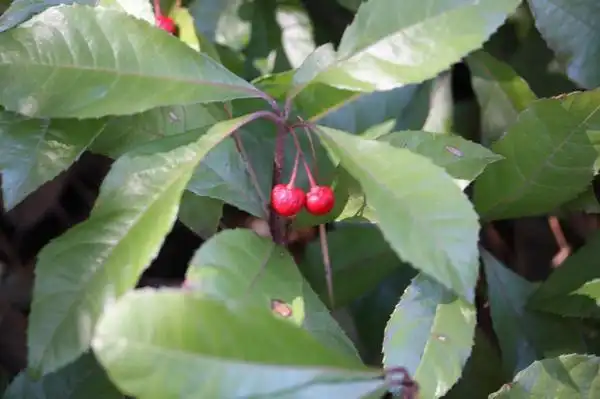
The shrub features dark green, glossy leaves that are densely clustered at the tips of its branches. From July to August, it produces small, star-shaped flowers that range from white to pale pink. By September, tiny, bright red drupes emerge, maturing between October and November, and may even persist through the winter. The plant is prolific in seed production, which can lead to naturalization in suitable environments.
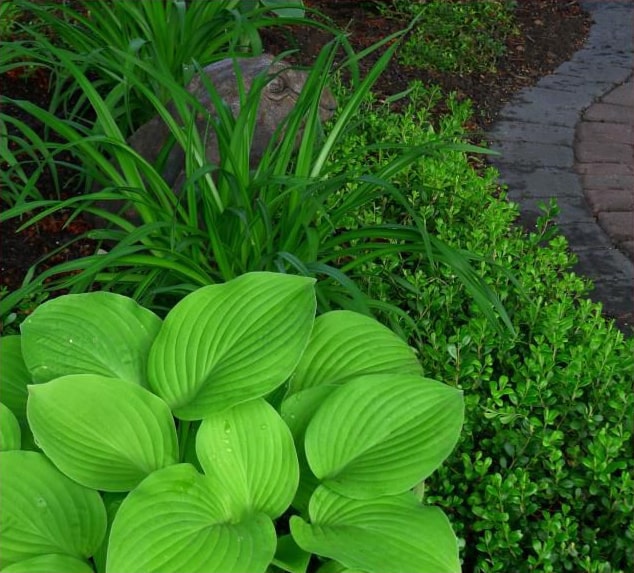
Marlberry serves as an excellent groundcover for shady or partially shaded woodland gardens. However, it does not withstand foot traffic, flooding, or drought conditions well. Preferring acidic soil, it is also sensitive to excessive sunlight, which can cause leaf burn. Fortunately, the plant is resistant to diseases and pests and is generally avoided by deer.
Propagation can be achieved through division, cuttings, or seeds, with cuttings best taken between June and September.
Closely related to Coralberry (Ardisia crenata), Marlberry is a small, upright evergreen that can grow up to 6 feet tall. However, Coralberry is considered invasive in Florida.
Since escaping cultivation in the early 2000s, Marlberry is not recommended for planting in northern Florida due to its invasive tendencies and difficulty in management. Instead, consider native alternatives such as Gallberry (Ilex glabra), Shiny Blueberry (Vaccinium myrsinites), or Partridgeberry (Mitchella repens) as substitutes for Marlberry.
Ardisia japonica Feature Summary
Ardisia japonica Image Gallery