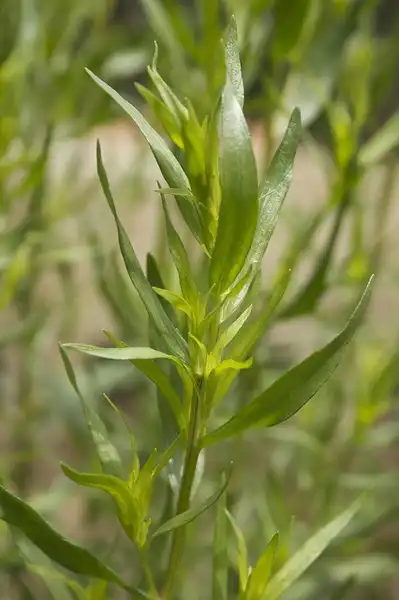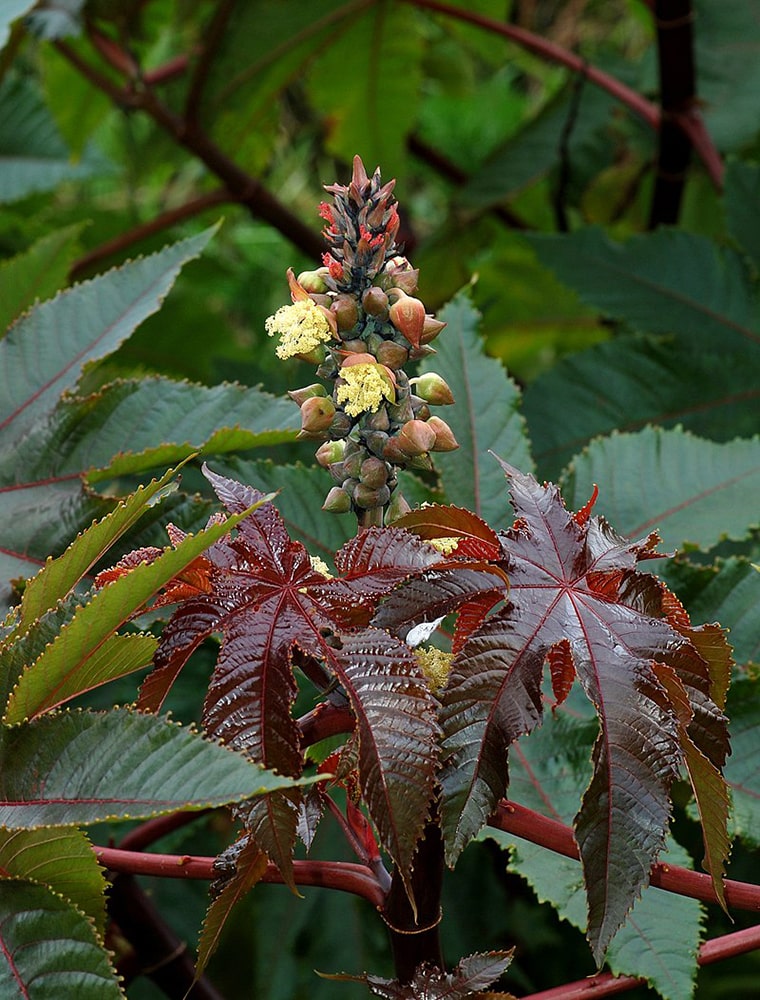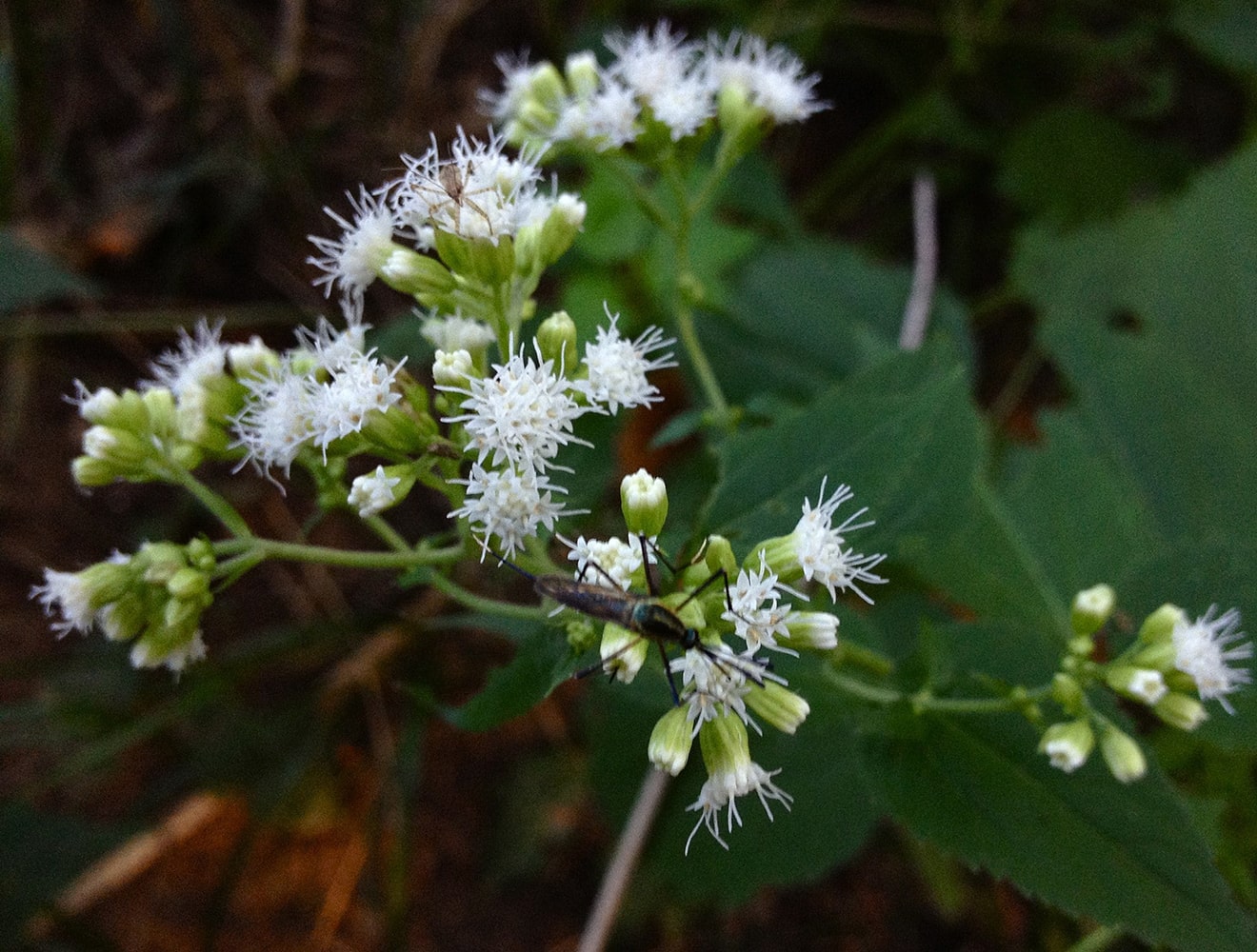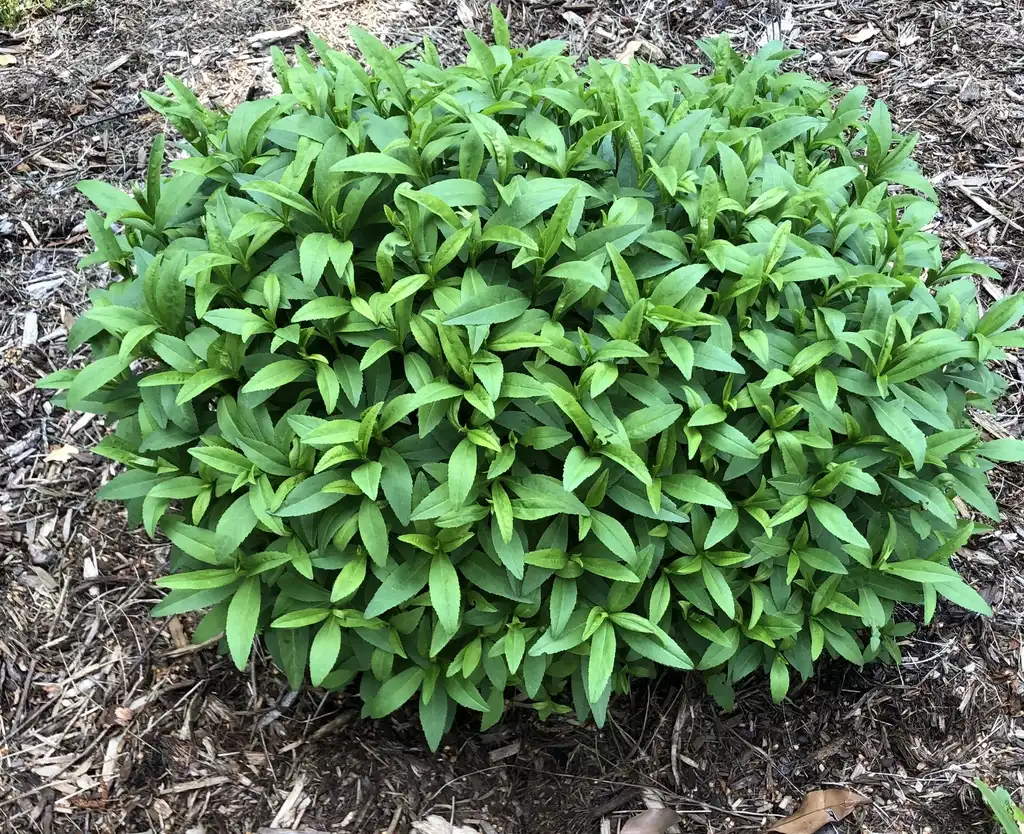
• Photo of Artemisia dracunculus (Artemisia dracunculuss)

Plant Profile: Artemisia dracunculus

Taxonomy: Artemisia dracunculus

Names

Estragon, French Tarragon, Tarragon

  • Photo of Artemisia dracunculus (Artemisia dracunculuss)

Phonetic Spelling:ar-tem-EE-zee-ah dra-KUN-koo-lus

Genus:Artemisia

Species:dracunculus

Family:Asteraceae

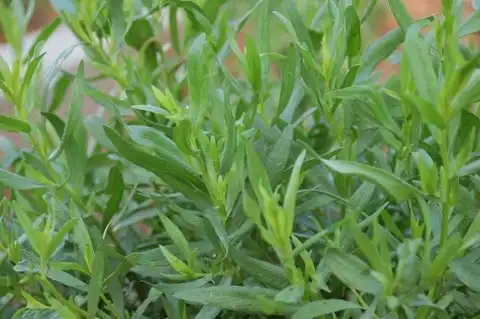
This aromatic, herbaceous perennial features silvery-green leaves that are arranged alternately and intricately divided into narrow, blunt segments adorned with silvery hairs on both surfaces. Its flowers are small, drooping, and exhibit a greenish-yellow hue.

Common applications for this plant include enhancing sauces, salads, soups, omelets, as well as various meat, vegetable, and fish dishes.

For further details on Artemisia, please refer to additional resources.

Artemisia dracunculus Feature Summary

Artemisia dracunculus Image Gallery

Tags

#problem for cats
#problem for dogs
#problem for horses

Similar Plants

Artemisia dracunculus Feature Summary

Attributes
Culinary herb
Temp. Northern Hemisphere to Trop, Mountains
Leaves, flowers, and stems; anise flavor in some cultivars
Perennial
Flowers
Small and drooping
Gold/Yellow
Green
Leaves
silvery-green, alternate, finely divided into blunt, narrow segments with silvery hairs on both sides
Green
Gray/Silver
Poisonous to Humans
ONLY TOXIC IN LARGE QUANTITIES – In the form of absinthe, an outlawed beverage, it can cause forgetfulness, delirium, mild vomiting, diarrhea, convulsions, and brain damage
A monoterpene thujone
Seeds
Leaves
Stems
Flowers
Bark
Fruits
Roots
Whole Plant Traits
Perennial
Edible
Poisonous
Herb
Cultural Conditions
Full sun (6 or more hours of direct sunlight a day)
Less than 12 inches
Landscape
Problem for Cats
Problem for Dogs
Problem for Horses

Artemisia dracunculus Attributes

Artemisia dracunculus: Uses (Ethnobotany)

Culinary herb
Artemisia dracunculus: Country Or Region Of Origin

Temp. Northern Hemisphere to Trop, Mountains

Artemisia dracunculus: Edibility

Leaves, flowers, and stems; anise flavor in some cultivars

Artemisia dracunculus: Life Cycle

Annual
Biennial
Bulb
Perennial
Woody

Artemisia dracunculus: Recommended Propagation Strategy

Division
Grafting
Layering
Leaf Cutting
Root Cutting
Seed
Stem Cutting

Artemisia dracunculus Flowers

Artemisia dracunculus: Flower Description

Small and drooping

Artemisia dracunculus: Flower Color

filter_vintage
Gold/Yellow
filter_vintage
Green

Artemisia dracunculus: Flower Value To Gardener

Edible
Fragrant
Good Cut
Good Dried
Long Bloom Season
Long-lasting
Showy

Artemisia dracunculus Leaves

Artemisia dracunculus: Leaf Description

silvery-green, alternate, finely divided into blunt, narrow segments with silvery hairs on both sides

Artemisia dracunculus: Leaf Color

spa
Gray/Silver
spa
Green

Artemisia dracunculus: Leaf Type

Compound (Pinnately , Bipinnately, Palmately)
Fronds
Needles
Sheath
Simple

Artemisia dracunculus: Leaf Arrangement

Alternate
Opposite
Other/more complex
Rosulate
Whorled

Artemisia dracunculus: Hairs Present

No
Yes

Artemisia dracunculus: Leaf Value To Gardener

Edible
Fragrant
Good Cut
Good Dried
Long-lasting
Showy

Artemisia dracunculus Poisonous to Humans

Artemisia dracunculus: Poison Symptoms

ONLY TOXIC IN LARGE QUANTITIES – In the form of absinthe, an outlawed beverage, it can cause forgetfulness, delirium, mild vomiting, diarrhea, convulsions, and brain damage

Artemisia dracunculus: Poison Toxic Principle

A monoterpene thujone

Artemisia dracunculus: Poison Severity

High
Low
Medium

Artemisia dracunculus: Causes Contact Dermatitis

No
Yes

Artemisia dracunculus: Poison Part

Bark
Flowers
Fruits
Leaves
Roots
Sap/Juice
Seeds
Stems

Artemisia dracunculus Whole Plant Traits

Artemisia dracunculus: Plant Type

Annual
Bulb
Carnivorous
Edible
Epiphyte
Fern
Ground Cover
Herb
Herbaceous Perennial
Houseplant
Mushroom
Native Plant
Ornamental Grasses and Sedges
Perennial
Poisonous
Rose
Shrub
Succulent
Tree
Turfgrass
Vegetable
Vine
Water Plant
Weed
Wildflower

Artemisia dracunculus Cultural Conditions

Artemisia dracunculus: Light

Dappled Sunlight (Shade through upper canopy all day)
Deep shade (Less than 2 hours to no direct sunlight)
Full sun (6 or more hours of direct sunlight a day)
Partial Shade (Direct sunlight only part of the day, 2-6 hours)

Artemisia dracunculus: Available Space To Plant

12 inches-3 feet
12-24 feet
24-60 feet
3 feet-6 feet
6-feet-12 feet
Less than 12 inches
more than 60 feet

Artemisia dracunculus Stem

Artemisia dracunculus: Stem Is Aromatic

No
Yes

Artemisia dracunculus Landscape

Artemisia dracunculus: Problems

Allelopathic
Contact Dermatitis
Frequent Disease Problems
Frequent Insect Problems
Invasive Species
Malodorous
Messy
Poisonous to Humans
Problem for Cats
Problem for Children
Problem for Dogs
Problem for Horses
Short-lived
Spines/Thorns
Weak Wood
Weedy