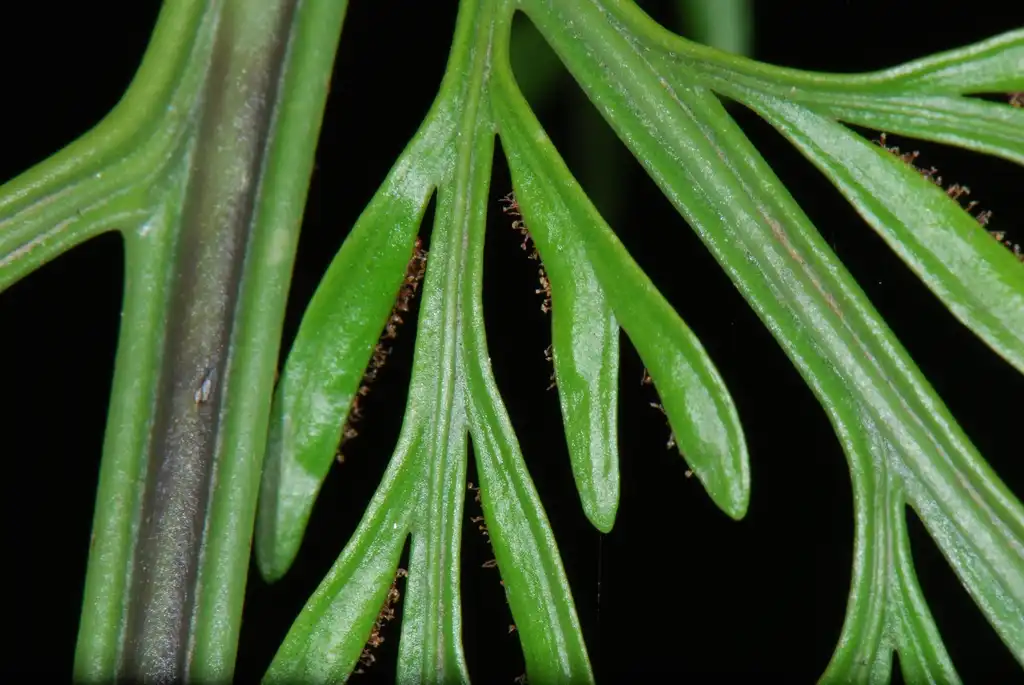
• Photo of Asplenium bulbiferum (Asplenium bulbiferums)

Plant Profile: Asplenium bulbiferum

Names

Hen and Chickens Fern, Mother Fern, Mother Spleenwort, New Zealand Common Spleenwort, Pikopiko

  • Photo of Asplenium bulbiferum (Asplenium bulbiferums)

Phonetic Spelling:as-PLEE-nee-um bulb-EE-fer-um

Genus:Asplenium

Species:bulbiferum

Family:Aspleniaceae

Mother Spleenwort is a unique tropical fern that is exclusively found in New Zealand, thriving in many of its forested regions. Outside its native habitat, it is commonly marketed as a houseplant, typically grown in containers. This fern is part of the Spleenwort family, a name derived from the historical belief in its medicinal properties related to the spleen.

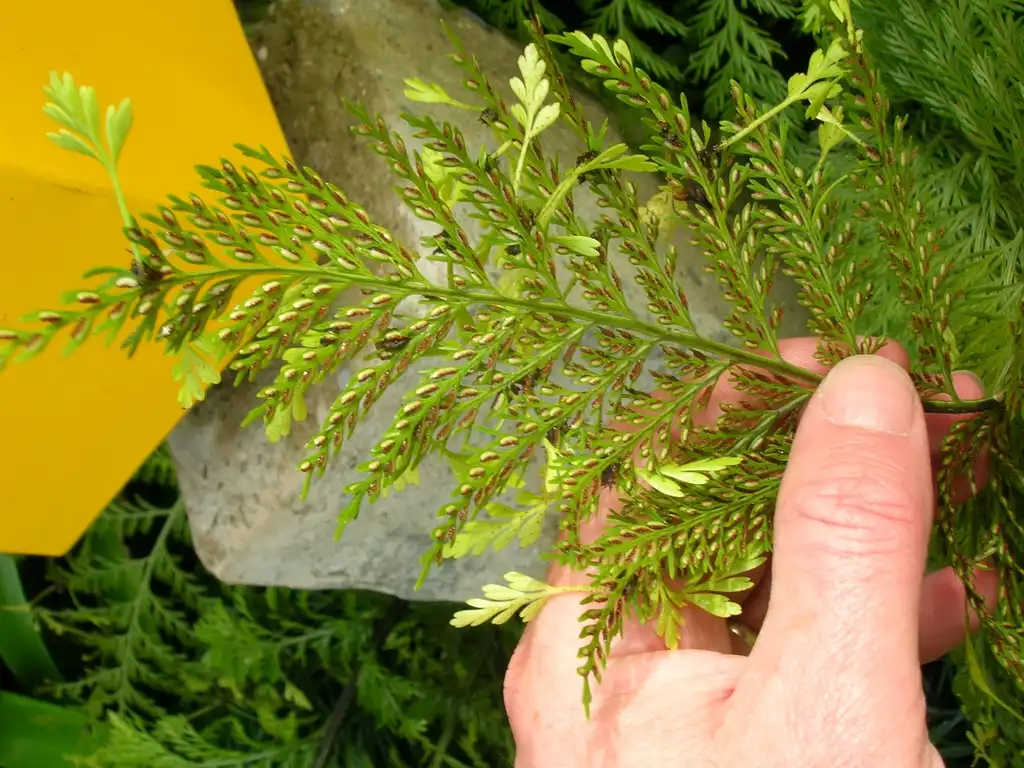
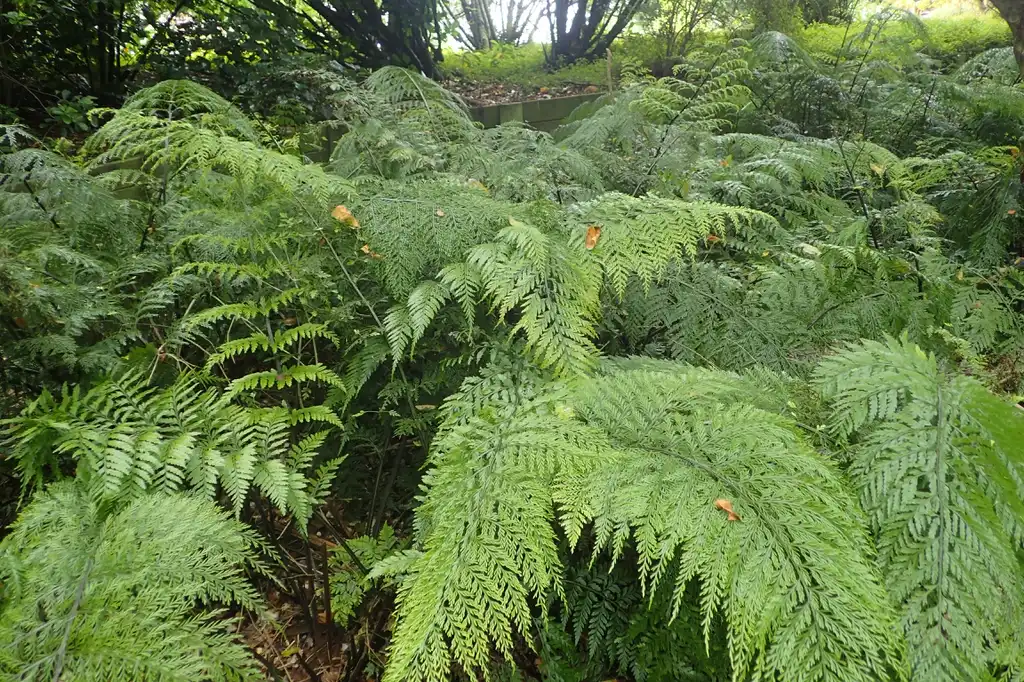
The Mother Spleenwort is distinguished by its delicate, feathery leaves that emerge from a central crown. Its tall fronds can reach up to four feet in height, arching elegantly. Unlike many plants, Spleenworts do not produce flowers or fruit; instead, they primarily propagate through spores found in sori on the undersides of their fronds. Additionally, as suggested by its name, Mother Spleenwort can reproduce vegetatively. The fronds develop small offsets, approximately two inches long, which detach and can grow into new ferns near the parent plant.

This fern thrives in low-light conditions, preferring dappled to deep shade, and requires well-drained, moist, acidic soil. It is also edible; the indigenous Maori people harvest young fronds, which can be consumed raw or cooked like vegetables. In suitable cultivation zones, it is best positioned in shady, sheltered spots, such as under an awning or in north-facing areas, to protect it from direct sunlight and wind. Mother Spleenwort is visually appealing in containers, mass plantings, hanging baskets, or as a focal point in shady or woodland gardens. When grown indoors, it should be placed in a bright room away from direct sunlight, with regular watering to maintain consistent moisture. A potting mix that includes clay, loam, chalk, and sand is ideal for its growth.

Asplenium bulbiferum Feature Summary

Asplenium bulbiferum Image Gallery

Tags

#shade tolerant
#shade garden
#lacy leaves
#fern
#deer resistant
#non-toxic for horses
#non-toxic for dogs
#non-toxic for cats

Similar Plants

Asplenium bulbiferum Feature Summary

Attributes
Indigenous New Zealand Maori collect young fronds of this native edible fern and cook them like vegetables or use them raw. The young fronds are sometimes referred to as bush asparagus.
South Asia, Australia, New Zealand
Edible young fronds
Perennial
Fruit
No fruits. The plant propagates vegetatively and by spores.
Flowers
Leaves
Fronds emerge from a single crown and are comprised of smooth, feathery, finely cut, alternately arranged bipinnate leaves. Plants propagate from spores that develop in sori on the undersides of leaves. This fern also propagates vegetatively, forming small offsets along the leaves that will drop to the ground near the parent plant and grown into new ferns.
Compound (Pinnately , Bipinnately, Palmately)
Fronds
Whole Plant Traits
Herbaceous Perennial
Houseplant
Fern
Arching
Rounded
Erect
Cultural Conditions
Partial Shade (Direct sunlight only part of the day, 2-6 hours)
Deep shade (Less than 2 hours to no direct sunlight)
Acid (<6.0)
Good Drainage
Moist
Clay
High Organic Matter
Loam (Silt)
Sand
Landscape
Rock Garden
Asian Garden
Shade Garden
Mass Planting
Accent
Small groups
Specimen
Container
Woodland
Small Space
Houseplants
Hanging Baskets

Asplenium bulbiferum Attributes

Asplenium bulbiferum: Uses (Ethnobotany)

Indigenous New Zealand Maori collect young fronds of this native edible fern and cook them like vegetables or use them raw. The young fronds are sometimes referred to as bush asparagus.

Asplenium bulbiferum: Country Or Region Of Origin

New Zeland

Asplenium bulbiferum: Distribution

South Asia, Australia, New Zealand

Asplenium bulbiferum: Particularly Resistant To (Insects/Diseases/Other Problems)

Deer, Heavy Shade

Asplenium bulbiferum: Edibility

Edible young fronds

Asplenium bulbiferum: Life Cycle

Annual
Biennial
Bulb
Perennial
Woody

Asplenium bulbiferum Fruit

Asplenium bulbiferum: Fruit Description

No fruits. The plant propagates vegetatively and by spores.

Asplenium bulbiferum Flowers

Asplenium bulbiferum: Flower Description

No flowers.

Asplenium bulbiferum Leaves

Asplenium bulbiferum: Leaf Description

Fronds emerge from a single crown and are comprised of smooth, feathery, finely cut, alternately arranged bipinnate leaves. Plants propagate from spores that develop in sori on the undersides of leaves. This fern also propagates vegetatively, forming small offsets along the leaves that will drop to the ground near the parent plant and grown into new ferns.

Asplenium bulbiferum: Leaf Color

spa
Green

Asplenium bulbiferum: Leaf Type

Compound (Pinnately , Bipinnately, Palmately)
Fronds
Needles
Sheath
Simple

Asplenium bulbiferum: Leaf Arrangement

Alternate
Opposite
Other/more complex
Rosulate
Whorled

Asplenium bulbiferum: Hairs Present

No
Yes

Asplenium bulbiferum: Leaf Feel

Fleshy
Glossy
Leathery
Papery
Prickly
Rough
Rubbery
Slippery
Smooth
Soft
Velvety
Waxy

Asplenium bulbiferum: Leaf Value To Gardener

Edible
Fragrant
Good Cut
Good Dried
Long-lasting
Showy

Asplenium bulbiferum Whole Plant Traits

Asplenium bulbiferum: Plant Type

Annual
Bulb
Carnivorous
Edible
Epiphyte
Fern
Ground Cover
Herb
Herbaceous Perennial
Houseplant
Mushroom
Native Plant
Ornamental Grasses and Sedges
Perennial
Poisonous
Rose
Shrub
Succulent
Tree
Turfgrass
Vegetable
Vine
Water Plant
Weed
Wildflower

Asplenium bulbiferum: Habit/Form

Arching
Ascending
Broad
Cascading
Climbing
Clumping
Columnar
Conical
Creeping
Dense
Erect
Horizontal
Irregular
Mounding
Multi-stemmed
Multi-trunked
Open
Oval
Prostrate
Pyramidal
Rounded
Spreading
Vase
Weeping

Asplenium bulbiferum: Growth Rate

Slow
Medium
Rapid

Asplenium bulbiferum: Maintenance

Low
Medium
High

Asplenium bulbiferum Cultural Conditions

Asplenium bulbiferum: Light

Dappled Sunlight (Shade through upper canopy all day)
Deep shade (Less than 2 hours to no direct sunlight)
Full sun (6 or more hours of direct sunlight a day)
Partial Shade (Direct sunlight only part of the day, 2-6 hours)

Asplenium bulbiferum: Soil pH

Acid (<6.0)
Alkaline (>8.0)
Neutral (6.0-8.0)

Asplenium bulbiferum: Soil Drainage

Frequent Standing Water
Good Drainage
Moist
Occasional Flooding
Occasionally Dry
Occasionally Wet
Very Dry

Asplenium bulbiferum: Available Space To Plant

12 inches-3 feet
12-24 feet
24-60 feet
3 feet-6 feet
6-feet-12 feet
Less than 12 inches
more than 60 feet

Asplenium bulbiferum: USDA Plant Hardiness Zone

thermostat
10a
thermostat
10b
thermostat
11a
thermostat
11b
thermostat
9a
thermostat
9b

Asplenium bulbiferum: Soil Texture

Clay
High Organic Matter
Loam (Silt)
Sand
Shallow Rocky

Asplenium bulbiferum Stem

Asplenium bulbiferum: Stem Is Aromatic

No
Yes

Asplenium bulbiferum Landscape

Asplenium bulbiferum: Landscape Theme

Asian Garden
Butterfly Garden
Children's Garden
Cottage Garden
Cutting Garden
Drought Tolerant Garden
Edible Garden
English Garden
Fairy Garden
Garden for the Blind
Native Garden
Nighttime Garden
Pollinator Garden
Rain Garden
Rock Garden
Shade Garden
Water Garden
Winter Garden

Asplenium bulbiferum: Design Feature

Accent
Barrier
Border
Flowering Tree
Foundation Planting
Hedge
Mass Planting
Screen/Privacy
Security
Shade Tree
Small groups
Small Tree
Specimen
Street Tree
Understory Tree

Asplenium bulbiferum: Resistance To Challenges

Black Walnut
Compaction
Deer
Diseases
Drought
Dry Soil
Erosion
Fire
Foot Traffic
Heat
Heavy Shade
Humidity
Insect Pests
Pollution
Poor Soil
Rabbits
Salt
Slugs
Squirrels
Storm damage
Urban Conditions
Voles
Wet Soil
Wind

Asplenium bulbiferum: Landscape Location

Coastal
Container
Hanging Baskets
Houseplants
Lawn
Meadow
Naturalized Area
Near Septic
Patio
Pond
Pool/Hardscape
Recreational Play Area
Riparian
Rock Wall
Slope/Bank
Small Space
Vertical Spaces
Walkways
Woodland