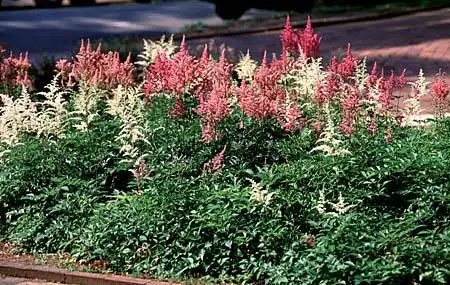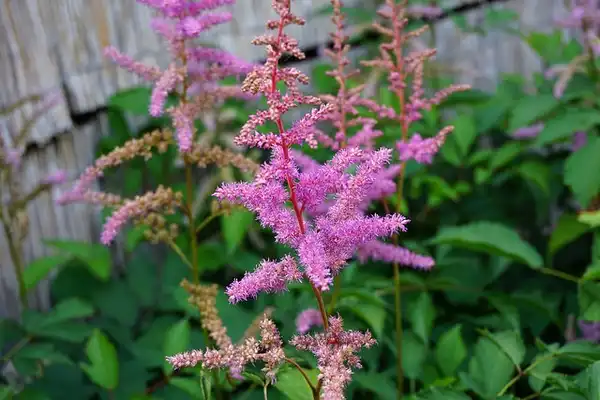
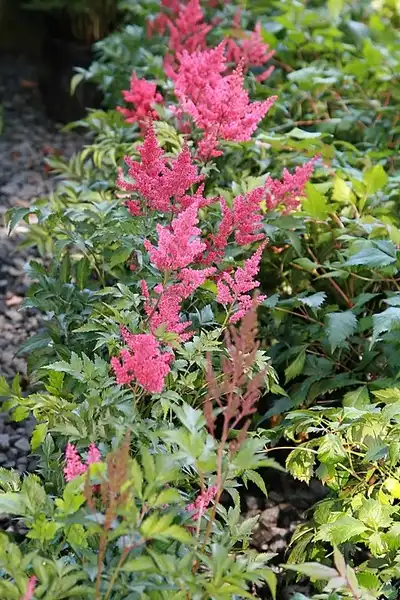
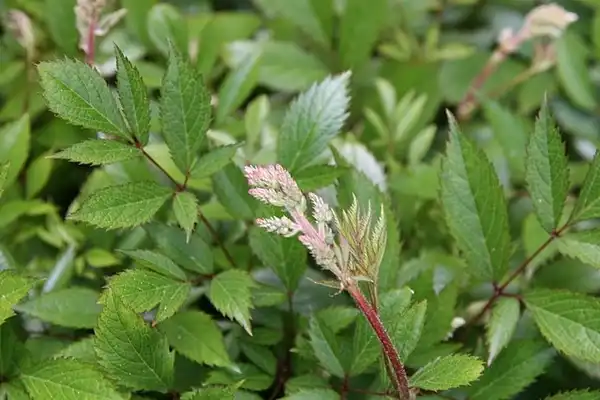
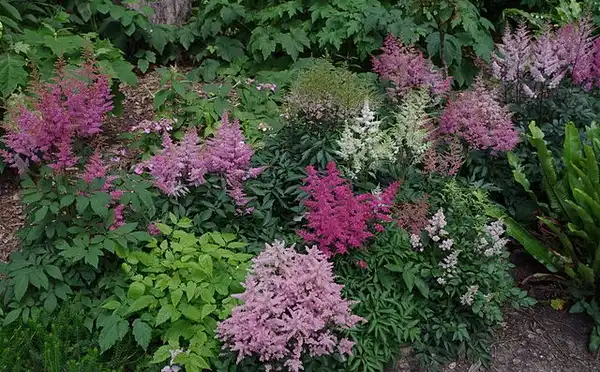
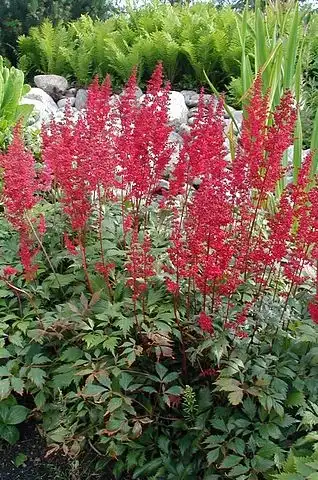
• Photo of Astilbe x arendsii (Astilbe x arendsiis)

Plant Profile: Astilbe x arendsii

Names

Astilbe, False Spiraea

  • Photo of Astilbe x arendsii (Astilbe x arendsiis)

Phonetic Spelling:ah-STIL-bee BY ar-END-see-eye

Genus:Astilbe

Species:

Family:Saxifragaceae

Rhizomatous herbaceous perennials typically grow in clumps that reach heights of 2 to 4 feet and spread about 2 feet wide. Numerous cultivars have been developed, showcasing thousands of small flowers that form plume-like panicles atop the plants. These perennials thrive in wet environments and should be divided in either spring or fall. They favor moist, nutrient-rich soil.

**Quick Identification Tips:**
These plants bloom in early summer and require sufficient moisture for optimal growth; without it, the foliage may turn brown and the plant could die prematurely. Clumps should be divided every 3 to 4 years. They are suitable for use in shade gardens, borders, mass plantings, around water features, as cut flowers, or in pots. While they prefer partial shade, they can also tolerate full sun. They thrive in fertile, moist soils and generally do not face serious disease issues, although powdery mildew and wilt can occur. Insects such as Japanese beetles, whiteflies, and black vine weevils may pose some challenges.

Astilbe x arendsii Feature Summary

Astilbe x arendsii Image Gallery

Tags

#red
#white
#full sun tolerant
#water garden
#perennial
#pink flowers
#shade tolerant
#cut flowers
#shade garden
#flower arrangements
#wet sites
#cpp
#summer flowers
#borders
#fantz
#partial shade tolerant

Similar Plants

Astilbe x arendsii is often confused with:

Astilbe x arendsii Feature Summary

Attributes
Flowers
Terminal, erect to arching, narrow to broad pyramidal panicles; lateral branches densely clustered, short. Small, numerous, red pink, white to lavendar; petals 5.
Pink
Purple/Lavender
White
Gold/Yellow
Red/Burgundy
4-5 petals/rays
Leaves
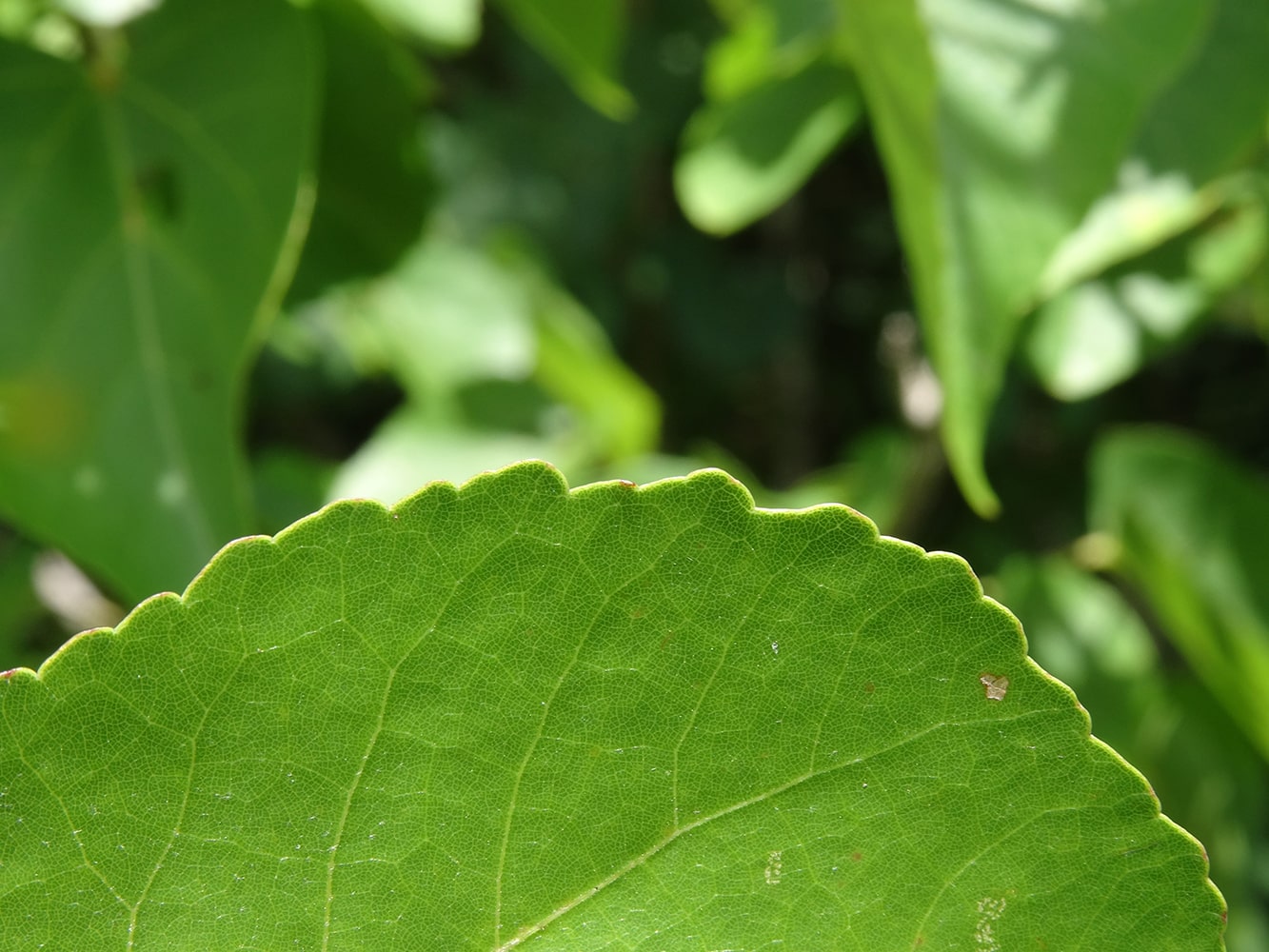
Compound, usually 2-3 ternately compound, stipulate; rachis swollen and conspicuously jointed at base and junction of petolies; leaflets ovate-oblong, short-acuminate, cuneate, serrate to doubly serrate.
Compound (Pinnately , Bipinnately, Palmately)
Ovate
Oblong
Whole Plant Traits
Perennial
Cultural Conditions
Full sun (6 or more hours of direct sunlight a day)
Partial Shade (Direct sunlight only part of the day, 2-6 hours)
Coastal
Mountains
Piedmont
4a
4b
5b
5a
6a
6b
7a
7b
8b
8a
High Organic Matter
Landscape

Astilbe x arendsii Attributes

Astilbe x arendsii: Country Or Region Of Origin

Asia, hybrid origin
Astilbe x arendsii: Recommended Propagation Strategy

Division
Grafting
Layering
Leaf Cutting
Root Cutting
Seed
Stem Cutting

Astilbe x arendsii Flowers

Astilbe x arendsii: Flower Description

Terminal, erect to arching, narrow to broad pyramidal panicles; lateral branches densely clustered, short. Small, numerous, red pink, white to lavendar; petals 5.

Astilbe x arendsii: Flower Color

filter_vintage
Gold/Yellow
filter_vintage
Pink
filter_vintage
Purple/Lavender
filter_vintage
Red/Burgundy
filter_vintage
White

Astilbe x arendsii: Flower Inflorescence

Catkin
Corymb
Cyme
Head
Insignificant
Panicle
Raceme
Solitary
Spadix
Spike
Umbel

Astilbe x arendsii: Flower Bloom Time

Winter
Spring
Summer
Fall

Astilbe x arendsii: Flower Petals

2-3 rays/petals
4-5 petals/rays
6 petals/rays
7 - 20 petals/rays
asymmetrical petals
Bracts
Colored Sepals
fused petals
more than 20 petals/rays
Tepals

Astilbe x arendsii Leaves

Astilbe x arendsii: Leaf Description

Compound, usually 2-3 ternately compound, stipulate; rachis swollen and conspicuously jointed at base and junction of petolies; leaflets ovate-oblong, short-acuminate, cuneate, serrate to doubly serrate.

Astilbe x arendsii: Leaf Type

Compound (Pinnately , Bipinnately, Palmately)
Fronds
Needles
Sheath
Simple

Astilbe x arendsii: Leaf Shape

Acicular
Auriculate
Cordate
Cuneate
Deltoid
Elliptical
Filiform
Lanceolate
Linear
Oblanceolate
Oblong
Obovate
Obtuse
Orbicular
Ovate
Palmasect
Palmatifid
Peltate
Pinnatifid
Pinnatisect
Reniform
Rhomboidal
Spatulate
Subcordate
Subulate

Astilbe x arendsii: Leaf Margin

Crenate
Crenulate
Dentate
Denticulate
Doubly Crenate
Doubly Dentate
Doubly Serrate
Entire
Lobed
Serrate
Sinuate
Undulate

Astilbe x arendsii: Hairs Present

No
Yes

Astilbe x arendsii Whole Plant Traits

Astilbe x arendsii: Plant Type

Annual
Bulb
Carnivorous
Edible
Epiphyte
Fern
Ground Cover
Herb
Herbaceous Perennial
Houseplant
Mushroom
Native Plant
Ornamental Grasses and Sedges
Perennial
Poisonous
Rose
Shrub
Succulent
Tree
Turfgrass
Vegetable
Vine
Water Plant
Weed
Wildflower

Astilbe x arendsii Cultural Conditions

Astilbe x arendsii: Light

Dappled Sunlight (Shade through upper canopy all day)
Deep shade (Less than 2 hours to no direct sunlight)
Full sun (6 or more hours of direct sunlight a day)
Partial Shade (Direct sunlight only part of the day, 2-6 hours)

Astilbe x arendsii: Soil Drainage

Frequent Standing Water
Good Drainage
Moist
Occasional Flooding
Occasionally Dry
Occasionally Wet
Very Dry

Astilbe x arendsii: NC Region

Coastal
Mountains
Piedmont

Astilbe x arendsii: USDA Plant Hardiness Zone

thermostat
4a
thermostat
4b
thermostat
5a
thermostat
5b
thermostat
6a
thermostat
6b
thermostat
7a
thermostat
7b
thermostat
8a
thermostat
8b

Astilbe x arendsii: Soil Texture

Clay
High Organic Matter
Loam (Silt)
Sand
Shallow Rocky

Astilbe x arendsii Stem

Astilbe x arendsii: Stem Is Aromatic

No
Yes

Astilbe x arendsii Landscape

Astilbe x arendsii: Resistance To Challenges

Black Walnut
Compaction
Deer
Diseases
Drought
Dry Soil
Erosion
Fire
Foot Traffic
Heat
Heavy Shade
Humidity
Insect Pests
Pollution
Poor Soil
Rabbits
Salt
Slugs
Squirrels
Storm damage
Urban Conditions
Voles
Wet Soil
Wind