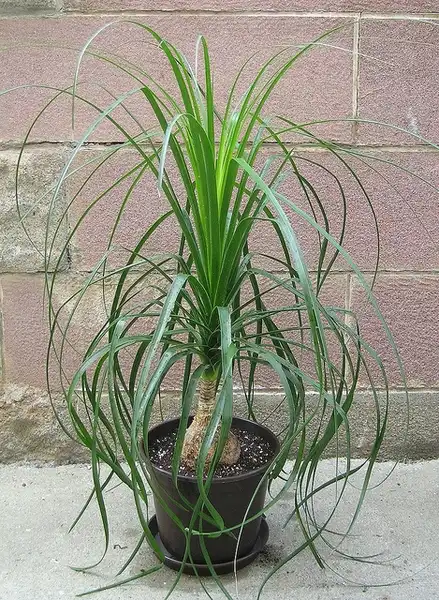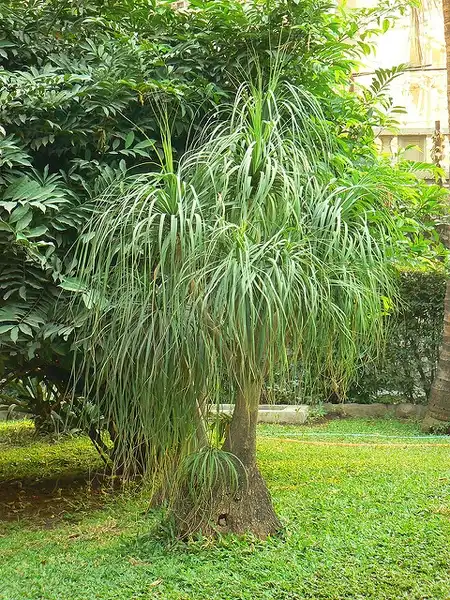
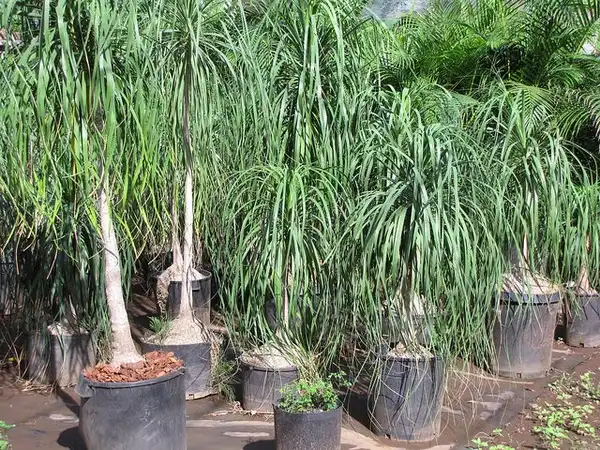
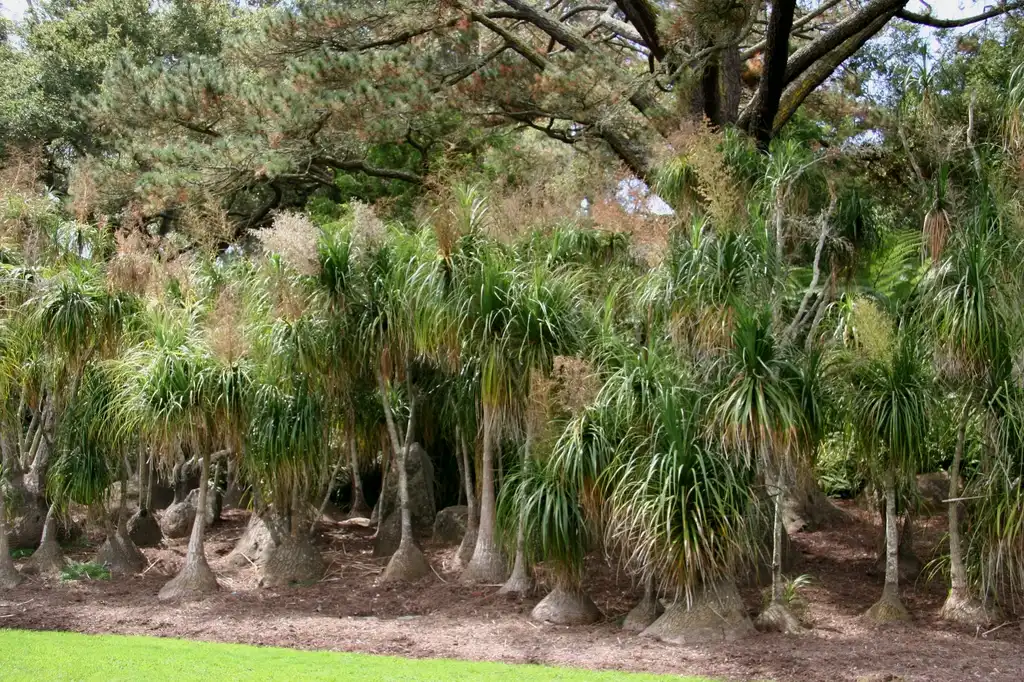
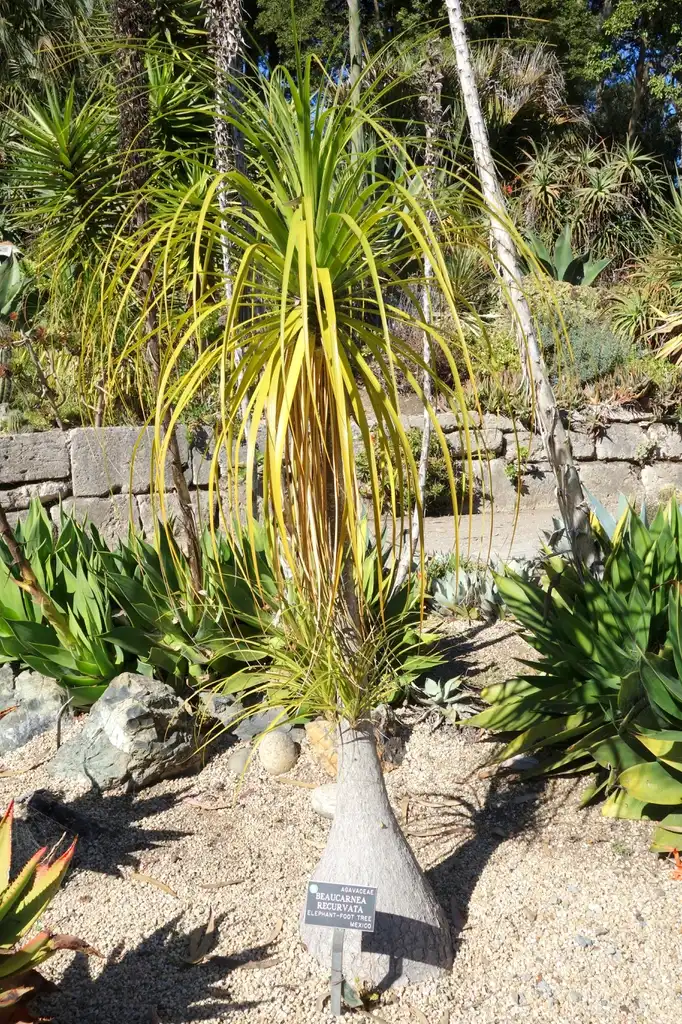
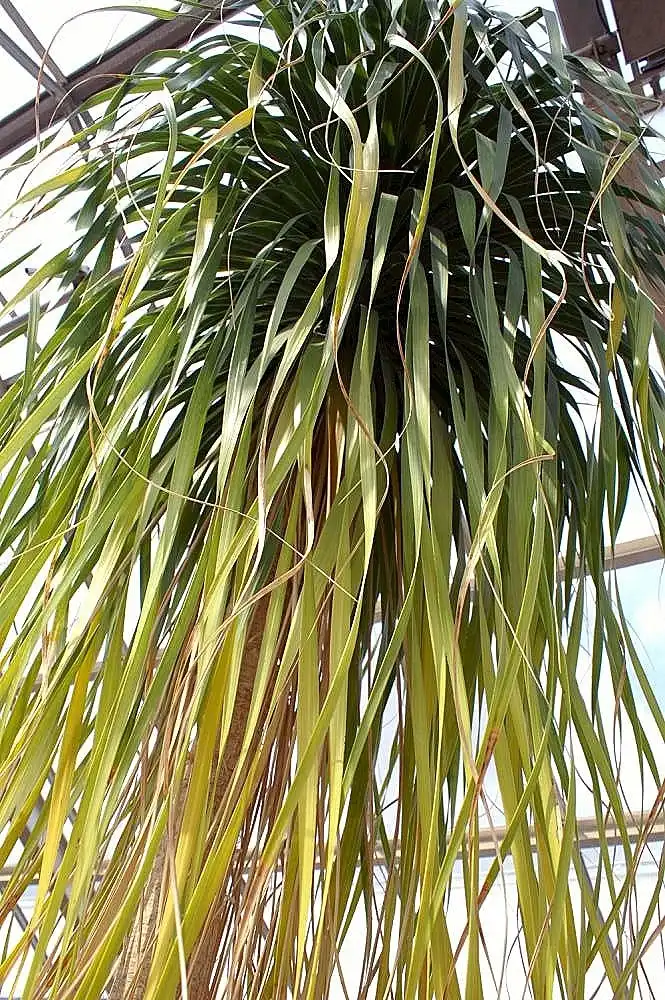
• Photo of Beaucarnea recurvata (Beaucarnea recurvatas)

Plant Profile: Beaucarnea recurvata

Taxonomy: Beaucarnea recurvata

Names

Bottle Palm, Elephant-foot Tree, Ponytail Palm, Pony Tail Plant

  • Photo of Beaucarnea recurvata (Beaucarnea recurvatas)

Phonetic Spelling:bew-KAIR-nee-uh ree-ker-VAY-tuh

Genus:Beaucarnea

Species:recurvata

Family:Asparagaceae

This popular houseplant thrives in bright, sunny windows. It prefers dry conditions during the winter months and can tolerate indoor heating, which often poses challenges for many other houseplants. After the last frost, you can gradually acclimate the plant to outdoor conditions on a sheltered patio. It's important to let the soil dry out between waterings and to decrease watering frequency in winter. Despite its name, the ponytail palm is not a true palm; it features a thick, swollen stem known as a caudex that stores water, along with slender, dark green leaves that gracefully curl at the tips, resembling a fountain plume. This plant requires ample light and consistent watering.

Regarding pests, diseases, and other issues: while it generally remains healthy, it can be affected by mealybugs, scale insects, and spider mites. Potential diseases include stem rot, bacterial leaf streak, and leaf spots.

Beaucarnea recurvata Feature Summary

Beaucarnea recurvata Image Gallery

Tags

#houseplant
#drought tolerant
#specimen
#interiorscape
#palm
#strappy
#winter interest
#patio planting
#non-toxic for horses
#non-toxic for dogs
#non-toxic for cats

Similar Plants

Beaucarnea recurvata Feature Summary

Attributes
Mexico (Oaxaca, Puebla, San Luis Potosí, Tamaulipas, Veracruz)
Flowers
Seasonal bloomer creamy white flowers but rarely appear on houseplants.
White
Cream/Tan
Leaves
Strappy palm-like leaves 6' long but only 1" wide that cascade
> 6 inches
1-3 inches
Whole Plant Traits
Cultural Conditions
Full sun (6 or more hours of direct sunlight a day)
Good Drainage
3 feet-6 feet
6-feet-12 feet
Landscape
Container
Patio
Houseplants

Beaucarnea recurvata Attributes

Beaucarnea recurvata: Country Or Region Of Origin

Mexico (Oaxaca, Puebla, San Luis Potosí, Tamaulipas, Veracruz)
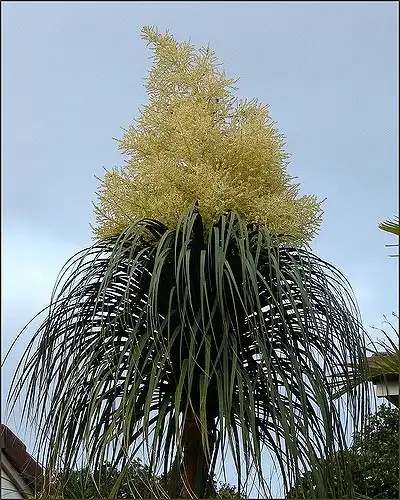
Beaucarnea recurvata Flowers

Beaucarnea recurvata: Flower Description

Seasonal bloomer creamy white flowers but rarely appear on houseplants.

Beaucarnea recurvata: Flower Color

filter_vintage
Cream/Tan
filter_vintage
White

Beaucarnea recurvata: Flower Value To Gardener

Edible
Fragrant
Good Cut
Good Dried
Long Bloom Season
Long-lasting
Showy

Beaucarnea recurvata Leaves

Beaucarnea recurvata: Leaf Description

Strappy palm-like leaves 6' long but only 1" wide that cascade

Beaucarnea recurvata: Woody Plant Leaf Characteristics

Broadleaf Evergreen
Deciduous
Needled Evergreen
Semi-evergreen

Beaucarnea recurvata: Leaf Type

Compound (Pinnately , Bipinnately, Palmately)
Fronds
Needles
Sheath
Simple

Beaucarnea recurvata: Leaf Arrangement

Alternate
Opposite
Other/more complex
Rosulate
Whorled

Beaucarnea recurvata: Hairs Present

No
Yes

Beaucarnea recurvata: Leaf Length

< 1 inch
1-3 inches
3-6 inches
> 6 inches

Beaucarnea recurvata: Leaf Width

< 1 inch
1-3 inches
3-6 inches
> 6 inches

Beaucarnea recurvata Whole Plant Traits

Beaucarnea recurvata: Plant Type

Annual
Bulb
Carnivorous
Edible
Epiphyte
Fern
Ground Cover
Herb
Herbaceous Perennial
Houseplant
Mushroom
Native Plant
Ornamental Grasses and Sedges
Perennial
Poisonous
Rose
Shrub
Succulent
Tree
Turfgrass
Vegetable
Vine
Water Plant
Weed
Wildflower

Beaucarnea recurvata: Woody Plant Leaf Characteristics

Broadleaf Evergreen
Deciduous
Needled Evergreen
Semi-evergreen

Beaucarnea recurvata: Habit/Form

Arching
Ascending
Broad
Cascading
Climbing
Clumping
Columnar
Conical
Creeping
Dense
Erect
Horizontal
Irregular
Mounding
Multi-stemmed
Multi-trunked
Open
Oval
Prostrate
Pyramidal
Rounded
Spreading
Vase
Weeping

Beaucarnea recurvata: Growth Rate

Slow
Medium
Rapid

Beaucarnea recurvata: Maintenance

Low
Medium
High

Beaucarnea recurvata: Texture

Fine
Medium
Coarse

Beaucarnea recurvata Cultural Conditions

Beaucarnea recurvata: Light

Dappled Sunlight (Shade through upper canopy all day)
Deep shade (Less than 2 hours to no direct sunlight)
Full sun (6 or more hours of direct sunlight a day)
Partial Shade (Direct sunlight only part of the day, 2-6 hours)

Beaucarnea recurvata: Soil Drainage

Frequent Standing Water
Good Drainage
Moist
Occasional Flooding
Occasionally Dry
Occasionally Wet
Very Dry

Beaucarnea recurvata: Available Space To Plant

12 inches-3 feet
12-24 feet
24-60 feet
3 feet-6 feet
6-feet-12 feet
Less than 12 inches
more than 60 feet

Beaucarnea recurvata: USDA Plant Hardiness Zone

thermostat
10a
thermostat
10b
thermostat
11a
thermostat
11b

Beaucarnea recurvata: Soil Texture

Clay
High Organic Matter
Loam (Silt)
Sand
Shallow Rocky

Beaucarnea recurvata Stem

Beaucarnea recurvata: Stem Is Aromatic

No
Yes

Beaucarnea recurvata Landscape

Beaucarnea recurvata: Design Feature

Accent
Barrier
Border
Flowering Tree
Foundation Planting
Hedge
Mass Planting
Screen/Privacy
Security
Shade Tree
Small groups
Small Tree
Specimen
Street Tree
Understory Tree

Beaucarnea recurvata: Resistance To Challenges

Black Walnut
Compaction
Deer
Diseases
Drought
Dry Soil
Erosion
Fire
Foot Traffic
Heat
Heavy Shade
Humidity
Insect Pests
Pollution
Poor Soil
Rabbits
Salt
Slugs
Squirrels
Storm damage
Urban Conditions
Voles
Wet Soil
Wind

Beaucarnea recurvata: Landscape Location

Coastal
Container
Hanging Baskets
Houseplants
Lawn
Meadow
Naturalized Area
Near Septic
Patio
Pond
Pool/Hardscape
Recreational Play Area
Riparian
Rock Wall
Slope/Bank
Small Space
Vertical Spaces
Walkways
Woodland