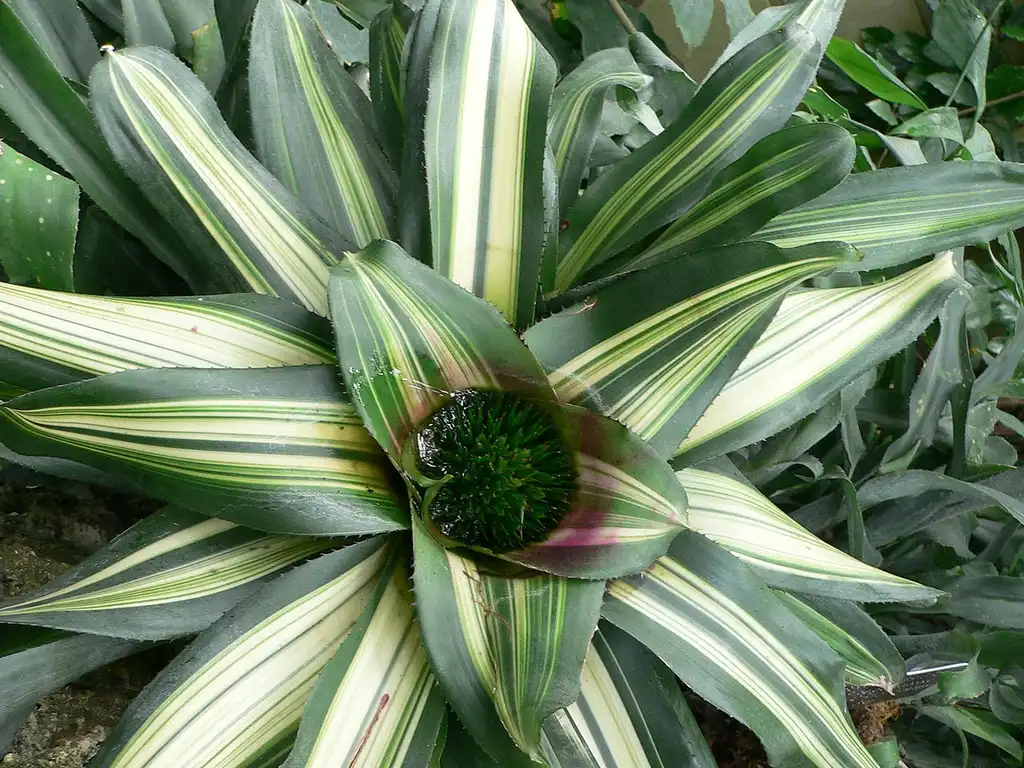
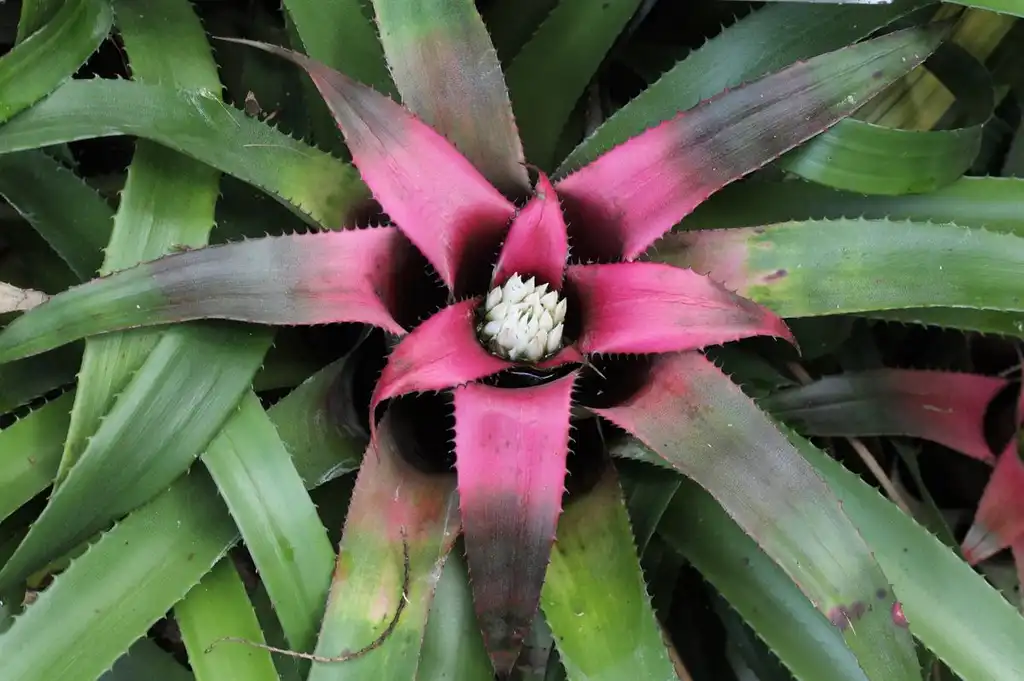
• Photo of Neoregelia (Neoregelias)

Plant Profile: Neoregelia

Taxonomy: Neoregelia

Names

Aregelia, Blushing Bromeliad, Bromeliad, Crimson Cup, Marbled Fingernail, Miniature Marble Plant, Neoregelia, Ossifragi Vase, Striped Blushing

  • Photo of Neoregelia (Neoregelias)

Phonetic Spelling:nee-oh-reg-EL-ee-uh

Genus:Neoregelia

Species:

Family:Bromeliaceae

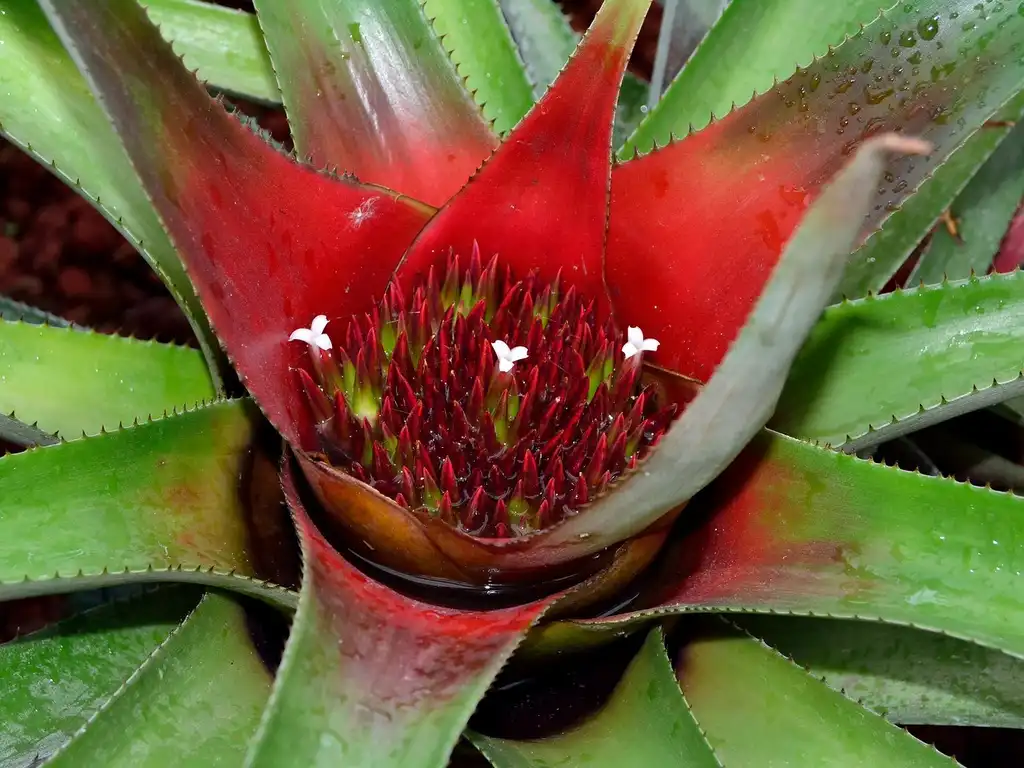
Neoregelias belong to the bromeliad family, encompassing around 100 different species. These compact plants range in height from 2 inches to 1 foot and can spread up to 2 feet wide. They typically develop a central "cup" that collects water and organic matter for nourishment. The leaves are often adorned with spots, bands, or marbling, featuring spines along their edges. Notably, the inner leaves may turn red as the plant prepares to bloom.

These plants thrive in temperatures between 50 and 90 degrees Fahrenheit and require a bright location indoors to enhance their leaf coloration. It is advisable to plant them in a soilless medium to ensure proper drainage. The central cup should be kept filled with fresh water—rainwater is ideal—while allowing the potting medium to dry out completely between watering sessions.

The flowers of Neoregelias are small and emerge from the central cup, with tubular blooms opening gradually. While the flowers are charming, these plants are primarily cultivated for their striking foliage. After flowering, the plant will produce "pups" at its base, which can be separated and repotted once they are sufficiently developed. The original plant will eventually decline and die.

Common issues include leaf spots, bacterial soft rot (particularly in overly moist conditions), scale insects, and mealybugs.

**Quick Identification Tips:**

Neoregelia Feature Summary

Neoregelia Image Gallery

Tags

#white
#evergreen
#houseplant
#blue
#colorful leaves
#interiorscape
#variegated leaves
#winter interest
#fantz
#indoor
#humidity tolerant
#patio planting
#non-toxic for horses
#non-toxic for dogs
#non-toxic for cats
#container plants

Similar Plants

Neoregelia is often confused with:

Neoregelia Feature Summary

Flowers
The white or blue flowers are usually small and contained in the cup. Only a few are open at any given time, but there are many of them, and they open over an extended period.
White
Blue
Leaves
Leaves are in a basal rosette, form a funnel-like central 'vase', are simple, strap-shaped, toothed and spinose. They can be green, silver, maroon, or red and banded, spotted, striped or marbled. The size varies depending on the species and can be from 1 inch to 10 inches long.
Green
Gray/Silver
Variegated
Red/Burgundy
Whole Plant Traits
Cultural Conditions
Partial Shade (Direct sunlight only part of the day, 2-6 hours)
Good Drainage
Very Dry
Landscape
Container
Patio
Houseplants

Neoregelia Attributes

Neoregelia: Country Or Region Of Origin

S. Tropical America
Neoregelia: Life Cycle

Annual
Biennial
Bulb
Perennial
Woody

Neoregelia: Recommended Propagation Strategy

Division
Grafting
Layering
Leaf Cutting
Root Cutting
Seed
Stem Cutting

Neoregelia Flowers

Neoregelia: Flower Description

The white or blue flowers are usually small and contained in the cup. Only a few are open at any given time, but there are many of them, and they open over an extended period.

Neoregelia: Flower Color

filter_vintage
Blue
filter_vintage
White

Neoregelia: Flower Shape

Bell
Cross
Crown
Cup
Dome
Funnel
Irregular
Lipped
Radial
Saucer
Star
Trumpet
Tubular
Urn
Wheel

Neoregelia Leaves

Neoregelia: Leaf Description

Leaves are in a basal rosette, form a funnel-like central 'vase', are simple, strap-shaped, toothed and spinose. They can be green, silver, maroon, or red and banded, spotted, striped or marbled. The size varies depending on the species and can be from 1 inch to 10 inches long.

Neoregelia: Woody Plant Leaf Characteristics

Broadleaf Evergreen
Deciduous
Needled Evergreen
Semi-evergreen

Neoregelia: Leaf Color

spa
Gray/Silver
spa
Green
spa
Red/Burgundy
spa
Variegated

Neoregelia: Leaf Type

Compound (Pinnately , Bipinnately, Palmately)
Fronds
Needles
Sheath
Simple

Neoregelia: Leaf Arrangement

Alternate
Opposite
Other/more complex
Rosulate
Whorled

Neoregelia: Leaf Margin

Crenate
Crenulate
Dentate
Denticulate
Doubly Crenate
Doubly Dentate
Doubly Serrate
Entire
Lobed
Serrate
Sinuate
Undulate

Neoregelia: Hairs Present

No
Yes

Neoregelia: Leaf Value To Gardener

Edible
Fragrant
Good Cut
Good Dried
Long-lasting
Showy

Neoregelia Whole Plant Traits

Neoregelia: Plant Type

Annual
Bulb
Carnivorous
Edible
Epiphyte
Fern
Ground Cover
Herb
Herbaceous Perennial
Houseplant
Mushroom
Native Plant
Ornamental Grasses and Sedges
Perennial
Poisonous
Rose
Shrub
Succulent
Tree
Turfgrass
Vegetable
Vine
Water Plant
Weed
Wildflower

Neoregelia: Woody Plant Leaf Characteristics

Broadleaf Evergreen
Deciduous
Needled Evergreen
Semi-evergreen

Neoregelia: Growth Rate

Slow
Medium
Rapid

Neoregelia: Texture

Fine
Medium
Coarse

Neoregelia: Appendage

Prickles
Spines
Tendrils
Thorns

Neoregelia Cultural Conditions

Neoregelia: Light

Dappled Sunlight (Shade through upper canopy all day)
Deep shade (Less than 2 hours to no direct sunlight)
Full sun (6 or more hours of direct sunlight a day)
Partial Shade (Direct sunlight only part of the day, 2-6 hours)

Neoregelia: Soil Drainage

Frequent Standing Water
Good Drainage
Moist
Occasional Flooding
Occasionally Dry
Occasionally Wet
Very Dry

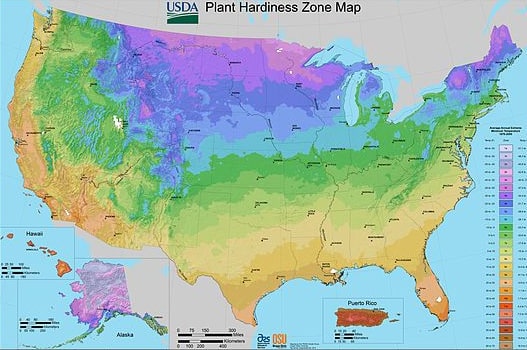
Neoregelia: USDA Plant Hardiness Zone

thermostat
10a
thermostat
10b
thermostat
11a
thermostat
11b

Neoregelia Stem

Neoregelia: Stem Is Aromatic

No
Yes

Neoregelia Landscape

Neoregelia: Resistance To Challenges

Black Walnut
Compaction
Deer
Diseases
Drought
Dry Soil
Erosion
Fire
Foot Traffic
Heat
Heavy Shade
Humidity
Insect Pests
Pollution
Poor Soil
Rabbits
Salt
Slugs
Squirrels
Storm damage
Urban Conditions
Voles
Wet Soil
Wind

Neoregelia: Landscape Location

Coastal
Container
Hanging Baskets
Houseplants
Lawn
Meadow
Naturalized Area
Near Septic
Patio
Pond
Pool/Hardscape
Recreational Play Area
Riparian
Rock Wall
Slope/Bank
Small Space
Vertical Spaces
Walkways
Woodland