Plant Profile: Rhapis excelsa

Taxonomy: Rhapis excelsa

Names

Bamboo Palm, Braodleaf Lady Palm, Fan Tufted Palm, Lady Palm

  • Photo of Rhapis excelsa (Rhapis excelsas)

Phonetic Spelling:RAY-pis ek-SEL-suh

Genus:Rhapis

Species:excelsa

Family:Arecaceae

The Lady Palm is a resilient evergreen fan palm that bears a resemblance to cycads. When cultivated indoors, it thrives in indirect light, tolerates deep shade, and has modest humidity needs. This plant prefers well-draining potting soil and requires regular watering, though this can be reduced during the winter months. Its ability to endure cooler air makes it an excellent choice for placement near doors. During the growing season, applying a balanced slow-release fertilizer is recommended.

**Quick Identification**

Lady Palms are generally resistant to diseases, although they may occasionally exhibit mild leaf spot issues. However, they can be vulnerable to various insect pests, including mites, mealybugs, and scales, particularly in indoor environments.

Rhapis excelsa Feature Summary

Rhapis excelsa Image Gallery

Tags

#evergreen
#houseplant
#drought tolerant
#interiorscape
#palm
#winter interest
#cycad
#fantz
#non-toxic for horses
#non-toxic for dogs
#non-toxic for cats
#heavy shade tolerant
#container plants

Similar Plants

Rhapis excelsa is often confused with:

Rhapis excelsa Feature Summary
Attributes
Fruit
The ripe fruit is fleshy and white
Flowers
Panicles of yellow small bowl-shaped flowers in spring.
Gold/Yellow
< 1 inch
Leaves
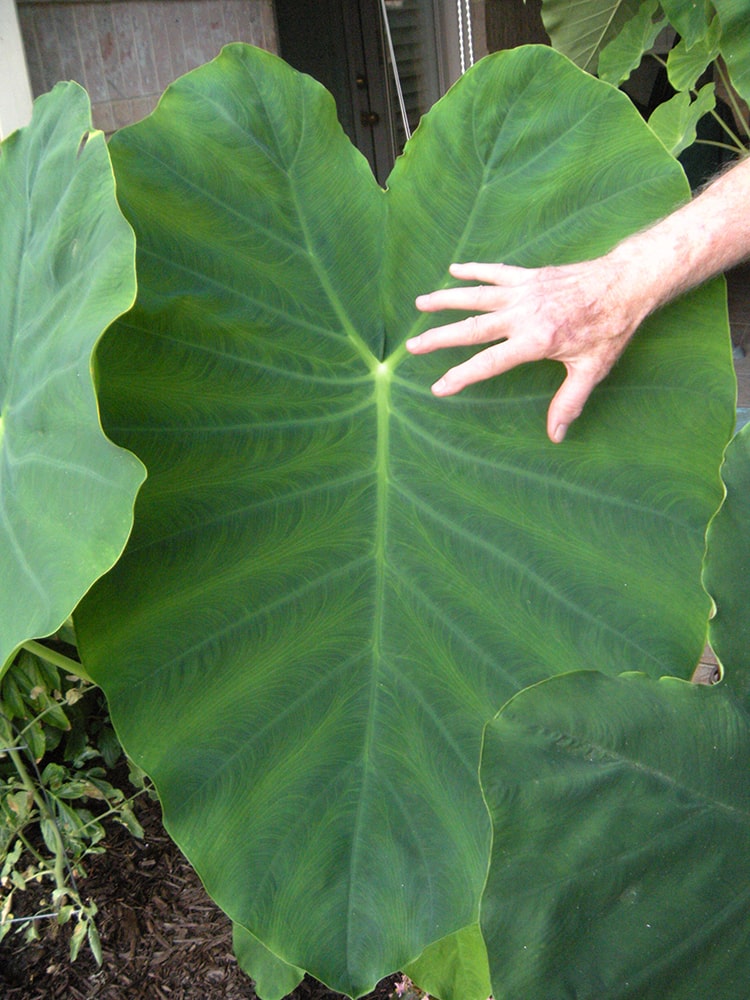
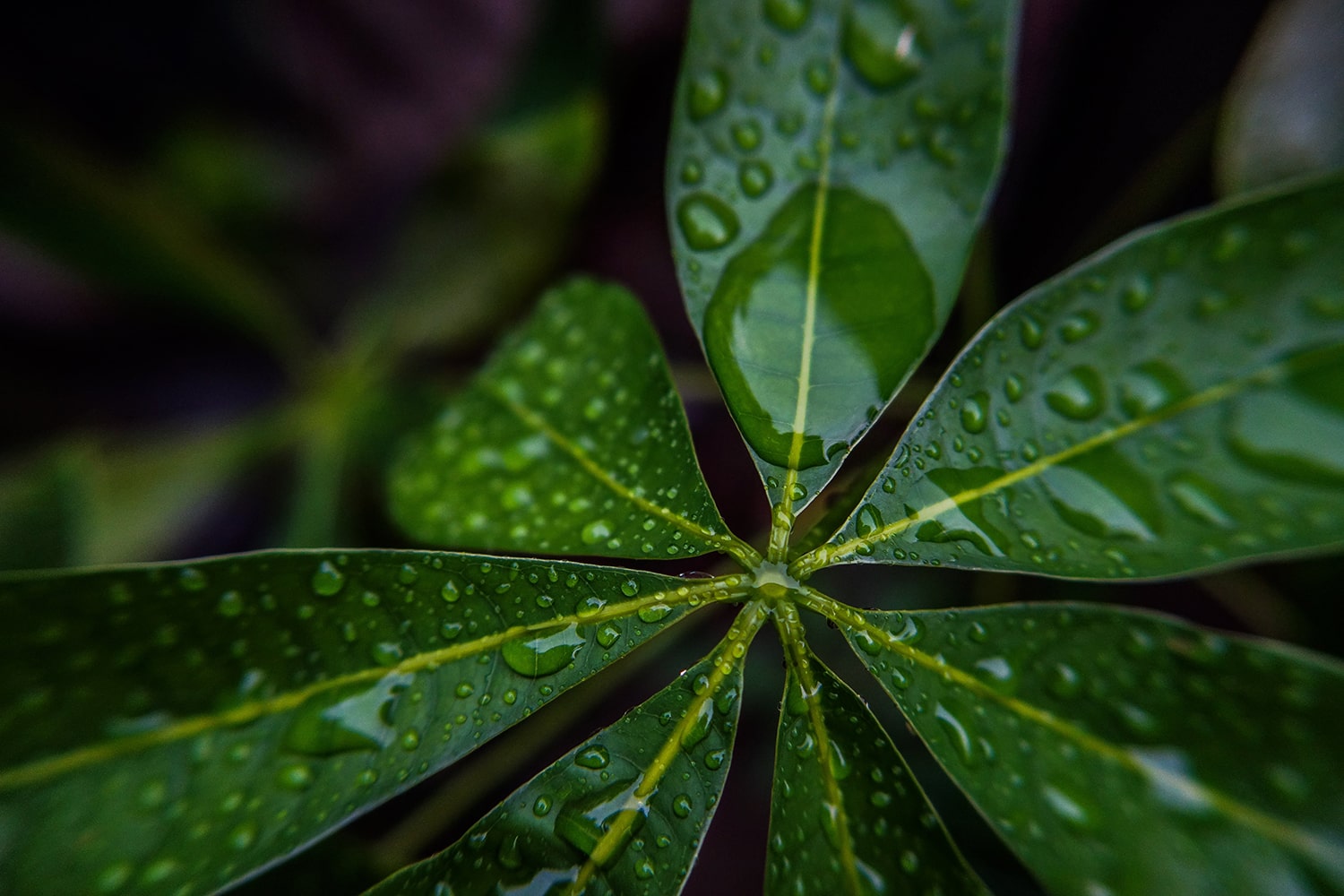
Leaves are palmately dissected, 3-10 segments; segments several-fold, apices truncate and toothed; petiole at least as long as blade.
Compound (Pinnately , Bipinnately, Palmately)
Palmasect
> 6 inches
> 6 inches
Stem
Stems are clumped, slender, reed-like; basal portion covered in coarse fibers.
Brown/Copper
Whole Plant Traits
Houseplant
Erect
Spreading
Cultural Conditions
Partial Shade (Direct sunlight only part of the day, 2-6 hours)
Deep shade (Less than 2 hours to no direct sunlight)
Good Drainage
Moist
Loam (Silt)
Landscape
Drought
Heavy Shade
Container
Houseplants

Rhapis excelsa Attributes

Rhapis excelsa: Country Or Region Of Origin

China and Vietnam

Rhapis excelsa: Life Cycle

Annual
Biennial
Bulb
Perennial
Woody

Rhapis excelsa: Recommended Propagation Strategy

Division
Grafting
Layering
Leaf Cutting
Root Cutting
Seed
Stem Cutting

Rhapis excelsa Fruit

Rhapis excelsa: Fruit Description

The ripe fruit is fleshy and white

Rhapis excelsa: Fruit Color

grass
White

Rhapis excelsa Flowers

Rhapis excelsa: Flower Description

Panicles of yellow small bowl-shaped flowers in spring.

Rhapis excelsa: Flower Color

filter_vintage
Gold/Yellow

Rhapis excelsa: Flower Inflorescence

Catkin
Corymb
Cyme
Head
Insignificant
Panicle
Raceme
Solitary
Spadix
Spike
Umbel

Rhapis excelsa: Flower Value To Gardener

Edible
Fragrant
Good Cut
Good Dried
Long Bloom Season
Long-lasting
Showy

Rhapis excelsa: Flower Bloom Time

Winter
Spring
Summer
Fall

Rhapis excelsa: Flower Shape

Bell
Cross
Crown
Cup
Dome
Funnel
Irregular
Lipped
Radial
Saucer
Star
Trumpet
Tubular
Urn
Wheel

Rhapis excelsa: Flower Size

1-3 inches
3-6 inches
< 1 inch
> 6 inches

Rhapis excelsa Leaves

Rhapis excelsa: Leaf Description

Leaves are palmately dissected, 3-10 segments; segments several-fold, apices truncate and toothed; petiole at least as long as blade.

Rhapis excelsa: Woody Plant Leaf Characteristics

Broadleaf Evergreen
Deciduous
Needled Evergreen
Semi-evergreen

Rhapis excelsa: Leaf Color

spa
Green

Rhapis excelsa: Leaf Type

Compound (Pinnately , Bipinnately, Palmately)
Fronds
Needles
Sheath
Simple

Rhapis excelsa: Leaf Shape

Acicular
Auriculate
Cordate
Cuneate
Deltoid
Elliptical
Filiform
Lanceolate
Linear
Oblanceolate
Oblong
Obovate
Obtuse
Orbicular
Ovate
Palmasect
Palmatifid
Peltate
Pinnatifid
Pinnatisect
Reniform
Rhomboidal
Spatulate
Subcordate
Subulate

Rhapis excelsa: Hairs Present

No
Yes

Rhapis excelsa: Leaf Length

< 1 inch
1-3 inches
3-6 inches
> 6 inches

Rhapis excelsa: Leaf Feel

Fleshy
Glossy
Leathery
Papery
Prickly
Rough
Rubbery
Slippery
Smooth
Soft
Velvety
Waxy

Rhapis excelsa: Leaf Value To Gardener

Edible
Fragrant
Good Cut
Good Dried
Long-lasting
Showy

Rhapis excelsa: Leaf Width

< 1 inch
1-3 inches
3-6 inches
> 6 inches

Rhapis excelsa Stem

Rhapis excelsa: Stem Description

Stems are clumped, slender, reed-like; basal portion covered in coarse fibers.

Rhapis excelsa: Stem Color

grass
Brown/Copper

Rhapis excelsa: Stem Is Aromatic

No
Yes

Rhapis excelsa Whole Plant Traits

Rhapis excelsa: Plant Type

Annual
Bulb
Carnivorous
Edible
Epiphyte
Fern
Ground Cover
Herb
Herbaceous Perennial
Houseplant
Mushroom
Native Plant
Ornamental Grasses and Sedges
Perennial
Poisonous
Rose
Shrub
Succulent
Tree
Turfgrass
Vegetable
Vine
Water Plant
Weed
Wildflower

Rhapis excelsa: Woody Plant Leaf Characteristics

Broadleaf Evergreen
Deciduous
Needled Evergreen
Semi-evergreen

Rhapis excelsa: Habit/Form

Arching
Ascending
Broad
Cascading
Climbing
Clumping
Columnar
Conical
Creeping
Dense
Erect
Horizontal
Irregular
Mounding
Multi-stemmed
Multi-trunked
Open
Oval
Prostrate
Pyramidal
Rounded
Spreading
Vase
Weeping

Rhapis excelsa: Maintenance

Low
Medium
High

Rhapis excelsa Cultural Conditions

Rhapis excelsa: Light

Dappled Sunlight (Shade through upper canopy all day)
Deep shade (Less than 2 hours to no direct sunlight)
Full sun (6 or more hours of direct sunlight a day)
Partial Shade (Direct sunlight only part of the day, 2-6 hours)

Rhapis excelsa: Soil Drainage

Frequent Standing Water
Good Drainage
Moist
Occasional Flooding
Occasionally Dry
Occasionally Wet
Very Dry

Rhapis excelsa: USDA Plant Hardiness Zone

thermostat
10a
thermostat
10b
thermostat
11a
thermostat
11b
thermostat
9a
thermostat
9b

Rhapis excelsa: Soil Texture

Clay
High Organic Matter
Loam (Silt)
Sand
Shallow Rocky

Rhapis excelsa Landscape

Rhapis excelsa: Resistance To Challenges

Black Walnut
Compaction
Deer
Diseases
Drought
Dry Soil
Erosion
Fire
Foot Traffic
Heat
Heavy Shade
Humidity
Insect Pests
Pollution
Poor Soil
Rabbits
Salt
Slugs
Squirrels
Storm damage
Urban Conditions
Voles
Wet Soil
Wind

Rhapis excelsa: Landscape Location

Coastal
Container
Hanging Baskets
Houseplants
Lawn
Meadow
Naturalized Area
Near Septic
Patio
Pond
Pool/Hardscape
Recreational Play Area
Riparian
Rock Wall
Slope/Bank
Small Space
Vertical Spaces
Walkways
Woodland