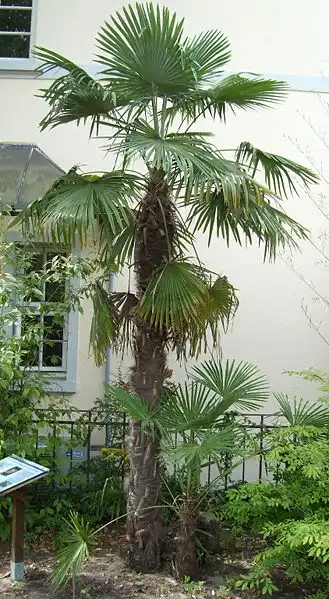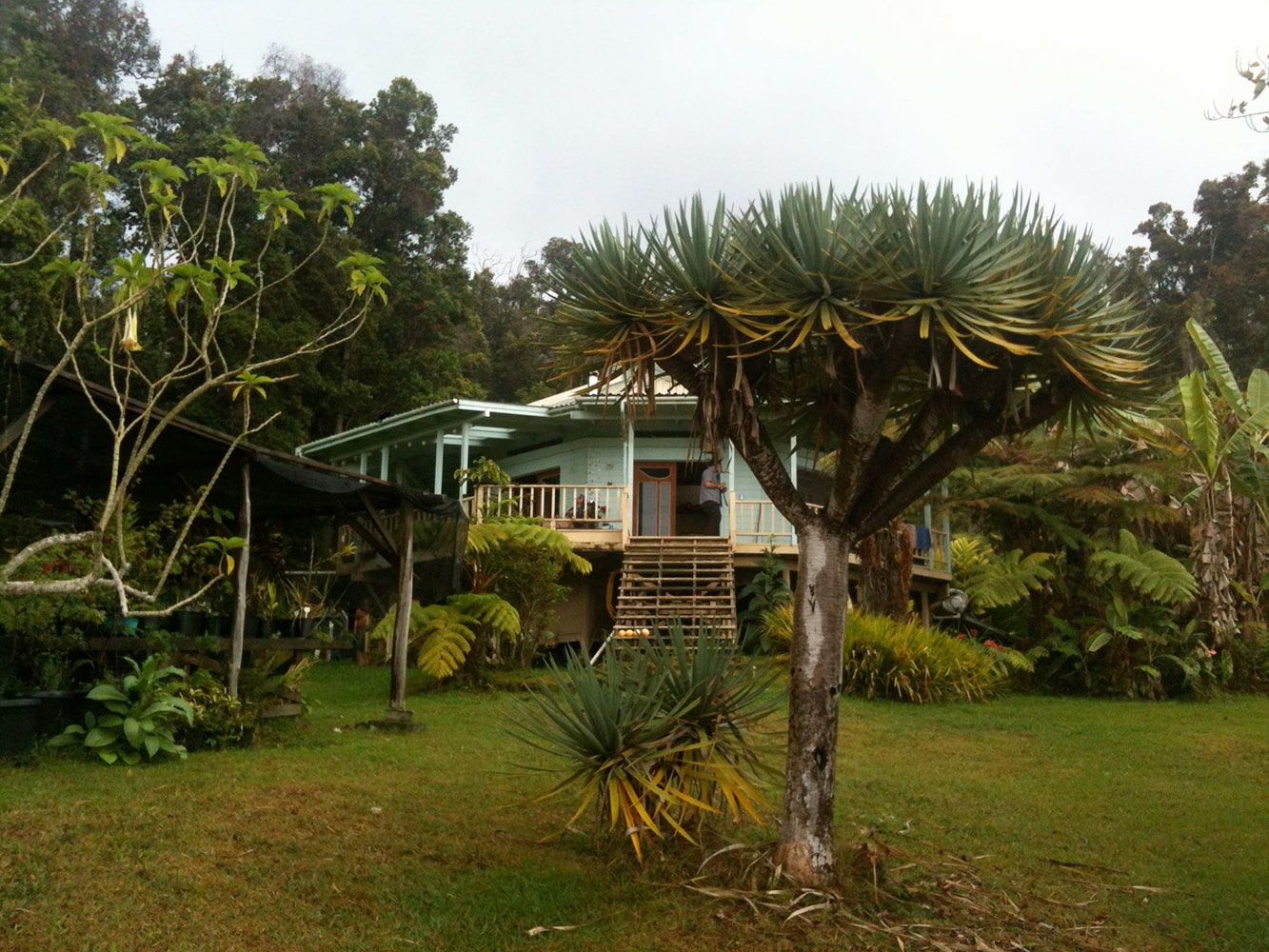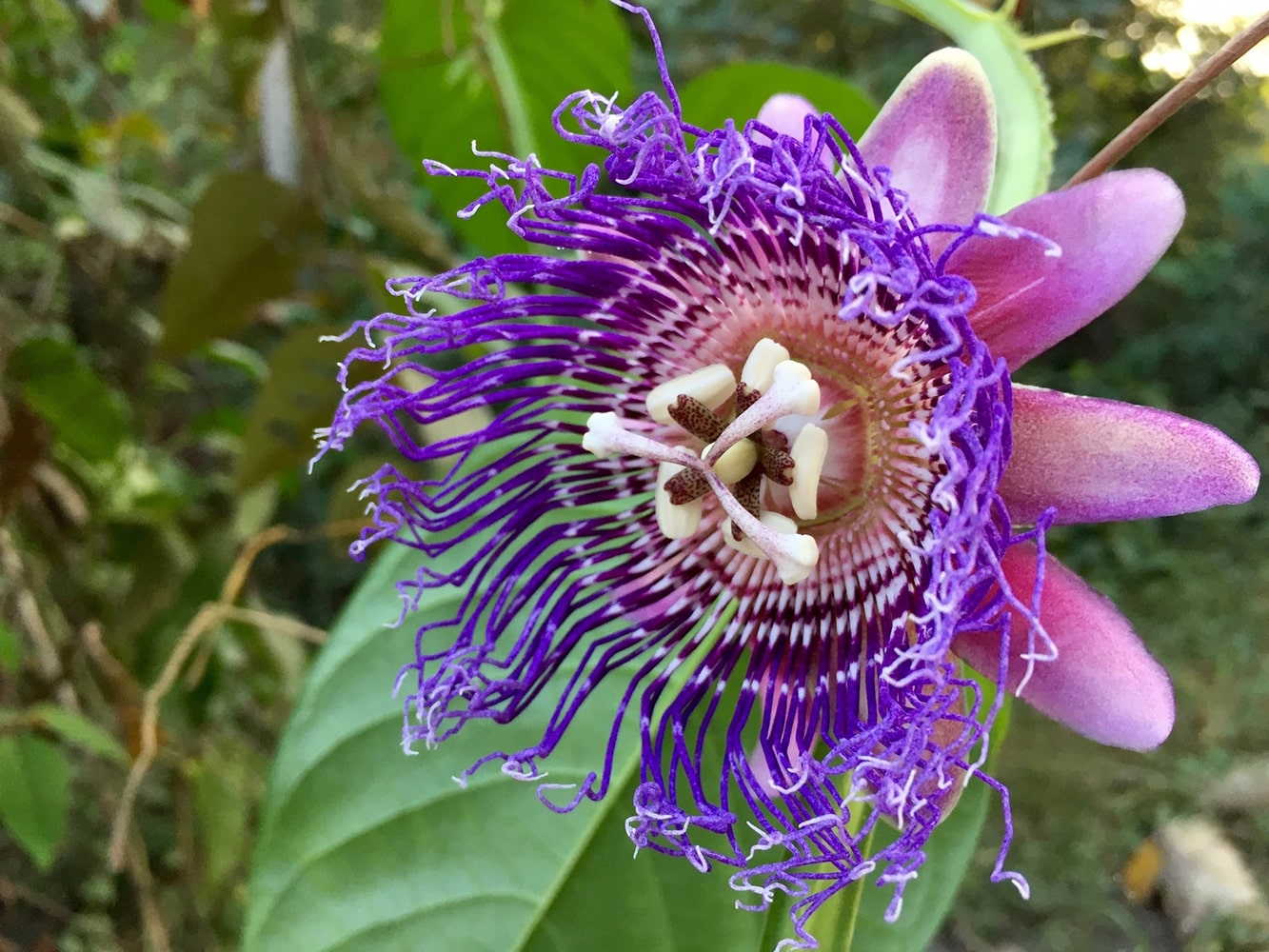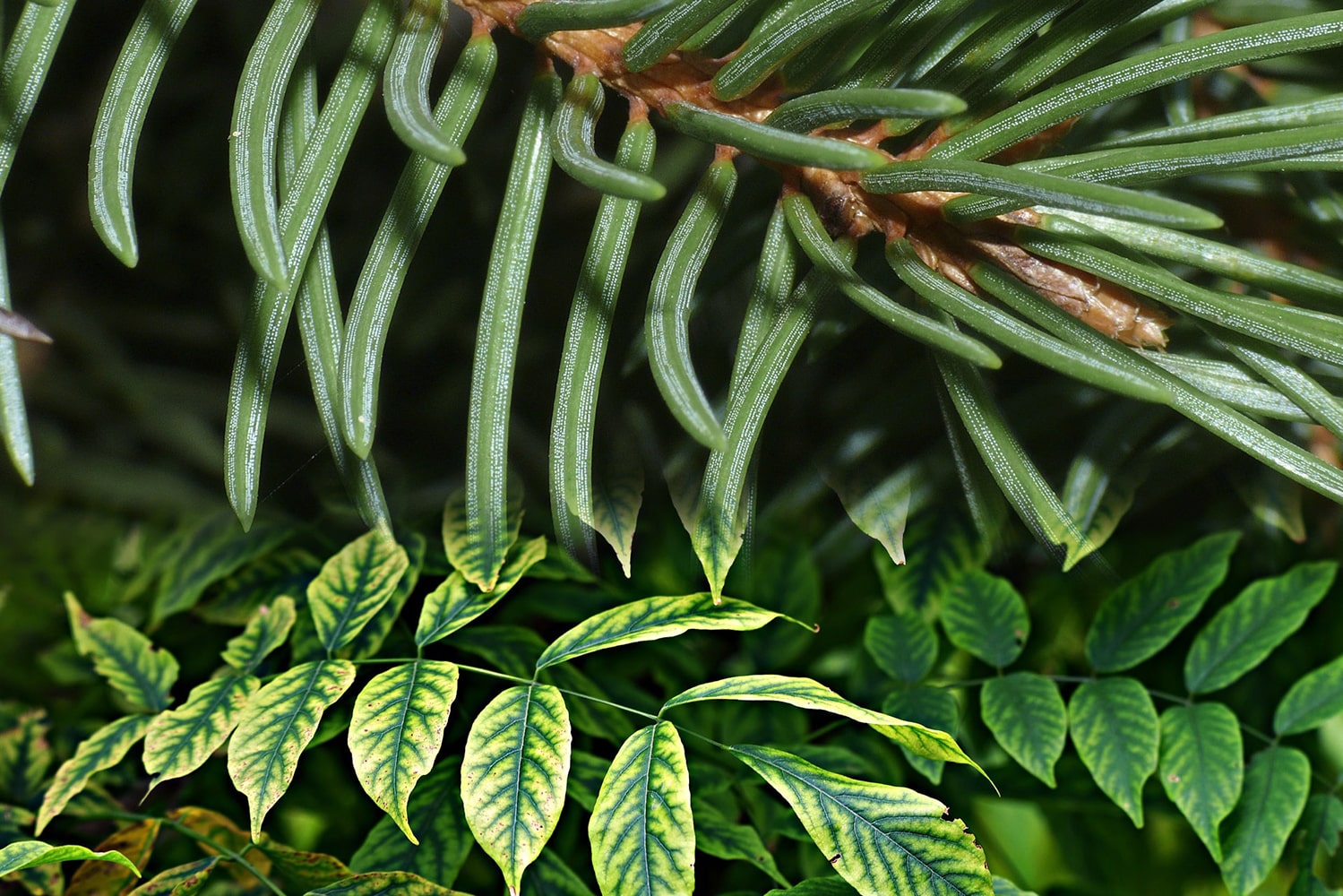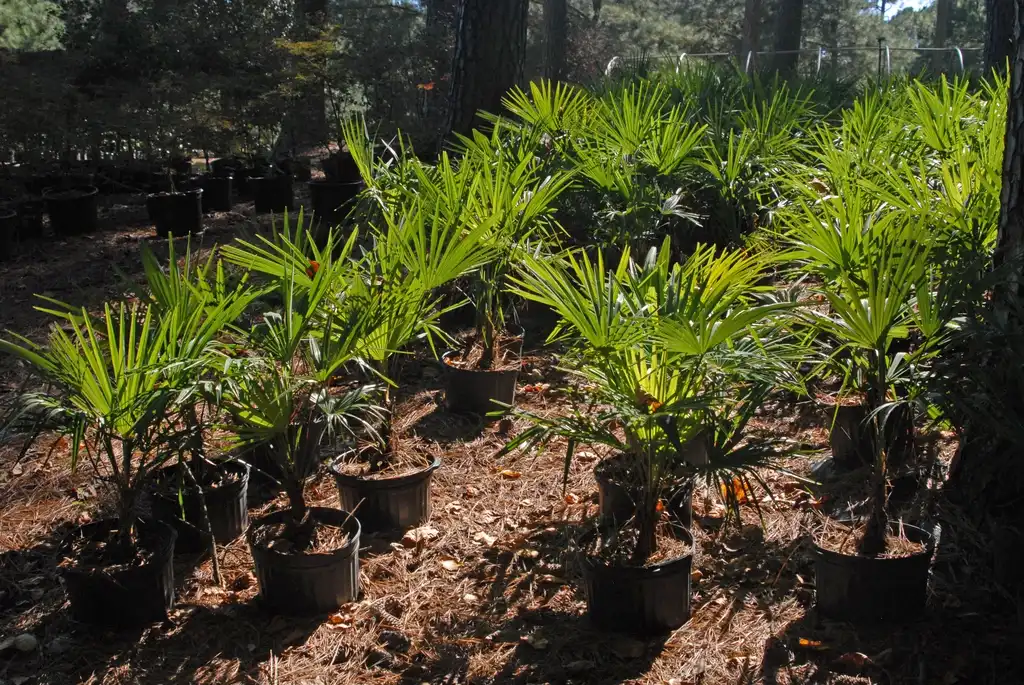
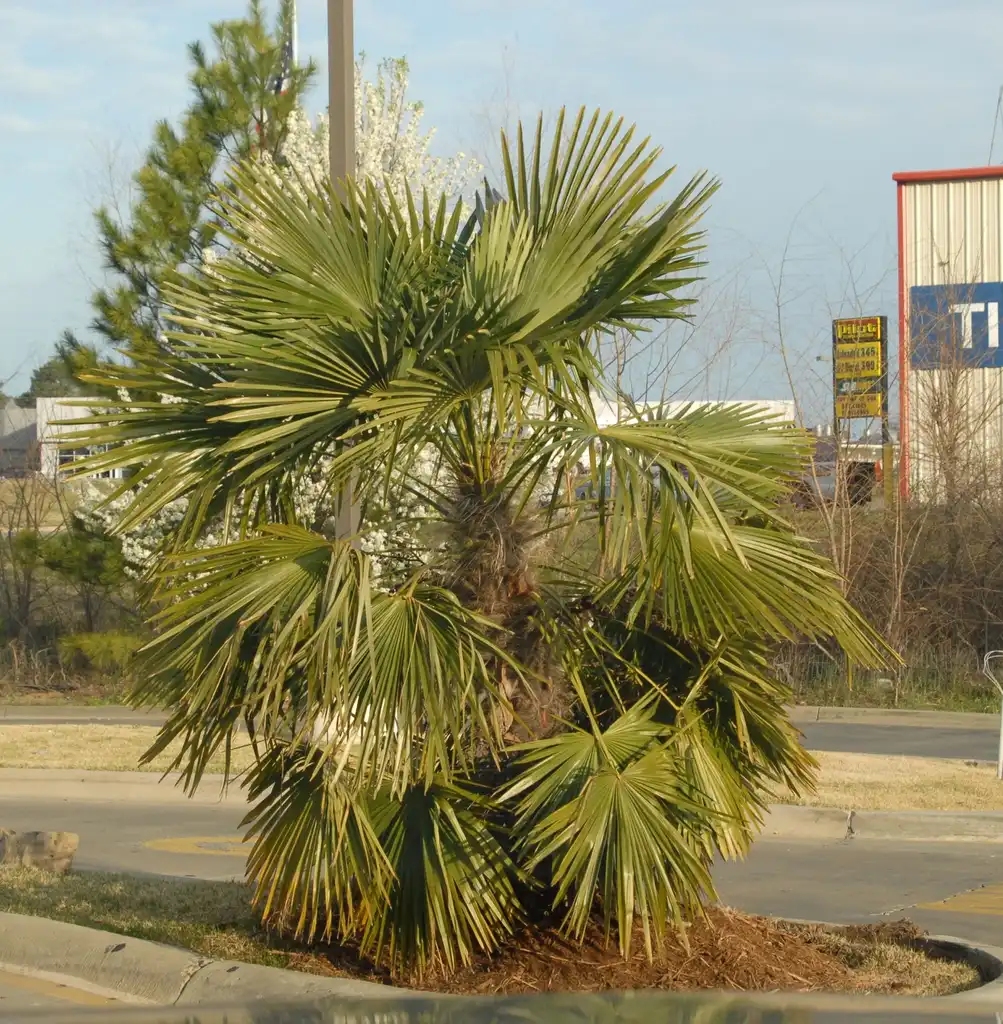
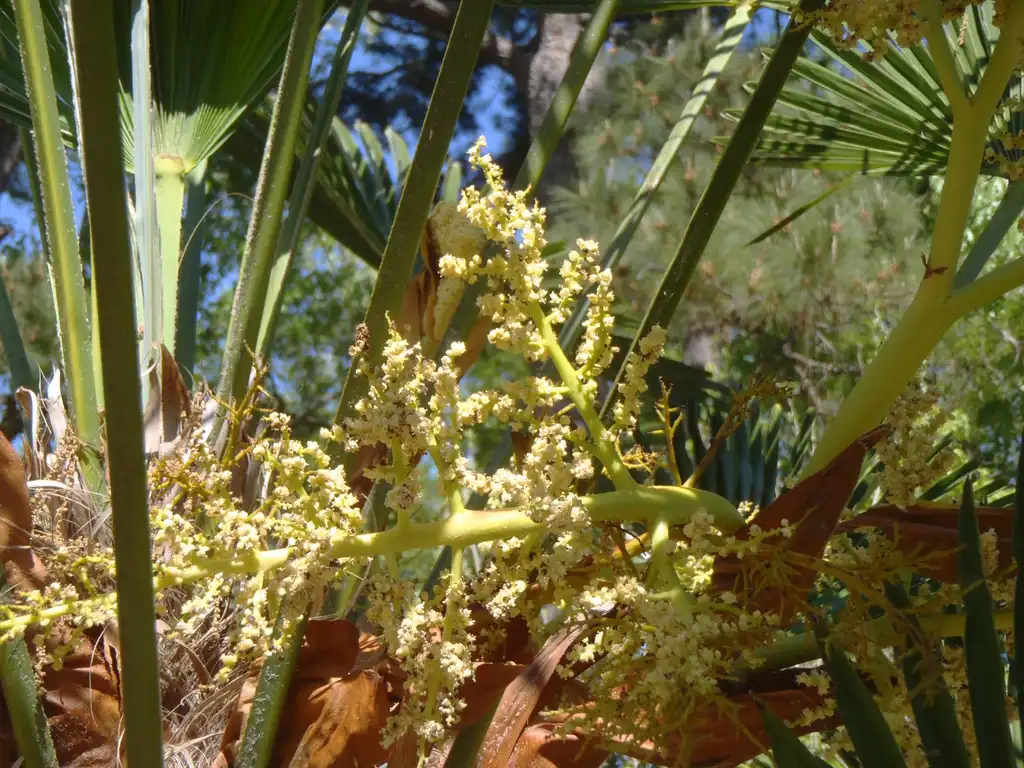
• Photo of Trachycarpus fortunei (Trachycarpus fortuneis)

Plant Profile: Trachycarpus fortunei

Taxonomy: Trachycarpus fortunei

Names

Chinese Windmill Palm, Chusan Palm, Fortunes Palm, Windmill Palm

  • Photo of Trachycarpus fortunei (Trachycarpus fortuneis)

Phonetic Spelling:trak-ee-KAR-pus for-TOO-nee-eye

Genus:Trachycarpus

Species:fortunei

Family:Arecaceae

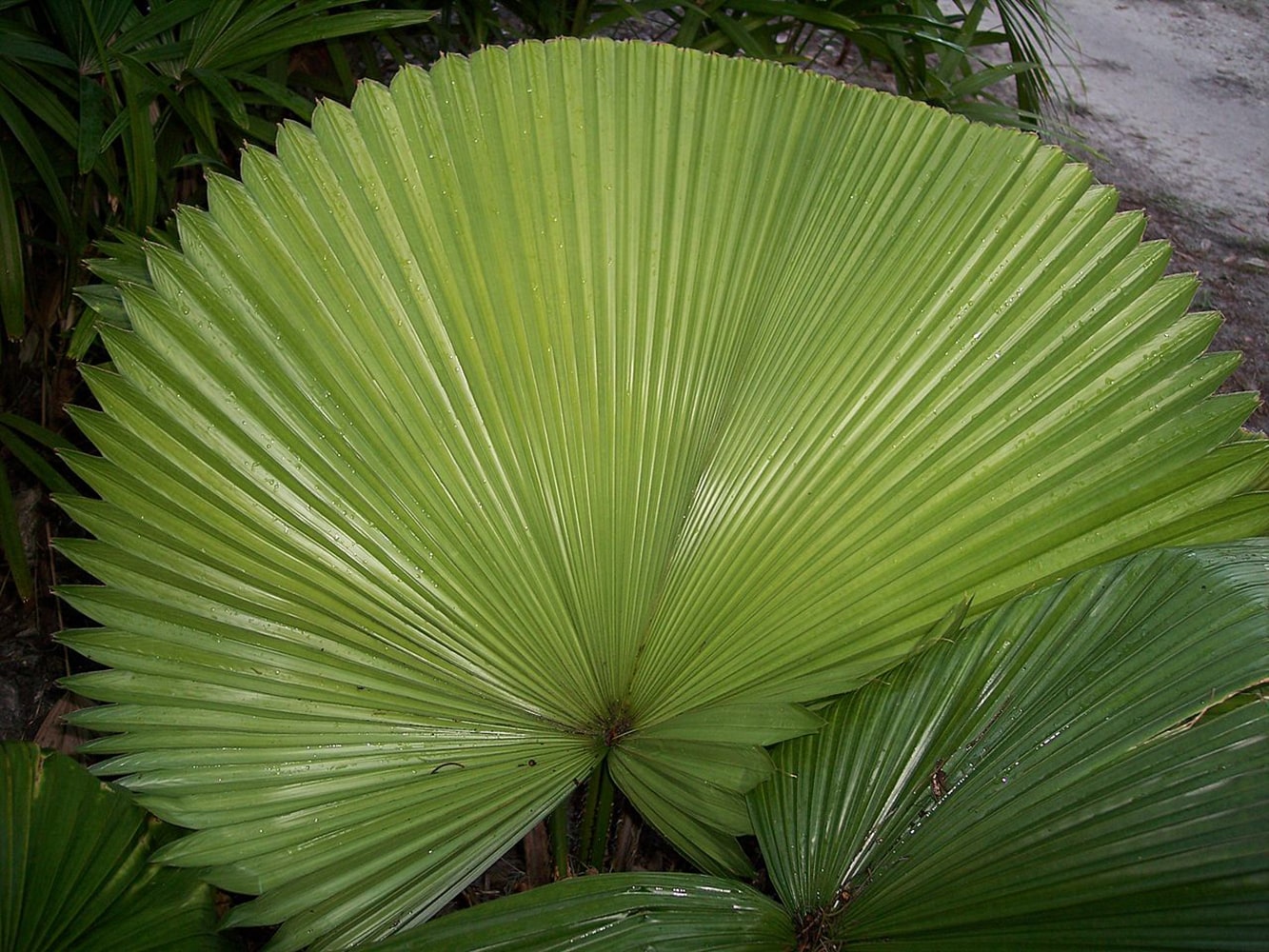
A palm tree belonging to the Arecaceae family adds a touch of the tropics to any garden. It serves beautifully as a standout specimen or can be grouped in small clusters. This tree is perfect for framing entrances or garden pathways. Its trunk is solitary and has a shaggy appearance due to the remnants of dried petioles from fallen leaves. The fibers from its leaves are commonly utilized in weaving. The leaves, which fan out from the top of the tree, resemble a windmill, which is how it earned its common name. It can thrive in large pots and can be brought indoors during winter in colder regions. When placed in a sheltered spot, it can withstand conditions down to zone 7. This palm also shows moderate tolerance to salt. The genus name, Trachycarpus, is derived from Greek, meaning "rough fruit."

**Seasonal Interest:**
- **Foliage:** Evergreen
- **Bloom:** Summer, specifically June to July
- **Bark:** Winter

**Wildlife Value:** This palm is rarely affected by deer.

**Insects, Diseases, and Other Plant Issues:** It faces no significant insect or disease threats. While it demonstrates impressive winter hardiness, it may struggle in the cooler areas of the state.

**Quick Identification**

Trachycarpus fortunei Feature Summary

Trachycarpus fortunei Image Gallery

Tags

#evergreen
#specimen
#showy
#salt tolerant
#palm
#winter interest
#playground
#cpp
#deer resistant
#children's garden
#fantz
#non-toxic for horses
#non-toxic for dogs
#non-toxic for cats
#tropical feel
#container plants

Similar Plants

Trachycarpus fortunei is often confused with:

Trachycarpus fortunei Feature Summary

Attributes
In China, this plant is often used in the making of rope, brooms, mat, and cloth.
Central and eastern China.
Textural
Leaves
Leaves are fan-shaped to circular, palmately dissected, 15-19 segments; segments linear, single-fold, apices slightly drooping.
Compound (Pinnately , Bipinnately, Palmately)
Bark
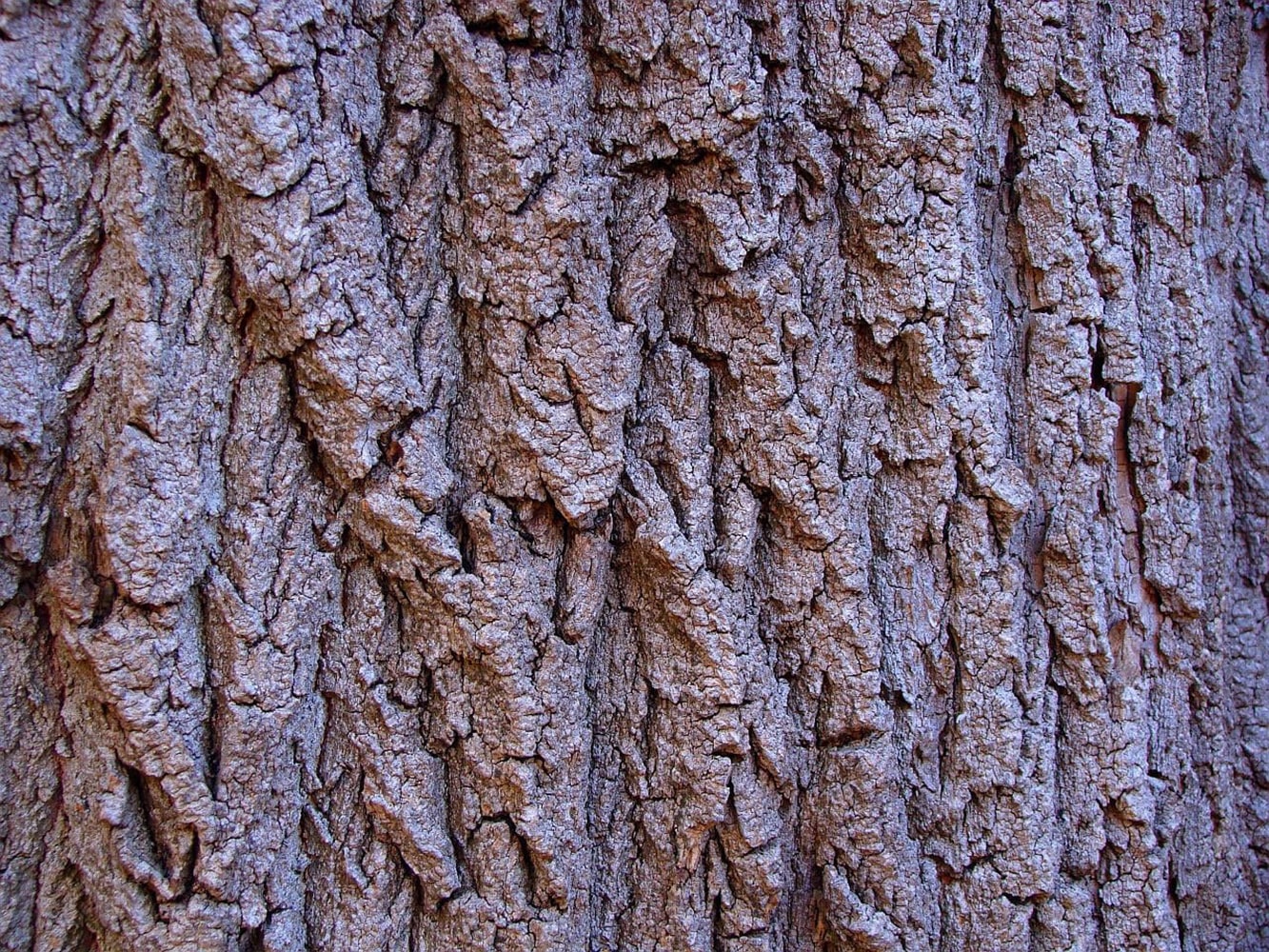
The bark is fibrous
Stem
Stems are clustered. The basal portion is covered with fibrous leaf bases; petioles to 3 ft, sharply dentate.
Whole Plant Traits
Cultural Conditions
Full sun (6 or more hours of direct sunlight a day)
Partial Shade (Direct sunlight only part of the day, 2-6 hours)
Good Drainage
Moist
Coastal
7a
7b
8b
8a
9a
9b
10a
10b
11a
11b
Fruit
Flowers
Gold/Yellow
Green
Spring
Summer
Landscape
Children's Garden
Winter Garden
Container
Recreational Play Area

Trachycarpus fortunei Attributes

Trachycarpus fortunei: Uses (Ethnobotany)

In China, this plant is often used in the making of rope, brooms, mat, and cloth.
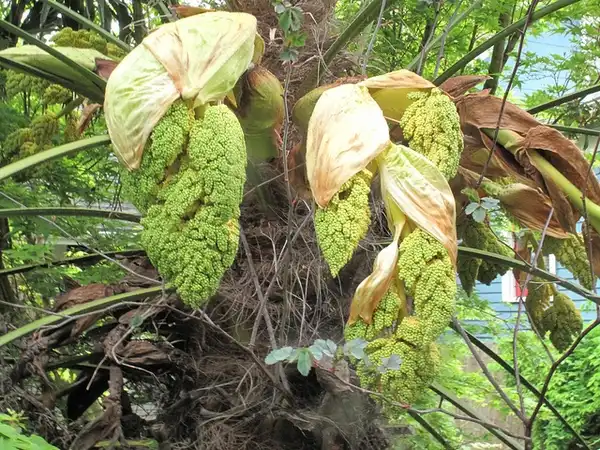
Trachycarpus fortunei: Country Or Region Of Origin

Central and eastern China.

Trachycarpus fortunei: Play Value

Attractive Flowers
Attracts Pollinators
Buffer
Colorful
Defines Paths
Easy to Grow
Edible fruit
Fragrance
Pieces Used in Games
Screening
Shade
Sound
Textural
Wildlife Cover/Habitat
Wildlife Food Source
Wildlife Larval Host
Wildlife Nesting
Wind Break
Wind Shimmer

Trachycarpus fortunei Leaves

Trachycarpus fortunei: Leaf Description

Leaves are fan-shaped to circular, palmately dissected, 15-19 segments; segments linear, single-fold, apices slightly drooping.

Trachycarpus fortunei: Woody Plant Leaf Characteristics

Broadleaf Evergreen
Deciduous
Needled Evergreen
Semi-evergreen

Trachycarpus fortunei: Leaf Color

spa
Green

Trachycarpus fortunei: Leaf Type

Compound (Pinnately , Bipinnately, Palmately)
Fronds
Needles
Sheath
Simple

Trachycarpus fortunei: Leaf Shape

Acicular
Auriculate
Cordate
Cuneate
Deltoid
Elliptical
Filiform
Lanceolate
Linear
Oblanceolate
Oblong
Obovate
Obtuse
Orbicular
Ovate
Palmasect
Palmatifid
Peltate
Pinnatifid
Pinnatisect
Reniform
Rhomboidal
Spatulate
Subcordate
Subulate

Trachycarpus fortunei: Hairs Present

No
Yes

Trachycarpus fortunei Bark

Trachycarpus fortunei: Bark Description

The bark is fibrous

Trachycarpus fortunei: Surface/Attachment

Bumpy
Exfoliating
Fissured
Furrowed
Lenticels
Papery
Patchy
Peeling
Ridges
Scaly
Shaggy
Shiny
Shredding
Smooth
Spongy

Trachycarpus fortunei Stem

Trachycarpus fortunei: Stem Description

Stems are clustered. The basal portion is covered with fibrous leaf bases; petioles to 3 ft, sharply dentate.

Trachycarpus fortunei: Stem Is Aromatic

No
Yes

Trachycarpus fortunei Whole Plant Traits

Trachycarpus fortunei: Plant Type

Annual
Bulb
Carnivorous
Edible
Epiphyte
Fern
Ground Cover
Herb
Herbaceous Perennial
Houseplant
Mushroom
Native Plant
Ornamental Grasses and Sedges
Perennial
Poisonous
Rose
Shrub
Succulent
Tree
Turfgrass
Vegetable
Vine
Water Plant
Weed
Wildflower

Trachycarpus fortunei: Woody Plant Leaf Characteristics

Broadleaf Evergreen
Deciduous
Needled Evergreen
Semi-evergreen

Trachycarpus fortunei: Growth Rate

Slow
Medium
Rapid

Trachycarpus fortunei: Maintenance

Low
Medium
High

Trachycarpus fortunei: Texture

Fine
Medium
Coarse

Trachycarpus fortunei Cultural Conditions

Trachycarpus fortunei: Light

Dappled Sunlight (Shade through upper canopy all day)
Deep shade (Less than 2 hours to no direct sunlight)
Full sun (6 or more hours of direct sunlight a day)
Partial Shade (Direct sunlight only part of the day, 2-6 hours)

Trachycarpus fortunei: Soil Drainage

Frequent Standing Water
Good Drainage
Moist
Occasional Flooding
Occasionally Dry
Occasionally Wet
Very Dry

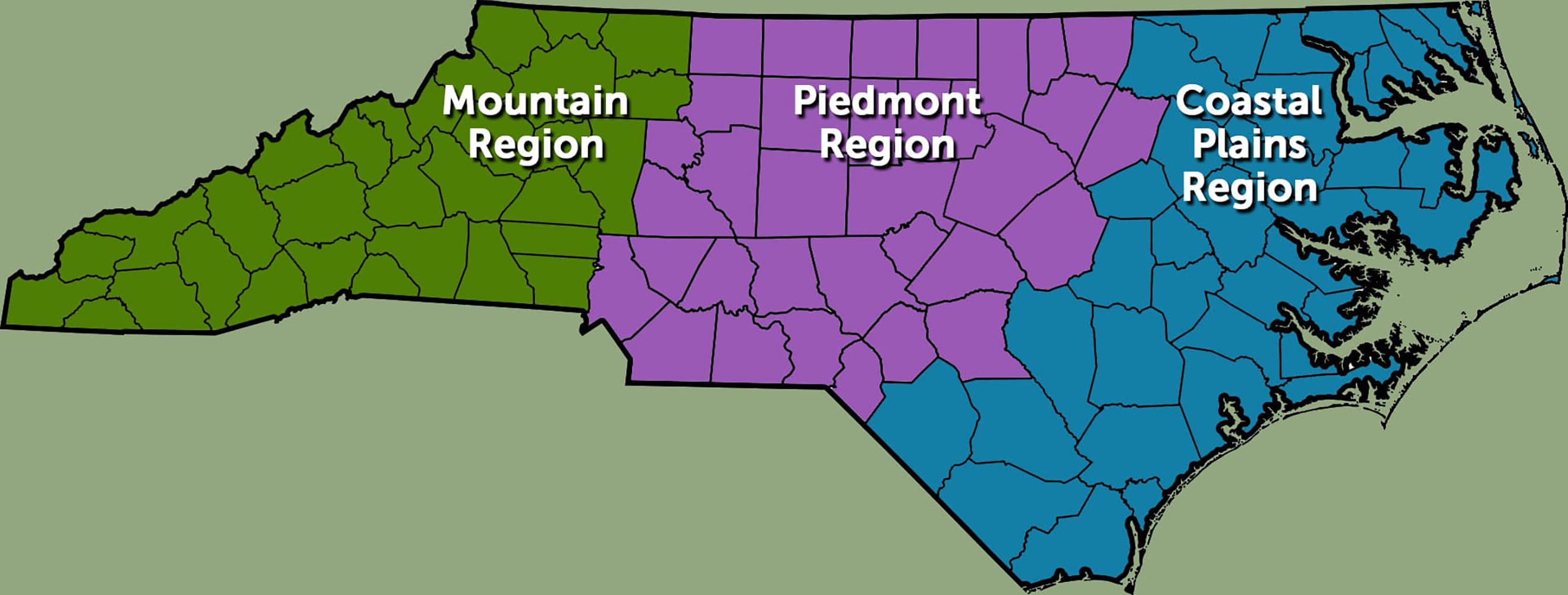
Trachycarpus fortunei: NC Region

Coastal
Mountains
Piedmont

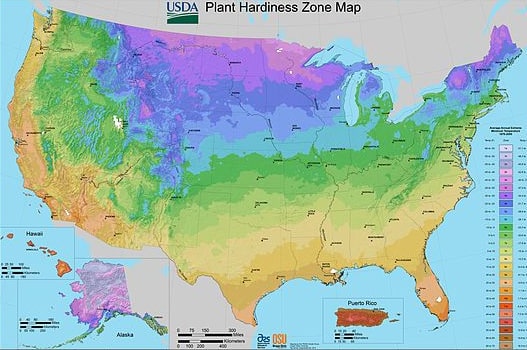
Trachycarpus fortunei: USDA Plant Hardiness Zone

thermostat
10a
thermostat
10b
thermostat
11a
thermostat
11b
thermostat
7a
thermostat
7b
thermostat
8a
thermostat
8b
thermostat
9a
thermostat
9b

Trachycarpus fortunei Fruit

Trachycarpus fortunei: Fruit Color

grass
Blue
grass
Gold/Yellow

Trachycarpus fortunei: Display/Harvest Time

Fall
Spring
Summer
Winter

Trachycarpus fortunei Flowers

Trachycarpus fortunei: Flower Color

filter_vintage
Gold/Yellow
filter_vintage
Green

Trachycarpus fortunei: Flower Bloom Time

Winter
Spring
Summer
Fall

Trachycarpus fortunei Landscape

Trachycarpus fortunei: Landscape Theme

Asian Garden
Butterfly Garden
Children's Garden
Cottage Garden
Cutting Garden
Drought Tolerant Garden
Edible Garden
English Garden
Fairy Garden
Garden for the Blind
Native Garden
Nighttime Garden
Pollinator Garden
Rain Garden
Rock Garden
Shade Garden
Water Garden
Winter Garden

Trachycarpus fortunei: Design Feature

Accent
Barrier
Border
Flowering Tree
Foundation Planting
Hedge
Mass Planting
Screen/Privacy
Security
Shade Tree
Small groups
Small Tree
Specimen
Street Tree
Understory Tree

Trachycarpus fortunei: Resistance To Challenges

Black Walnut
Compaction
Deer
Diseases
Drought
Dry Soil
Erosion
Fire
Foot Traffic
Heat
Heavy Shade
Humidity
Insect Pests
Pollution
Poor Soil
Rabbits
Salt
Slugs
Squirrels
Storm damage
Urban Conditions
Voles
Wet Soil
Wind

Trachycarpus fortunei: Landscape Location

Coastal
Container
Hanging Baskets
Houseplants
Lawn
Meadow
Naturalized Area
Near Septic
Patio
Pond
Pool/Hardscape
Recreational Play Area
Riparian
Rock Wall
Slope/Bank
Small Space
Vertical Spaces
Walkways
Woodland