Begonia grandis: Country Or Region Of Origin
Southern China, Japan
Phonetic Spelling:beh-GO-nee-ah GRAN-dis
Genus:Begonia
Species:grandis
Family:Begoniaceae
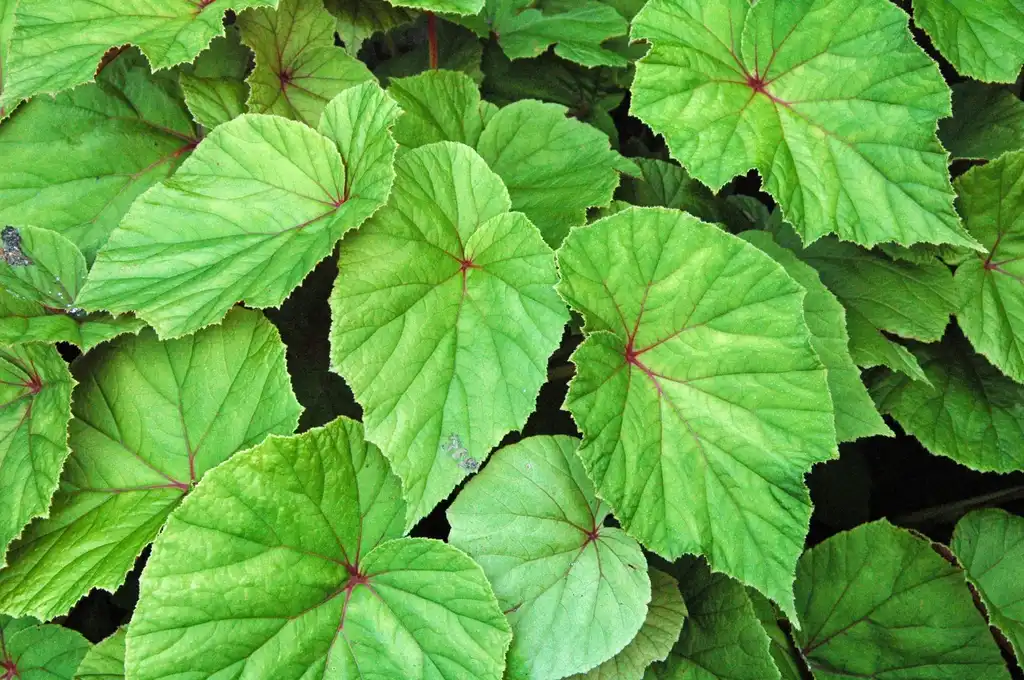
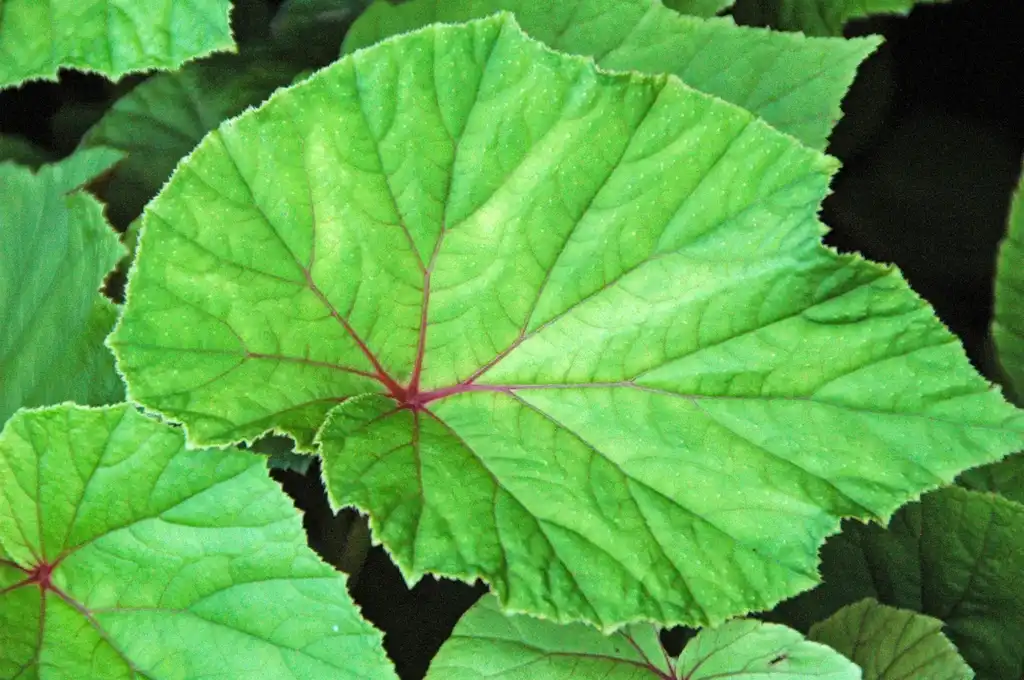
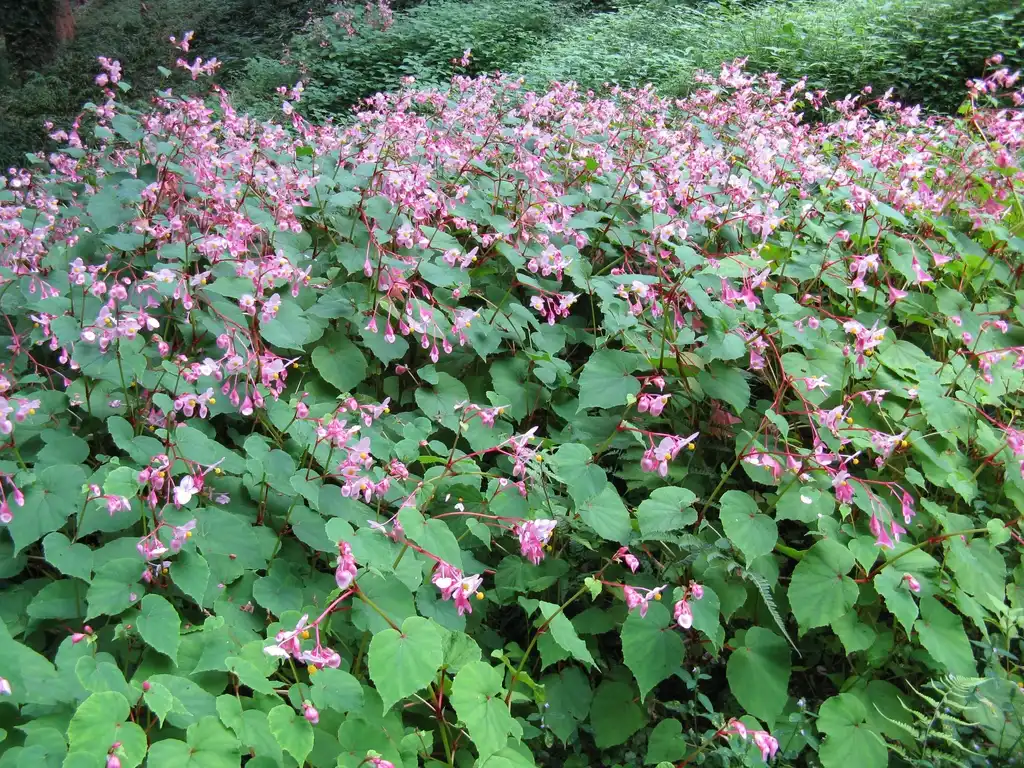
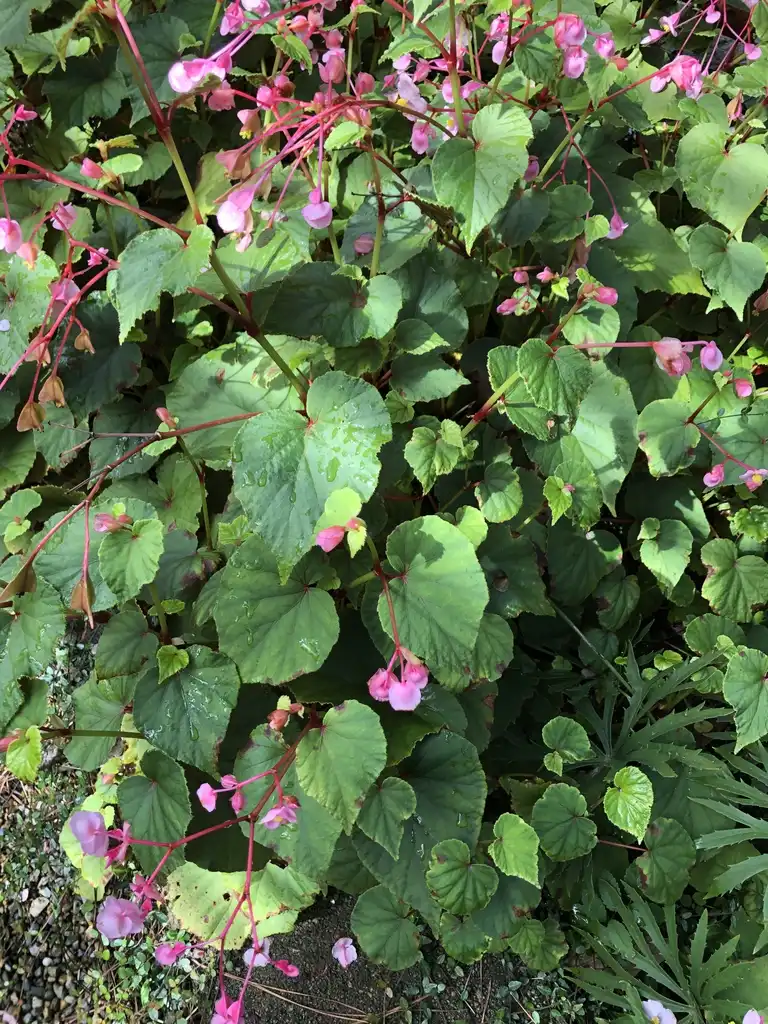
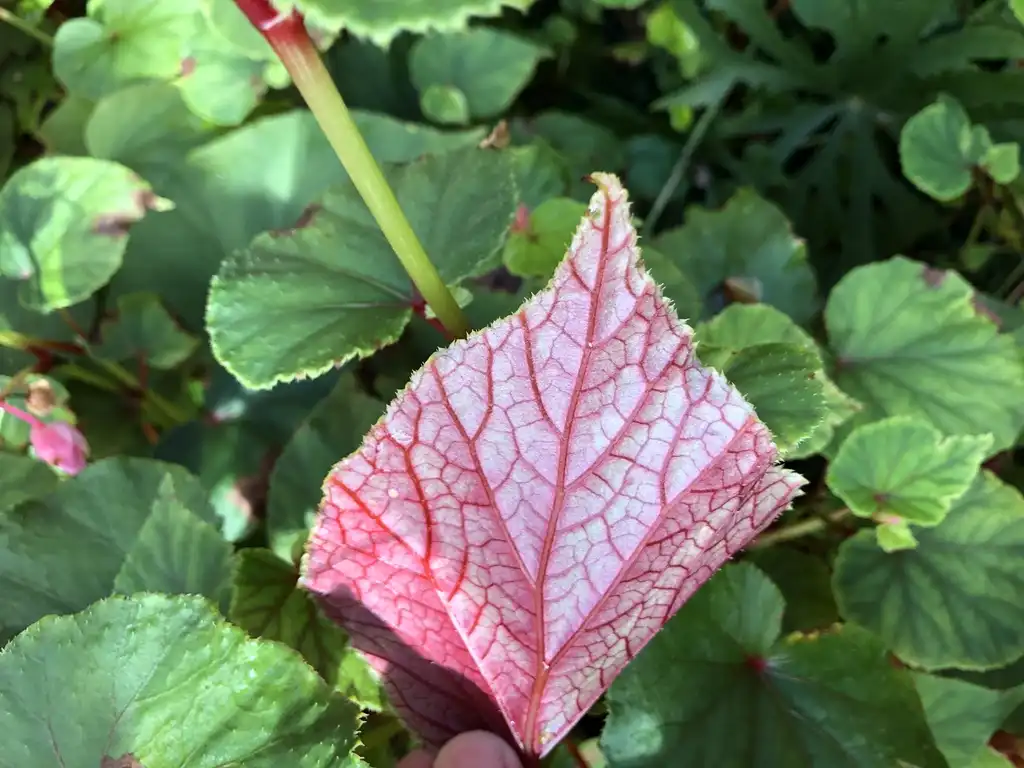
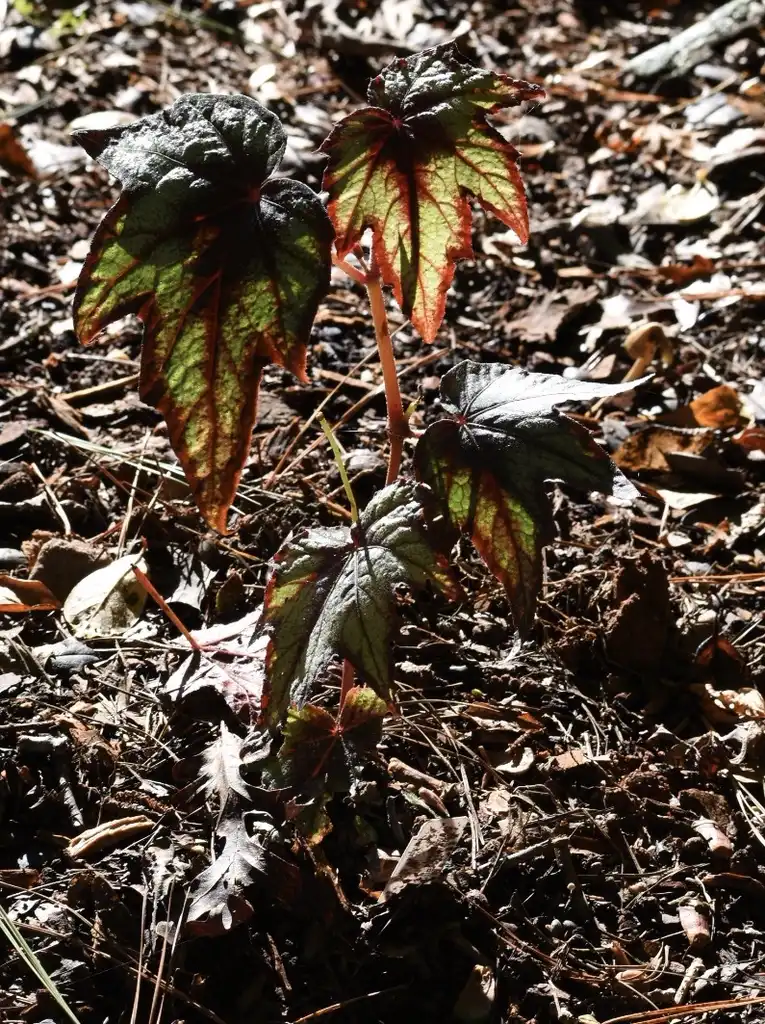
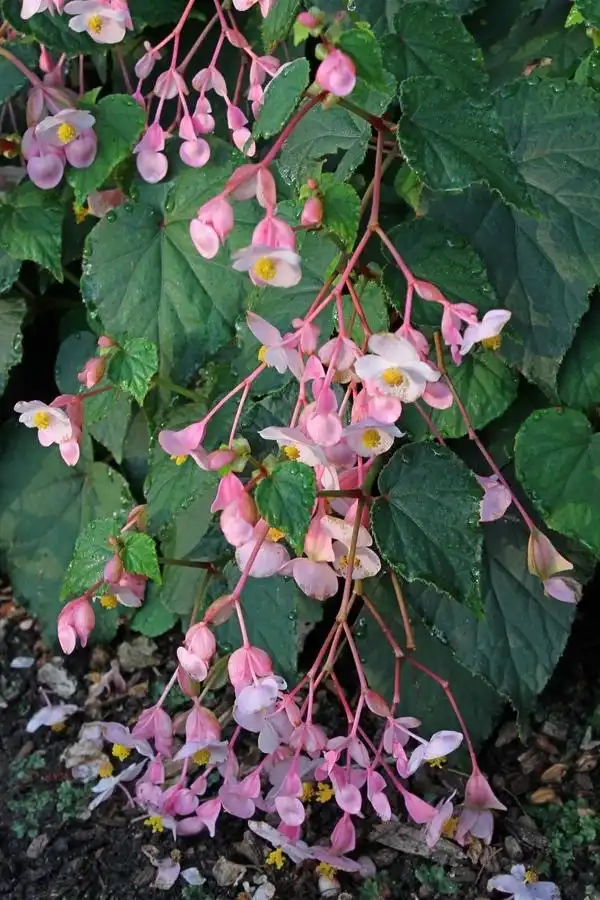
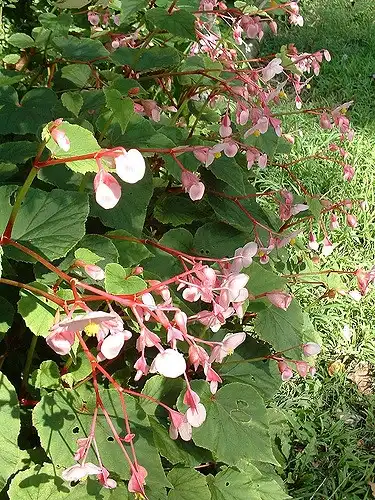
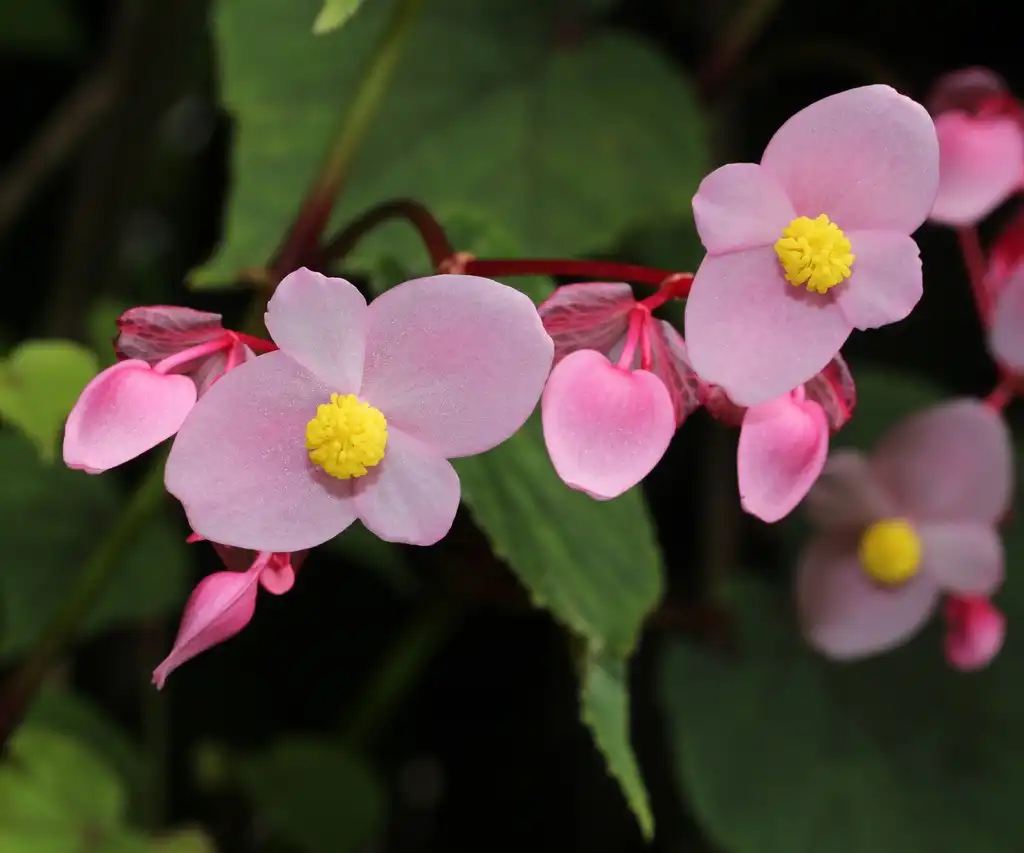
The Begoniaceae family is a vast group of flowering plants, encompassing around 1,500 species and numerous hybrids. These mature begonias can vary significantly in height, ranging from just a few inches to over 12 feet, and they exhibit a wide array of flower and leaf colors and sizes. One notable member of this family is Begonia grandis, commonly known as Hardy Begonia. This herbaceous perennial is often regarded as a cherished southern heirloom, passed down through generations of gardeners. It features both male and female flowers on the same plant (monoecious), has tuberous roots, and typically grows into a bushy mound of foliage about two feet tall on branching stems.
Hardy Begonia thrives in moist, nutrient-rich, well-drained soils and prefers partial to full shade. It's important to keep the soil consistently moist. This plant is resilient in USDA zones 6 and 7, withstanding temperatures as low as 23 degrees Fahrenheit. It flourishes in shady borders, woodland gardens, or along pathways. However, since it may not reliably survive winter conditions, applying a thick layer of mulch during colder months is advisable. To prolong its blooming season, remember to remove spent flowers.
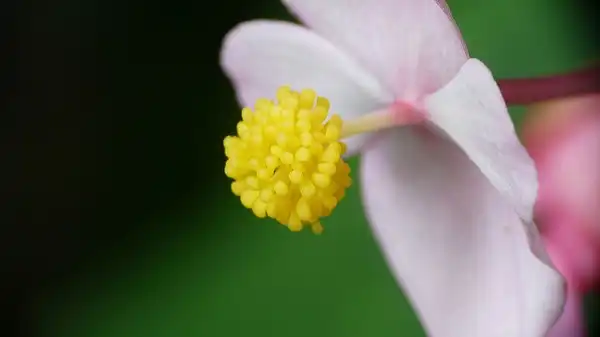
From summer until early fall, Hardy Begonia showcases loose clusters of fragrant pink flowers. As autumn approaches and daylight diminishes, the plant enters dormancy, causing its leaves to yellow. Concurrently, bulbils—small asexual structures about the size of a pea—develop in the leaf axils. These bulbils drop to the ground and will sprout in the following spring, allowing one or two plants to gradually form a small colony over a few years. Additionally, bulbils can be collected and planted as desired. When grown from seeds, the resulting plants may exhibit some variation, while those propagated from bulbils will be identical to the parent plant.
In terms of plant health, Hardy Begonia does not face significant issues with insects or diseases, although it can be prone to mildew once it goes dormant in the fall.
Begonia grandis Feature Summary