Begonia (Semperflorens-Cultorum Group): Country Or Region Of Origin
Southeastern United States
Phonetic Spelling:beh-GO-nee-ah sem-pur-FLOR-enz kul-TOR-um
Genus:Begonia
Species:
Family:Begoniaceae
The Begoniaceae family is a vast group of flowering plants, encompassing around 1,500 species and numerous hybrids. These mature begonias can vary significantly in height, ranging from just a few inches to over 12 feet, and they exhibit a wide array of flower types, leaf colors, and sizes. The American Begonia Society has established several non-scientific classifications for begonias, one of which is the semperflorens category. The hybrids known as Begonia x Semperflorens-Cultorum originate from a related set of South American species that demonstrate some resilience to cold in USDA zones 8-10.
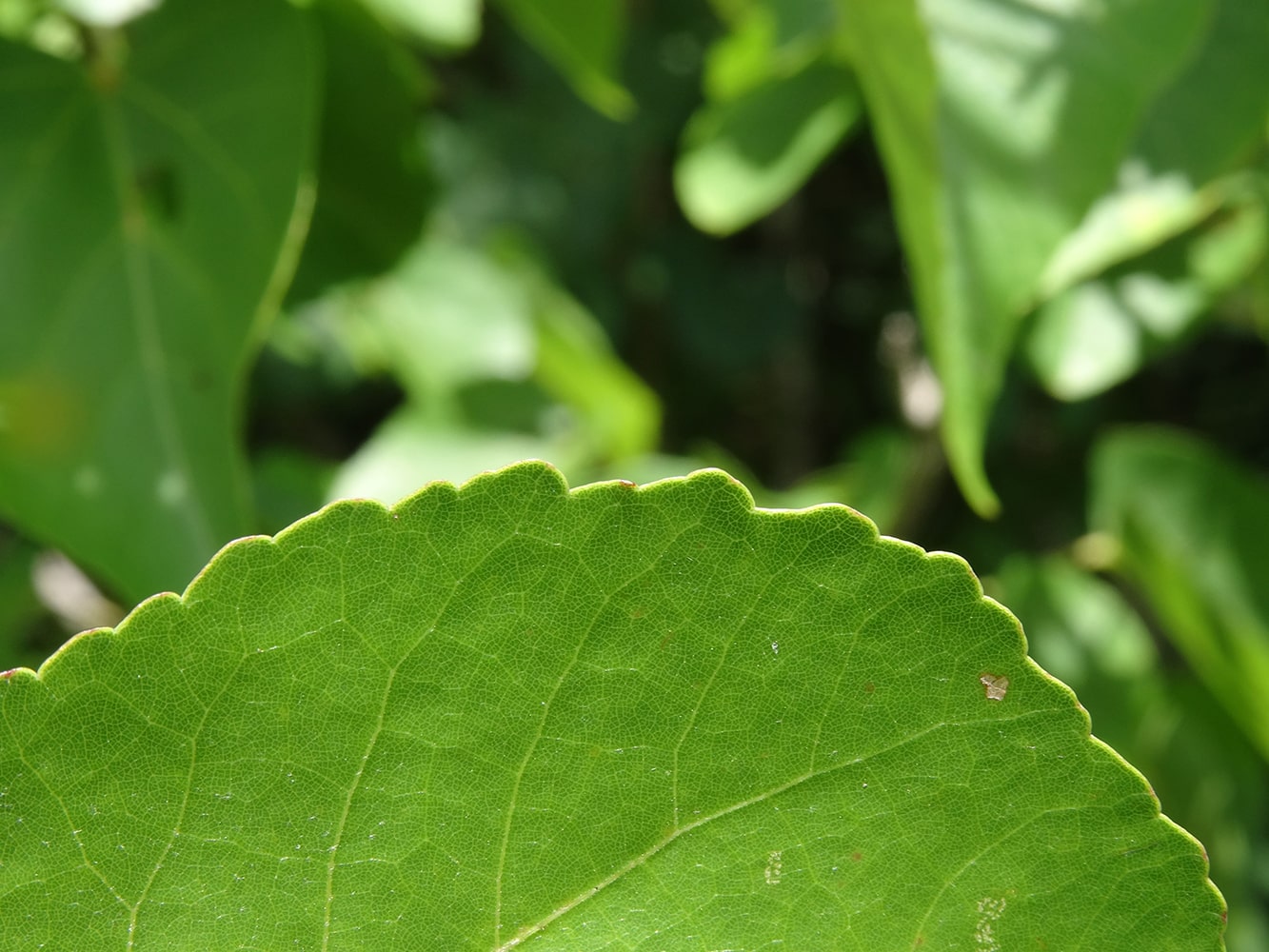
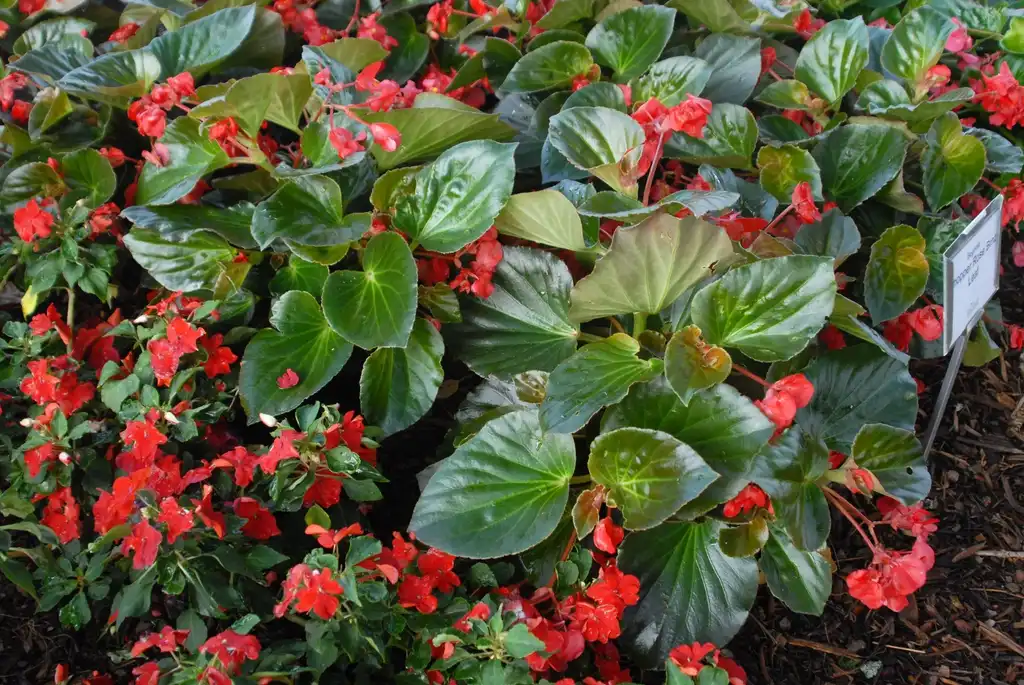
Among the most favored members of this family is Begonia semperflorens, commonly referred to as Wax Begonia. This plant is frequently utilized as an annual bedding option or as a tender perennial that can be grown in pots and brought indoors during winter. It features a compact, mound-like shape with succulent, fibrous roots and fleshy stems, adorned with leaves that range from green to bronze. When cultivated outdoors, Wax Begonia thrives in full sun to partial shade, preferring moderately rich, well-drained, moist soil. Varieties with bronze leaves generally perform better in full sunlight. For optimal growth, space the plants 6 to 12 inches apart and arrange them in groups along borders or in smaller areas. During the summer, it’s advisable to mulch around the plants to protect their roots and ensure they receive adequate watering. Container-grown begonias can be pruned back in the fall and kept indoors in a cool spot with limited watering during the winter months.
This resilient plant is rarely affected by deer and can withstand hot summers, mild droughts, and heavy shade. For propagation, seeds should be sown in January under gentle heat without covering them with compost, or alternatively, leaf or stem cuttings can be taken.
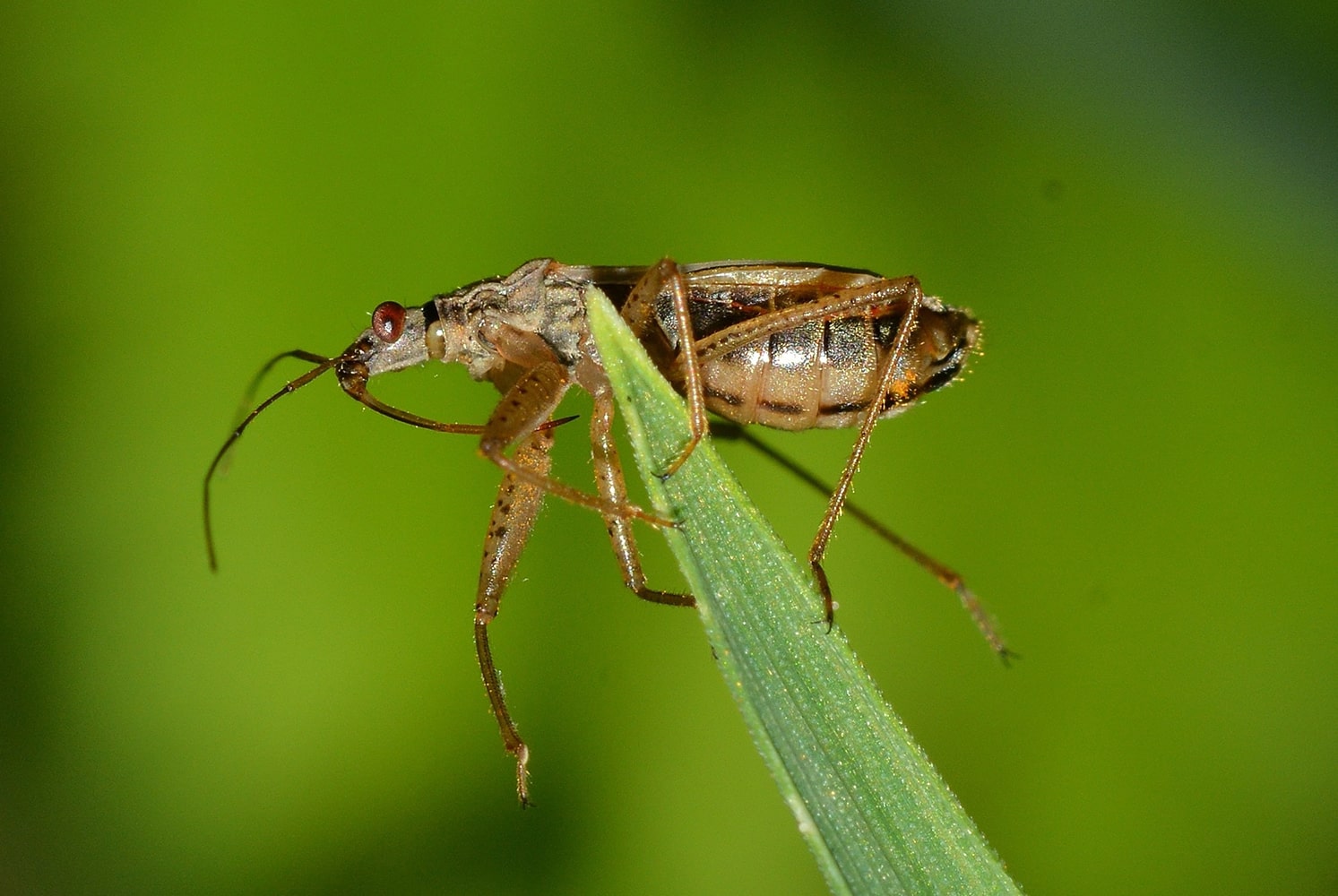
In terms of pests and diseases, Wax Begonia is vulnerable to mealybugs, thrips, rot, and various fungal infections.
Begonia (Semperflorens-Cultorum Group) Feature Summary
Begonia (Semperflorens-Cultorum Group) Image Gallery