Begonia x benaratensis BIG SERIES: Country Or Region Of Origin
Borneo
Phonetic Spelling:be-GON-yuh ben-nair-a-TEN-sis
Genus:Begonia
Species:benaratensis
Family:Begoniaceae
Begoniaceae is a substantial family of flowering plants that encompasses approximately 1,500 species along with numerous hybrids. These mature begonias can vary significantly in height, ranging from just a few inches to over 12 feet, and they exhibit a wide array of flower types, leaf colors, and sizes. One notable hybrid is Begonia x benaratensis, commonly known as the wax begonia. Although it is a perennial that is sensitive to frost, it is often cultivated as an annual. The BIG SERIES, which consists of hybrids between angel wing begonias and fibrous begonias (F1), is a recent introduction from Benery Seed and is available in various cultivars.
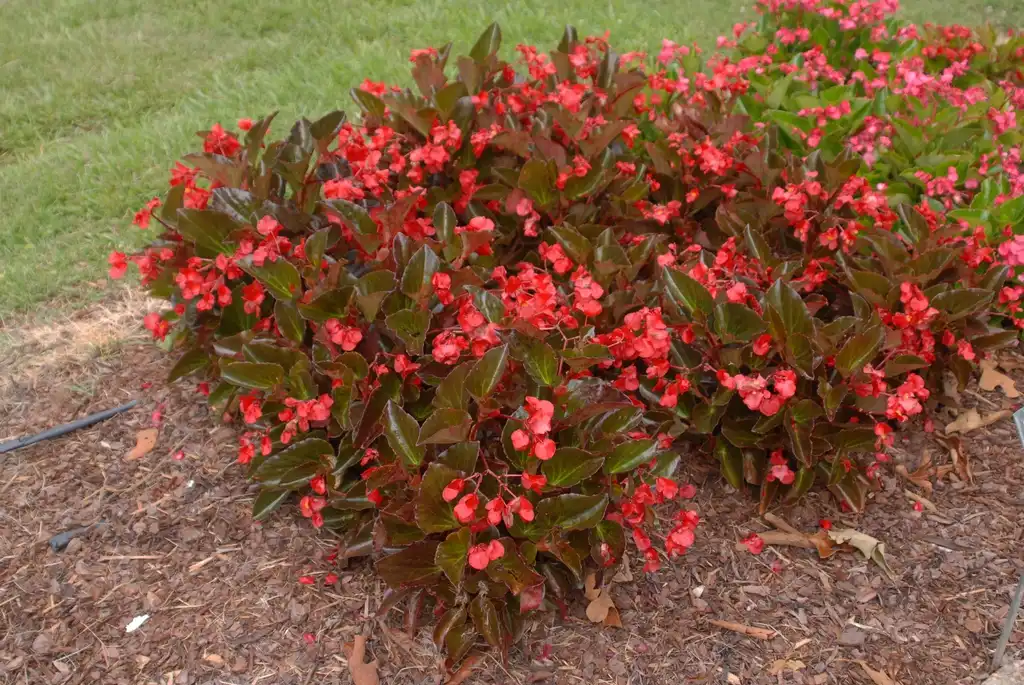
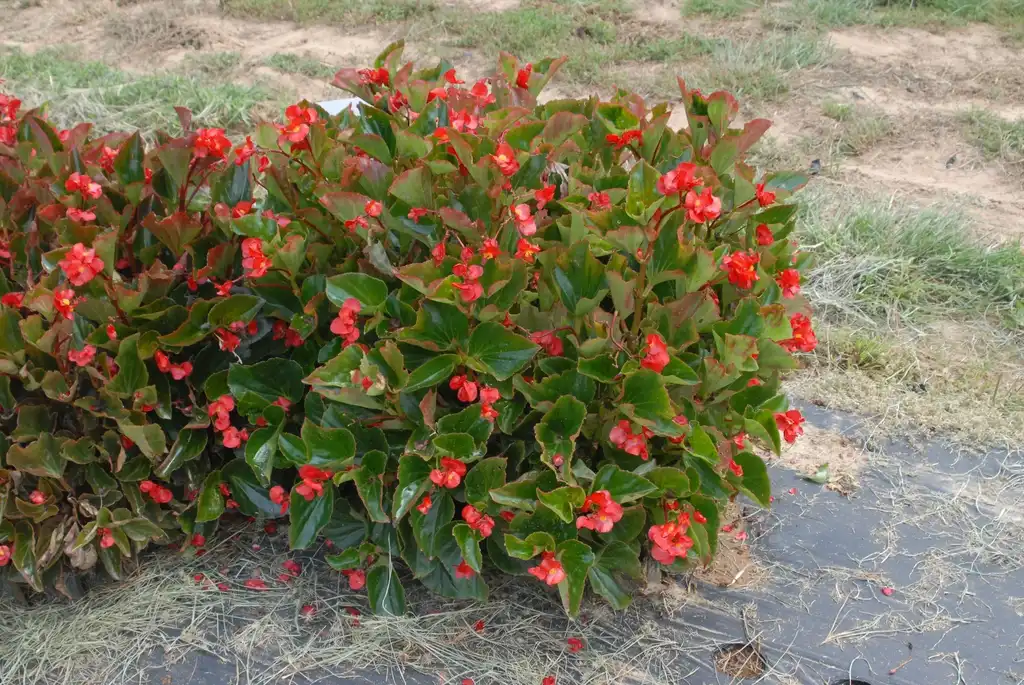
Begonia × benariensis is characterized by its compact, bushy growth and mounded form, featuring fibrous roots and fleshy stems. Its leaves are tough, waxy, and come in dark green to bronze hues, while it produces loose clusters of single or double flowers in white, pink, red, and bicolor variations. This vigorous plant reliably blooms from May to October, with the BIG SERIES particularly recognized for its early flowering, large blooms, and robust growth habit.
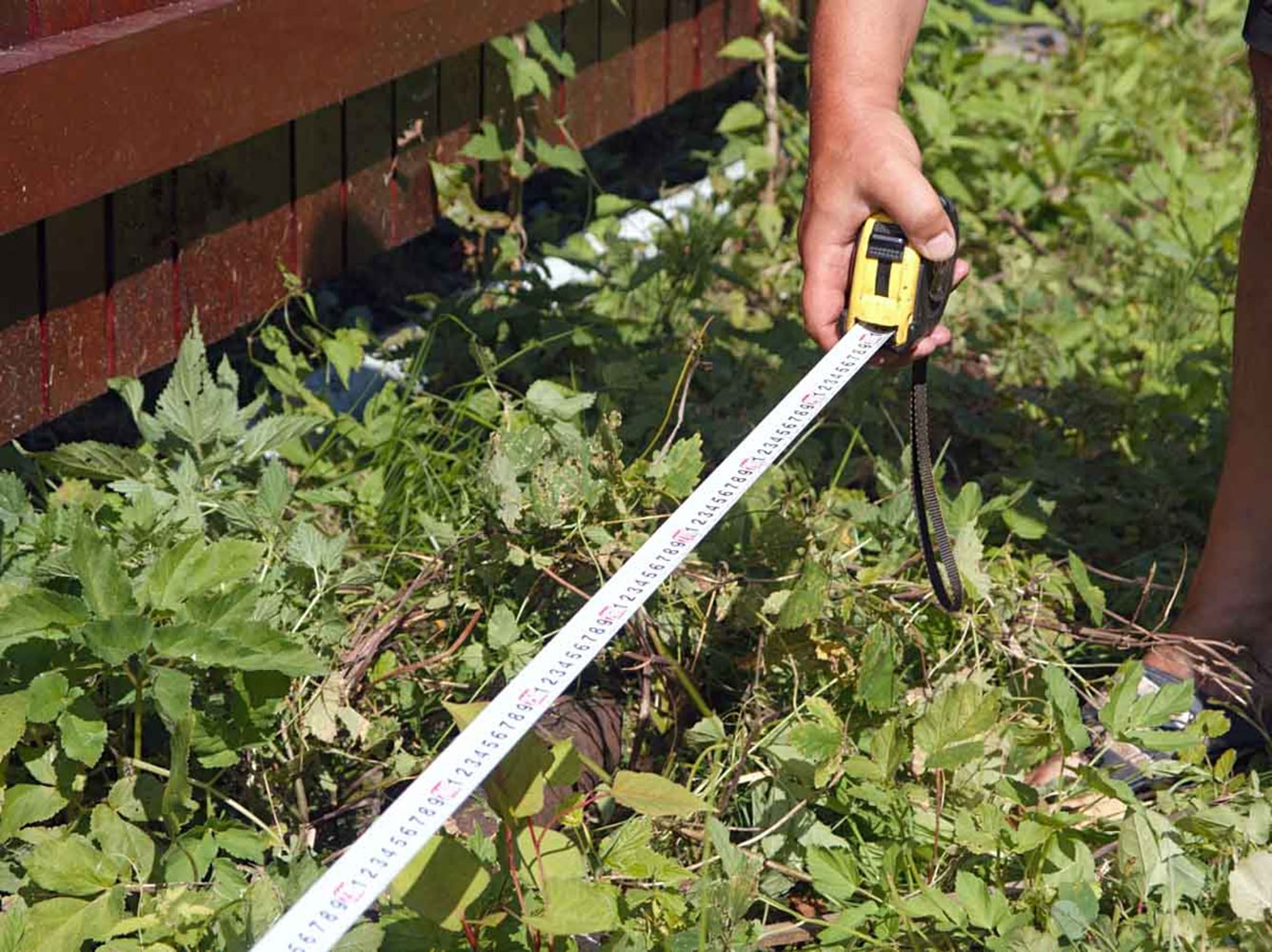
When cultivated outdoors as an annual, the BIG SERIES demonstrates a commendable tolerance for hot and humid summer conditions. It thrives in average to moderately fertile, moist, well-drained soils, preferring full sun to partial shade, with a particular liking for dappled sunlight. Varieties with bronze leaves tend to withstand full sun better. Consistent moisture is essential throughout the growing season, although the plant can endure brief droughts. The seeds are small and can be challenging to germinate; thus, starting them indoors 6 to 8 weeks before the last frost is advisable, as direct sowing in the garden is not recommended. Alternatively, one can buy starter plants or take cuttings from plants that have been overwintered. When planting, space them 12 to 15 inches apart to ensure adequate air circulation and minimize the risk of fungal diseases.
For container cultivation, the plant can be pruned back in the fall and kept indoors over the winter in a cool area with reduced watering.
In terms of pests and diseases, there are no significant issues; however, the plant can be vulnerable to bacterial leaf spot, powdery mildew, blight, and stem or crown rots. It's important to monitor for mealybugs and thrips.
Begonia x benaratensis BIG SERIES Feature Summary
Begonia x benaratensis BIG SERIES Image Gallery