Plant Profile: Dahlia

Taxonomy: Dahlia

Names

Bedding Dahlia, Dahlia

  • Photo of Dahlia (Dahlias)

Phonetic Spelling:DAHL-ee-a

Genus:Dahlia

Species:

Family:Asteraceae

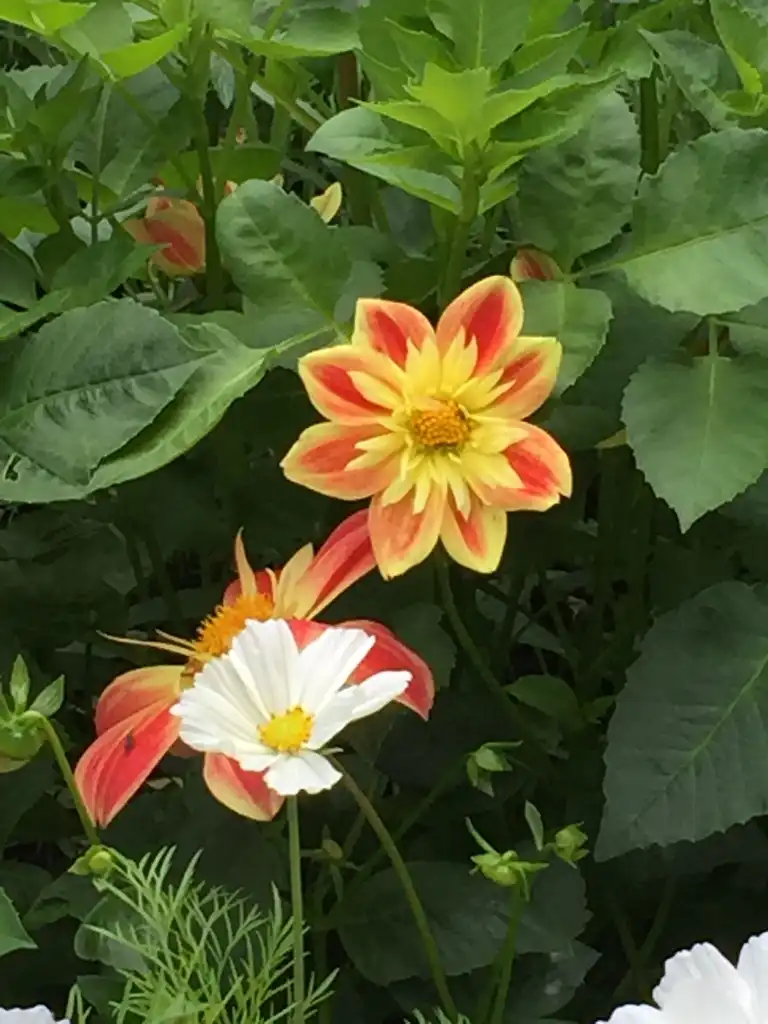
Dahlias are the stars of the late summer garden. If you attend any county or state fair in the fall, you’re likely to encounter a stunning variety of dahlias. The spectrum of colors, sizes, and shapes is truly remarkable. For a comprehensive overview of the different classifications and hues, visit the American Dahlia Society's website.

There are 42 recognized species of dahlias, available in nearly every color imaginable: white, various shades of pink, red, yellow, orange, purple, and numerous combinations of these hues. The forms of these flowers are equally impressive, ranging from delightful single, daisy-like blooms to the popular double varieties, which can measure anywhere from 2 inches to a striking 12 inches in diameter. Dahlias are categorized into ten distinct groups: single, anemone, collarette, waterlily, decorative, ball, pompon, cactus, semi-cactus, and miscellaneous, with the peony and cactus forms being particularly breathtaking.

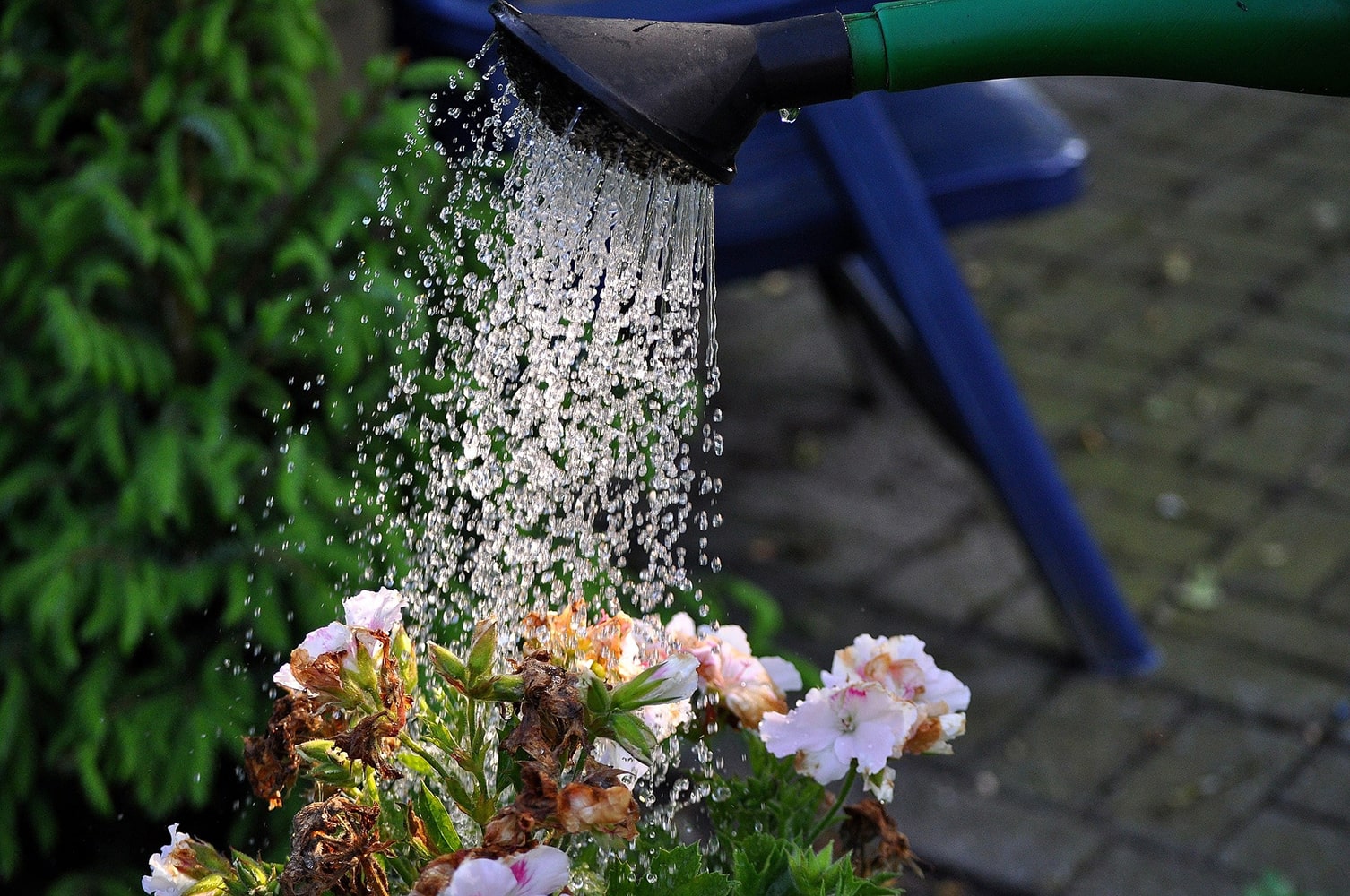
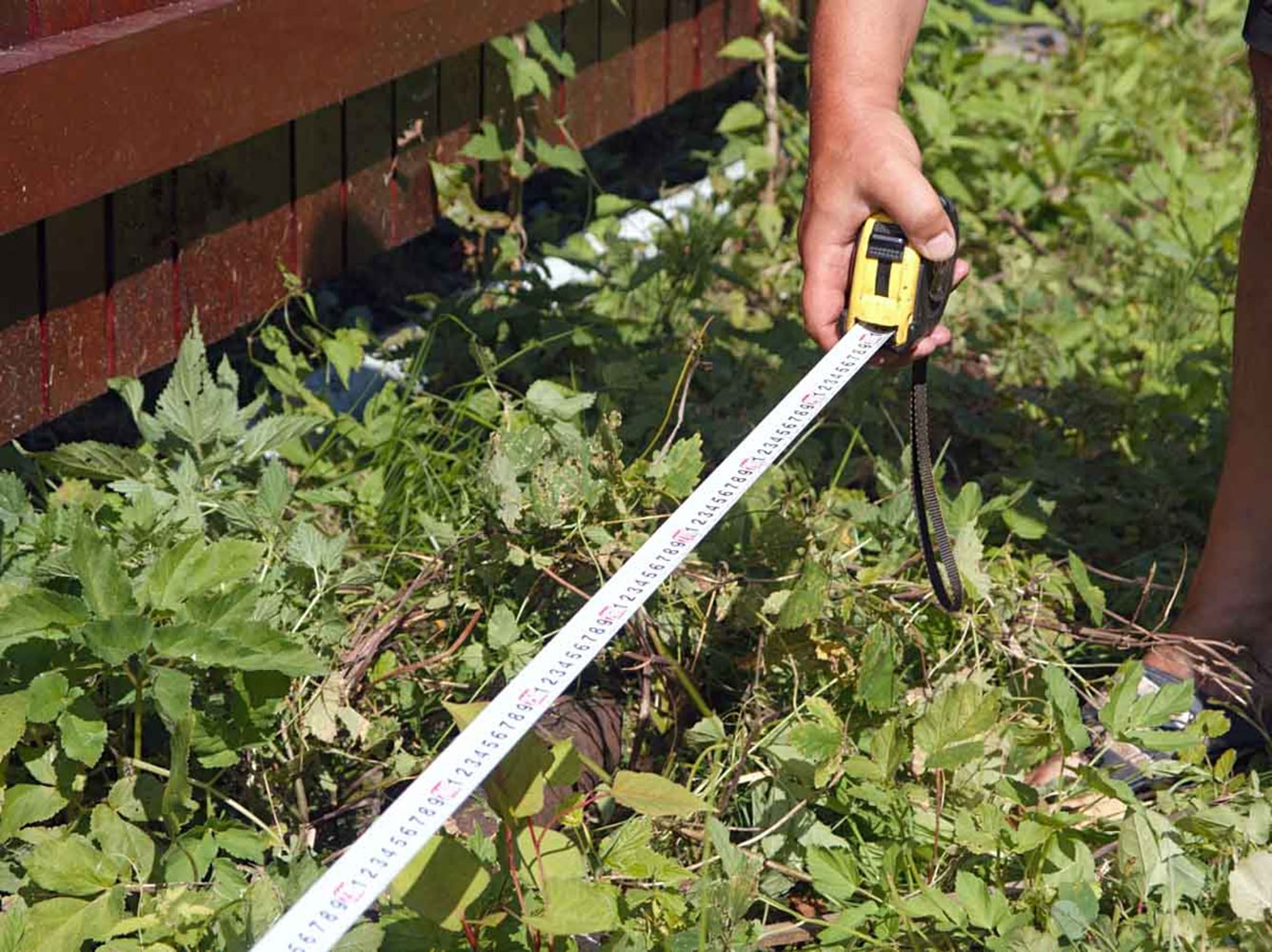
Dahlias thrive in gardens with rich, well-drained soil and ample sunlight. As hybrids, they are primarily planted as tuberous roots, although seeds for mixed, small-flowered types are also available. It’s best to plant the tuberous roots or young plants around the time of the last frost, spacing them 1 to 3 feet apart, depending on the variety. For a more visually appealing display, plant them in groups of at least five. Taller varieties, exceeding 2 feet, may require staking or other forms of support. While dahlias may struggle during the peak summer heat, consistent mulching and adequate watering will ensure a vibrant display from late summer through fall, lasting until the first frost. Regularly deadheading spent flowers will help prolong their blooming period.

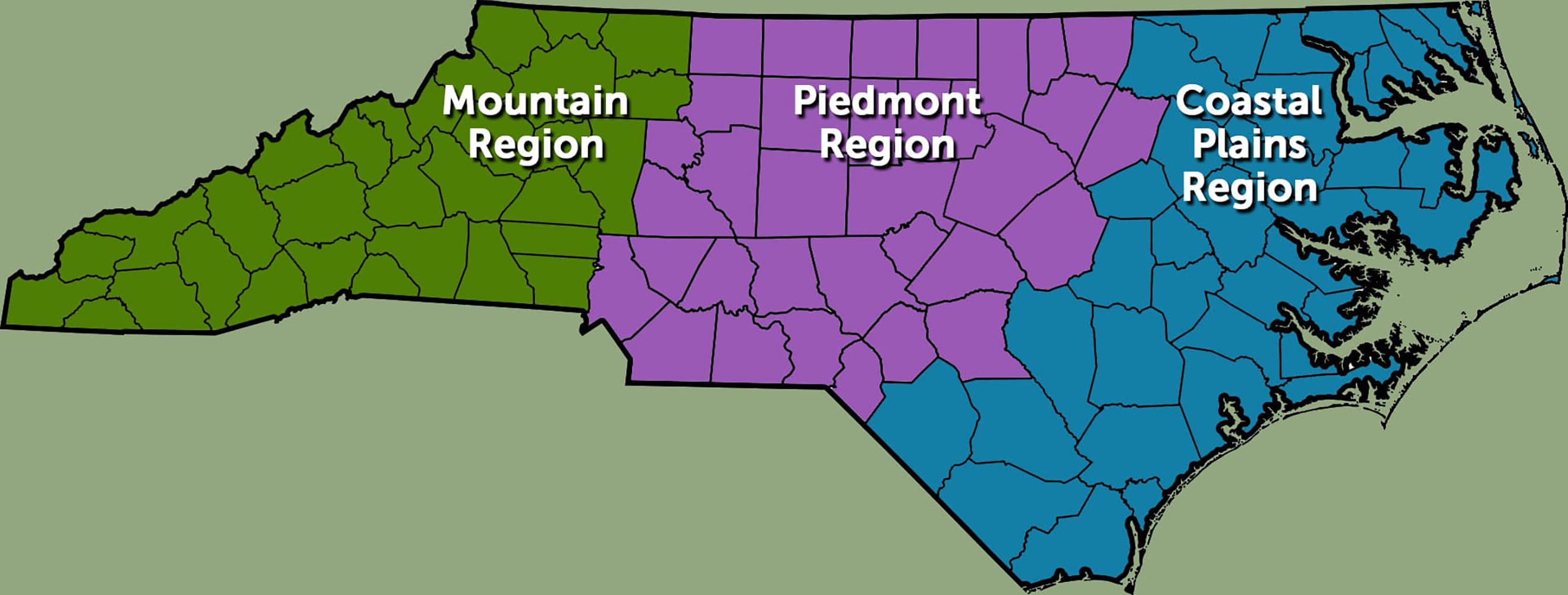
Although dahlias are technically herbaceous perennials, they are usually cultivated as annuals. In most areas of the Piedmont region and the western part of the state, the tuberous roots will not survive winter in the ground, so gardeners in these regions should plan to dig up the roots in the fall for winter storage. However, dahlias are hardy in the Raleigh area and extend to the coast.

When planting, ensure that tubers are covered with about 3 inches of soil. Be aware that these plants can be damaged if temperatures drop below 25 degrees Fahrenheit (2 degrees Celsius). When grown from tubers, dahlias tend to grow tall and may need staking. Alternatively, they can be cultivated from seed-germinated selections, but these are usually smaller, less heat-tolerant, and often exhibit inconsistent growth and poor flowering.

In terms of pests and diseases, dahlias can be challenging to grow and may face various issues, including infestations from aphids, leafhoppers, and caterpillars. They are also susceptible to diseases such as powdery mildew, root rot, crown gall, viruses, and wilts.

Dahlia Feature Summary

Dahlia Image Gallery

Tags

#showy flowers
#poisonous
#heat tolerant
#houseplant
#perennial
#cut flowers
#window boxes
#cpp
#borders
#bedding plants
#groups
#fantz
#problem for cats
#ebh
#problem for dogs
#problem for horses
#ebh-g
#container plants

Similar Plants

Dahlia is often confused with:

Dahlia Feature Summary

Attributes
Mexico, Central America, Tropical America
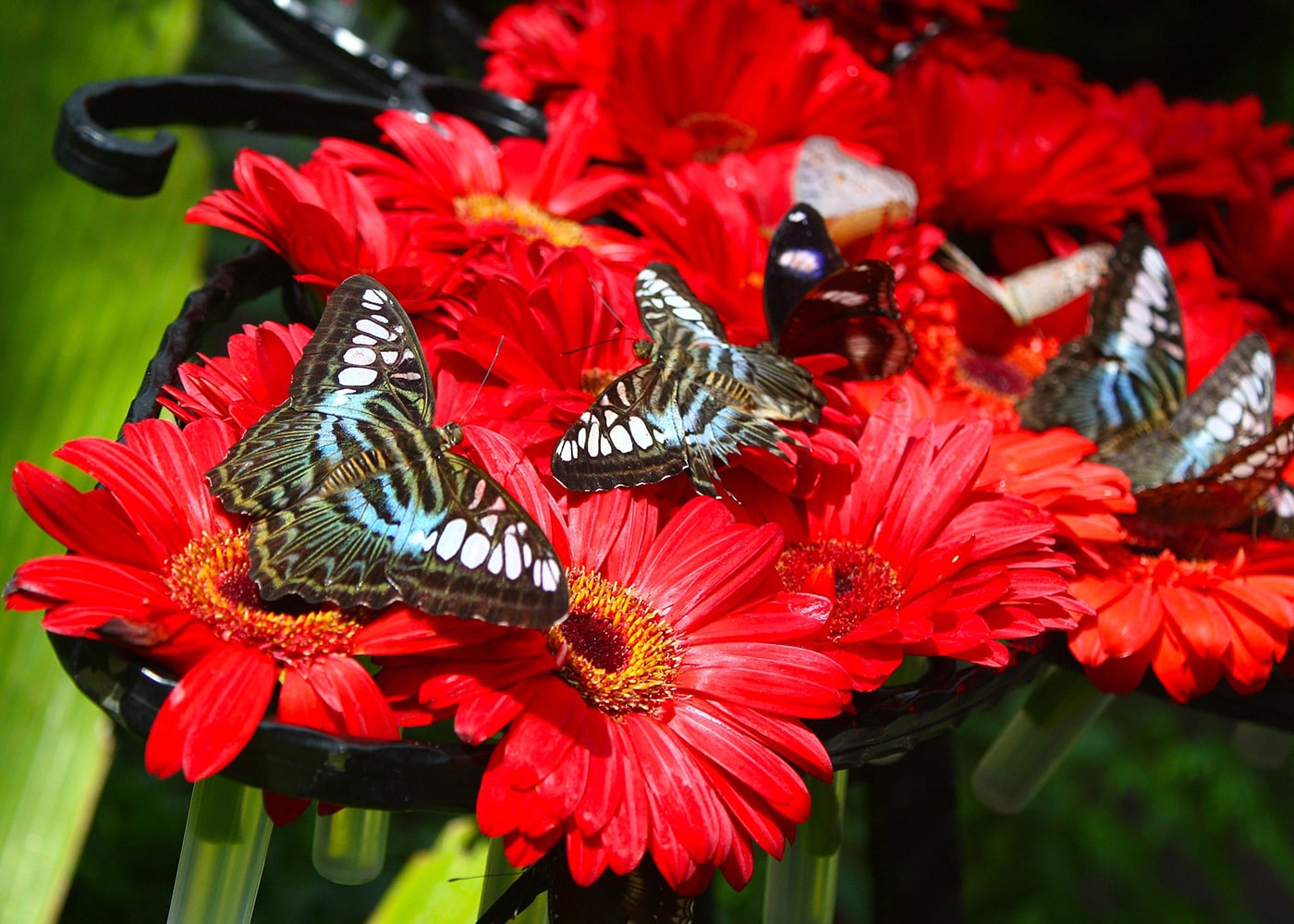
attracts butterflies
In Zone 8 harvest tuberous roots in fall, dry carefully (do not wash), and store in vermiculite or dry sand at 35-45 degrees F (2-7 degrees C). In Zone 7, just mulch.
Toxic. Were grown as a food crop by Aztecs, but practice has died out.
Perennial
Bulb
Flowers
Flowers are highly variable, but consistently have reflexed involucar bracts at the base. Flowering heads are usually large (ranging from 2 to 12 inches), with many petals, variously colored bloom from mid-summer to mid-fall, showy and excellent in flower arrangements. Axillary, 1 to 3 heads in a corymb; head oriented vertical, 2-12" diam., aster to double forms Involucral bracts dimorphic, in two rows; outer row obovate, conspicuously reticulate veined, spreading to reflexed, inner row broad, membraneous, green, appressed to ray flowers. Disc and ray flowers variable in color and are anthocyanin or carotenoid pigmented. Garden origin.
Pink
White
Gold/Yellow
Orange
Variegated
Cream/Tan
Black
Good Cut
Showy
Long Bloom Season
Leaves
Opposite, simple (terminal leaflet) to 3-5-7-pinnately compound, segments ovate to oblong to lanceolate. Margins may be lobed or dentate. Simple leaves are more common towards the top of the plant while compound leaves are more common at the base. Leaves may be green, reddish-purple, or purple-black.
Green
Black
Red/Burgundy
Purple/Lavender
Simple
Compound (Pinnately , Bipinnately, Palmately)
Ovate
Oblong
Lanceolate
Lobed
Serrate
Dentate
Poisonous to Humans
Toxic if eaten in large quantities. Skin irritation following repeated handling of the tubers and contact with leaves and light. Mild gastrointestinal signs.
Phototoxic polyacetylene compounds
Leaves
Roots
Whole Plant Traits
Perennial
Annual
Herbaceous Perennial
Poisonous
Bulb
Cultural Conditions
Full sun (6 or more hours of direct sunlight a day)
Partial Shade (Direct sunlight only part of the day, 2-6 hours)
Good Drainage
Moist
Coastal
Mountains
Piedmont
7a
7b
8b
8a
9a
9b
10a
10b
High Organic Matter
Stem
Brown/Copper
Red/Burgundy
Landscape
Cutting Garden
Cottage Garden
Border
Mass Planting
Accent
Small groups
Container
Houseplants
Butterflies
Hummingbirds
Poisonous to Humans
Problem for Cats
Problem for Dogs
Problem for Horses
Contact Dermatitis

Dahlia Attributes

Dahlia: Country Or Region Of Origin

Mexico, Central America, Tropical America
Dahlia: Wildlife Value

attracts butterflies

Dahlia: Bulb Storage

In Zone 8 harvest tuberous roots in fall, dry carefully (do not wash), and store in vermiculite or dry sand at 35-45 degrees F (2-7 degrees C). In Zone 7, just mulch.

Dahlia: Edibility

Toxic. Were grown as a food crop by Aztecs, but practice has died out.

Dahlia: Life Cycle

Annual
Biennial
Bulb
Perennial
Woody

Dahlia: Recommended Propagation Strategy

Division
Grafting
Layering
Leaf Cutting
Root Cutting
Seed
Stem Cutting

Dahlia Flowers

Dahlia: Flower Description

Flowers are highly variable, but consistently have reflexed involucar bracts at the base. Flowering heads are usually large (ranging from 2 to 12 inches), with many petals, variously colored bloom from mid-summer to mid-fall, showy and excellent in flower arrangements. Axillary, 1 to 3 heads in a corymb; head oriented vertical, 2-12" diam., aster to double forms Involucral bracts dimorphic, in two rows; outer row obovate, conspicuously reticulate veined, spreading to reflexed, inner row broad, membraneous, green, appressed to ray flowers. Disc and ray flowers variable in color and are anthocyanin or carotenoid pigmented. Garden origin.


Dahlia: Flower Color

filter_vintage
Black
filter_vintage
Cream/Tan
filter_vintage
Gold/Yellow
filter_vintage
Orange
filter_vintage
Pink
filter_vintage
Variegated
filter_vintage
White

Dahlia: Flower Inflorescence

Catkin
Corymb
Cyme
Head
Insignificant
Panicle
Raceme
Solitary
Spadix
Spike
Umbel

Dahlia: Flower Value To Gardener

Edible
Fragrant
Good Cut
Good Dried
Long Bloom Season
Long-lasting
Showy

Dahlia: Flower Bloom Time

Winter
Spring
Summer
Fall

Dahlia: Flower Petals

2-3 rays/petals
4-5 petals/rays
6 petals/rays
7 - 20 petals/rays
asymmetrical petals
Bracts
Colored Sepals
fused petals
more than 20 petals/rays
Tepals

Dahlia Leaves

Dahlia: Leaf Description

Opposite, simple (terminal leaflet) to 3-5-7-pinnately compound, segments ovate to oblong to lanceolate. Margins may be lobed or dentate. Simple leaves are more common towards the top of the plant while compound leaves are more common at the base. Leaves may be green, reddish-purple, or purple-black.

Dahlia: Woody Plant Leaf Characteristics

Broadleaf Evergreen
Deciduous
Needled Evergreen
Semi-evergreen

Dahlia: Leaf Color

spa
Black
spa
Green
spa
Purple/Lavender
spa
Red/Burgundy

Dahlia: Leaf Type

Compound (Pinnately , Bipinnately, Palmately)
Fronds
Needles
Sheath
Simple

Dahlia: Leaf Arrangement

Alternate
Opposite
Other/more complex
Rosulate
Whorled

Dahlia: Leaf Shape

Acicular
Auriculate
Cordate
Cuneate
Deltoid
Elliptical
Filiform
Lanceolate
Linear
Oblanceolate
Oblong
Obovate
Obtuse
Orbicular
Ovate
Palmasect
Palmatifid
Peltate
Pinnatifid
Pinnatisect
Reniform
Rhomboidal
Spatulate
Subcordate
Subulate

Dahlia: Leaf Margin

Crenate
Crenulate
Dentate
Denticulate
Doubly Crenate
Doubly Dentate
Doubly Serrate
Entire
Lobed
Serrate
Sinuate
Undulate

Dahlia: Hairs Present

No
Yes

Dahlia Poisonous to Humans

Dahlia: Poison Symptoms

Toxic if eaten in large quantities. Skin irritation following repeated handling of the tubers and contact with leaves and light. Mild gastrointestinal signs.

Dahlia: Poison Toxic Principle

Phototoxic polyacetylene compounds

Dahlia: Poison Severity

High
Low
Medium

Dahlia: Causes Contact Dermatitis

No
Yes

Dahlia: Poison Part

Bark
Flowers
Fruits
Leaves
Roots
Sap/Juice
Seeds
Stems

Dahlia Whole Plant Traits

Dahlia: Plant Type

Annual
Bulb
Carnivorous
Edible
Epiphyte
Fern
Ground Cover
Herb
Herbaceous Perennial
Houseplant
Mushroom
Native Plant
Ornamental Grasses and Sedges
Perennial
Poisonous
Rose
Shrub
Succulent
Tree
Turfgrass
Vegetable
Vine
Water Plant
Weed
Wildflower

Dahlia: Woody Plant Leaf Characteristics

Broadleaf Evergreen
Deciduous
Needled Evergreen
Semi-evergreen

Dahlia: Habit/Form

Arching
Ascending
Broad
Cascading
Climbing
Clumping
Columnar
Conical
Creeping
Dense
Erect
Horizontal
Irregular
Mounding
Multi-stemmed
Multi-trunked
Open
Oval
Prostrate
Pyramidal
Rounded
Spreading
Vase
Weeping

Dahlia: Growth Rate

Slow
Medium
Rapid

Dahlia: Maintenance

Low
Medium
High

Dahlia Cultural Conditions

Dahlia: Light

Dappled Sunlight (Shade through upper canopy all day)
Deep shade (Less than 2 hours to no direct sunlight)
Full sun (6 or more hours of direct sunlight a day)
Partial Shade (Direct sunlight only part of the day, 2-6 hours)

Dahlia: Soil Drainage

Frequent Standing Water
Good Drainage
Moist
Occasional Flooding
Occasionally Dry
Occasionally Wet
Very Dry

Dahlia: Available Space To Plant

12 inches-3 feet
12-24 feet
24-60 feet
3 feet-6 feet
6-feet-12 feet
Less than 12 inches
more than 60 feet

Dahlia: NC Region

Coastal
Mountains
Piedmont

Dahlia: USDA Plant Hardiness Zone

thermostat
10a
thermostat
10b
thermostat
7a
thermostat
7b
thermostat
8a
thermostat
8b
thermostat
9a
thermostat
9b

Dahlia: Soil Texture

Clay
High Organic Matter
Loam (Silt)
Sand
Shallow Rocky

Dahlia Stem

Dahlia: Stem Color

grass
Brown/Copper
grass
Red/Burgundy

Dahlia: Stem Is Aromatic

No
Yes

Dahlia Landscape

Dahlia: Landscape Theme

Asian Garden
Butterfly Garden
Children's Garden
Cottage Garden
Cutting Garden
Drought Tolerant Garden
Edible Garden
English Garden
Fairy Garden
Garden for the Blind
Native Garden
Nighttime Garden
Pollinator Garden
Rain Garden
Rock Garden
Shade Garden
Water Garden
Winter Garden

Dahlia: Design Feature

Accent
Barrier
Border
Flowering Tree
Foundation Planting
Hedge
Mass Planting
Screen/Privacy
Security
Shade Tree
Small groups
Small Tree
Specimen
Street Tree
Understory Tree

Dahlia: Landscape Location

Coastal
Container
Hanging Baskets
Houseplants
Lawn
Meadow
Naturalized Area
Near Septic
Patio
Pond
Pool/Hardscape
Recreational Play Area
Riparian
Rock Wall
Slope/Bank
Small Space
Vertical Spaces
Walkways
Woodland

Dahlia: Attracts

Bats
Bees
Butterflies
Frogs
Hummingbirds
Moths
Pollinators
Predatory Insects
Reptiles
Small Mammals
Songbirds
Specialized Bees

Dahlia: Problems

Allelopathic
Contact Dermatitis
Frequent Disease Problems
Frequent Insect Problems
Invasive Species
Malodorous
Messy
Poisonous to Humans
Problem for Cats
Problem for Children
Problem for Dogs
Problem for Horses
Short-lived
Spines/Thorns
Weak Wood
Weedy