Chrysanthemum x morifolium: Uses (Ethnobotany)
Used in Chinese traditional medicine
Phonetic Spelling:kris-AN-theh-mum BY mor-ih-FOH-lee-um
Genus:Chrysanthemum
Species:
Family:Asteraceae
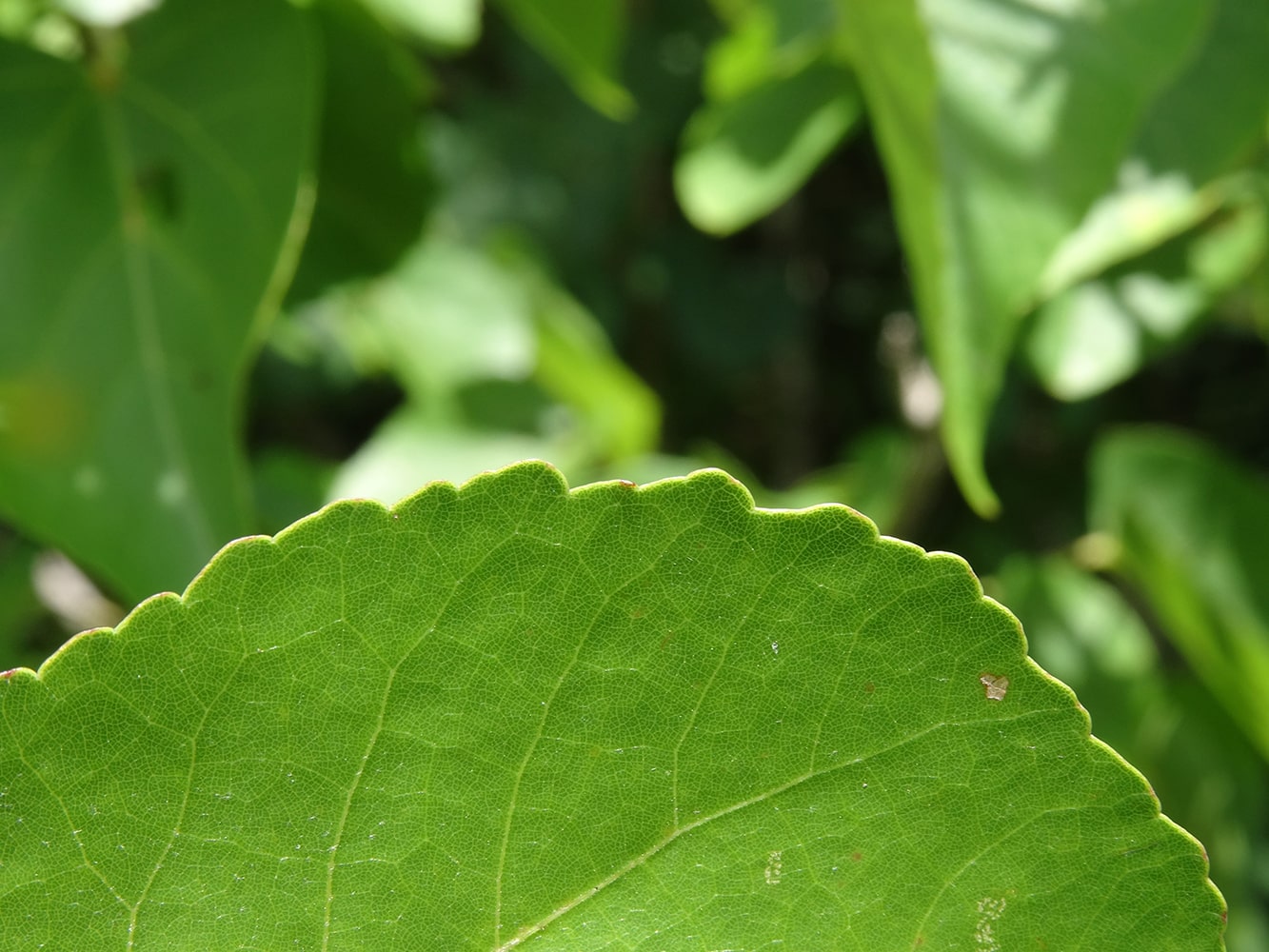
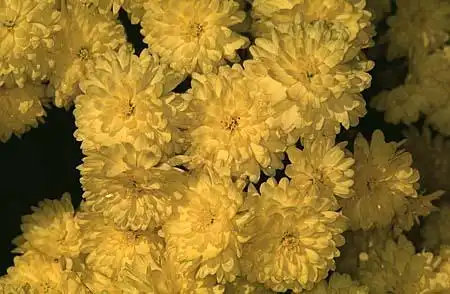
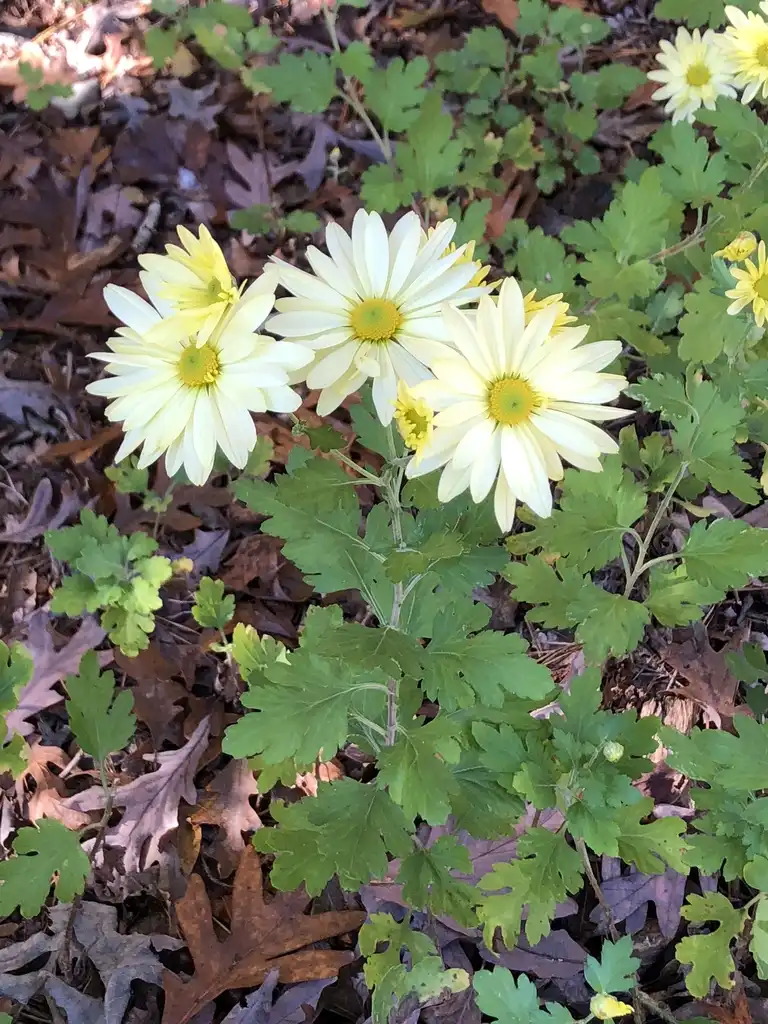
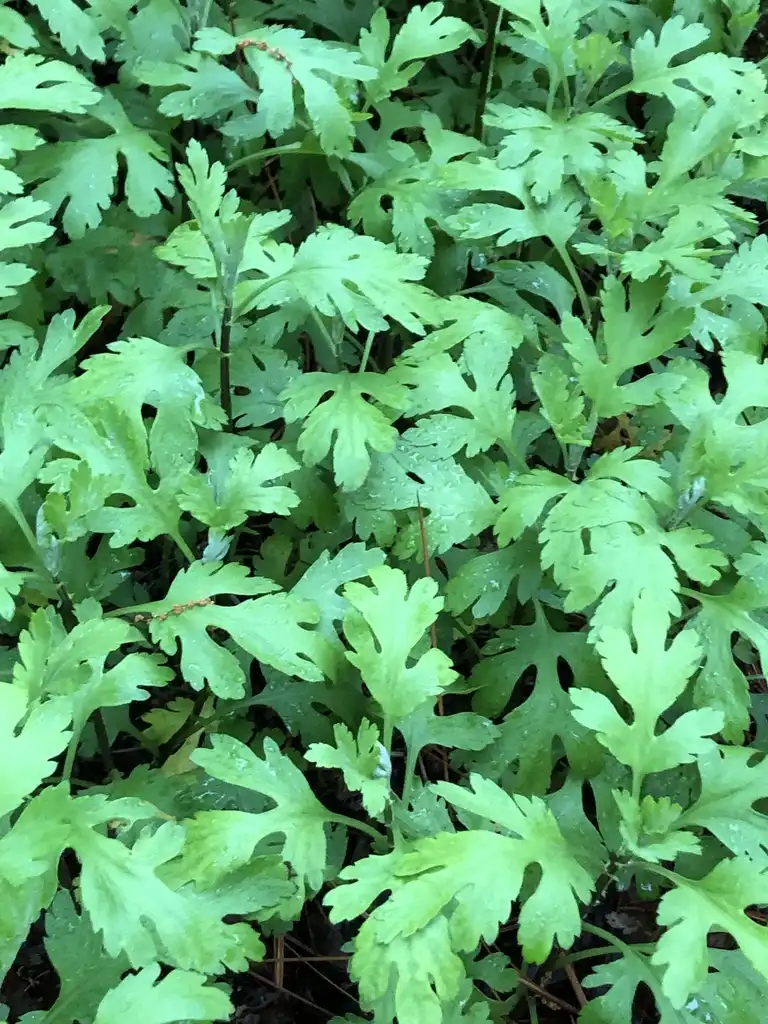
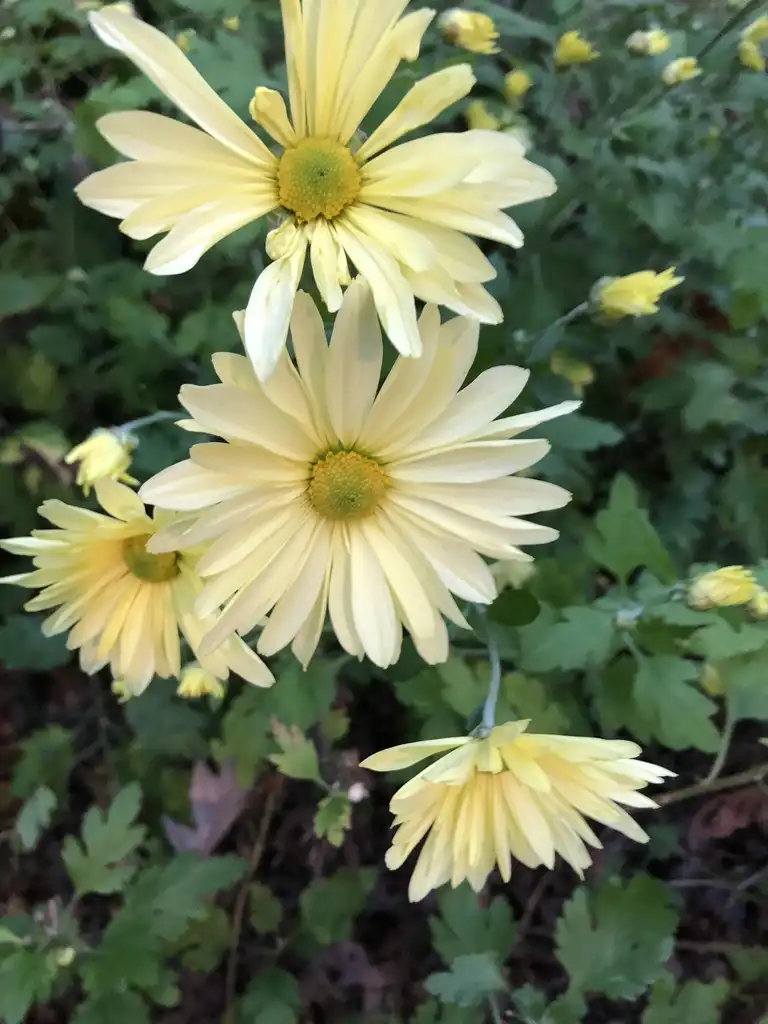
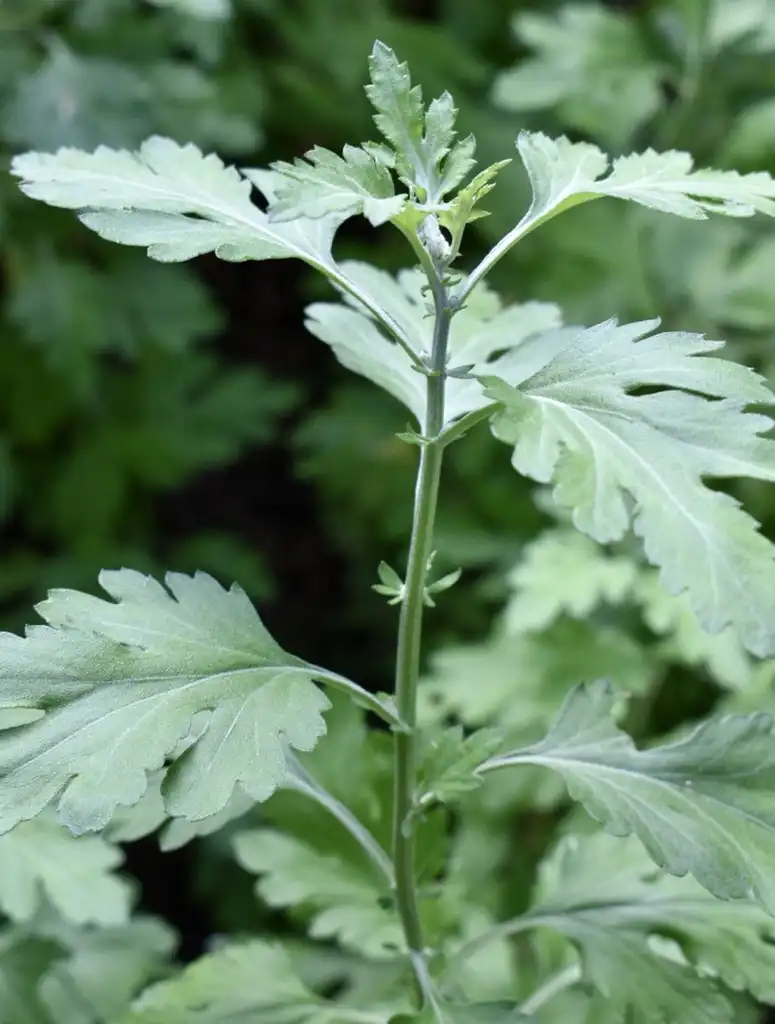
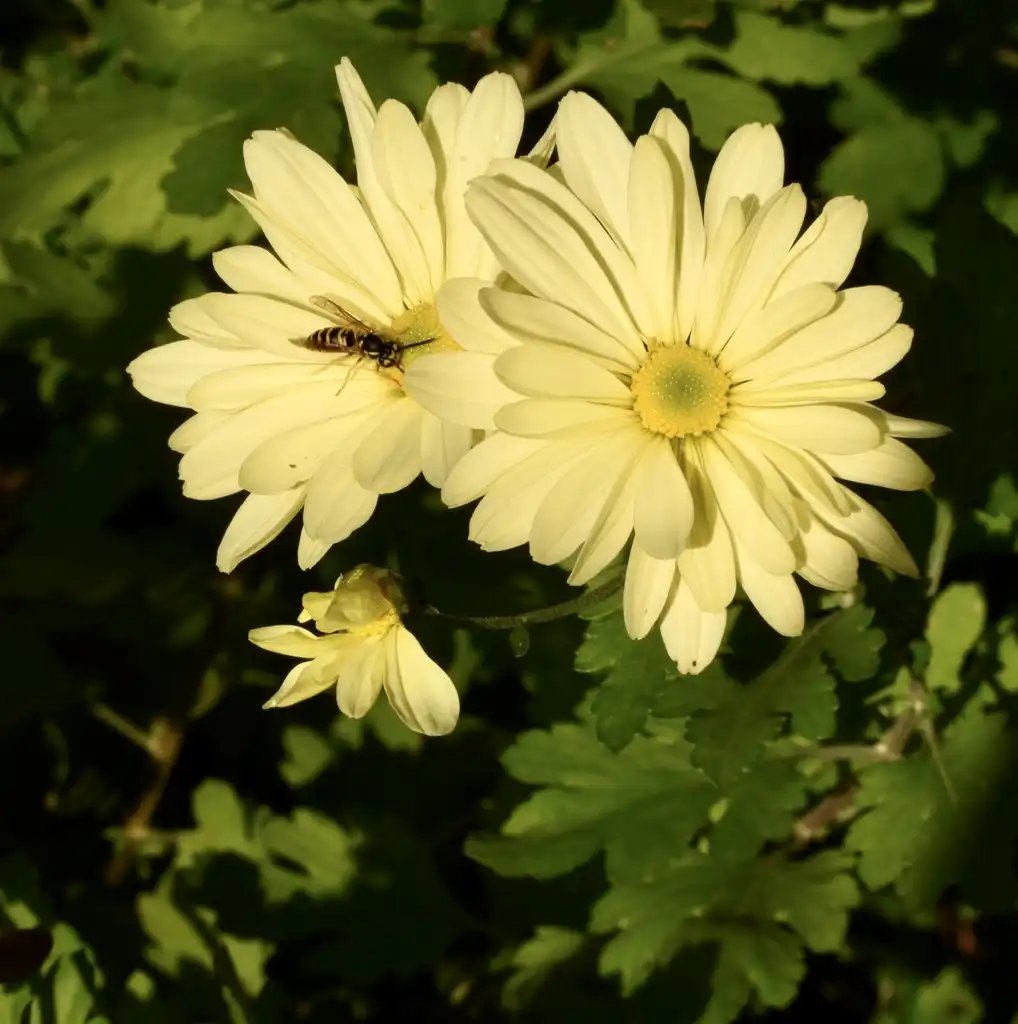
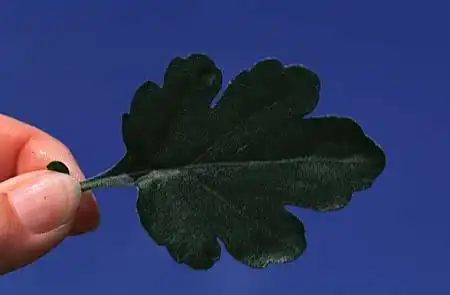
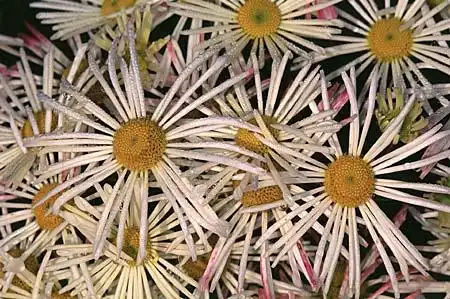
Chrysanthemum x morifolium, a vibrant herbaceous perennial, brings a burst of color to your garden as autumn approaches and leaves begin to fall. These plants start their growth in spring and summer, but their blooms only appear in the fall. The fragrant flowers come in a variety of hues, ranging from earthy tones to soft pastels and bright yellows, and can be found in solid colors, bi-color combinations, or with contrasting edges on the petals. The leaves, characterized by their curved edges, enhance the plant's visual appeal. This species can proliferate rapidly in garden beds, transforming it from a mere potted plant into a lively autumn fixture. You’ll often see it alongside scarecrows, beckoning you to include it in your garden. The vibrant display of colors offers a refreshing contrast as summer wanes, evoking thoughts of cozy hot cocoa and warm fires.
Chrysanthemum x morifolium thrives in sunny spots with well-drained soil. To care for these plants, it’s advisable to trim them back three times during the spring and summer, with the final cut around August 15, to promote a bushy, compact shape and to prevent premature flowering in spring. Dividing the plants in spring can also help increase your stock. When purchasing from a nursery, keep in mind that these chrysanthemums are perennial and will return year after year, rather than dying off at the season's end.
**Family:** Asteraceae (Compositae)
**Quick Identification Tips:**
This erect, aromatic perennial herb typically forms mounds that reach heights of 1 to 3 feet. It blooms from late summer until frost and requires pinching back several times in late spring to early summer to encourage a compact, mounded form. Chrysanthemums are ideal for mass plantings, edging, borders, and as cut flowers, and they respond well to additional fertilization. However, they are not cold-hardy in northern climates and should be dug up and overwintered in cold frames.
**Florist Variations:**
- **Cascades:** Potted plants with a trailing growth habit, adorned with clusters of small daisy-like flowers.
- **Charms:** Potted plants that form a dome shape, featuring numerous small daisy-like blooms.
- **Sprays:** Suitable for outdoor or indoor pots, these plants have many small flowers on each branched stem.
**Cultivar Groups:**
- **Anemone-flowered Group:** Features ray florets in five rows or fewer, with a central cushion of tubular florets; heads can reach up to 6 inches in diameter.
- **Incurved Group:** Characterized by ray florets that curve inward, forming a tight ball; heads typically measure 6 to 12 inches in diameter.
- **Intermediate Group:** Displays loosely and irregularly incurved or reflexed florets; heads usually range from 6 to 12 inches in diameter.
- **Korean Hybrid Group:** Late-blooming, bushy plants suitable for open gardens, capable of perennializing for 2 to 3 years.
- **Pompon Group:** Features tightly packed ray florets (not curled) that create a globular bloom; heads can reach 6 inches in diameter.
- **Reflexed Group:** Ray florets extend outward and downward from the center; heads generally measure 6 to 12 inches in diameter.
- **Single-flowered Group:** Contains ray florets in five rows or fewer, with prominent disc florets; heads can reach up to 6 inches in diameter.
- **Spidery Group:** Characterized by elongated, thread-like to spoon-shaped ray florets; heads can reach 6 inches in diameter.
These plants prefer full sun and well-drained, moist soil, but be aware that they can be susceptible to bacterial blight, leaf spot, and various insect pests.
Chrysanthemum x morifolium Feature Summary
Chrysanthemum x morifolium Image Gallery