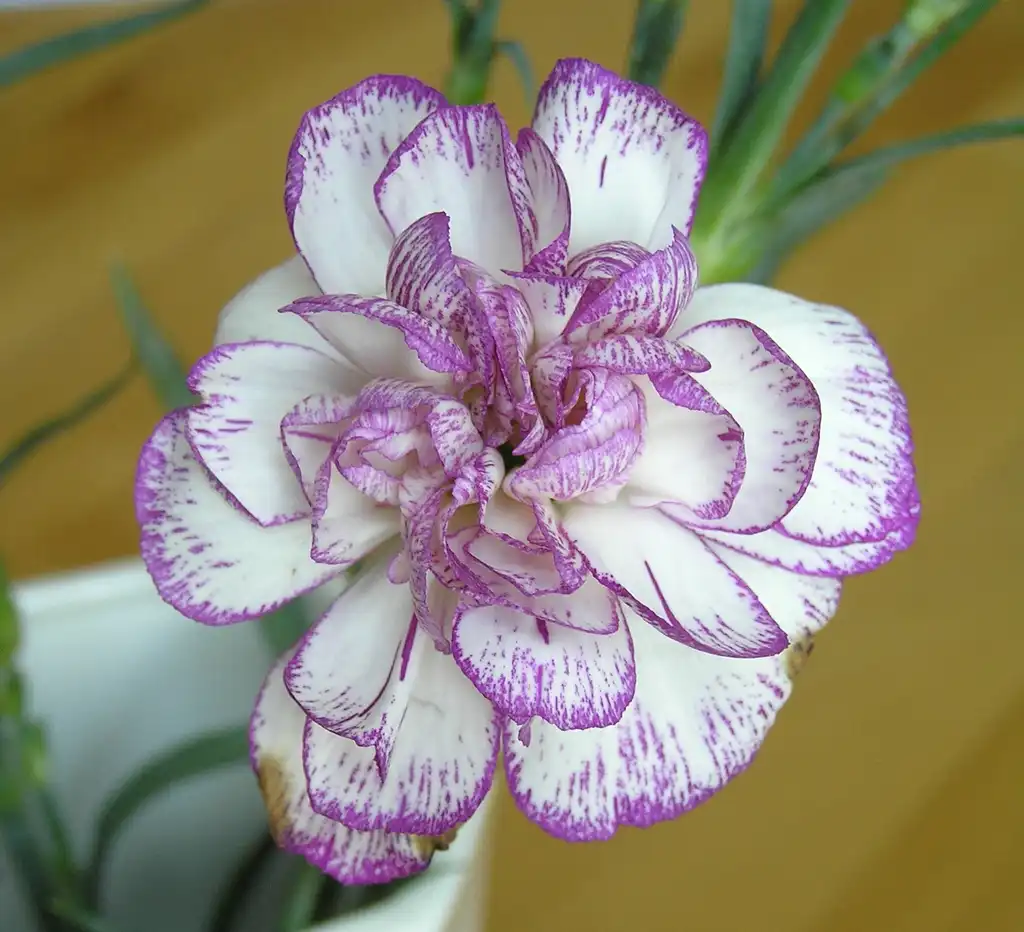
Carnations are herbaceous perennials that can also be cultivated as annuals. They thrive in cooler summer climates and require moist, well-drained soils rich in organic matter. With a wide array of cultivars and varieties available in various colors and sizes, taller types (ranging from 3 to 4 feet) are particularly popular in the floral industry, often used for cut flowers and boutonnieres. These flowers can add vibrant color to sunny borders or patio containers. To extend their blooming period, it's beneficial to deadhead faded flowers, and pinching back the center of the plant encourages a bushier growth habit.
However, carnations do not tolerate high heat well, making them less suitable for southern gardens. They typically bloom in midsummer, favoring sunny spots but also requiring cooler temperatures and moist, well-drained soils that are neutral to slightly alkaline. Be aware that issues such as rust and crown rot can arise.
Flowers have been used in tonic cordials in the past to treat fevers. An essential oil is obtained from the flowers. It is traditionally prescribed in European herbal medicine to treat coronary and nervous disorders.
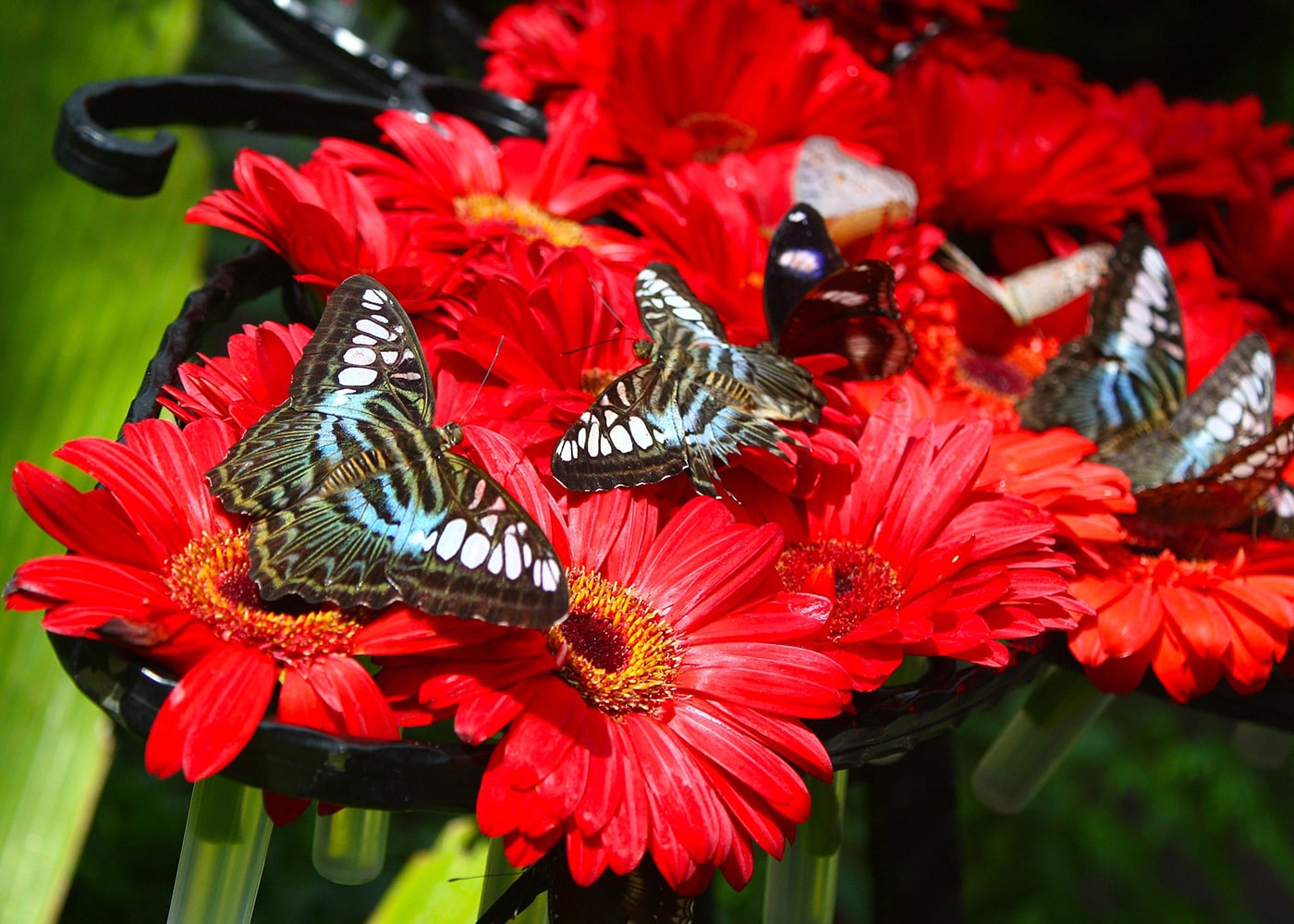
Semi to double fragrant blooms grow in loose cymes on stiff, elongate peduncles. The flowers have ruffled petals in many colors with a cylindrical calyx and few bracts. The stamens are often petaloid.
Narrow grey-green or blue-green strap-like leaves are up to 6 inches long, paired and joined at nodes: Opposite, simple, sheathing, linear, thick, flattened, keeled.
Flowers have been used in tonic cordials in the past to treat fevers. An essential oil is obtained from the flowers. It is traditionally prescribed in European herbal medicine to treat coronary and nervous disorders.
Dianthus caryophyllus: Country Or Region Of Origin
Semi to double fragrant blooms grow in loose cymes on stiff, elongate peduncles. The flowers have ruffled petals in many colors with a cylindrical calyx and few bracts. The stamens are often petaloid.
Dianthus caryophyllus: Flower Color
filter_vintage
Gold/Yellow
filter_vintage
Orange
filter_vintage
Pink
filter_vintage
Purple/Lavender
filter_vintage
Red/Burgundy
filter_vintage
Variegated
filter_vintage
White
Dianthus caryophyllus: Flower Inflorescence
Catkin
Corymb
Cyme
Head
Insignificant
Panicle
Raceme
Solitary
Spadix
Spike
Umbel
Dianthus caryophyllus: Flower Value To Gardener
Edible
Fragrant
Good Cut
Good Dried
Long Bloom Season
Long-lasting
Showy
Dianthus caryophyllus: Flower Bloom Time
Winter
Spring
Summer
Fall
Dianthus caryophyllus: Flower Petals
2-3 rays/petals
4-5 petals/rays
6 petals/rays
7 - 20 petals/rays
asymmetrical petals
Bracts
Colored Sepals
fused petals
more than 20 petals/rays
Tepals
Dianthus caryophyllus: Flower Shape
Bell
Cross
Crown
Cup
Dome
Funnel
Irregular
Lipped
Radial
Saucer
Star
Trumpet
Tubular
Urn
Wheel
Dianthus caryophyllus: Flower Size
1-3 inches
3-6 inches
< 1 inch
> 6 inches
Dianthus caryophyllus Leaves
Dianthus caryophyllus: Leaf Description
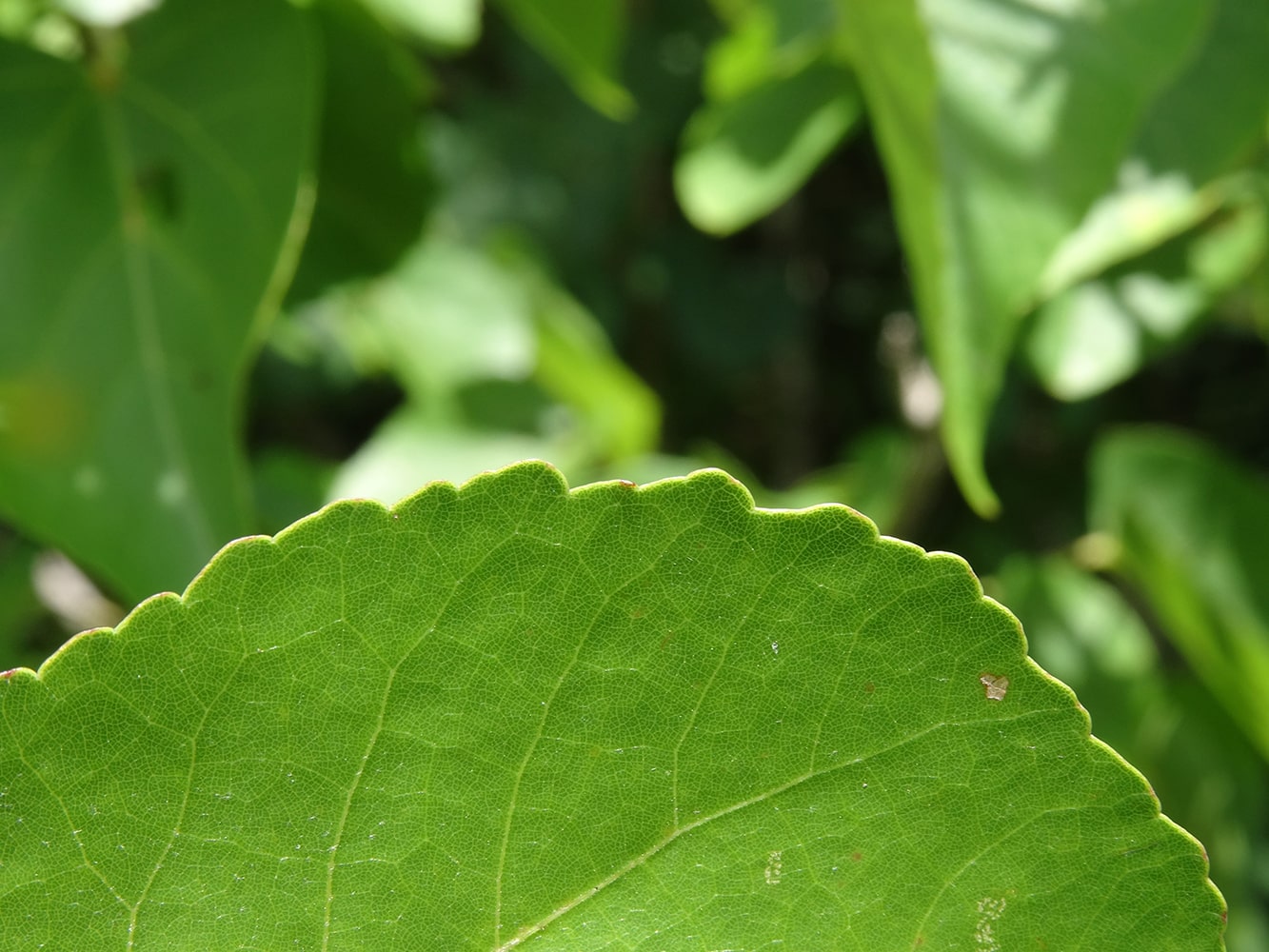
Narrow grey-green or blue-green strap-like leaves are up to 6 inches long, paired and joined at nodes: Opposite, simple, sheathing, linear, thick, flattened, keeled.
Dianthus caryophyllus: Leaf Color
spa
Blue
spa
Gray/Silver
spa
Green
Dianthus caryophyllus: Leaf Type
Compound (Pinnately , Bipinnately, Palmately)
Fronds
Needles
Sheath
Simple
Dianthus caryophyllus: Leaf Arrangement
Alternate
Opposite
Other/more complex
Rosulate
Whorled
Dianthus caryophyllus: Leaf Shape
Acicular
Auriculate
Cordate
Cuneate
Deltoid
Elliptical
Filiform
Lanceolate
Linear
Oblanceolate
Oblong
Obovate
Obtuse
Orbicular
Ovate
Palmasect
Palmatifid
Peltate
Pinnatifid
Pinnatisect
Reniform
Rhomboidal
Spatulate
Subcordate
Subulate
Dianthus caryophyllus: Leaf Margin
Crenate
Crenulate
Dentate
Denticulate
Doubly Crenate
Doubly Dentate
Doubly Serrate
Entire
Lobed
Serrate
Sinuate
Undulate
Dianthus caryophyllus: Hairs Present
No
Yes
Dianthus caryophyllus: Leaf Length
< 1 inch
1-3 inches
3-6 inches
> 6 inches
Dianthus caryophyllus: Leaf Feel
Fleshy
Glossy
Leathery
Papery
Prickly
Rough
Rubbery
Slippery
Smooth
Soft
Velvety
Waxy
Dianthus caryophyllus: Leaf Width
< 1 inch
1-3 inches
3-6 inches
> 6 inches
Dianthus caryophyllus Stem
Dianthus caryophyllus: Stem Description
Branched, nodes appear swollen, conspicuous, with stipular scar.
Dianthus caryophyllus: Stem Is Aromatic
No
Yes
Dianthus caryophyllus Poisonous to Humans
Dianthus caryophyllus: Poison Symptoms
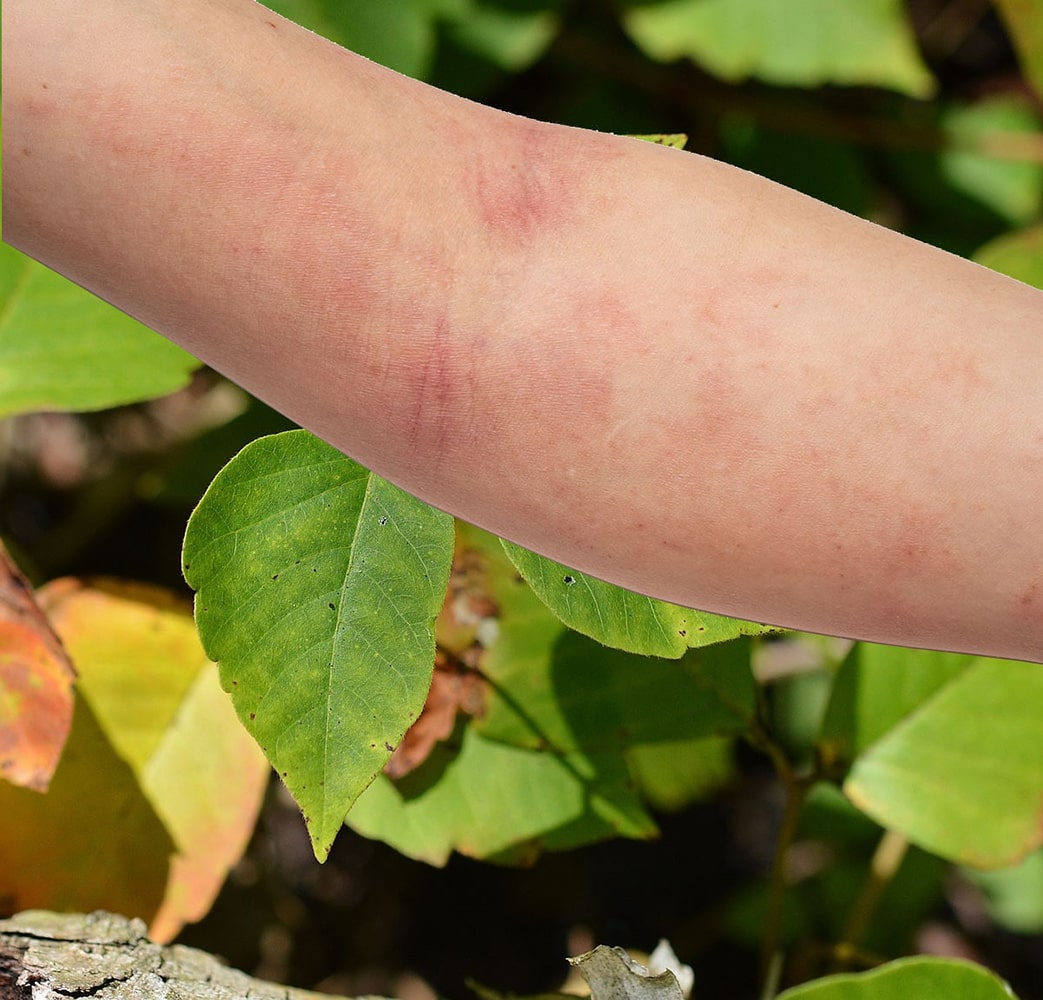
Mild gastrointestinal signs, mild dermatitis
Dianthus caryophyllus: Poison Toxic Principle
Unknown irritant
Dianthus caryophyllus: Poison Severity
High
Low
Medium
Dianthus caryophyllus: Causes Contact Dermatitis
No
Yes
Dianthus caryophyllus Whole Plant Traits
Dianthus caryophyllus: Plant Type
Annual
Bulb
Carnivorous
Edible
Epiphyte
Fern
Ground Cover
Herb
Herbaceous Perennial
Houseplant
Mushroom
Native Plant
Ornamental Grasses and Sedges
Perennial
Poisonous
Rose
Shrub
Succulent
Tree
Turfgrass
Vegetable
Vine
Water Plant
Weed
Wildflower
Dianthus caryophyllus: Habit/Form
Arching
Ascending
Broad
Cascading
Climbing
Clumping
Columnar
Conical
Creeping
Dense
Erect
Horizontal
Irregular
Mounding
Multi-stemmed
Multi-trunked
Open
Oval
Prostrate
Pyramidal
Rounded
Spreading
Vase
Weeping
Dianthus caryophyllus: Growth Rate
Slow
Medium
Rapid
Dianthus caryophyllus: Maintenance
Low
Medium
High
Dianthus caryophyllus Cultural Conditions
Dianthus caryophyllus: Light
Dappled Sunlight (Shade through upper canopy all day)
Deep shade (Less than 2 hours to no direct sunlight)
Full sun (6 or more hours of direct sunlight a day)
Partial Shade (Direct sunlight only part of the day, 2-6 hours)